Feral Hog Hunting Tactics for Texas
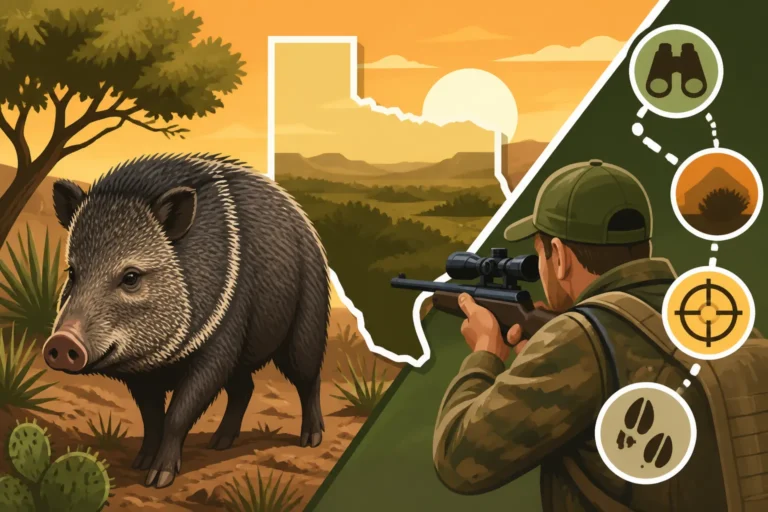
Waking up to find your property looking like a literal minefield is a frustration every Texas landowner and hunter knows too well. Feral hogs are an incredibly intelligent, destructive, and prolific species that demand a specialized approach if you want to be successful. This guide provides a deep dive into the specific tactics, gear, and behavioral insights needed to effectively harvest hogs across the diverse Texas landscape.
Understanding Feral Hog Behavior and Habits
If you want to be successful at hog hunting, you have to stop thinking of them as "wild pigs" and start thinking of them as highly adaptive survivalists. In Texas, we are dealing with a population that has been pressured for decades. These animals have an incredible sense of smell—some experts say it is better than a dog's—and they can learn to associate human presence with danger very quickly. Their eyesight is poor, but they more than make up for it with their hearing and that powerful nose.
The first thing to understand is their relationship with the Texas heat. During the brutal summer months, hogs become almost entirely nocturnal. They spend their days tucked deep into the thickest cedar breaks in the Hill Country or the densest river bottoms in the Pineywoods. They need water not just for drinking, but for wallowing. Since hogs don't have sweat glands, they must use mud and water to regulate their body temperature. If you find a fresh wallow, you've found their "living room." This is where Best Time to Hunt Feral Hog in Texas comes into play; timing your hunt around their need for thermal regulation is a game-changer.
Social structure is another key factor. You’ll usually encounter "sounders," which are groups of sows and their piglets. These groups can be large and are often easier to pattern because they have a high caloric need. Mature boars, on the other hand, are often solitary or travel in small "bachelor groups." These older boars are much more cautious and are the ones most likely to give you the slip. Understanding these social dynamics is a core part of Hog Hunting Methods in Texas: Thermal, Night & Trapping because your approach for a sounder of twenty is vastly different than your approach for one wise old boar.
High-Percentage Tactics for Texas Hogs
In Texas, we have the luxury of very few restrictions when it comes to hog hunting, but that doesn't mean it’s easy. One of the most common methods is hunting over bait. Most hunters use corn, but if you really want to keep them coming back, you have to make the bait "smelly." Sour mash—corn soaked in water, sugar, and maybe a little beer or yeast—creates a scent trail that hogs can pick up from miles away. However, many hunters wonder about the legality of baiting when other seasons are open, so it's worth checking Is It Legal to Hunt Over Corn in Texas? to ensure you're staying within the lines of the law while targeting swine.
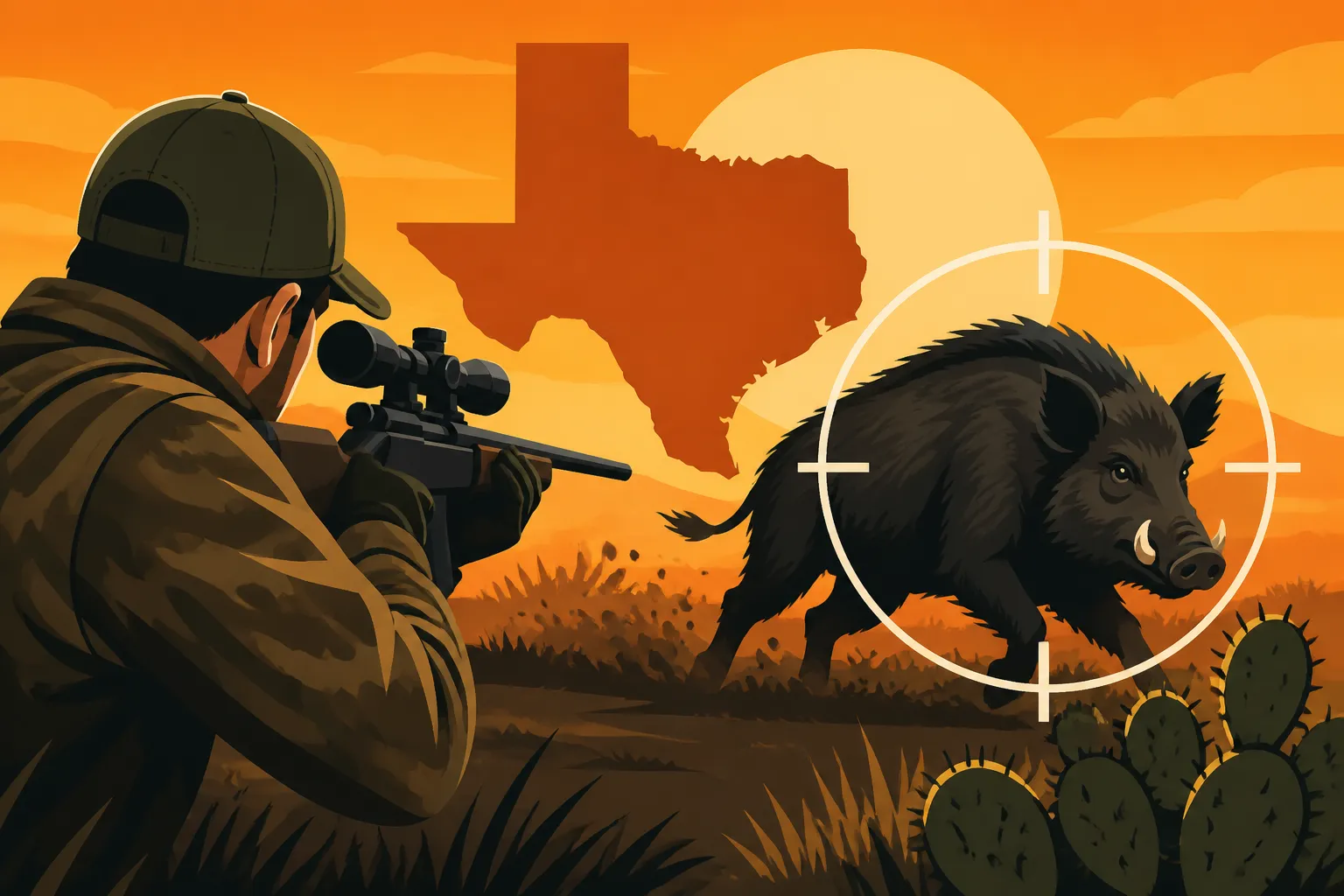
When the sun goes down, the real action starts. Night hunting is arguably the most effective way to put a dent in the hog population. You essentially have two choices: high-tech or low-tech. High-tech involves using thermal optics, which allow you to see the heat signatures of the hogs even in total darkness. This is the gold standard for many professional hunters. If you're just getting started, you might wonder How to Hunt Hogs at Night With Thermal and whether the investment is worth it. For those on a tighter budget, red or green LED lights mounted to a feeder or a rifle can also work, though hogs can eventually become "light shy" if they are shot at frequently under those conditions.
For those who prefer a more active approach, the "spot and stalk" method is thrilling but difficult. This involves glassing open fields, grain crops, or creek bottoms and then using the wind and cover to sneak within range. In Texas, this is particularly effective in the early morning or late evening when hogs are transitioning between their bedding and feeding areas. You must be absolutely religious about the wind; if a hog catches even a faint whiff of you, the hunt is over before it begins. This is a common strategy when you How to Hunt Hogs During the Day in Texas, focusing on those transition windows.
| Tactic | Best Time | Level of Difficulty | Primary Advantage |
|---|---|---|---|
| Stand Hunting / Bait | Late Evening / Night | Low | Consistent and predictable |
| Night Thermal Hunting | Midnight to 4:00 AM | Moderate | Massive tactical advantage |
| Spot and Stalk | Dawn / Dusk | High | Thrilling and covers more ground |
| Trapping | 24/7 (Passive) | Moderate | High volume removal |
Essential Gear and Local Equipment Needs
Your gear choice can make or break a hog hunt. Unlike whitetail deer, hogs have a thick "shield" of cartilage over their shoulders, especially mature boars. This means you need a caliber with enough punch to penetrate. While the .223/5.56 is popular for its high capacity and low recoil—perfect for a moving sounder—many Texas hunters prefer something with more "thump," like the .308 Winchester or the 6.5 Grendel. When you are looking for the Best Gear for Feral Hog Hunting in Texas, you’ll find that the rifle is just the beginning.
Optics are your next major consideration. If you are hunting during the day, a standard 3-9×40 scope is plenty. However, if you are moving into the night realm, you’ll need specialized equipment. You can find a variety of entry-level night vision and red lights on Amazon that are surprisingly effective for the price. If you’re serious about it, investing in a dedicated thermal scope is a game-changer. Beyond the weapon, don't forget the basics: high-quality boots for the rugged Texas terrain and a reliable way to haul the meat. A heavy-duty game cart can save your back if you’re hunting solo in a remote area.
Technology has also changed how we scout. Cellular trail cameras have become an essential tool for the modern hog hunter. Instead of driving to your lease and spooking the animals to check an SD card, you get real-time updates on your phone. This allows you to see exactly when the hogs are hitting your feeder so you can time your arrival perfectly. Using the Best Cellular Trail Cameras for Texas (2027) ensures you have a reliable connection even in the more remote parts of the Brush Country. Furthermore, having the Best Gear for Feral Hog on a Texas Lease means being prepared for everything from a sudden thunderstorm to a flat tire on the back 40.
Field Care and Post-Hunt Realities
Once the shot is fired and the hog is down, the real work begins. One of the most common questions people ask is: Are Feral Hogs Good to Eat?. The answer is a resounding yes, but with a caveat. Smaller "eater" hogs (under 100 pounds) are generally delicious and can be processed much like a domestic pig. Older boars can be tough and have a strong "gamey" musk, making them better suited for sausage or slow-cooking.
The Texas heat is your biggest enemy when it comes to meat spoilage. You need to field dress the animal as quickly as possible to get the core temperature down. In the middle of a July night, even two hours can be too long if the hog is left whole. This is why many hunters carry large coolers filled with ice in the back of their trucks. If you find yourself in a situation where you need to manage game in high temperatures, the techniques used for How to Cool a Deer Fast in Texas Heat are perfectly applicable to feral hogs.
Finally, managing the population on your property requires more than just shooting. Hogs are smart; if you kill one member of a sounder, the rest will often become more cautious or move to a neighboring property. This is where you have to decide if you are "hunting" or "eradicating." If the goal is protection of your deer program, you might need to learn How to Keep Hogs Out of Your Deer Feeder using specialized fencing, which allows deer to jump in but prevents hogs from rooting underneath. It is a constant game of chess with one of the most resilient animals on the planet.
Texas Hunting Regulations Disclaimer
While this guide provides tactical advice for hunting feral hogs in Texas, it is important to remember that all hunting activities are subject to the regulations set forth by the Texas Parks and Wildlife Department (TPWD). Feral hogs are considered an invasive, non-game species in Texas. However, a valid hunting license is still required to hunt them on public or private lands, with some exceptions for landowners and their authorized agents protecting property from depredation. Always check the current Texas Outdoor Annual for the most up-to-date rules regarding seasons, bag limits (currently none for hogs), and legal hunting methods in your specific county. Regulations regarding the transport of live feral hogs are strictly enforced by the Texas Animal Health Commission to prevent the spread of diseases like pseudo-rabies and swine brucellosis.