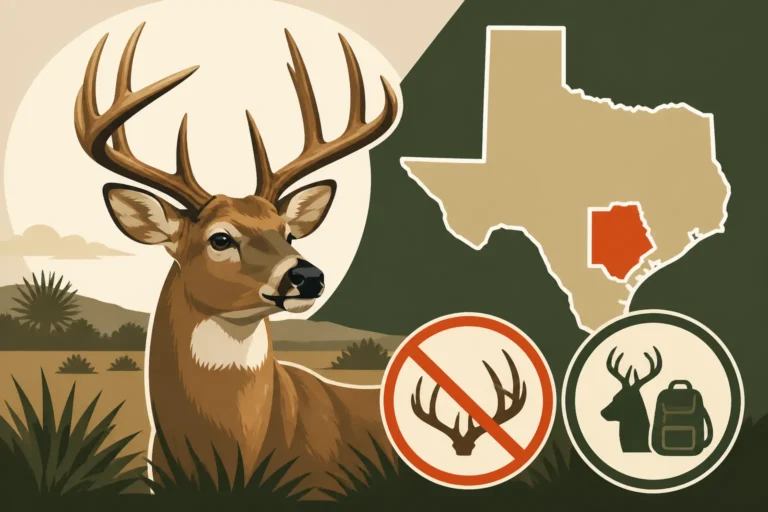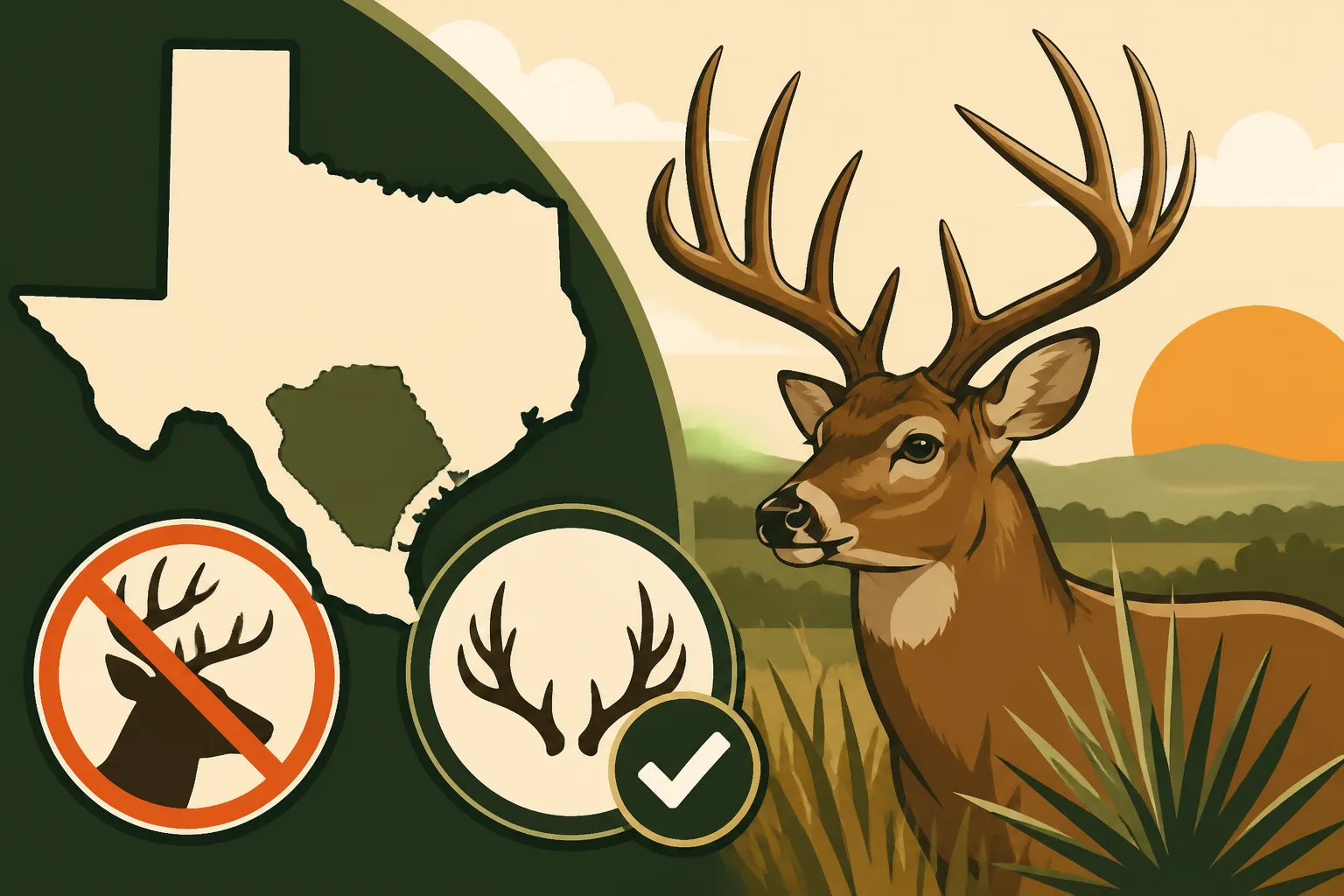
Dimmit County Antler Restriction & Bag Limit
Trying to make sense of all the deer hunting regulations in Texas can feel like navigating a maze, especially when specific counties have their own twists on the rules. You've heard whispers about antler restrictions, bag limits, and how it all changes depending on where you're hunting. It's enough to make your head spin, leaving you wondering if that buck you're looking at is even legal! This guide is here to untangle the specifics for Dimmit County, giving you a clear roadmap to understanding its antler restrictions and bag limits so you can hunt with confidence and stay on the right side of the law.
Understanding Texas Antler Restrictions: The Basics for Dimmit County
When you talk about deer hunting in Texas, especially for white-tailed deer, the phrase "antler restrictions" comes up a lot. It’s not just a suggestion; it’s a legally binding rule designed to help improve the age structure and quality of the deer herd. For folks hunting in Dimmit County, this means you need to be acutely aware of a particular rule that governs the size of the bucks you can harvest. It’s a crucial detail that many hunters, especially those new to the area or new to deer hunting in general, can find confusing.
The Infamous 13-Inch Rule and Its Nuances
Dimmit County falls within the vast region of Texas that enforces the "13-inch rule" for antlered white-tailed deer. What exactly does this mean? Simply put, for one of your two allowed bucks, the main beam spread of its antlers must be equal to or greater than 13 inches measured outside to outside. The rule also specifies that a buck must have an unbranched antler, or a main beam of 13 inches or greater. This isn't about the number of points on one side, or the total points; it's about that spread. Imagine drawing a straight line from the tip of one main beam to the tip of the other; that line needs to be at least 13 inches wide.
The nuance, and where many hunters get tripped up, is that this rule applies differently to your first and second buck. For your first buck of the season, it can be any legal buck, meaning it just needs to have at least one hardened antler visible above the natural hairline. But for your second buck, that's where the 13-inch rule kicks in. This buck must meet the 13-inch outside spread requirement, or have at least one unbranched antler. So, you can’t just shoot two small-racked bucks with narrow spreads, even if they have points. One of them has to meet that specific dimension or have an unbranched antler. This distinction is vital for avoiding a citation from a game warden.
The idea behind this regulation is to protect younger bucks that might have smaller racks but possess good genetics, allowing them to mature and contribute to the breeding pool and, eventually, grow into larger, more desirable trophies. By letting those 1.5 and 2.5-year-old bucks walk, we're investing in the future of the herd. If you're wondering how to tell if a buck is legal under this rule, it often comes down to experience and a good set of binoculars. Many seasoned hunters will tell you that if you're questioning it, it's probably best to let him walk. Remember, you can always refer to the "Texas Antler Restrictions: The 13-Inch Rule & Counties" guide for more details on this statewide initiative.
Measuring Antlers in the Field
Accurately judging antler spread in the field can be incredibly challenging, especially when the light is fading or a buck is moving quickly. It's not like you can carry a tape measure out there with you! Hunters in Dimmit County often develop a keen eye for this. One common trick is to use the deer's ears as a reference point. A typical whitetail buck's ears, when alert and pointed forward, are usually about 14 to 16 inches from tip to tip. If the main beam spread of a buck's antlers extends clearly past the tips of its ears, it’s a pretty good indicator that it meets the 13-inch minimum. If the antlers are inside the ears, or just barely match, it's probably too close to call and you should exercise caution.
Another method is to focus on the overall body size and characteristics of the buck. Older bucks tend to have heavier bodies, thicker necks, and deeper chests, often signaling a more mature animal that is more likely to carry a wider spread. Younger bucks, even with a few points, might still have a "rangy" or "leggy" appearance. It takes practice, but learning to "field judge" deer is a critical skill for hunting in antler-restricted counties like Dimmit. Setting up your trail cameras strategically can also provide invaluable intelligence before the season, allowing you to How to Pattern Bucks With Trail Cameras and study potential bucks on your lease.
Decoding Dimmit County's White-Tailed Deer Bag Limits
Beyond just antler restrictions, understanding the overall bag limit for white-tailed deer is crucial for any hunter in Dimmit County. These limits are set by the Texas Parks and Wildlife Department (TPWD) to ensure sustainable hunting practices and prevent overharvesting, keeping the deer population healthy and robust for years to come. Dimmit County is a prime example of South Texas trophy whitetail country, and managing the herd here is a serious business.
The Annual Bag Limit and Buck/Doe Allocation
For white-tailed deer in Dimmit County, the general annual bag limit allows for a total of four deer. This might sound straightforward, but there's an important breakdown: no more than two of those four deer can be bucks. This means you can harvest two antlered bucks and two antlerless deer (does), or one buck and three does, or even just four does. You cannot, however, take three bucks, regardless of their antler size. This limit is designed to maintain a healthy buck-to-doe ratio, which is vital for effective breeding and overall herd health.
The allocation of buck tags means you'll need to carefully decide when and which buck to harvest, especially considering the 13-inch antler restriction discussed earlier. Your first buck tag allows you to take any legal buck (at least one hardened antler), but that second buck tag requires that the deer meets the 13-inch outside spread or has an unbranched antler. This tiered system encourages hunters to pass on younger bucks that haven't reached their full potential. If you're part of a Managed Lands Deer Program (MLDP) property, your specific tags and limits might vary, as MLDP properties operate under customized management plans. However, for most hunters on standard licenses, these are the rules.
Antlerless Deer and Doe Day Opportunities
The other part of the bag limit focuses on antlerless deer, commonly known as does. In Dimmit County, as with many areas in South Texas, the opportunity to harvest antlerless deer is crucial for managing the herd. Too many does can lead to overpopulation, overgrazing, and a decline in herd health and body condition. The general season for white-tailed deer often includes specific "doe days" or a period during the season when antlerless deer can be harvested.
To harvest an antlerless deer, you typically need an antlerless tag, which is issued with your hunting license. On many leases, landowners or their agents will issue landowner tags or MLDP tags for antlerless deer. Always confirm with the landowner or your lease manager about the proper tagging procedures for antlerless deer on the property you are hunting. It's also important to confirm if the property falls under the TPWD "Antlerless Deer Permits & Doe Days" regulations or if it's an MLDP property with its own specific guidelines. Understanding these details helps ensure you are harvesting within legal limits and contributing to sound deer management.
Here's a quick summary table of Dimmit County's general regulations:
| Category | Regulation | Details |
|---|---|---|
| White-Tailed Deer Bag Limit | 4 Deer Total | No more than 2 bucks. Remaining deer must be antlerless. |
| Antlered Buck 1 | Any Legal Buck | Must have at least one hardened antler visible above the natural hairline. |
| Antlered Buck 2 | Antler Restriction Applies | Must have an outside spread of 13 inches or greater, OR have at least one unbranched antler. |
| Antlerless Deer | Tags Required | Requires an antlerless tag from your hunting license or a landowner-issued MLDP tag. Check local regulations for specific "doe days" if not on MLDP. |
| Youth Hunters (under 17) | Exempt from Antler Restrictions | May take any legal buck (at least one hardened antler) as their first or second buck. This encourages youth participation in hunting. |
| Archery Season | Same Bag Limits & Antler Restrictions | Regulations apply during the Texas Archery Season Dates which precedes the general season. |
Why These Regulations Matter: Deer Management in South Texas
You might sometimes feel like these rules are just there to make hunting harder, but they serve a really important purpose. The antler restrictions and bag limits in counties like Dimmit are not arbitrary; they are carefully crafted by the Texas Parks and Wildlife Department based on extensive research and biological data. Their primary goal is to promote a healthy and balanced deer population, which ultimately leads to better hunting opportunities and healthier ecosystems.
Promoting Herd Health and Age Structure
Think about it this way: if every hunter shoots the first buck they see, regardless of age, you'd quickly deplete the younger age classes of bucks. This leaves fewer mature bucks to breed and fewer younger bucks to grow into impressive animals. The 13-inch rule, specifically, acts as a filter, encouraging hunters to pass on those 1.5 and 2.5-year-old bucks that haven't reached their full antler potential. By giving these deer another year or two, they have a chance to mature physically, contribute to the gene pool, and develop larger racks.
This focus on age structure also benefits the entire herd. A balanced age structure with a good number of older, dominant bucks helps ensure efficient breeding. It reduces stress on younger bucks who might otherwise compete for breeding opportunities before they're fully developed. Furthermore, by allowing for the harvest of antlerless deer, especially in areas with high deer densities, these regulations help keep the population in check with the available habitat. Overpopulation can lead to overbrowsing, which damages the natural vegetation and can result in smaller, less healthy deer dueall around. It's a holistic approach to deer management that benefits everyone in the long run.
Enhancing Trophy Potential in South Texas
Let's be honest, part of the allure of hunting in places like Dimmit County is the chance at a trophy buck. South Texas is legendary for its big deer, and these regulations play a significant role in maintaining that reputation. By protecting younger bucks, the antler restrictions directly contribute to increasing the number of older-age-class bucks, which are the ones that typically carry those impressive racks hunters dream about.
It's a testament to good wildlife management that properties in this region consistently produce high-quality deer. When combined with sound land management practices—like habitat improvement, supplemental feeding with quality protein pellets, and careful harvest strategies—these regulations help land managers and hunters cultivate exceptional deer herds. So, while it might sometimes mean passing on a smaller buck, knowing that you're contributing to the overall health and future trophy potential of the herd makes it a worthwhile decision. This is why many hunters are keenly interested in Protein Feeding Deer for Bigger Antlers and other management strategies.
Practical Strategies for Hunting Under Dimmit County's Rules
Hunting in Dimmit County with its specific antler restrictions and bag limits requires a thoughtful approach. It’s not just about finding deer; it’s about finding the right deer, and making an ethical, informed shot when the time comes. This requires preparation, patience, and a deep understanding of the regulations.
Scouting and Intelligent Trail Camera Use
Effective scouting is your best friend when hunting in an antler-restricted county. Before the season even begins, spend time on your lease identifying deer trails, bedding areas, food sources, and water points. This is where modern technology really shines. Deploying cellular trail cameras like the Tactacam Reveal or Moultrie Edge, can give you a clear picture of the bucks in your area long before you ever step foot in a blind. You can actually see which bucks have the 13-inch spread or an unbranched antler, and which ones need another year. This takes the guesswork out of the equation and lets you specifically target legal bucks.
Consider placing your cameras on feeder pens, near water sources, or along prominent travel corridors. Reviewing the images and videos regularly will help you pattern deer movement, identify individual bucks, and understand their behavior. This pre-season intelligence is invaluable for making informed decisions once opening day arrives. Remember, the more you know about the deer on your property, the better your chances of harvesting a legal buck without stress or uncertainty. You might even want to check out our guide on Best Cellular Trail Cameras for Texas (2027) to make sure you're using the best tools for the job.
Field Judging and Making the Right Decision
Even with excellent scouting, every hunter eventually faces that moment of truth: a buck steps out, and you have to make a quick decision in the field. This is where your ability to "field judge" becomes critical. As mentioned before, using a deer's ears as a reference can be helpful for the 13-inch rule. Practice this skill by looking at photos or videos of deer and estimating their spread.
Beyond the antler restrictions, always ensure you have a clear, ethical shot. Don't rush. Take a moment to confirm that the buck is indeed legal and that you can make a clean shot. If you're hunting with a rifle, ensure you have a steady rest, whether it's from a Box Blind vs Tripod vs Ground Blind in Texas or a natural rest. If you're bowhunting, wait for the perfect broadside shot. The goal is a quick, humane harvest. It's always better to let a buck walk if you're unsure of its legality or if you can't get a clean shot. There will always be another deer, but a mistaken harvest can lead to fines and a potentially wasted animal. Knowing Best Shot Placement for Whitetail Deer can make all the difference in a quick harvest.
Youth Hunter Exemptions
It's worth noting a wonderful exemption that encourages the next generation of hunters: youth hunters under the age of 17 are typically exempt from the antler restrictions in Dimmit County. This means a young hunter can harvest any legal buck (a buck with at least one hardened antler) as both their first and second buck. This exemption is a fantastic way to introduce new hunters to the sport without the added pressure of complex antler judging. It allows them to focus on safety, ethics, and the pure joy of the hunt. Always double-check the current year's Texas Outdoor Annual for precise age qualifications and any other specific rules related to youth hunters. This emphasis on youth hunting is a vital part of preserving our hunting heritage in Texas.
Disclaimer
Please remember that hunting regulations can change. Always consult the current year's Texas Parks and Wildlife Department Outdoor Annual or their official website before heading out into the field to ensure you have the most up-to-date and accurate information regarding Dimmit County's antler restrictions and bag limits. This guide is for informational purposes only and should not replace official TPWD resources.