Texas Mourning Dove Hunting Regulations 2026
Hunting for mourning doves in Texas is an experience steeped in tradition, the thrill of fast-paced action, and the beauty of wide-open spaces, but navigating the ever-changing labyrinth of regulations can sometimes feel like trying to hit a fast-flying bird with a slow-moving slingshot. It's frustrating when you just want to enjoy the hunt, but you're constantly worried about whether you're breaking some obscure rule. This comprehensive guide is here to untangle the complexities of the Texas Mourning Dove hunting regulations for the upcoming 2026 season, giving you clear, actionable information so you can hunt with confidence and stay on the right side of the law.
Understanding the Texas Dove Hunting Landscape
Before we dive into the nitty-gritty of dates and bag limits, it's crucial to grasp the bigger picture of dove hunting in Texas. It's not just about pointing and shooting; it's about respecting the game, the land, and the laws designed to conserve this cherished resource for generations to come. The sheer popularity of dove hunting here means the Texas Parks and Wildlife Department (TPWD) has to be diligent, and hunters, in turn, need to be hyper-aware.
Why Regulations Matter So Much for Dove Hunters
Let's be honest, nobody wants to be that hunter who gets a citation, or worse, has their hunting privileges revoked. The regulations aren't there just to make your life harder; they serve vital conservation purposes, ensuring sustainable populations of doves. Misinterpretations or ignorance of the law can lead to hefty fines, confiscation of game and equipment, and a blot on your hunting record. For migratory birds like doves, federal regulations also come into play, adding another layer of complexity. Understanding these rules isn't just about legality; it's about ethical hunting and doing your part to preserve the sport. Moreover, the dynamic nature of seasons means what was legal last year might have slight tweaks for the upcoming season, so staying updated is paramount.
The Different Dove Species You'll Encounter
When you're out in a Texas dove field, you're primarily targeting two main species: the Mourning Dove and the White-winged Dove. While they often inhabit the same areas, their numbers and migration patterns can differ, which sometimes influences specific regulations within the broader dove season. Occasionally, you might also spot a White-tipped Dove (also known as a White-fronted Dove), especially in the southern reaches of the state, though they are less common in hunter's bags.
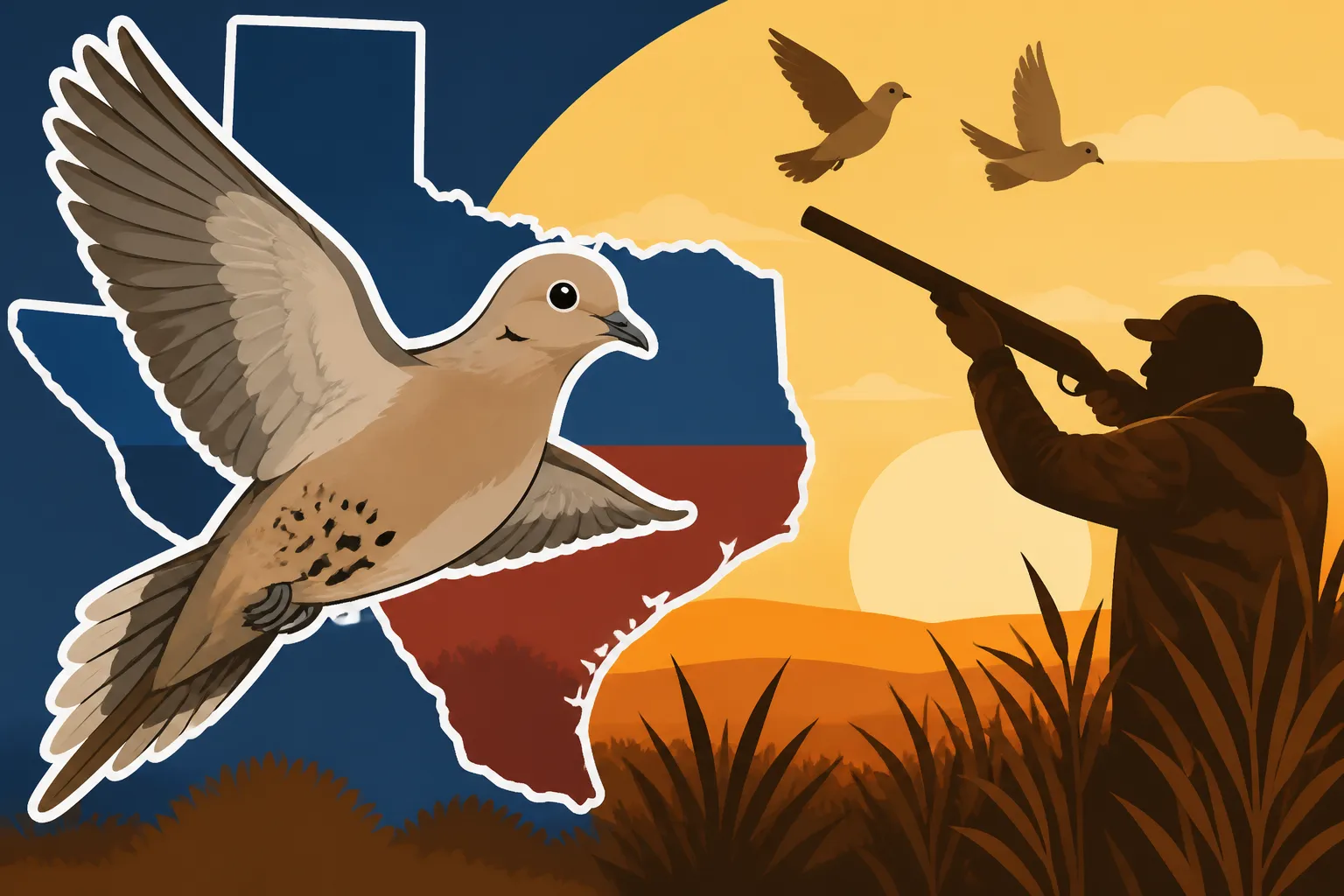
Mourning Doves are typically smaller, with a distinctive long, pointed tail, and a plaintive "coo-oo-oo" call. They are widespread across Texas. White-winged Doves, on the other hand, are slightly larger, have a more rounded tail, and a prominent white patch on their wings that's visible in flight. They've expanded their range considerably over the years and are now common across much of the state, especially in urban and suburban areas, not just the South Texas brush country they were historically known for. Understanding these differences isn't just for identification; it's critical because while bag limits are often aggregate (a combined total of certain species), there can be specific restrictions within that aggregate, especially for White-winged Doves during certain periods. For a deeper dive into distinguishing these birds, you might find our guide on White-Winged vs Mourning Dove in Texas particularly helpful.
Key Texas Mourning Dove Hunting Regulations for 2026
Alright, let's get down to brass tacks. The 2026 regulations for mourning doves will largely follow historical patterns, though it's absolutely vital to consult the official Texas Parks and Wildlife Department (TPWD) Outdoor Annual once it's released for the exact, confirmed dates and any potential changes. Think of this as your planning guide, but always double-check with the official word.
Season Dates by Zone
Texas is massive, and its size means varied dove populations and migration patterns, leading to the creation of three distinct dove zones: North, Central, and South. Each zone has its own set of opening and closing dates, and often, a split season to accommodate both early migrations and later-season opportunities. While exact 2026 dates are subject to official confirmation, historically, the season generally kicks off around September 1st.
- North Zone: Typically opens around September 1st, running for a couple of weeks, then reopens in late December for a shorter second leg. This zone covers the northernmost portion of the state, including the Panhandle and parts of North Central Texas. Hunters in this area often focus on early-season birds.
- Central Zone: Also usually opens around September 1st, with its first segment often extending through much of October. A second, shorter segment typically runs in January. This is the largest zone, encompassing the Hill Country, Central Texas, and the Post Oak Savannah. If you're hunting in areas like the Edwards Plateau, this is your zone.
- South Zone: Historically, this zone has had a slightly later opening, often in mid-September, but its first split typically runs longer, well into October or even early November. Like the others, it then reopens for a shorter period in January. This zone covers the vast South Texas brush country, famed for its abundant white-winged doves, and extends along the Gulf Coast.
It’s crucial to know which zone your hunting spot falls into. A small mistake here could mean hunting out of season, even if you’re just a few miles over a county line. For a visual reference, our resource on the Texas Dove Zones Map (North, Central, South) can help you pinpoint your area. You’ll want to bookmark these dates from the official TPWD Outdoor Annual as soon as they’re available.
Bag and Possession Limits
The bag limit for doves in Texas is an aggregate limit, meaning it's a combined total for certain species. For 2026, you can generally expect a daily aggregate bag limit of 15 doves, which includes both Mourning and White-winged Doves. However, there's a critical caveat: within that 15-bird aggregate, typically no more than 2 can be White-tipped Doves. This specific sub-limit is important to remember, especially if you're hunting in areas where White-tipped Doves are present.
The possession limit is also a key regulation. This refers to the maximum number of birds you can have in your possession at any given time, including those in cold storage at your home. Historically, the possession limit has been three times the daily bag limit (e.g., 45 doves if the daily bag is 15). This means if you hunt for three days and bag 15 doves each day, you can have all 45 in your freezer. But if you try to bring home 50, you're over the limit, even if you harvested them legally over several days. Always ensure you're aware of both limits to avoid issues. Remember to refer to the official Texas Dove Season 2026: Zones & Dates for any precise modifications to these limits.
Ammunition and Equipment Rules
Dove hunting requires specific equipment and adherence to certain rules for your firearms and ammunition. First and foremost, shotguns must be plugged to limit their capacity to no more than three shells (two in the magazine and one in the chamber). This is a federal regulation that applies to all migratory game birds. Most new shotguns come with a plug installed, but if you're using an older firearm, ensure it has one.
As for ammunition, lead shot is generally legal for dove hunting in Texas. However, there are exceptions, particularly if you are hunting on certain federal lands (like National Wildlife Refuges) or specific state-managed areas, where non-toxic shot (e.g., steel, bismuth) might be required. Always check the specific regulations for the public land you intend to hunt. Shot size is also a consideration; while not strictly regulated beyond safe practices, most dove hunters opt for smaller shot sizes like 7.5 or 8 for better pattern density. Beyond the shotgun, make sure you have appropriate hunting attire that blends into the environment, especially if you're trying Mourning Dove Hunting Tactics for Texas that involve hiding.
Essential Licenses, Endorsements, and Certification
It's not enough to just know the season dates and bag limits; you also need the correct paperwork. Hunting in Texas requires specific licenses and additional stamps or certifications, especially for migratory birds. Don't let your excitement to get into the field override the necessity of having all your ducks (or in this case, doves) in a row.
Texas Hunting License Requirements
First, you'll need a valid Texas hunting license. For most resident adult hunters, the Super Combo package is often the most cost-effective option, as it includes all the necessary endorsements for hunting various game animals and migratory birds. Alternatively, you can purchase a "Resident Hunting License" (Type 101) and then add specific endorsements. Non-residents will need a "Non-Resident General Hunting License" (Type 105) or a "Non-Resident Special Hunting License" (Type 107), depending on the species they plan to hunt.
Even if you're hunting on private land where you have permission, a license is mandatory. There are some exemptions, such as landowners hunting on their own property or youth hunters under certain conditions, but generally, if you're holding a gun and pursuing game, you need a license. It's truly your ticket to legal hunting. If you're wondering about the various options, our detailed article on the Texas Hunting License: Cost, Types & How to Buy (2026) can guide you through the purchasing process.
Migratory Game Bird Endorsement & HIP Certification
This is where many new dove hunters trip up. Beyond your general hunting license, you absolutely must have a Migratory Game Bird Endorsement (Type M) to hunt doves. This endorsement is required for all migratory game birds, which includes doves, ducks, geese, and sandhill cranes. It's a small fee, but skipping it makes your hunt illegal.
Furthermore, every migratory bird hunter in Texas, regardless of age, must be HIP (Harvest Information Program) certified. This isn't a separate physical stamp; it's a brief survey that collects information about your hunting activities. This data is crucial for wildlife agencies to manage migratory bird populations effectively. When you purchase your hunting license, you'll be prompted to complete the HIP certification. It's quick, but forgetting it can also lead to a violation. These two components are non-negotiable for a legal dove hunt.
Hunter Education Requirements
Texas takes hunter safety seriously, and for good reason. Anyone born on or after September 2, 1971, must successfully complete a hunter education course or show proof of deferral to legally hunt in Texas. This requirement applies to all hunting, including doves. The course covers firearm safety, wildlife identification, hunting ethics, and regulations. It's a valuable education that makes you a safer and more responsible hunter.
There are options for both online and in-person courses, and many younger hunters complete it well before they hit adulthood. If you're new to hunting or haven't taken it yet, you'll need to get this done. There are some deferral options that allow you to hunt under the direct supervision of a licensed hunter for a limited time, but eventually, you'll need the certification. You can find comprehensive details about this requirement in our post, Do You Need Hunter Education in Texas?.
Navigating Specific Hunting Scenarios and Challenges
The regulations are designed to cover a wide array of situations, but some specific scenarios warrant extra attention because they are common areas of confusion or potential violation for dove hunters. Being proactive about understanding these can save you a lot of headache.
Hunting Over Baited Areas: What's Legal and What's Not
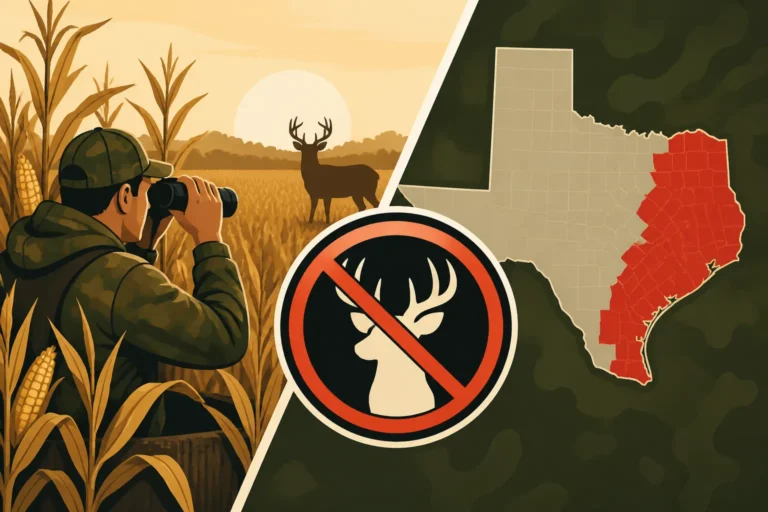
This is perhaps the trickiest and most frequently misunderstood regulation in migratory bird hunting. "Baiting" is a federal offense for migratory game birds, and the penalties can be severe. Simply put, it is illegal to hunt migratory game birds by the aid of baiting, or on or over any baited area. But what exactly constitutes baiting?
A baited area is any area where corn, wheat, milo, or other grain, salt, or other feed is placed, exposed, deposited, distributed, or scattered to attract migratory game birds to, on, or over that area. This includes areas where bait has been removed, if enough time has not passed for the area to become "unbaited" naturally (which is often considered 10 days after all bait has been removed). This applies not only to the hunter who puts out the bait but also to any hunter who shoots a bird over a baited area, even if they had no knowledge of the bait. Ignorance is not a defense here.
However, "normal agricultural practices" are generally allowed. This includes harvesting crops, planting crops, or distributing feed solely for wildlife management purposes, so long as it's done in a normal way. For instance, doves can be hunted over a field of standing unharvested corn, or over a harvested field where grains are still present from normal combines. They can also be hunted over fields planted with wildlife food plots, as long as the seeds were not scattered in an abnormal concentration. It becomes baiting when you add grain or other feed to attract birds beyond what would be present from routine agricultural work. For a more detailed look into this, consider our piece on Hunting Over Feeders & Corn in Texas (Legal Guide), which, while focused on deer, touches on the legal distinctions of baiting.
Public vs. Private Land Regulations
The vast majority of dove hunting in Texas occurs on private land, often on leases or with landowner permission. On private land, you are responsible for securing permission from the landowner and adhering to any additional rules they might impose beyond state law. For example, a landowner might specify no lead shot, even if it's legal statewide.
Public hunting opportunities exist through the TPWD's Annual Public Hunting Permit (APH) and Drawn Hunts programs. The APH permit grants access to thousands of acres across various Wildlife Management Areas (WMAs) and other leased public lands. However, these areas often have specific rules unique to that property, such as designated hunting days, check-in/check-out procedures, or specific shot type requirements. Always check the individual WMA regulations in the Outdoor Annual or on the TPWD website before heading out. Don't assume that just because you have an APH permit, you can hunt anywhere. Each location has its own set of guidelines to ensure safety and fair chase. If you're exploring options, learning Where to Hunt Mourning Dove in Texas might give you some ideas for both public and private land.
The Importance of the Texas Outdoor Annual
Think of the Texas Outdoor Annual as your bible for hunting and fishing regulations in the state. It's published annually by TPWD and contains all the current and official regulations, season dates, bag limits, and license requirements. While articles like this one aim to provide helpful summaries and explanations, the Outdoor Annual is the definitive source.
It's available online as a digital publication and often in print at license vendors across the state. Regulations can change from year to year, sometimes subtly, sometimes significantly. Relying on outdated information or word-of-mouth could lead to an unintentional violation. Always make it a habit to review the Outdoor Annual before each hunting season, especially for migratory birds like doves, which have complex federal and state frameworks. It's your ultimate tool for staying compliant and ensuring a smooth, legal hunting experience. For a broader overview of all species, check out the Texas Hunting Seasons: Complete Calendar by Species.
Summary of Key Mourning Dove Regulations for 2026 (Expected)
To help you keep track of the critical details, here’s a quick glance at what you can generally expect for the 2026 Mourning Dove season in Texas. Remember, always verify with the official TPWD Outdoor Annual for the most up-to-date and confirmed information.
| Regulation Category | Expected Details (Confirm with 2026 Outdoor Annual) |
|---|---|
| Hunting License | Valid Texas Hunting License (e.g., Super Combo, Resident Hunting License). |
| Endorsements | Migratory Game Bird Endorsement (Type M) required. |
| Certification | HIP (Harvest Information Program) Certification required. |
| Hunter Education | Required for hunters born on or after Sept 2, 1971 (or deferral). |
| Daily Bag Limit | 15 doves in the aggregate (Mourning, White-winged, and White-tipped combined). |
| White-tipped Sub-limit | No more than 2 White-tipped Doves within the 15-bird aggregate daily bag limit. |
| Possession Limit | 45 doves (three times the daily bag limit), including any in cold storage. |
| Shotgun Capacity | Plugged to 3 shells maximum (2 in magazine, 1 in chamber). |
| Ammunition | Lead shot generally legal; non-toxic shot required on some public lands/federal areas. |
| Baiting | Illegal to hunt over baited areas. "Normal agricultural practices" are allowed; consult TPWD for specifics. |
| North Zone Season | Typically opens ~Sept 1st, runs 2-3 weeks. Reopens late Dec/early Jan for a shorter split. |
| Central Zone Season | Typically opens ~Sept 1st, runs through mid-Oct. Reopens early/mid-Jan for a shorter split. |
| South Zone Season | Typically opens ~Sept 14th, runs through late Oct/early Nov. Reopens mid-Jan for a shorter split. |
This table serves as a convenient reference, but the nuances are always in the full text of the regulations. Getting out into the field requires preparation, from scouting your ideal Dove Field Setup: Where to Stand to practicing your shot. Don't let regulations be the reason your hunt is cut short.
Preparing for the 2026 Dove Season
With the general framework of regulations in mind, you can start making your preparations. It’s never too early to ensure you’re fully compliant and ready for the fast-flying action that Texas dove season promises.
Checking Official Resources
Your first and most important step is always to verify the 2026 regulations directly from the Texas Parks and Wildlife Department. As mentioned, the Texas Outdoor Annual is the official publication. It’s typically released in late summer, well before the September 1st opener. Make it a point to download the digital version or pick up a hard copy. The TPWD website is also an excellent resource for real-time updates and clarifications. Remember, any information provided here or elsewhere should always be cross-referenced with the official TPWD publications.
Beyond the printed word, TPWD often hosts public meetings and webinars where changes are discussed. Staying connected with their official channels can provide invaluable insights and early warnings of any major shifts in regulations. This proactive approach ensures you won't be caught off guard by a last-minute change that impacts your hunting plans.
Ensuring Your Gear is Compliant
Take some time before the season starts to inspect your shotgun. Is the plug in place, limiting capacity to three shells? If not, install one. This is a common oversight that can lead to fines. While lead shot is generally permissible, if you plan to hunt on any public land, double-check that specific area's rules for non-toxic shot requirements. Nothing spoils a trip faster than arriving at a WMA only to find your ammunition is illegal.
Beyond legality, consider the practical aspects of your gear. Are your How to Use Decoys for Dove Hunting effective? Is your camo appropriate for the early season heat? Texas Septembers are notoriously hot, so lightweight, breathable clothing is a must. Proper hydration and sun protection are also crucial, not just for compliance, but for your own safety and enjoyment in the field.
Scouting and Planning Your Hunt
Regulations aside, successful dove hunting requires good old-fashioned scouting. Doves are creatures of habit, often flying predictable routes from roosting areas to feeding grounds and water sources. Look for actively used fields, especially those with sunflowers, milo, or freshly mowed wheat. Power lines and dead trees near these areas are often used as perching spots.
Consider the layout of your chosen field and how it aligns with legal hunting practices. For example, if it's an agricultural field, confirm it wasn't recently baited in an illegal manner. Plan your approach, potential shooting lanes, and retrieval routes. Knowing the regulations about bag limits and possession helps you plan how many hunts you can take and how to manage your harvest responsibly. The more thorough your planning, the more enjoyable and successful your 2026 Texas Mourning Dove season will be.
Disclaimer
The information provided in this guide regarding Texas Mourning Dove hunting regulations for 2026 is based on current understanding and historical patterns. Hunting regulations are subject to change. It is the hunter's sole responsibility to consult the official Texas Parks and Wildlife Department (TPWD) Outdoor Annual for the most up-to-date and accurate regulations, season dates, and bag limits prior to hunting. This guide is for informational purposes only and should not be considered a substitute for official TPWD publications.