Texas Nilgai Hunting Regulations 2026
It can feel incredibly confusing trying to wrap your head around hunting regulations in Texas, especially when you start looking into exotic species like Nilgai. Many hunters come from states where every single animal has a strict season, bag limit, and often specific weapon restrictions. When you hear that Nilgai don't quite fit that mold, it can make you wonder if you're missing some crucial detail or if it's too good to be true. This guide is here to untangle the specifics of Nilgai hunting regulations, ensuring you understand exactly what you need to do to legally and ethically pursue these magnificent animals.
The Unique Regulatory Status of Nilgai Antelope in Texas
One of the biggest head-scratchers for new hunters in Texas, especially those interested in exotics, is how animals like the Nilgai are regulated. You've probably scanned the Texas Parks and Wildlife Department (TPWD) Outdoor Annual looking for "Nilgai Season Dates" or "Nilgai Bag Limits" only to come up empty. This isn't an oversight; it's by design. The key difference lies in how Texas law classifies these animals.
Understanding Nilgai as Exotic Livestock
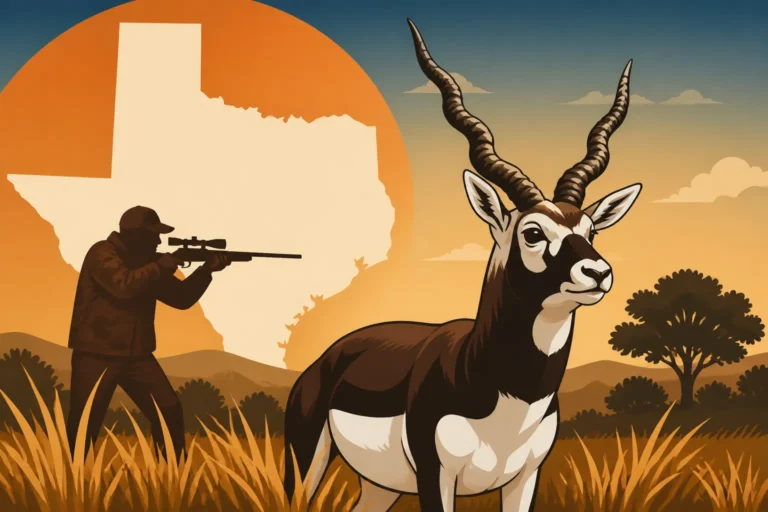
Unlike white-tailed deer or mule deer, Nilgai antelope are not native to Texas. They were introduced to the state, primarily on large private ranches in South Texas, back in the 1930s. Over the decades, they've thrived, particularly in the vast, dense brush country near the Gulf Coast. Because they are not native game animals, the state classifies Nilgai as "exotic livestock" when they are found on private property. This classification is the bedrock of their unique regulatory status.
What this means in practical terms is that Nilgai, when hunted on private land, are not subject to the same strict TPWD regulations as native game animals. This removes them from the traditional framework of specific hunting seasons, daily bag limits, or annual harvest quotas that you'd find for whitetails or turkeys. It might sound a bit wild, but it’s a crucial distinction that makes Nilgai hunting in Texas a truly different experience compared to hunting native species. This legal status is why the common question, "Is There a Season for Nilgai in Texas?", is typically met with a simple "no" when referring to private land.
No Closed Season or Bag Limit on Private Land
So, let's get straight to the point that often surprises people: when hunting Nilgai on private land in Texas, there is no closed season and no bag limit. You can hunt Nilgai year-round, any day of the week, and you are not restricted to a certain number of animals. This flexibility is a huge draw for hunters, allowing them to plan trips outside of the crowded deer seasons or to take advantage of specific conditions throughout the year.
However, this freedom doesn't mean it's a free-for-all. Every private ranch or hunting lease will have its own management plan and harvest goals for Nilgai. Your outfitter or landowner will set the specific rules for your hunt, including how many Nilgai you can harvest and when. These decisions are typically based on herd health, population density, and the ranch's overall conservation objectives. So, while state law places no limit, your hunting agreement will certainly have one. It's always about responsible management, even without direct state intervention on private exotics.
Essential Licensing and Landowner Considerations for Nilgai Hunting
Even with the relaxed "no season, no limit" rule on private land, there are still fundamental requirements you absolutely must meet before heading out to hunt Nilgai in Texas. Skipping these steps can lead to serious legal trouble and isn't worth the risk.
Texas Hunting License Requirement
Regardless of the species you're pursuing—be it a whitetail, a feral hog, or a Nilgai—you must possess a valid Texas hunting license. There's no exception for exotics. For most hunters, this means purchasing a General Hunting License or the very popular Super Combo License, which covers a wide array of game animals and includes necessary endorsements. Even though Nilgai are classified as exotics, the act of hunting them still requires you to be a licensed hunter in the state. Many people ask, "Do Exotics Require a Hunting License in Texas?", and the answer is an unequivocal yes. You can find comprehensive details on costs and types of licenses in a guide like "Texas Hunting License: Cost, Types & How to Buy (2026)".
It's crucial to purchase your license well in advance of your hunt and carry it with you at all times while hunting. Digital copies on your phone are often accepted, but having a physical copy can save you a headache in areas with poor cell service. Remember, a hunting license is your fundamental permission slip from the state to engage in hunting activities, even if the regulations for a specific animal are largely left to private landowners.
The Absolute Necessity of Landowner Consent
This point cannot be stressed enough: hunting Nilgai, or any animal, on private land in Texas requires explicit permission from the landowner. Texas is overwhelmingly private land, and trespassing is taken very seriously. Since most Nilgai hunting opportunities exist on large private ranches in South Texas, obtaining a lease or booking a guided hunt is the primary way to access these areas.
You'll either be part of a "Hunting Leases in Texas: Complete Guide (Cost & How to Find)" agreement, or you'll book a day hunt or multi-day package through a reputable outfitter. In either scenario, your agreement with the landowner or outfitter will outline the specific terms of your hunt, including access points, designated hunting areas, and any ranch-specific rules. Without this explicit permission, you are trespassing, which carries significant penalties. Always have your permission documented, whether through a written lease agreement, a booking confirmation, or a direct verbal agreement with a trusted landowner.
Public Land Nilgai Hunting Opportunities
While Nilgai are predominantly found and hunted on private lands, there are extremely limited public land opportunities. The most notable exception is on certain units of the Laguna Atascosa National Wildlife Refuge in South Texas, managed by the U.S. Fish and Wildlife Service. These hunts are highly regulated and typically offered through a lottery or drawn hunt system, similar to how "Texas Drawn Hunts & Public Hunt Draw 2026" works for other species.
These public land hunts will have very specific application periods, quotas, and rules, which are entirely separate from the private land regulations. If you're hoping to hunt Nilgai on public land, you'll need to meticulously check the specific refuge's regulations for the upcoming year and apply through their official channels. These opportunities are rare and highly competitive, so don't bank on them as your primary Nilgai hunting plan. For most, hunting "Nilgai in South Texas" will mean securing a spot on a private ranch.
Ethical Hunting Practices and Best Management for Nilgai
Just because state regulations on private land are minimal doesn't mean we throw ethics and good management out the window. Responsible hunting is about more than just legal compliance; it's about respecting the animal, the land, and the hunting heritage.
Shot Placement and Animal Recovery
Nilgai are tough animals. They are large, muscular, and notoriously resilient. This means shot placement is absolutely critical. A poorly placed shot on a Nilgai can lead to a long, difficult, and often unsuccessful tracking job, which is a disservice to the animal. Aim for the vitals, typically a shot that targets the heart and lungs, and ensure you're using adequate caliber and bullet construction to achieve a clean, humane kill. Many experienced Nilgai hunters opt for heavier calibers than they might use for whitetail deer to ensure sufficient penetration and knockdown power.
After the shot, give the animal ample time if it doesn't drop immediately. Nilgai are known for covering significant ground even with a fatal shot. Rushing the track can push a wounded animal further, making recovery nearly impossible in the dense South Texas brush. Patience, careful tracking, and sometimes the aid of a tracking dog are vital for successful recovery.
Carcass Handling and Processing
Texas heat, especially in the Nilgai's prime South Texas habitat, is no joke. Once an animal is down, the clock starts ticking to field dress and cool the carcass to preserve the meat. Nilgai are large animals, often weighing 400-600 pounds, so they retain heat significantly. Having a plan for "How to Field Dress a Deer in Hot Weather" (or a Nilgai in this case) and quick transportation to a cooler is essential.
Many outfitters and ranches have facilities for processing, or at least a walk-in cooler to hang the animal. If you're doing it yourself, be prepared with plenty of ice and a large cooler. The meat quality of Nilgai is exceptional, often compared to the best beef, but proper care in the field is paramount to realizing that potential. Don't let your hard-earned harvest go to waste due to negligence in handling.
Comparison of Nilgai vs. White-tailed Deer Regulations (Private Land, Texas)
| Regulatory Aspect | Nilgai Antelope (Exotic) | White-tailed Deer (Native Game) |
|---|---|---|
| Season | No closed season (huntable year-round) | Specific open seasons by zone (e.g., General, Archery, Muzzleloader, Youth) |
| Bag Limit | No state-mandated bag limit on private land | State-mandated bag limit (e.g., 5 deer, no more than 2 bucks, specific doe limits) |
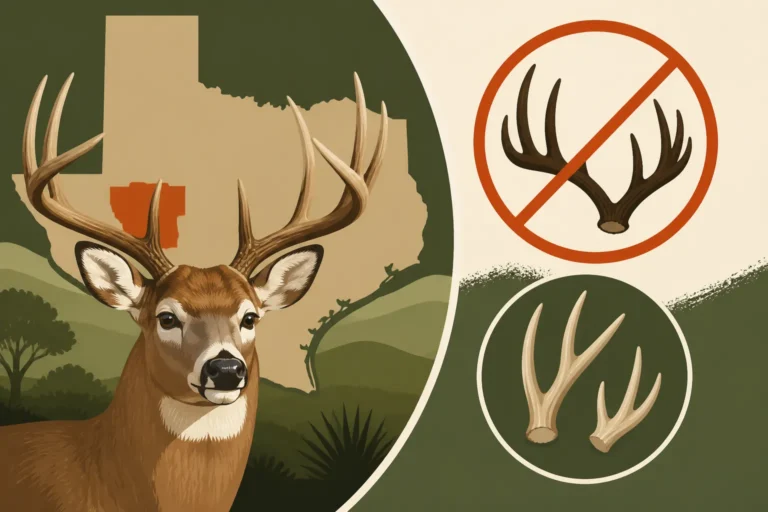
| Antler Restrictions | None | Yes, 13-inch rule in many counties for bucks |
| Hunting License Required? | Yes, a valid Texas hunting license is always required | Yes, a valid Texas hunting license is always required |
| Tagging Required? | No, state tags are not issued for Nilgai | Yes, specific tags must be used for harvested deer |
| Harvest Reporting? | No, not required to report to TPWD | Yes, required for deer in specific counties (e.g., via My Texas Hunt Harvest) |
| CWD Zones Applicable? | No, not a cervid species | Yes, CWD regulations apply in affected zones for carcass movement |
| Primary Hunting Areas | South Texas brush country (e.g., King Ranch vicinity) | Statewide |
This table really highlights how distinct Nilgai hunting is from traditional deer hunting in Texas.
Best Gear for Nilgai Hunting
Given the size and resilience of Nilgai, your gear choices are important. While specific brands aren't mandated, considering your setup for these animals is key. For rifles, many hunters opt for calibers in the .300 Winchester Magnum, .338 Winchester Magnum, or even larger, ensuring ample kinetic energy. Bullet selection should focus on heavy, bonded, or monolithic bullets designed for deep penetration on large game.
Optics are also critical, especially in the vast South Texas terrain where shots can be long, and spotting animals in thick cover can be challenging. A good rifle scope with clear glass and sufficient magnification is a must. High-quality binoculars and a rangefinder are also invaluable for glassing and accurately judging distance, as discussed in "Best Hunting Optics for Texas: Scopes, Binos & Rangefinders". Don't forget durable clothing for navigating thorny brush, and comfortable, snake-proof boots for safety. While not a gear recommendation, choosing a reputable outfitter is often the best "gear" for a successful Nilgai hunt, as explored in "Nilgai Hunting in Texas: Cost & Where". Ultimately, preparing for the hunt means preparing for a truly unique and challenging experience.
Disclaimer
Please remember that hunting regulations can change. While this guide provides the most up-to-date information for 2026 based on current understanding, it is always your responsibility to consult the official Texas Parks and Wildlife Department Outdoor Annual or website for the most current and complete regulations before engaging in any hunting activities. Local conditions, specific ranch rules, and federal regulations (especially on public lands) may also apply.