How to Hunt Axis Deer in Texas
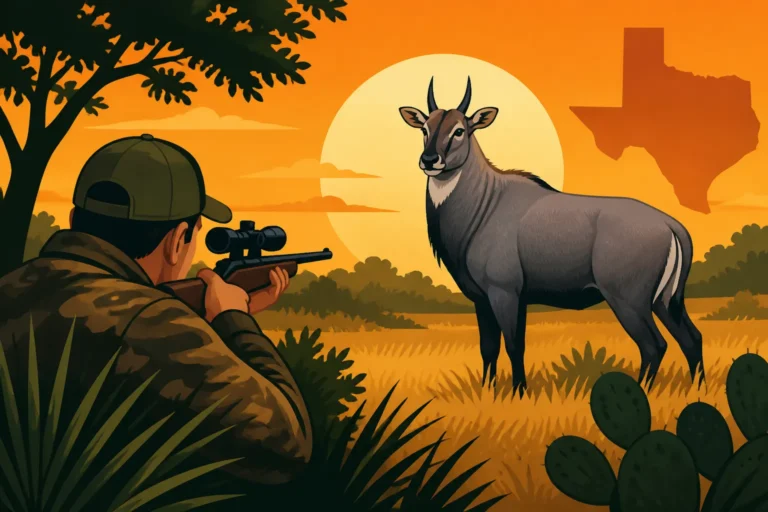
Hunting Axis deer in Texas presents a unique and thrilling challenge, primarily because these wary exotics don't follow the typical seasonal patterns of native game, often frustrating hunters accustomed to predictable routines. Finding and successfully harvesting an Axis can be tough, requiring different tactics than those you'd use for whitetail. This comprehensive guide will equip you with the knowledge and strategies you need to effectively hunt Axis deer across the diverse landscapes of Texas.
Understanding Axis Deer Behavior in Texas
Before you even think about stepping into the field, truly understanding the Axis deer you're pursuing is paramount. They're not whitetails, and their behavior patterns often throw even seasoned Texas hunters for a loop. Their origins in the Indian subcontinent mean they've adapted to a different set of environmental cues, making them a fascinating and sometimes perplexing quarry.
Axis Deer Diet and Habitat Preferences
Axis deer, also known as Chital, are primarily grazers, a key distinction from the more browse-oriented whitetail. They thrive on lush grasses and forbs, readily adapting to the abundant forage found in many parts of Texas. While they will eat some browse, their preference leans heavily towards grassy areas. This means you'll often find them in open pastures, along river bottoms, or in areas with a good mix of woodlands and fields where they can graze and quickly retreat to cover.
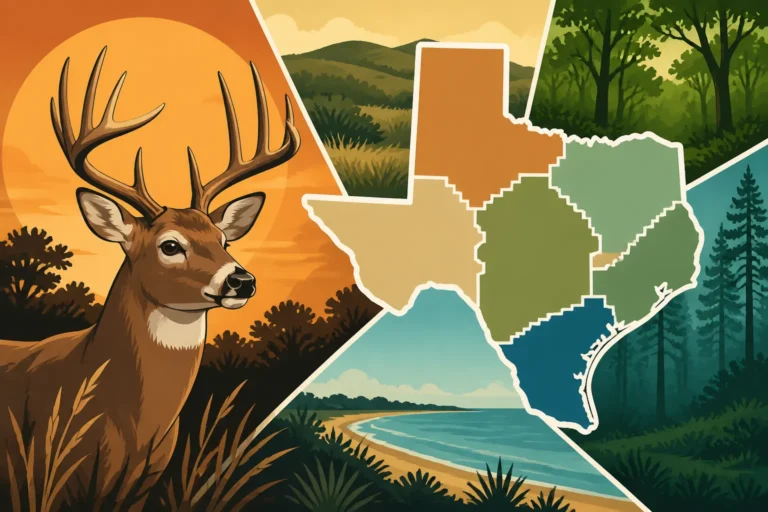
Their ideal habitat in Texas mirrors their native environment: areas with a good supply of water, dense thermal cover for bedding during the hotter parts of the day, and open grazing areas. The Texas Hill Country, with its rolling terrain, Live Oak mottes, and plentiful spring-fed creeks, provides excellent habitat. You’ll also find them flourishing in parts of South Texas and even some areas of the Edwards Plateau. Unlike many native species that might suffer during droughts, Axis are remarkably resilient, often maintaining good body condition even when native deer struggle, a testament to their adaptability and efficient foraging.
Seasonal Patterns and Rutting Cycles
One of the most defining characteristics of Axis deer is their non-seasonal breeding cycle, which is a game-changer for hunters. While native deer like whitetails have a very specific rut period, Axis can breed year-round. This means you might find hard-horned bucks, bucks in velvet, and fawns all at the same time. This constant reproductive activity can make patterning them tricky, as there isn't one "peak" rut to key in on.
However, many hunters observe a peak in rutting activity during the late spring and early summer months, roughly from May through July, though it’s far from universal. During this time, the characteristic "bugle" or "roar" of a rutting Axis buck can be heard, signaling increased activity as dominant bucks chase does. Even outside this general peak, you might encounter a buck ready to breed any month of the year. This extended rut means that while you can hunt them year-round, understanding individual animal behavior rather than relying on a calendar is crucial. It also makes for excellent off-season hunting opportunities when other big game seasons are closed.
Daily Movement and Activity
Axis deer are generally crepuscular, meaning they are most active during dawn and dusk. This is when they move from their bedding areas to feed in open fields. As the sun climbs, especially during the intense Texas heat, they will often retreat to thick cover to bed down and chew their cud. However, they can be observed moving at any time of day, particularly if disturbed or if weather conditions are mild.
Their group dynamics also play a role in their movements. Axis often travel in herds, with does and fawns forming larger groups, and bachelor groups of bucks also congregating. Solitary mature bucks are less common but certainly exist. When you spot one Axis, chances are there are more nearby. Observing a herd's movement patterns, their entry and exit points from cover, and their preferred feeding grounds is essential for successful hunting. Understanding these routines, coupled with paying close attention to wind direction, will significantly increase your chances of intercepting them.
Essential Hunting Strategies for Axis Deer
Hunting Axis deer successfully demands a blend of patience, observation, and adaptability. These animals are notoriously spooky, possessing keen eyesight and an acute sense of smell, making a strategic approach absolutely necessary. Forget your typical whitetail strategies; Axis often require a different playbook.
Spot-and-Stalk Techniques
For many, Spot-and-Stalk Hunting in Texas (Exotics & Mule Deer) is the ultimate way to hunt Axis deer, especially in the more open, rolling terrain of the Hill Country. This method relies heavily on high-quality optics and a willingness to cover ground. You'll spend hours glassing vast areas, systematically searching for feeding or bedding deer. Once an animal is spotted, the real challenge begins: planning and executing a flawless stalk.
The key to a successful spot-and-stalk is using the terrain to your advantage. Identify natural cover – draws, creek beds, dense brush lines – that will conceal your approach. Always pay close attention to the wind, as an Axis deer's nose is incredibly sensitive. A subtle shift in wind can blow your entire stalk. Patience is paramount; a stalk might take hours, crawling on hands and knees through prickly pear and thick brush. It’s physically demanding but incredibly rewarding when you finally close the distance for a shot. Look for animals feeding or bedded in areas where you can approach undetected, and be prepared to back out and try again if conditions aren't right.
Stand Hunting Near Water or Feed
While spot-and-stalk is thrilling, stand hunting from a blind can be highly effective for Axis deer, particularly on properties where their movements are patterned around food or water sources. Axis are creatures of habit and will often visit reliable water sources, especially during dry periods, or frequent protein or corn feeders if they are present and legal in your hunting area.
Setting up a comfortable box blind or a well-concealed ground blind overlooking a waterhole or a feeder can yield excellent results. However, simply placing a blind isn't enough. You need to scout thoroughly to determine their travel corridors to and from these spots. Consider the sun's position to avoid being silhouetted and minimize shadows, and always manage your scent diligently. Axis are quick to detect anything out of the ordinary, so a blind that blends into the environment and is established well in advance is crucial. Remember, the Texas heat means water sources are often magnets for all wildlife, so consider these high-traffic areas carefully. For insights into strategic setups, you might find Best Deer Feeder Setup for Texas helpful, even though Axis aren't native deer, their behavior around supplemental feed can be similar.
Bowhunting Considerations for Axis Deer
Bowhunting Axis deer presents a formidable challenge, elevating the excitement and difficulty. Their exceptional senses and quick reflexes make getting within ethical bow range a true test of a hunter's skill and patience. Shot placement is absolutely critical, as Axis deer, especially larger bucks, have a surprisingly tough hide and dense bone structure compared to a whitetail of similar size.
When bowhunting, aim for the vitals: a double lung or heart shot is ideal for a quick, ethical harvest. Avoid shoulder shots unless you are very confident in your arrow's penetration capabilities. A well-placed arrow from a compound bow with sufficient draw weight (60+ lbs) and a sharp, sturdy broadhead (fixed blade or mechanical designed for deep penetration) is essential. Stealth is key; practice your draw from a seated or kneeling position, and ensure your movement is minimal and silent. Since their rut is extended, you might find opportunities throughout the year, but remember that the Texas heat can be a factor, so quick retrieval and Field Dressing & Processing Game in Texas Heat are vital.
Gear and Preparation for Your Axis Hunt
Being properly equipped and prepared can make or break your Axis deer hunt in Texas. From your choice of firearm to how you keep your venison cool, every detail matters when pursuing these magnificent exotics.
Recommended Firearms and Ammunition
When it comes to firearms, Axis deer are robust animals, often weighing more than an average Texas whitetail. While many common deer calibers will suffice, selecting a cartridge with sufficient energy and using quality ammunition is crucial for quick, ethical kills. Calibers like the .270 Winchester, .30-06 Springfield, .308 Winchester, and 7mm Rem Mag are all excellent choices, providing the flat trajectory and stopping power needed. For longer shots often encountered in spot-and-stalk situations, something with a bit more reach might be preferred.
The type of ammunition is just as important as the caliber. Look for bullets designed for controlled expansion and good weight retention. Premium bullets from manufacturers like Hornady, Barnes, or Nosler that hold together and penetrate deep will perform much better on the tough hide and bone of an Axis than a rapidly fragmenting bullet. Practice shooting from various field positions – prone, kneeling, and from shooting sticks – to ensure you're confident in your accuracy before heading out.
Optics and Scouting Tools
High-quality optics are non-negotiable for Axis deer hunting, especially if you plan on spot-and-stalk. A good pair of binoculars (10×42 or 12×50) is your most important scouting tool, allowing you to systematically scan vast areas for deer. A spotting scope can be incredibly useful for evaluating bucks from a distance, determining antler quality, and planning your approach without spooking animals. Don't forget a reliable rangefinder; knowing the exact distance is critical for accurate shot placement, particularly at longer ranges or in challenging terrain. For more on selecting the right tools, check out Best Hunting Optics for Texas: Scopes, Binos & Rangefinders.
Beyond glass, don't underestimate the power of scouting tools. Trail cameras, especially cellular models like those highlighted in Best Cellular Trail Cameras for Texas (2027), can help you pattern Axis movements around feeders, waterholes, or travel corridors when you can't be in the field. Digital mapping apps like onX Hunt or HuntStand are invaluable for understanding terrain, marking sign, and planning your stalks and stand locations. These tools provide a massive advantage in understanding your hunting area and the animals within it.
Field Dressing and Meat Care
Texas heat is a very real concern when hunting Axis deer, as it is with any game animal. Axis venison is widely regarded as some of the finest wild game meat available, but its quality can quickly deteriorate if not handled properly immediately after the harvest. The moment an Axis is down, your priority shifts to cooling the carcass as quickly as possible.
This means prompt field dressing to remove heat-retaining organs. If you're hunting in particularly hot conditions, consider skinning the animal in the field if feasible and immediately getting it into a walk-in cooler or submerging it in ice water. For larger animals, quartering the carcass can facilitate faster cooling and easier transport. Having a large cooler filled with ice ready at camp is essential. For detailed instructions on how to beat the heat, our guide on How to Cool a Deer Fast in Texas Heat offers invaluable tips. The effort you put into proper meat care will be rewarded with delicious venison that your family and friends will rave about.
Legalities and Best Practices for Axis Deer Hunting in Texas
Hunting Axis deer in Texas comes with a unique set of regulations and ethical considerations due to their status as an exotic species. Understanding these nuances is crucial for a lawful and responsible hunt.
Licenses and Regulations
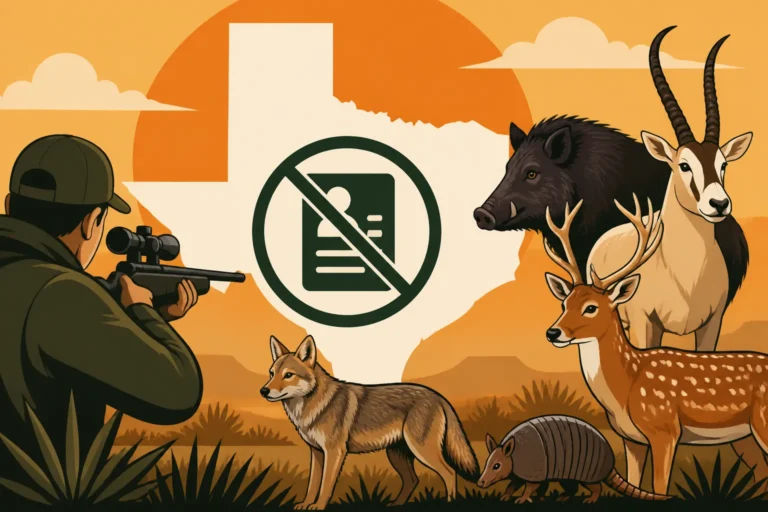
One of the significant advantages of hunting Axis deer in Texas is their designation as a non-native, exotic species. This classification means they are largely unregulated by the Texas Parks and Wildlife Department (TPWD) on private land. Unlike native game, there is no closed season for Axis deer, no specific bag limit, and no antler restrictions. You can hunt them year-round, day or night, and with virtually any legal hunting method, as long as you have the landowner's permission and hold a valid Texas hunting license.
However, a general hunting license is still required to hunt any animal in Texas, even exotics. So, before you head out, make sure you have your Texas Hunting License: Cost, Types & How to Buy (2026). It’s also wise to double-check any local county ordinances or specific rules imposed by the landowner or outfitter you're hunting with, as these might add additional restrictions. Keep in mind that while state regulations are minimal for Axis, respecting property lines and understanding where you are hunting is always paramount.
Ethical Hunting and Conservation
While Axis deer are not native and often managed more like livestock on private ranches, ethical hunting practices remain a cornerstone of the sport. This means taking responsible shots, understanding your effective range, and ensuring a quick, humane harvest. Just because there isn't a strict regulation doesn't mean you should abandon your personal hunting ethics. A clean kill is always the goal.
Conservation also plays a role. While Axis populations are thriving in Texas, responsible herd management on private lands helps ensure their continued health and provides quality hunting opportunities for years to come. This might involve selective harvesting based on age class or antler quality, depending on the specific goals of the landowner or outfitter. Always prioritize the animal's welfare and strive to be a responsible steward of the wildlife you pursue.
Finding Axis Deer Hunting Opportunities
Given their widespread presence and unregulated status, finding Axis deer hunting opportunities in Texas is relatively straightforward, although options vary in price and style. The most common avenues are through private ranch hunts, often facilitated by outfitters, or through hunting leases. Many ranches in the Hill Country and South Texas offer guided or semi-guided Exotic Hunting in Texas: Axis, Aoudad, Blackbuck & More packages.
You can also find Axis on some Hunting Leases in Texas: Complete Guide (Cost & How to Find), either as part of a general deer lease or specifically targeted for exotics. Many outfitters offer Day Hunts in Texas: What They Cost for Axis, which can be a great way to experience this exciting hunt without the commitment of a full lease. When researching opportunities, consider whether you prefer a free-range or high-fence experience; both offer unique challenges and benefits, as detailed in Axis Deer Hunting in Texas (Free-Range vs High-Fence). Talk to outfitters, read reviews, and ask plenty of questions to find the right Axis hunting adventure for you.
| Hunting Method | Pros | Cons | Ideal Conditions |
|---|---|---|---|
| Spot-and-Stalk | Highly engaging, active, thrilling | Physically demanding, requires patience, good optics | Open to moderately thick terrain, good visibility |
| Stand Hunting | Less physically demanding, can pattern movements | Requires patience, scent control crucial, static | Near water sources, feeders, or known travel corridors |
| Bowhunting | Ultimate challenge, close-range action | Extremely difficult, critical shot placement | From elevated stands or blinds, ambush points, stealth |
| Thermal/Night | Year-round, highly effective for large herds | Specialized gear required, can be expensive | Open fields, during warmer months, under moonlight |
Disclaimer
Hunting involves inherent risks, and regulations can change. Always consult the most current Texas Parks and Wildlife Department Outdoor Annual and landowner rules before engaging in any hunting activity. Safety should always be your top priority.