Best Time to Hunt Aoudad Sheep in Texas
Trying to figure out the absolute best time to hunt Aoudad sheep in the vast, rugged landscapes of Texas can feel like trying to catch smoke. These incredible animals are known for their resilience and elusive nature, making it a challenge to pin down their prime activity periods. If you've been wondering when to plan your trip to maximize your chances, you're in the right place. This comprehensive guide will break down the seasonal patterns, daily habits, and environmental factors that influence Aoudad movement and help you pinpoint the ideal window for your next hunt.
Understanding Aoudad Behavior and Peak Activity in Texas
Before we even talk about specific dates on a calendar, it's crucial to understand what makes an Aoudad tick. These aren't your typical whitetail deer that stick to predictable patterns around feeders. Aoudad, or Barbary sheep, are built for survival in some of the most unforgiving environments, and their behavior directly reflects that. Knowing their daily and seasonal routines is your first step toward figuring out the best time to intercept one.
The Desert Dweller's Daily Routine
Aoudad sheep are creatures of habit, but those habits are dictated heavily by their environment, particularly the extreme Texas heat. Unlike many other game animals, they spend a lot of time perched in high, rocky areas, using their incredible eyesight to spot danger from afar. This means they often stick to the more remote, rugged parts of the Trans-Pecos region, where suitable terrain exists.
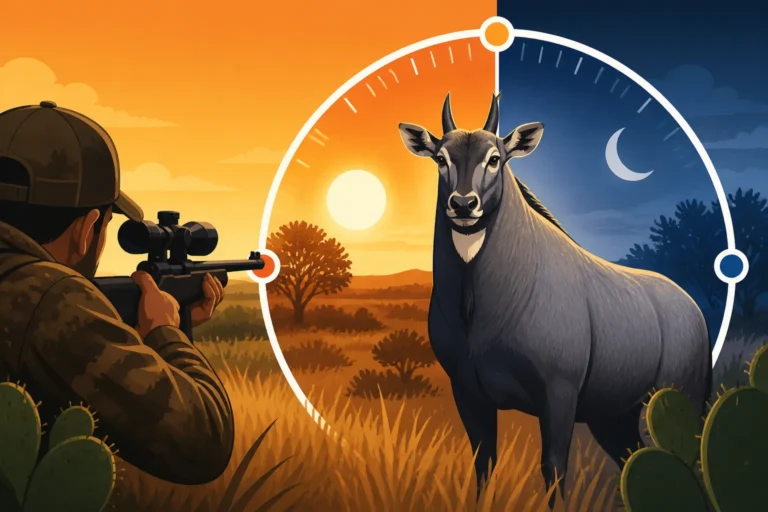
During the scorching Texas summers, Aoudad are predominantly crepuscular, meaning they are most active during the cooler parts of the day: dawn and dusk. This is when they move from their sheltered bedding areas to forage for food and seek water. As the sun climbs higher, they typically retreat to shady ledges, caves, or thickets where they can conserve energy and stay out of the direct sun. You might see them feeding on various grasses, forbs, and even prickly pear cactus, which provides both nutrition and moisture. Identifying these routes between bedding and feeding areas is key, and it often involves a lot of glassing from distant vantage points.
Seasonal Movements and Habitat Preferences
Aoudad are remarkably adaptable, and their movements across the landscape can shift with the seasons, largely driven by temperature and forage availability. In the cooler months, they tend to be more active throughout the day, spending more time foraging and moving between different elevations. This is a huge advantage for hunters, as it extends your window of opportunity. During spring and summer, they might move to higher elevations or seek out areas with more persistent shade and water sources.
Their preferred habitat in Texas is primarily the rugged, arid mountains and canyons of West Texas, such as the Davis Mountains, the Chisos Mountains within Big Bend National Park (though hunting is not allowed there), and the diverse terrain found around the Black Gap WMA. They thrive in areas with steep, rocky cliffs, sparse vegetation, and plenty of places to escape danger. If you're looking for an aoudad sheep hunting in Texas, this type of terrain is where you'll find them. They use the broken country to their advantage, disappearing into the rocks with surprising speed and blending in almost perfectly.
Best Time of Year: The Aoudad Rut and Cooler Months
When it comes to the "best" time, most hunters immediately think of the rut. And while the Aoudad rut certainly presents opportunities, it's not as clear-cut as with whitetail deer. For Aoudad in Texas, a combination of the rut and cooler weather generally creates the most favorable hunting conditions.
Pinpointing the Aoudad Rut in Texas
Now, let's talk about the rut – the holy grail for many hunters. Unlike the relatively predictable whitetail rut, the Aoudad rut in Texas can be a bit more drawn out and less defined, often appearing as a prolonged breeding period rather than a distinct peak. Generally, you'll find increased rutting activity from late summer through late fall and into early winter, roughly September through December. However, it's not uncommon to see some breeding activity at other times of the year, especially in well-managed populations with healthy sheep.
During this period, rams become more aggressive and less cautious as they compete for ewes. You might witness spectacular displays of rams butting heads, chasing ewes, and marking their territory. They'll cover more ground and sometimes appear in areas they wouldn't normally frequent, driven by the urge to breed. This increased movement and lowered guard can create excellent opportunities for hunters. Listening for the sounds of rams clashing or their guttural grunts can sometimes help you locate them. While it's harder to predict a specific "peak week" like with deer, focusing on the late fall months gives you a good chance of encountering rutting behavior. Learning to identify these behaviors can be a game-changer for your success.
Advantages of Hunting in Cooler Weather
Beyond the rut, the simple fact is that cooler weather significantly improves your Aoudad hunting experience and success rate. The months from October through February are generally considered prime. Why? Let's break it down:
- Increased Aoudad Activity: When temperatures drop, Aoudad don't need to spend as much time conserving energy in the shade. They become more active throughout the day, increasing their feeding times and general movement. This means they are visible for longer periods, giving you more opportunities to spot and stalk. You might catch them grazing on open slopes mid-morning or mid-afternoon, which would be unheard of in July.
- Hunter Comfort and Endurance: Let's be real, Texas heat can be brutal. Spot-and-stalk hunting for Aoudad demands incredible physical endurance, often involving strenuous hikes up and down steep terrain. Trying to do that in 100-degree heat is not only miserable but potentially dangerous. Cooler temperatures make the physical demands much more manageable, allowing you to cover more ground and stay in the field longer. Plus, it makes field dressing and processing game in Texas heat far less stressful.
- Better Scent Tracking: While not as critical as for some other species, cooler, moister air can sometimes help with scent tracking if you're trying to follow a trail or if an Aoudad has been in an area recently. More importantly, cooler conditions mean less sweat and body odor for the hunter, making it easier to remain undetected.
- Clearer Visibility: Less heat haze can sometimes lead to clearer glassing conditions, especially when you're trying to pick out a brown sheep against a brown mountain from a mile away. Good optics are crucial for this type of hunting. If you're considering the Best optics for hunting exotics in Texas, pay close attention to clarity and magnification.
Therefore, while the rut offers unique chances, the overall advantages of hunting in the cooler autumn and winter months make them the hands-down best time to plan your Aoudad adventure.
Optimal Time of Day: Early Morning and Late Evening Stalks
Just like most big game, Aoudad activity ebbs and flows throughout the day, primarily influenced by light and temperature. To maximize your chances, you need to understand these daily rhythms and plan your approach accordingly.
Capitalizing on Low Light Conditions
Without a doubt, the first few hours after dawn and the last few hours before dusk are your golden windows for Aoudad hunting. This is when these sheep are most likely to be on the move, transitioning between their nocturnal feeding grounds and daytime bedding areas.
As the sun begins to lighten the sky, Aoudad will often be found grazing on open hillsides or slowly making their way up to their preferred high-elevation bedding spots. Similarly, in the late afternoon, they'll begin their descent from those secure resting places to feed into the evening. This crepuscular activity is when their movements are most predictable and when they are often most exposed. This is the time when your long-range glassing skills truly shine. You need to be in a position to glass vast expanses of terrain, patiently picking apart every rock, shadow, and clump of brush. A good spotting scope and quality binoculars are absolutely non-negotiable for this type of hunting. When you finally spot a ram, the low light can also provide a small advantage in breaking up your silhouette as you execute a spot-and-stalk hunt.
Mid-Day Challenges and Strategies
The middle of the day, particularly from late morning through mid-afternoon, presents the toughest challenge for Aoudad hunters. This is typically when the sheep are bedded down in thick cover, on steep ledges, or within the cool confines of canyons and caves. Their primary goal during these hours is to rest, digest, and escape the heat and direct sun. You'll rarely see them moving much, which means a traditional spot-and-stalk becomes incredibly difficult, if not impossible.
However, "difficult" doesn't mean "impossible." Here are a few strategies for the mid-day hours:
- Focus on Glassing Bedding Areas: Instead of looking for moving animals, focus your optics on likely bedding areas. Scan shady slopes, dense pockets of brush, and rock overhangs where an Aoudad might be catching some Zs. A ram's horizontal back or curved horns might be the only thing visible against the vertical lines of the mountain. Patience is your best friend here.
- Slow, Deliberate Stalks: If you manage to locate a bedded ram, this is when the true test begins. A mid-day stalk will be slow, deliberate, and incredibly taxing. The wind becomes even more critical, as does every step you take. You'll need to use every piece of natural cover to your advantage, moving only when the ram isn't looking (if you can even tell from a distance). This is where physical conditioning and mental fortitude really come into play.
- Re-evaluating and Repositioning: Sometimes, the best mid-day strategy is to use this time to eat, rehydrate, and reposition yourself for the evening hunt. If you've spent the morning working a ridge and it didn't pan out, use the mid-day lull to move to a new vantage point that offers a fresh perspective on a different drainage or mountain face. This lets you capitalize on the evening movement without being caught flat-footed.
Factors Influencing Aoudad Activity Beyond Season
While the time of year and time of day are crucial, Aoudad activity isn't just a clockwork operation. Several other environmental factors can dramatically influence their behavior, and a smart hunter pays attention to every detail.
The Impact of Weather: Temperature, Wind, and Rain
The weather in Texas, especially in the remote Trans-Pecos, is a force to be reckoned with, and Aoudad have adapted perfectly to it. Understanding how different weather conditions affect them can help you adjust your tactics on the fly.
- Temperature: We've already touched on this, but it bears repeating: extreme heat shuts Aoudad down. Think of it this way – if you're miserable hiking in 90-degree heat, imagine how a heavily muscled sheep with a thick coat feels. They will seek shade and remain inactive. This is why the cooler months are so vital. Conversely, surprisingly cold snaps can make them more active, as they need to forage more to maintain body temperature.
- Wind: Wind is a double-edged sword. On one hand, Aoudad often use the wind to their advantage, bedding in spots where the wind carries scents from potential threats uphill, while they watch downhill. This gives them a fantastic defensive perimeter. Hunters need to be hyper-aware of wind direction during any stalk, as their keen sense of smell is a primary defense. A sudden shift in wind can blow your cover instantly. On the other hand, strong winds can make Aoudad nervous and keep them tucked into more sheltered areas, making them harder to spot. Light, consistent breezes are often ideal, as they can help mask your sound while providing a predictable scent path.
- Rain: Aoudad aren't big fans of heavy downpours, but light rain or the aftermath of a storm can sometimes increase their activity. The cooler temperatures and refreshed vegetation can spur them to move and feed. Also, a wet landscape might make your footfalls quieter, offering a slight advantage during a stalk. However, be cautious of slick rocks and reduced visibility during actual rain.
Hunter Pressure and Disturbance
Aoudad are incredibly wary animals. They've earned their reputation as "ghosts of the mountains" for a reason. If an area experiences significant hunter pressure or other human disturbance, these sheep will quickly adapt by becoming even more reclusive, nocturnal, or by simply vacating the area for quieter pastures. This is especially true on public lands or easily accessible private land.
- Increased Wariness: In areas with higher hunting pressure, Aoudad develop an even keener sense of detection. They'll be quicker to flee at the first sign of danger, and might not offer a second chance. This means every aspect of your hunt – from your scent control to your movement – needs to be absolutely dialed in. They might only appear in the deepest, most rugged canyons, making the hunt even more physically demanding.
- Nocturnal Habits: While Aoudad are primarily diurnal, consistent daytime pressure can push them into more nocturnal feeding patterns. This makes them incredibly challenging to hunt legally during daylight hours. This is where scouting extensively becomes paramount. Using trail cameras, if permitted, can help you pattern their movements without disturbing them directly. Knowing How to Scout for Deer Before Season in Texas applies equally to Aoudad, as understanding their movements and patterns without being present is invaluable.
- Finding Unpressured Areas: The key to successful Aoudad hunting, especially on public land like the Black Gap WMA, is often finding areas that receive less pressure. This usually means hiking further, going deeper into the backcountry, and exploring terrain that deters less determined hunters. The more remote and arduous the terrain, the higher your chances of finding undisturbed Aoudad. Outfitters who manage vast tracts of land often control hunter access, leading to more predictable Aoudad behavior.
No matter the season or time of day, remember that hunting Aoudad is an intense physical and mental challenge. Gear like a reliable Best Hunting Backpack for Texas and durable boots are essential for traversing their home turf.
Here's a quick summary table to help you plan:
| Factor | Optimal Condition | Impact on Aoudad Activity | Hunter Considerations |
|---|---|---|---|
| Time of Year | October – February (Cooler) | More active throughout the day, extended feeding. | Better hunter comfort, more visible sheep, less heat stress on game. |
| September – December (Rut) | Rams more active, aggressive, and less cautious. | Increased chance of encountering rams, but rut can be unpredictable. | |
| Time of Day | Dawn & Dusk | Highest movement between bedding and feeding areas. | Prime glassing and stalking windows, capitalize on low light. |
| Mid-day (Late Morning/Afternoon) | Bedded down, seeking shade/cover, minimal movement. | Focus on glassing bedding areas, slow & deliberate stalks, reposition. | |
| Temperature | Cooler (Below 70°F) | Increases activity, less need for shade. | Easier on hunter, longer periods of Aoudad visibility. |
| Hot (Above 85°F) | Reduces activity, sheep seek heavy shade, often nocturnal. | Challenging for hunter, very limited Aoudad movement. | |
| Wind | Light to Moderate (Consistent) | Used for security; can mask hunter's sound. | Plan stalks meticulously, play the wind, be aware of shifts. |
| Rain | Light Rain/Post-Rain | Can increase activity due to cooler temps & fresh forage. | Quieter movement for hunter, but watch for slick terrain. |
| Pressure | Low Hunter Pressure | Aoudad maintain more natural, diurnal patterns. | Seek remote areas, minimize disturbance, extensive scouting. |
Ultimately, finding the Best hunting method for Aoudad sheep in Texas involves blending knowledge of their behavior with keen observation and persistence. It's not just about showing up when the rut is supposedly happening, but understanding the intricate dance between the animal, its environment, and your own capabilities.
Disclaimer
Please remember that hunting regulations, seasons, and licensing requirements can change. Always consult the most current Texas Parks and Wildlife Department (TPWD) Outdoor Annual or their official website before planning any hunting trip. This guide is for informational purposes only and should not be considered a substitute for official regulations.