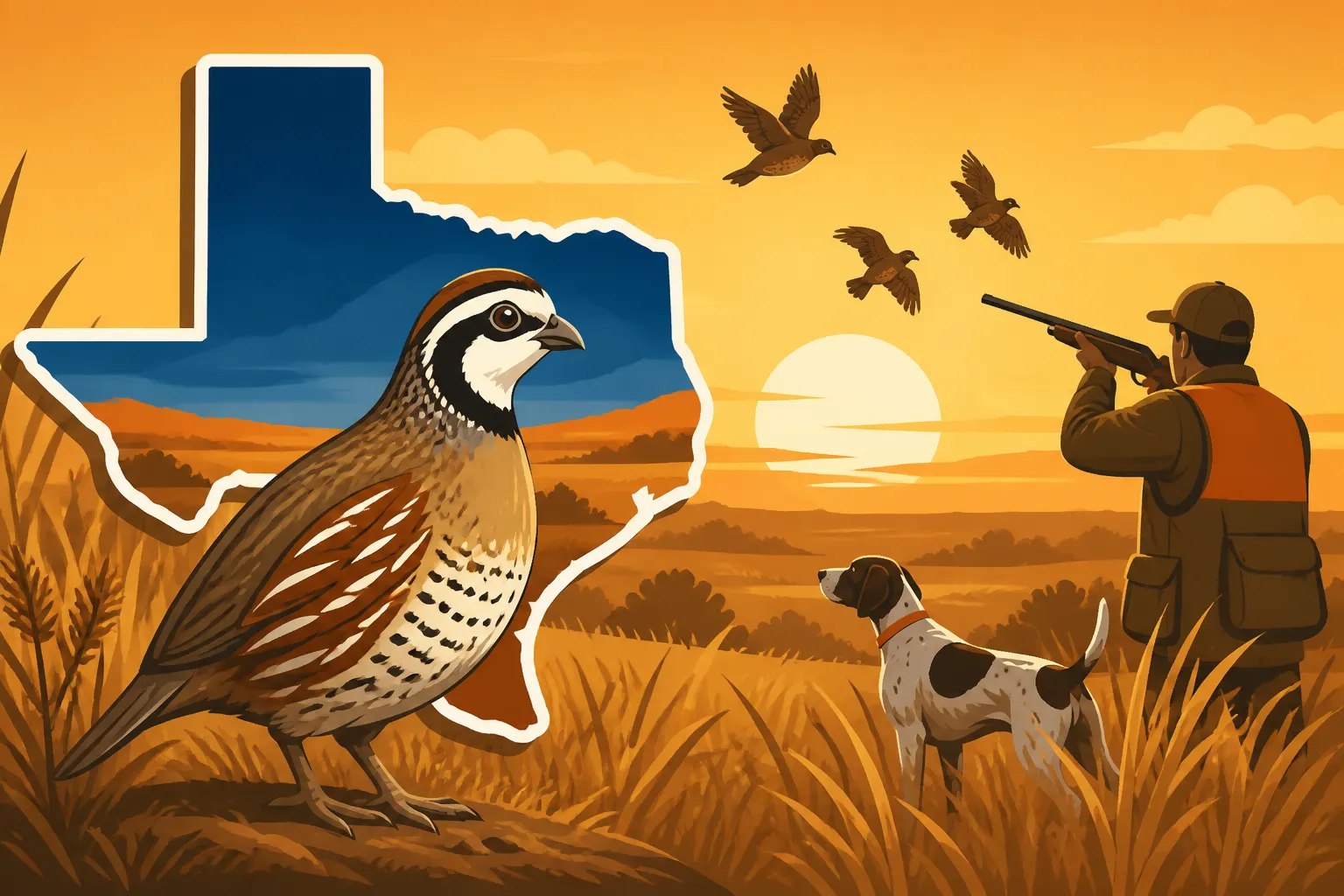
Best Time to Hunt Bobwhite Quail in Texas
If you've ever spent a crisp Texas morning trudging through briar patches, hoping to hear that familiar "bob-white" whistle, only to come up empty-handed, you know the frustration. Bobwhite quail are notoriously elusive, and knowing the absolute best time to hunt them in Texas can feel like a secret only the seasoned pros know. Well, consider this your insider's guide to cracking that code and maximizing your chances for a successful hunt, moving beyond just dates on a calendar to understanding the rhythm of these incredible birds.
Understanding the Bobwhite Quail Lifecycle and Behavior
Before we even talk about loading up your shotgun, it’s critical to understand the bobwhite quail themselves. These aren't just random targets; they're intelligent, resilient birds whose behavior is intricately linked to the seasons, weather, and habitat. Their entire year revolves around survival and reproduction, and recognizing these patterns is the first step to becoming a more effective hunter.
Breeding and Rearing Seasons
Spring and summer are prime time for bobwhite quail to do their thing – breeding, nesting, and raising their young. This period typically spans from April through August, sometimes even into September if conditions are right. Hens will lay clutches of eggs, often several times throughout the spring and summer if earlier nests fail, a strategy known as "re-nesting." Young quail, or chicks, are incredibly vulnerable during this time, relying heavily on dense cover and abundant insects for protein.
This is a crucial time for population recovery and growth, especially after a harsh winter or drought. Successful breeding seasons mean more birds come fall, but unfavorable conditions can devastate numbers. As hunters, it's our responsibility to recognize that hunting during this period would be detrimental to the population. Conservation efforts focus on protecting this cycle, ensuring future generations of quail. You certainly wouldn’t be hunting now, but understanding this foundation helps you appreciate the birds you're pursuing later in the year.
Fall Shuffle and Covey Formation
As summer wanes and temperatures start to drop in late August and September, a fascinating shift occurs in the quail world: the "fall shuffle." Young birds are fully grown and independent, and family groups begin to merge and consolidate, forming larger coveys. This is less about finding a mate and more about survival. A larger group provides more eyes and ears for predators, and huddling together can help conserve warmth on chilly nights.
During this period, quail might move a bit more, exploring new territories as they solidify their winter habitat. They'll be seeking out areas with good overhead cover from hawks, dense thorny bushes for escape, and reliable food sources. This covey formation is key for hunters because finding one bird often means finding many. The size and location of these coveys can give you vital clues about the health of the local quail population and where to focus your efforts as the season approaches. For a deeper dive into scouting techniques, even if for a different species, some principles carry over from what's discussed in How to Scout for Deer Before Season in Texas.
Winter Survival Strategies
Once the full chill of winter sets in, bobwhite quail are entirely focused on survival. Their primary concerns become finding enough food, staying warm, and avoiding predators. Coveys will typically be tighter and more reluctant to flush, preferring to run and hide in the thickest cover available. They rely on a mosaic of habitats, needing open areas for foraging (seeds, insects) and dense, protective cover like shinnery oak, mesquite thickets, and briar patches to escape predators and shelter from the elements.
Severe weather, like prolonged freezes or heavy rains, can be incredibly tough on quail. They might huddle in dense brush during the day, only venturing out for short feeding forays during warmer parts of the day. This behavior makes them both more challenging to find but also potentially more predictable once you understand their needs. Understanding their survival instincts helps you approach your hunt with respect and a better chance of success.
Optimal Seasons and Weather Conditions for Bobwhite Quail Hunting
Now that we've covered the basics of bobwhite behavior, let's get down to the brass tacks: when is the best window to actually hunt these incredible birds? Texas offers a generous quail season, but not all days within that season are created equal. The ideal timing often comes down to a blend of the calendar and the specific conditions Mother Nature throws at us.
Early Season Challenges and Rewards
Texas's bobwhite quail season usually kicks off around late October or early November. The early season can be a mixed bag, to be honest. On one hand, you might find coveys that haven't been pressured much, making them a little more naive. The vegetation can still be quite thick in many areas, though, especially if it's been a wet fall, which can make it incredibly tough for dogs to scent birds and for hunters to push through. Warm weather can also be a challenge, both for hunter comfort and for canine performance, as dogs can overheat quickly.
However, if you're eager to get out, the early season can be rewarding. It's fantastic for conditioning your bird dogs, shaking off the rust, and getting a feel for the land. You might encounter smaller coveys, as they're still in the process of fully consolidating after the fall shuffle. Expect to cover a lot of ground, and be prepared for warmer temperatures and potentially less predictable bird behavior. It’s a good time for a low-pressure hunt, focusing more on the experience and less on filling a limit.
Mid-Season Peak Performance
Hands down, the sweet spot for bobwhite quail hunting in Texas typically falls from mid-December through January. This is when things really start to click. By this point, most coveys have fully formed and settled into their winter patterns. The weather is usually cooler, often with crisp mornings and mild afternoons, which is perfect for both hunters and their dogs. Cooler temperatures mean dogs can work longer and harder, and scenting conditions are generally much better, making it easier for them to pinpoint birds.
Furthermore, deciduous vegetation has usually dropped its leaves by now, making the cover a little less impenetrable, allowing for clearer shooting lanes and easier navigation. Quail are more focused on consistent feeding patterns, which can make them more predictable. A strong cold front that pushes through can often concentrate birds even further into the densest thermal cover, offering prime hunting opportunities once the front passes and they emerge to feed. This mid-season period represents the highest likelihood of encountering multiple, robust coveys and experiencing those classic explosive flushes. You can find the specific dates for the season in the Texas Quail Season Dates & Limit guide, but mark those winter months on your calendar as prime time.
Late Season Grinds
As February rolls around and the season draws to a close, late-season quail hunting can be a real test of grit and skill. The surviving birds have been hunted for months, making them incredibly wary and "wild." They've learned to run, hide, and flush strategically, often taking off at the slightest hint of danger. Coveys might be smaller, having experienced natural predation and hunting pressure.
The vegetation can also be at its thinnest, which means birds have fewer places to hide, but also makes them more exposed to predators. While challenging, late-season hunting can be incredibly rewarding. Bagging a covey now feels like a true accomplishment. It forces you to refine your tactics, work closely with your dogs, and truly understand the land. Just remember to be mindful of the population and avoid over-pressuring any specific covey, as these birds are the breeding stock for the next year.
Impact of Weather
Weather plays an enormous role in quail hunting success, sometimes more so than the calendar date itself.
- Cold Fronts: As mentioned, a strong cold front pushing through can be a game-changer. The day before a front, birds might feed heavily, and the day after a front, they'll often be concentrated in thick cover, emerging to feed once temperatures moderate slightly. These are prime windows.
- Rain and Dew: Light rain or heavy dew can improve scenting conditions for your dogs, making it easier for them to track and locate coveys. However, heavy, prolonged rain can send birds deep into cover, making them almost impossible to find.
- Drought: Dry conditions are notoriously tough for quail hunting. Scenting is poor, birds are often scattered in search of water and food, and they'll be very "birdy" – running more than holding for a point.
- Temperature Extremes: Very hot or extremely cold conditions are hard on both dogs and birds. On hot days, plan for shorter hunts and bring plenty of water. On frigid days, birds will stick to heavy thermal cover.
Here’s a quick overview of seasonal considerations:
| Season Phase | Typical Dates (Approx.) | Weather Considerations | Quail Behavior | Hunting Approach |
|---|---|---|---|---|
| Early Season | Late Oct – Nov | Mild to warm, potentially thick cover | Consolidating coveys, less pressured | Good for dog training, cover a lot of ground |
| Mid-Season (Peak) | Mid-Dec – Jan | Cooler, often crisp; good scenting | Established coveys, predictable patterns | Prime time, focus on known habitat, post-front hunts |
| Late Season | Feb | Colder, sparse cover | Wary birds, smaller coveys, educated runners | Challenging, requires patience and refined tactics |
Best Times of Day and Tactical Approaches
Beyond the season, the time of day you hit the field can significantly influence your success. Bobwhite quail have daily routines influenced by feeding, roosting, and avoiding predators. Understanding these patterns allows you to be in the right place at the right time.
Early Morning Success
There's a reason why so many hunters swear by the first few hours of daylight for quail. As the sun begins to rise, quail will typically move off their night roosts, often in dense cover, and begin foraging for food. The air is cool, and crucially, any dew on the ground significantly enhances scenting conditions for your bird dogs. This makes it much easier for them to pick up the lingering scent of a covey that has just moved through or is actively feeding.
Focus your efforts on transition areas where roosting cover meets feeding habitat, such as the edges of dense brush lines, cultivated fields, or creek bottoms. Birds will often be out in the more open areas, dusting or feeding, before retreating to heavier cover as the day progresses. The early morning provides a prime window to catch them active and, hopefully, holding tight for a good point.
Midday Lull and Afternoon Push
As the sun climbs higher and temperatures rise, especially in the mild Texas winter, quail often enter a "midday lull." They'll typically move from their morning feeding areas into denser, shadier cover to escape the heat, predators, and to simply rest. This can be the toughest time to find birds, as they're hunkered down and less active. You might find them in the middle of a thick thorny patch or under the canopy of a sprawling mesquite.
Don't give up entirely, though! This is when you might need to hunt thicker, nastier cover that you might have skirted in the morning. As the afternoon progresses, particularly in the last two to three hours before sunset, quail will become active again. They'll venture out for another feeding period before flying to their night roosts. This afternoon push offers a second excellent opportunity to find birds. Look for them in similar spots as the morning, focusing on those edges and feeding areas where they'll fill up before settling down for the night. This is also a good time to reconsider where you might set up if you're exploring Dove Field Setup: Where to Stand for future hunts, as those feeding patterns share some similarities.
Hunting with Dogs: An Absolute Must
Let's be unequivocally clear: successful bobwhite quail hunting in Texas without good bird dogs is incredibly difficult, if not impossible. These birds are masters of camouflage and hiding. A well-trained pointing dog, like a German Shorthaired Pointer, English Setter, or Brittany Spaniel, is your most valuable asset. The dog's ability to scent a covey, lock up on point, and hold the birds until you can get into position is what makes quail hunting truly special and effective.
Working with dogs requires patience and understanding. Learn to read your dog’s body language, recognize when they’re "birdy," and trust their nose. A good dog will systematically work a field, covering ground you would never effectively search on your own. They can find crippled birds that would otherwise be lost and turn a frustrating day into a memorable one. Don't underestimate the investment in a good dog and their training; it pays dividends every time you step into the field.
Walking Techniques and Cover Identification
Beyond your dog, your own approach to the field matters immensely. Quail prefer walking or running to flushing, especially wary coveys. You need to walk in a manner that encourages birds to hold for your dog, rather than busting them wild.
- Walk deliberately: Don't sprint through the field. A steady, methodical pace allows your dog to work thoroughly and gives birds time to make a decision – either hold tight or run.
- Hunt the edges: Quail are edge creatures. Focus on the transitional zones between different types of cover – where a sparse pasture meets a dense briar patch, or where a cultivated field abuts a wooded fence line. These are often highways for quail.
- Read the cover: Learn to identify "quail cover" – dense, low-growing brush that provides escape from aerial predators, food sources, and protection from ground predators. Mesquite patches, shinnery oak, thorny bushes, and tall native grasses are all prime suspects. Don't be afraid to push into the thick stuff; that's often where the birds are. This is a tactic that also applies to Bobwhite Quail Hunting Tactics for Texas.
Scouting and Preparation Beyond the Clock
Finding the "best time" to hunt quail isn't just about the date on the calendar or the time of day; it's also heavily influenced by the work you put in before you ever load a shell. Quail populations can fluctuate year to year and even within a season, making active scouting and habitat understanding critical.
Pre-Season Scouting and Habitat Checks
The work for a successful quail season starts long before opening day. Ideally, you want to be out in late summer and early fall, well before the hunting pressure begins, to get an accurate picture of what's happening on your lease or hunting property. This is about more than just looking for birds; it's about understanding their world.
- Food Sources: What are the prevalent seed-producing plants? Ragweed, croton (doveweed), sunflowers, and various native grasses are quail favorites. Are they abundant? Did they get enough rain to produce good seed heads?
- Water Availability: While quail can get a lot of moisture from insects and dew, readily available water sources (guzzlers, shallow ponds, even heavy dew) can be a factor, especially in dry years.
- Cover Types: Identify areas with dense, thorny brush for escape cover, taller grasses for nesting and roosting, and open areas for feeding. A good quail habitat is a patchwork of these elements.
- Road Surveys and Listening: Driving ranch roads at dawn or dusk, listening for the distinctive "bob-white" whistle or flushing birds, can give you an initial idea of population density. However, birds can move, so don't rely solely on this. More targeted scouting on foot with a good dog is ideal. This kind of diligent observation can make all the difference, helping you plan your Best Time to Hunt Bobwhite Quail in Texas.
Habitat Management for Quail
If you have control over your hunting land, even a little bit of habitat management can greatly improve your quail numbers and hunting opportunities. Quail populations thrive in diverse, well-managed landscapes.
- Prescribed Burns: Controlled burns are a fantastic tool for quail management in many Texas ecosystems. They reduce dense brush, stimulate new growth of native grasses and forbs (which produce seeds), and create the open understory quail prefer.
- Food Plots: While natural food sources are best, targeted food plots can supplement, especially in lean years. Consider drought-tolerant options like milo, sorghum, or native forbs that offer both food and cover. For more ideas on what works in the Texas climate, you can check out Food Plots in Texas: What Works in the Heat.
- Brush Sculpting: Strategic clearing or manipulation of brush can create beneficial edge habitats and break up monolithic blocks of cover. Creating "brush piles" can provide excellent escape cover.
- Grazing Management: Proper livestock grazing can be beneficial, as light to moderate grazing can prevent grasslands from becoming too rank and dense, opening up the understory for quail movement and foraging. However, overgrazing can destroy critical habitat.
Even without extensive management, simply understanding what makes good quail habitat helps you identify the prime areas to focus your hunting efforts.
Essential Gear for Texas Quail Hunting
While the "best time" is about strategy, having the right gear certainly doesn't hurt. Texas quail hunting means covering a lot of ground, often in challenging terrain, and sometimes dealing with less-than-friendly flora and fauna.
- Shotgun: A lightweight 20-gauge or 28-gauge shotgun is often preferred for quail, as you'll be carrying it all day, and the lighter recoil is appreciated after dozens of shots. Open chokes (Skeet, Improved Cylinder) are ideal for close-flushing birds.
- Ammunition: #7.5 or #8 shot in a field load is standard for bobwhite quail.
- Snake Boots: This is non-negotiable in much of Texas. From rattlesnakes to copperheads, venomous snakes are prevalent, even in cooler weather. Investing in quality snake boots, like those reviewed in Best Snake Boots for Texas Hunting, will save you a lot of worry and potentially a trip to the hospital.
- Orange Vest/Hat: Safety first! Make sure you and everyone in your party wears plenty of blaze orange.
- Water: For you and your dogs. Lots of it. Even in winter, dogs can dehydrate quickly while working hard.
- GPS/Mapping App: An app like onX Hunt can be invaluable for navigating property lines, marking covey finds, and keeping track of where you've hunted.
- Game Vest: To carry your birds comfortably and keep your hands free.
- Dog First Aid Kit: Always have one. Cuts, scrapes, snake bites, foxtails – your dog is exposed to many hazards.
Having the right gear ensures you're prepared for the conditions and can focus on the hunt itself. For a full breakdown of what to bring for your feathered quarry, check out Best Gear for Bobwhite Quail on a Texas Lease.
Disclaimer
Hunting is an inherently dangerous activity. Always prioritize safety, follow all local, state, and federal regulations, and obtain proper licenses and permits. The information provided here is for educational and entertainment purposes only and should not be considered a substitute for professional guidance or official regulations. Always check the latest Texas Parks and Wildlife Department (TPWD) Outdoor Annual for current season dates, bag limits, and specific regulations before heading afield.