Blackbuck Antelope Hunting in Texas: Cost & Where
Hunting for blackbuck antelope in Texas can feel like stepping into a whole different world, blending the rugged appeal of the American West with a touch of the exotic. For many, the idea of chasing these strikingly beautiful animals across the Texas landscape is incredibly exciting, but the big questions always come down to the same things: "Where do I even find them?" and "How much is this going to set me back?" It's understandable to feel a bit overwhelmed trying to navigate the options, from day hunts to multi-day packages, but don't worry—this guide is here to break down everything you need to know about pursuing blackbuck in the Lone Star State, from cost expectations to prime hunting locations.
The Allure of Blackbuck Antelope in Texas
There's something uniquely captivating about blackbuck antelope that draws hunters from all over. They're not your typical whitetail or hog hunt; they offer a distinct challenge and a truly beautiful trophy. Many hunters who've been around the block a few times find themselves eyeing a blackbuck for its majestic horns and striking coat, which darkens dramatically in mature males.
Why Blackbuck Are So Popular Among Hunters
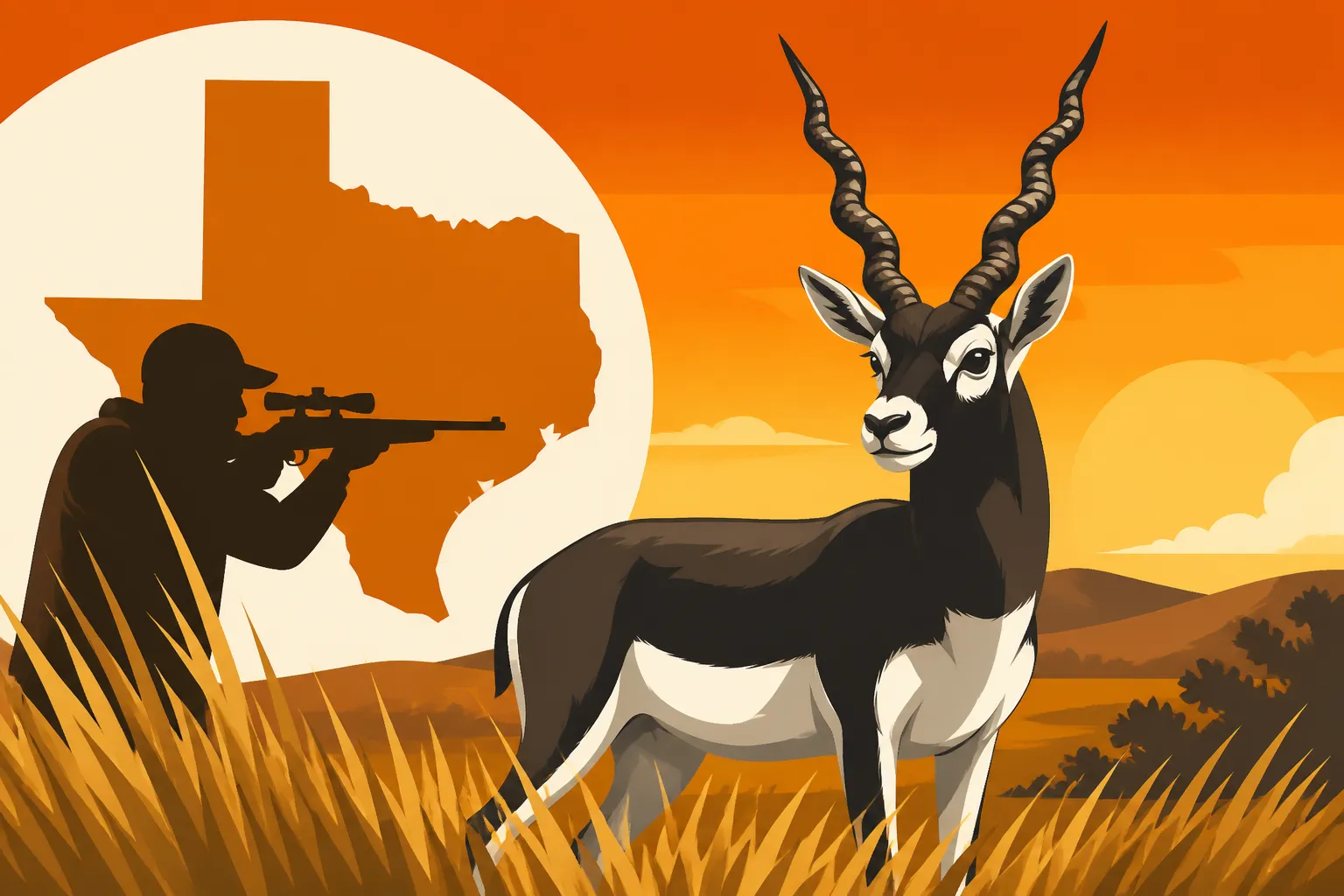
One of the biggest draws of blackbuck is their incredible aesthetic. The males, with their spiraling horns and stark black-and-white coats, are simply breathtaking. As they mature, their backs darken, making for a truly impressive trophy that stands out in any collection. Beyond their looks, blackbuck offer a dynamic and challenging hunt. These animals have incredibly keen eyesight, an acute sense of smell, and can hit impressive speeds, often exceeding 50 miles per hour when spooked. This means a successful hunt usually requires a good deal of stalking prowess and careful shot placement, providing a real sense of accomplishment when you finally connect.
Another major factor in their popularity is the lack of traditional hunting seasons and bag limits in Texas. Because blackbuck are considered an exotic species—non-native to Texas—they are largely unregulated by the Texas Parks and Wildlife Department (TPWD) in the same way native game animals like white-tailed deer or feral hogs are. This means you can often hunt them year-round, offering flexibility that's hard to find with other species. This "anytime" availability is a huge plus for busy hunters looking to fit a unique experience into their schedule. If you're curious about other exotic species available, you might find our guide on Exotic Hunting in Texas: Axis, Aoudad, Blackbuck & More really helpful.
Understanding Blackbuck Behavior and Habitat
Blackbuck are native to India and Nepal, but they've found a surprisingly comfortable home in the diverse landscapes of Texas. They were first introduced to the state in the early 20th century and have since established robust populations, primarily on private ranches. They thrive in open grasslands and brush country, mimicking their natural savanna habitat. In Texas, this means you'll often find them grazing in pastures, feeding on grasses, forbs, and sometimes even agricultural crops.
They are herd animals, typically living in groups that can range from a few individuals to dozens. These herds are often composed of females and their young, with mature males either holding territories or forming bachelor groups. The older, dominant bucks will often try to establish and defend small territories during the breeding season, which can occur throughout the year. Their open habitat means they rely heavily on their eyesight to detect predators (or hunters!), and they are incredibly skittish. Approaching a blackbuck herd in open terrain without being spotted is a true test of a hunter's patience and stealth. Their behavior dictates many of the hunting tactics used, especially the spot-and-stalk method.
Where to Find Blackbuck Antelope in Texas
The vastness of Texas means there are several regions where blackbuck have flourished, but some areas are definitely more concentrated than others. Understanding these locations is key to planning your hunt.
Key Regions and Counties for Blackbuck
While blackbuck can be found on ranches across many parts of Texas, two regions stand out for their significant populations and hunting opportunities: the Edwards Plateau (more commonly known as the Hill Country) and South Texas.
The Hill Country, with its rolling hills, live oak mottes, and interspersed open pastures, provides an ideal mosaic habitat for blackbuck. Counties like Kerr, Gillespie, Mason, and Llano are well-known for hosting numerous ranches that manage blackbuck alongside native white-tailed deer. The terrain here can offer enough cover for stalking but still presents open areas where blackbuck are comfortable grazing.
Further south, the iconic South Texas Brush Country also boasts strong blackbuck numbers. This region, characterized by dense thorny brush, mesquite, and wide-open senderos, has ranches in counties such as Frio, La Salle, Dimmit, and Maverick that offer excellent blackbuck hunting. The vast, relatively flat expanses here can make for challenging long-range shots and extensive spot-and-stalk scenarios. If you're interested in other game in these areas, our guide to Hill Country Hunting in Texas or South Texas Deer Hunting: Brush Country Guide could provide more context.
Free-Range vs. High-Fence Operations
When hunting exotics like blackbuck in Texas, you'll almost exclusively be looking at private land operations, which typically fall into two categories: free-range (low-fence) or high-fence.
- High-Fence Operations: The vast majority of blackbuck hunting in Texas takes place on high-fenced ranches. These properties are enclosed with tall fences, usually 8 feet or more, designed to contain exotic animals and manage their populations. For blackbuck, this often means very stable populations, carefully managed genetics, and a consistent supply of trophy animals. While some hunters prefer a "wilder" experience, a high-fence operation doesn't necessarily mean an easy hunt. Blackbuck within these enclosures are still incredibly wary and athletic, providing a genuine challenge. The benefit for the hunter is a high probability of encountering target animals and a more controlled hunting environment.
- Low-Fence (Free-Range) Opportunities: True free-range blackbuck populations on low-fenced land are much less common but do exist in certain areas, usually as spillover from high-fenced neighbors or from long-established populations on very large, expansive low-fence ranches. Hunting free-range blackbuck can be even more challenging due to the ability of animals to move vast distances, but it also offers a unique sense of accomplishment for those who prioritize that "free-roaming" aspect. However, you'll find far fewer operations specifically marketing "free-range blackbuck" simply because maintaining a consistent huntable population outside of high fences is much harder.
Public Land Opportunities for Blackbuck
Here’s the straight truth: If you're hoping to find blackbuck antelope on public hunting land in Texas, you're going to be incredibly disappointed. For all practical purposes, there are no public land hunting opportunities for blackbuck in Texas. Blackbuck are an exotic species, meaning they are not native to North America and are not managed by TPWD on public lands for recreational hunting in the same way deer or turkey are. They are almost exclusively found on private ranches, which often operate as commercial hunting businesses. While Texas does offer some fantastic public hunting through its Annual Public Hunting Permit and Drawn Hunts, these programs focus on native game animals or feral hogs, not exotics like blackbuck. Your best bet for hunting blackbuck will always be through a private outfitter or a lease.
Deciphering the Cost of a Texas Blackbuck Hunt
One of the first things every hunter wants to know is, "How much is this going to cost?" And with blackbuck, the answer can vary quite a bit depending on what you're looking for.
Factors Influencing Blackbuck Hunt Pricing
Several elements come into play when calculating the price of a blackbuck hunt in Texas:
- Trophy Quality: This is often the biggest factor. Hunts for a young "management" buck with smaller horns will be significantly cheaper than pursuing a mature, hard-horned trophy buck with impressive spiraling racks. Outfitters will typically categorize their bucks, and pricing will reflect the estimated horn length or age class.
- Hunt Duration: Are you looking for a quick day hunt, or a more immersive 2-day or 3-day experience? Longer hunts typically include more amenities, lodging, and meals, driving up the overall cost.
- Guide Services: Most blackbuck hunts are fully guided or at least semi-guided. The expertise of a good guide who knows the terrain and animal behavior is invaluable, and this service is factored into the price.
- Lodging and Meals: Many ranches offer all-inclusive packages that include comfortable lodging and delicious home-cooked meals. This adds convenience but also to the price tag. Simpler day hunts often won't include these.
- Additional Amenities: Some high-end ranches might offer amenities like open bars, game rooms, or even other hunting opportunities for species like axis deer or hogs, which can drive up the premium.
- Seasonality (Limited Impact): Since blackbuck can be hunted year-round, seasonality doesn't affect pricing as much as it does for native species with strict seasons. However, some ranches might offer slight off-peak discounts during the hottest summer months or coldest winter periods.
Typical Price Ranges for Guided Blackbuck Hunts
Based on current market rates and what you'll find across reputable Texas outfitters, you can expect the cost for a guided blackbuck hunt to fall into a fairly broad range.
- Management or Cull Bucks: If you're just looking for meat or a smaller animal, a management blackbuck hunt might start around $1,500 – $2,500. These are typically younger bucks or those with broken/undesirable horns that the ranch needs to remove for population control.
- Standard Trophy Blackbuck: For a solid, mature trophy buck with good horns, the price typically ranges from $2,500 to $4,500. This is the most common price point you'll encounter for a quality animal.
- Premium or "Exceptional" Trophy Blackbuck: For truly exceptional bucks with record-book quality horns, or hunts on highly exclusive ranches, prices can climb to $5,000 and even upwards of $7,000+. These hunts are for the most discerning hunters seeking top-tier trophies.
These prices generally include the trophy fee for one blackbuck, guide services, and often field dressing. If lodging and meals are included, expect to be on the higher end of these ranges.
Here's a quick look at a typical breakdown:
| Hunt Type | Description | Typical Price Range (Trophy Fee Only) | Package Price (w/ Lodging, Guide) |
|---|---|---|---|
| Management/Cull Buck | Younger buck, smaller horns, population control | $1,500 – $2,500 | $1,800 – $3,000 |
| Standard Trophy Buck | Mature buck, good horn length & spirals | $2,500 – $4,500 | $3,000 – $5,500 |
| Premium Trophy Buck | Exceptional horns, older animal, high quality | $5,000 – $7,000+ | $5,500 – $8,000+ |
It's important to remember that these are estimates. Always confirm pricing directly with the outfitter, and get a clear understanding of what is and isn't included in your specific package.
Additional Costs to Consider
Beyond the initial package price, there are several other expenses that can quickly add up:
- Texas Hunting License: Even though blackbuck are exotics, you still need a valid Texas hunting license to hunt them on private land. This is a crucial requirement. You can learn more about this in our guide on the Texas Hunting License: Cost, Types & How to Buy (2026) or specifically, Do Exotics Require a Hunting License in Texas?.
- Travel Expenses: This includes gas, flights, rental cars, and any overnight stays before or after your hunt if you're traveling a long distance.
- Tips for Guides and Staff: Tipping your hunting guide is customary and very much appreciated. A general rule of thumb is 10-20% of the hunt cost, depending on the service and your satisfaction. If other staff (cooks, skinners) are involved, consider tipping them as well.
- Meat Processing: While field dressing is often included, full meat processing (cutting, wrapping, freezing) is usually an extra charge.
- Taxidermy: If you plan to have your blackbuck mounted, this will be a significant additional expense. Discuss with your outfitter if they have preferred local taxidermists.
- Gear and Ammunition: Ensure your rifle is sighted in and you have appropriate ammunition. You might also want to invest in good optics or clothing suitable for Texas weather.
- Coolers and Ice: If you're bringing meat home, you'll need plenty of coolers and ice, especially in the Texas heat. Our article on Best Coolers for Texas Hunting (Yeti & Alternatives) can offer some solid recommendations.
Choosing the Right Outfitter or Ranch
With so many ranches offering blackbuck hunts, selecting the right one can feel daunting. A little research upfront can make all the difference in ensuring a successful and enjoyable trip.
Researching Reputable Blackbuck Hunting Operations
The first step is always thorough research. Start by looking for outfitters with a strong online presence, clear descriptions of their hunts, and plenty of photos of past trophies. Don't just rely on pretty websites, though.
- Read Reviews: Look for reviews on hunting forums, social media, and Google. Pay attention to consistent themes—good or bad—in the feedback.
- Ask for Referrals: Talk to other hunters who have pursued blackbuck in Texas. Personal recommendations are incredibly valuable. Word-of-mouth is still king in the hunting community.
- Contact Several Outfitters: Don't settle for the first one you find. Reach out to at least three to five different operations. Compare their offerings, prices, and responsiveness. This also gives you a feel for their customer service.
- Ask Detailed Questions: When you talk to an outfitter, don't be shy. Ask about:
- What's included in the price (trophy fee, guide, lodging, meals, field dressing)?
- What are the typical sizes of bucks harvested? Do they have a minimum size?
- What is their success rate for blackbuck?
- What hunting methods do they primarily use?
- How experienced are their guides?
- What kind of terrain will you be hunting?
- Are there any hidden fees?
- Can they provide references from recent clients? A reputable outfitter will be happy to connect you with past hunters.
Remember, a hunting trip is an investment, both of your time and money. Don't rush into a decision. You might also want to check out general resources on Hunting Outfitters in Texas by Region to broaden your search.
The Importance of a Good Guide
Your guide can truly make or break your blackbuck hunting experience. A skilled guide brings a wealth of knowledge and experience that is simply irreplaceable. They understand the nuances of blackbuck behavior, know the ranch like the back of their hand, and can read the signs of the animals.
A good guide will:
- Know the Terrain: They'll guide you through the property, identifying prime feeding areas, bedding cover, and travel corridors specific to blackbuck.
- Spotting Expertise: Blackbuck can blend surprisingly well into their environment, even with their striking colors. A seasoned guide often spots animals long before you do, helping you locate a trophy buck.
- Stalking Strategy: They'll advise on the best approach for a spot-and-stalk hunt, considering wind direction, cover, and the blackbuck's keen senses. This is crucial for a successful Spot-and-Stalk Hunting in Texas (Exotics & Mule Deer) experience.
- Ethical Practices: A good guide prioritizes ethical hunting and will ensure you have the best possible chance for a clean, humane shot. They'll also assist with tracking and recovery.
- Overall Experience: Beyond the hunt itself, a friendly and knowledgeable guide can enhance the entire trip, sharing stories, local insights, and making your time in the field more enjoyable.
Don't underestimate the value of an experienced, personable guide. They are an integral part of your success and overall satisfaction.
Hunting Methods and Essential Gear for Blackbuck
Blackbuck are not like hunting whitetail from a box blind over a feeder; they demand a different set of tactics and gear to be successful.
Common Hunting Tactics for Blackbuck
Given their habitat and keen senses, the primary and most exciting hunting method for blackbuck is spot-and-stalk.
- Spot-and-Stalk: This involves extensive glassing with binoculars or a spotting scope from a vantage point to locate a herd or a trophy buck. Once spotted, the challenge begins: carefully planning an approach using available cover, watching wind direction, and moving slowly and quietly to get within shooting range. This can be a long, arduous process, but incredibly rewarding. Blackbuck are incredibly wary, and their keen eyesight means even a slight misstep can send them bounding away at incredible speed.
- Blind Hunting (Less Common): While spot-and-stalk is dominant, some ranches might employ blind hunting, typically from tripod blinds or box blinds set up near water sources or food plots where blackbuck are known to frequent. This can be effective, especially if you have limited mobility or prefer a more stationary hunt, but it often sacrifices some of the dynamic challenge that makes blackbuck hunting so special.
- Safari Style (Vehicle Assisted): On very large ranches, some outfitters might utilize "safari style" hunting, which involves driving vehicles to cover vast areas quickly to spot animals, then dismounting for a stalk. This combines efficiency with the thrill of the stalk.
Regardless of the method, patience is paramount. Blackbuck are known for their skittish nature and their ability to quickly disappear once alarmed.
Recommended Firearms and Optics
Choosing the right rifle and optics is critical for blackbuck, as shots can often be at longer ranges in open country.
- Rifles and Calibers: Blackbuck are not large animals (males typically weigh 70-100 pounds), so heavy magnum calibers are unnecessary and can cause excessive meat damage.
- Excellent Choices: Calibers like the .243 Winchester, 6.5 Creedmoor, .25-06 Remington, .270 Winchester, and 7mm-08 Remington are superb for blackbuck. They offer flat trajectories, sufficient energy, and minimal recoil, making for accurate shooting.
- Good Options: The .30-06 Springfield and .308 Winchester are also perfectly adequate, though perhaps a bit more powerful than needed.
- Bullet Type: Focus on high-quality, expanding bullets designed for medium game to ensure quick, humane kills. Shot placement, as always, is key.
- Optics: Given the open habitat and potential for long shots, quality optics are non-negotiable.
- Rifle Scope: A variable power rifle scope with good light-gathering capabilities (e.g., 3-9x, 4-12x, or 4-16x) is ideal. Make sure it holds zero reliably. You can find more information in our article on Best Rifle Scope for Texas Deer Hunting.
- Binoculars: Essential for glassing. High-quality 10×42 or 12×50 binoculars are recommended for spotting animals at a distance and evaluating trophy quality without spooking them. Learn more about good choices in Best Hunting Optics for Texas: Scopes, Binos & Rangefinders.
- Rangefinder: Absolutely crucial. Knowing the exact distance to your target is vital for accurate shot placement, especially with flatter-shooting calibers at extended ranges.
Other Key Gear for a Successful Hunt
Don't overlook the other essentials that contribute to a comfortable and successful hunt:
- Clothing: Dress in layers appropriate for the Texas weather. Even year-round, temperatures can fluctuate. Early mornings can be cool, while afternoons can get very warm. Lightweight, breathable hunting clothes in camouflage patterns suited for brush country or open plains are best.
- Boots: Comfortable, broken-in hunting boots are a must, especially if you'll be doing a lot of stalking. Snake boots or snake gaiters are also highly recommended, especially in brushy areas, for protection against venomous snakes.
- Backpack: A small day pack to carry water, snacks, extra layers, a first-aid kit, and any game processing tools you might need.
- Field Dressing Kit: While your guide will assist, having your own sharp knife, gloves, and some game bags is always a good idea. Our guide on Field Dressing & Processing Game in Texas Heat offers more insights.
- Water: Stay hydrated, especially during warmer months.
- Sun Protection: Sunscreen, a wide-brimmed hat, and sunglasses are highly recommended.
Being well-prepared with the right gear ensures you can focus on the hunt itself and enjoy the entire experience.
Disclaimer
Please remember that hunting regulations, seasons, and prices can change. Always consult the most current Texas Parks and Wildlife Department (TPWD) Outdoor Annual and confirm all details directly with your chosen outfitter or lease operator before planning your hunt. This guide is for informational purposes only and does not constitute legal advice or an endorsement of any specific hunting operation.