Rio Grande Turkey Season & Bag Limit in Texas
Hunting Rio Grande turkeys in Texas can be one of the most exhilarating experiences a hunter can have, but navigating the season dates and bag limits can feel like trying to untangle a ball of fishing line. It's easy to get confused with different zones, permit requirements, and reporting steps, leading to unnecessary stress and potentially missed opportunities. This comprehensive guide is here to simplify those regulations, breaking down everything you need to know about the Rio Grande turkey season and bag limits in Texas, ensuring you're prepared for a successful and compliant hunt.
Understanding Rio Grande Turkey Season Zones in Texas
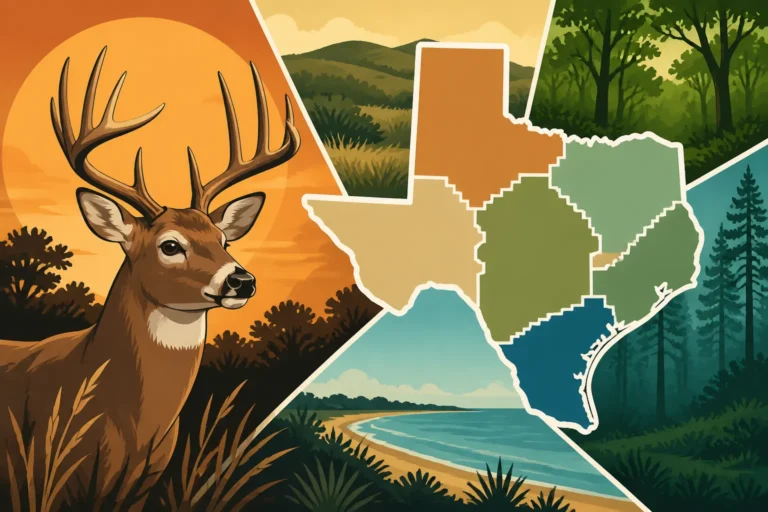
Texas is a vast state, and its diverse ecosystems mean that wildlife populations, including Rio Grande turkeys, are managed differently across various regions. This is why the Texas Parks and Wildlife Department (TPWD) divides the state into distinct zones for turkey hunting, primarily focusing on the North Zone and the South Zone for spring seasons, which are the most popular for turkey hunters. Knowing which zone your hunting spot falls into is the absolute first step in planning your adventure.
North Zone Dates and Specifics
The North Zone generally covers the majority of Central and North Texas, extending into parts of the Panhandle and West Texas. This zone typically offers a slightly later spring season opening than the South Zone, allowing for specific biological factors and turkey breeding cycles in these areas. The spring season here is usually quite generous, giving hunters ample time to pursue gobblers. Always double-check the current year's Texas Turkey Season 2026: Spring & Fall Zones in the official Outdoor Annual, as dates can shift slightly from year to year. For example, if you're planning a hunt near Graham or San Angelo, you'll definitely be looking at North Zone dates. The general open season for spring turkey in the North Zone usually runs from late March or early April through mid-May, offering about six to seven weeks of prime hunting.
During this period, hunters are often looking for the peak gobbling activity, which tends to occur a few weeks into the season as hens begin nesting and gobblers become more active in seeking mates. Many hunters consult detailed maps on platforms like GoHunt to confirm their location within the correct zone and to scout potential public or private hunting areas. Understanding the North Zone's specific timing is crucial for maximizing your chances of hearing those echoing gobblers and having a truly memorable spring hunt.
South Zone Dates and Specifics
Down in the iconic South Texas brush country, where the Rio Grande turkey population thrives, the spring season often kicks off earlier due to warmer temperatures and a sooner breeding cycle. The South Zone typically encompasses counties south of a line generally running from Val Verde County eastward to Jasper County. If you're heading to places like the famed ranches of Webb County or the wildlands around Uvalde, you'll be under South Zone regulations. The earlier start means hunters in this region can sometimes get a jump on the spring action, with the season usually opening in mid-March and extending through late April or early May.
This earlier opening can be a big advantage for those eager to hit the woods, but it also means understanding that the turkeys' behavior might be slightly different. Early season birds might be more patterned to feeders or roost sites, whereas later in the season, after the peak of breeding, they might be harder to call in as hens are already nested. The intensity of gobbling can vary, but the sheer numbers of birds in many South Zone areas make it a fantastic hunting destination. Hunters need to pay close attention to the specific county regulations, as minor variations can occur, especially regarding things like the special youth-only seasons that often precede the general opening.
Special Archery-Only Season
For those who prefer the quiet challenge of a bowhunt, Texas offers a special archery-only season that precedes the general firearms season for Rio Grande turkeys in both the North and South Zones. This is a fantastic opportunity for archers to pursue gobblers without the pressure of gun hunters, often in the crisp, cool days of early spring. The archery season typically runs for a few weeks before the regular firearms season opens in each respective zone, offering an exclusive window.
This period requires a deeper understanding of Bowhunting in Texas: Archery Season Guide tactics, as getting close enough for an ethical shot with archery gear demands extra stealth and calling finesse. It's also a chance to scout the area thoroughly before the general season, identifying roosts, strut zones, and travel corridors. Even if you plan to hunt with a firearm during the general season, taking advantage of the archery-only dates for scouting can significantly increase your overall success. Remember, standard archery equipment and broadhead restrictions apply, so always review the regulations to ensure your gear is compliant.
Navigating Bag Limits and Harvest Reporting
Once you've got the season dates down, the next critical step is understanding how many turkeys you can legally harvest and what you need to do once you've successfully bagged a bird. Texas has clear rules regarding bag limits to ensure sustainable turkey populations, and mandatory harvest reporting helps wildlife biologists manage the species effectively.
Annual Bag Limits and Daily Regulations
For Rio Grande turkeys in Texas, the annual bag limit is typically set at four gobblers. This applies to the entire spring season, regardless of which zone you hunt in. What's often overlooked, however, are the daily regulations. While you can take up to four gobblers per season, you're usually limited to taking no more than one gobbler per day. This is an important distinction, meaning you can't harvest two birds in a single outing, even if you have tags remaining.
This regulation encourages a more spread-out hunting effort and prevents overharvesting in specific areas. It also ensures hunters spend more time in the field, appreciating the pursuit rather than rushing to fill their limit. Always confirm these numbers in the current Texas Outdoor Annual because regulations can be updated. This limit is designed to maintain a healthy population of breeding gobblers and ensure future generations of hunters have the same opportunities.
Mandatory Harvest Reporting My Texas Hunt Harvest
Texas implements mandatory harvest reporting for many game species, and Rio Grande turkeys are no exception. After you've successfully harvested a turkey, it is required that you report your harvest through the Texas Hunting Tags & Harvest Reporting (My Texas Hunt Harvest) system. This can be done online via the TPWD website or through their mobile app. The information you provide – such as the date of harvest, county, and sex of the bird – is vital data for wildlife biologists.
This data helps TPWD track population trends, assess the effectiveness of current bag limits, and make informed management decisions to ensure the health and abundance of the turkey population. Failing to report a harvest is a violation of state law, so it's not just a suggestion – it's a mandatory step for every ethical hunter. Make it a habit: once you've tagged your bird, report it as soon as you have cell service or access to the internet. Many hunters use mapping apps, like the features found in GoHunt, to mark their harvest location, which can then be referenced when filling out the harvest report.
Tagging Requirements and Process
In Texas, your hunting license comes with a set of white-tailed deer tags, but for Rio Grande turkeys, you'll find a separate "Spring Turkey Tag" or similar designation on your license. Upon harvesting a gobbler, you are required to immediately attach the appropriate tag from your license to the turkey. The tag must be securely attached to the bird and remain with it until it reaches its final destination, whether that's a processing facility or your home.
The tag needs to be completely filled out with the date of harvest and the county where the turkey was taken. It's not enough just to slap the tag on; ensure all required information is legible. This tagging system serves as an instant record of your harvest, allowing game wardens to verify compliance if they encounter you in the field. It’s your physical proof that the bird was legally taken and is within your bag limit. Losing tags or not properly filling them out can lead to legal complications, so treat your license and tags with the utmost care.
Texas Rio Grande Turkey Spring Season Summary
| Zone | General Season Dates (Approx.) | Annual Bag Limit | Daily Bag Limit | Youth-Only Season (Approx.) | Archery-Only Season (Approx.) |
|---|---|---|---|---|---|
| North Zone | Late March/Early April – Mid-May | 4 Gobblers | 1 Gobbler | Late March | Early March – Late March |
| South Zone | Mid-March – Late April/Early May | 4 Gobblers | 1 Gobbler | Early March | Late February – Early March |
Note: Always consult the official Texas Parks & Wildlife Outdoor Annual for the most current and exact dates.
Essential Regulations Beyond Season Dates
Beyond just knowing when and where you can hunt, and how many birds you can take, there are a host of other crucial regulations that every responsible Texas turkey hunter needs to be aware of. These rules cover everything from who can hunt to what gear is permissible, ensuring safety, ethical hunting practices, and sound wildlife management.
Hunter Education and Licensing Requirements
Before you even step foot in the woods, you need to ensure you're legally authorized to hunt in Texas. This starts with your hunting license and, for most, a hunter education certification. Anyone born on or after September 2, 1971, must successfully complete a hunter education course or defer certification to hunt legally in Texas. This course covers firearm safety, wildlife identification, ethics, and regulations, providing a solid foundation for responsible hunting. Even if you're exempt, taking the course is always a good idea.
Next, you'll need the appropriate Texas Hunting License: Cost, Types & How to Buy (2026). For resident hunters, the Super Combo License is a popular choice, covering most hunting and fishing activities. Non-residents will need a specific non-resident hunting license. In addition to the base license, you'll also need a Migratory Game Bird Endorsement and be HIP (Harvest Information Program) certified, even for turkeys, as they are considered migratory game birds in Texas for certain regulatory purposes. You can purchase these online, at sporting goods stores like Academy Sports + Outdoors, or from TPWD license retailers across the state. Always carry your license and endorsements with you while hunting.
Legal Hunting Methods and Restrictions
Texas is pretty flexible when it comes to legal hunting methods for Rio Grande turkeys, but there are important restrictions to keep in mind. Shotguns are a popular choice, and they must be plugged to hold no more than three shells (one in the chamber, two in the magazine). Rifles are generally legal for spring turkey hunting, though many hunters prefer shotguns for the close-quarters, fast-action shots that turkey hunting often entails. You can also use archery equipment, as mentioned earlier.
However, certain methods are strictly prohibited. These include hunting turkeys from a vehicle on a public road, hunting with the aid of an aircraft, or using live decoys. Electronic calls are also legal for turkeys in Texas, unlike some other states, which can be a game-changer for some hunters trying to entice wary gobblers. However, just because they are legal doesn't mean they are always the most effective or sporting method. Regardless of your chosen method, always prioritize safety and ethical shot placement to ensure a clean harvest. Also, be mindful of local ordinances or specific lease rules that might further restrict certain methods.
Private Land vs. Public Land Considerations
The vast majority of Rio Grande turkey hunting in Texas occurs on private land, which often requires a landowner's permission or a paid hunting lease. Securing access to private land is paramount, and without explicit permission, you cannot hunt. If you're considering a lease, check out our guide on Hunting Leases in Texas: Complete Guide (Cost & How to Find). Many landowners are gracious, but it’s crucial to respect their property, follow their rules, and always close gates.
While private land dominates, there are also limited opportunities for Public Hunting in Texas: WMAs & Annual Public Hunting Permit on Wildlife Management Areas (WMAs) and through the Texas Drawn Hunts program. These public land hunts are often highly regulated, sometimes requiring special permits obtained through a lottery system. Competition can be fierce, but they offer an affordable way to hunt. Sites like GoHunt are excellent resources for identifying public land boundaries and understanding specific WMA regulations, which can differ significantly from statewide rules. Always research the specific WMA or public hunting unit thoroughly before planning your trip, as dates, methods, and bag limits can be highly localized.
Planning Your Rio Grande Turkey Hunt
With the legalities ironed out, it’s time to focus on the fun part: strategizing your hunt! Rio Grande turkeys are challenging and rewarding game birds, and a well-planned hunt significantly increases your chances of success. Understanding their behavior and preparing adequately will make all the difference.
Best Times and Tactics for Success
Timing is everything in turkey hunting. While the season dates provide a window, the best time to hunt within that window often depends on the specific phase of the breeding cycle. Early season, when gobblers are still grouped up and actively seeking hens, can be excellent. They might respond aggressively to calls as they compete for breeding rights. Mid-season, when hens begin nesting, gobblers can be harder to call in as they may be "henned up," meaning they're already with a group of hens. This is when patience and strategic calling, perhaps trying to call the hen to you, hoping the gobbler follows, becomes key. Late season can see a resurgence in gobbling activity as the last hens become available, making persistent calling effective again.
Effective How to Call Rio Grande Turkeys in Texas is paramount. Mastering a few basic calls – clucks, yelps, purrs, and gobblers – will give you a versatile toolkit. Decoys, especially realistic gobbler or jake decoys paired with a hen, can be incredibly effective, drawing in dominant gobblers looking for a fight or a mate. Setting up in areas where turkeys naturally want to go, such as strut zones, field edges, or near roost sites, is crucial. Patience, stealth, and adapting your tactics to the bird's mood on any given day are the hallmarks of a successful turkey hunter. Remember, turkeys have incredible eyesight, so staying still and camouflaged is non-negotiable.
Scouting for Rio Grande Turkeys
You can have the best calls and the most expensive gear, but if you're not where the turkeys are, you won't be successful. That's why scouting is so critical for Rio Grande Turkey Hunting in Texas. Pre-season scouting, well before opening day, allows you to locate roost sites, identify travel corridors between feeding and roosting areas, and find strut zones where gobblers display for hens. Look for tracks, droppings (larger and J-shaped for gobblers), scratch marks in leaf litter, and feathers.
The best way to scout is often with your ears. Listen for gobblers sounding off from their roosts at dawn and dusk. This "roosting" technique helps you pinpoint exactly where birds are spending the night, giving you a starting point for your morning hunt. Using topo maps and aerial imagery, perhaps through a hunting app like GoHunt or onX Hunt, can help you visualize the terrain and identify potential bottlenecks or natural travel routes that turkeys might use. Scouting doesn't stop on opening day; it's an ongoing process as turkey patterns can shift throughout the season due to weather, hunting pressure, or the availability of food sources.
Gear Considerations for Texas Turkey Hunting
While you don't need a mountain of gear, having the right equipment for Best Gear for Rio Grande Turkey Hunting in Texas will make your hunt more comfortable and increase your effectiveness. Foremost is camouflage. Turkeys have fantastic eyesight, so head-to-toe camo that breaks up your silhouette is essential. Think leafy suits or patterns that blend into the specific Texas vegetation you'll be hunting in, whether it's brush, hardwoods, or agricultural fields.
Your shotgun or bow is obviously central. For shotguns, a 12-gauge or 20-gauge loaded with dense turkey loads (like Federal Premium Heavyweight TSS or Winchester Long Beard XR) and a tight turkey choke is typically recommended for reaching out to 30-40 yards. Don't forget a comfortable seat or cushion, as you'll be sitting still for long periods. A good pair of binoculars can help you spot birds from a distance without spooking them. Carry a compass or a GPS device (many smartphone apps like GoHunt can serve this purpose) to navigate, especially on unfamiliar land. Finally, always have a first-aid kit, plenty of water, and a sharp knife for field dressing.
Disclaimer
Please note that hunting regulations, season dates, and bag limits are subject to change. While this guide provides comprehensive information, it is crucial to consult the official Texas Parks and Wildlife Department (TPWD) Outdoor Annual for the most current and accurate regulations before any hunting activity. This content is for informational purposes only and should not be considered legal advice.