Best Hunting Method for Axis Deer in Texas
Hunters often arrive in the Texas Hill Country expecting axis deer to behave exactly like our native whitetails, only to be left staring at empty cedar breaks and listening to the mocking "bark" of a ghost in the brush. These elusive exotics don't follow the standard North American playbook, often leaving even experienced woodsmen frustrated. This guide breaks down the nuances of axis behavior and identifies the best hunting method for axis deer in Texas to help you finally harvest one of the most beautiful and delicious trophies in the state.
Understanding Axis Deer Behavior in the Texas Landscape
Before we can settle on the most effective method, we have to talk about why axis deer are so difficult to hunt. Unlike whitetails, which are relatively predictable during the fall and winter, axis deer are native to India and have retained a biology that doesn't quite sync up with the Texas seasons. This means you can find bucks in hard horn, bucks in velvet, and bucks dropping their antlers all in the same month. This biological chaos makes them one of the most unique challenges in the Lone Star State.
The Year-Round Rut Factor
One of the most confusing things for newcomers is the axis rut. While whitetails have a clear window in November or December, axis bucks can go into rut whenever they are in hard horn. In Texas, the peak is generally between May and July. If you are looking for the How to Hunt Axis Deer Year-Round strategy, you have to realize that you aren't just looking for sign; you are looking for a specific stage of antler development. When an axis buck's testosterone spikes, he becomes aggressive, vocal, and much more likely to make a mistake.
During this summer rut, you will hear them before you see them. Their "roar" or "bellow" is a haunting, guttural sound that carries through the draws of the Edwards Plateau. If you’re used to the quiet stealth of a whitetail buck, the sheer volume of an axis rut can be jarring. This is a time when the How to Hunt Axis Deer in Texas (Step by Step) process changes from passive waiting to active pursuing, as you can use their vocalizations to pinpoint their location in thick cover.
Herd Dynamics and the Alertness Barrier
Axis deer are incredibly social animals. You will rarely find a trophy buck completely alone; he is almost always surrounded by a dozen or more does, fawns, and younger "satellite" bucks. While this sounds like it gives you more targets, it actually creates a massive defensive barrier. Axis deer are arguably the most alert animals in the Texas brush. They have incredible eyesight and a sense of smell that rivals any elk.
When you are trying to figure out How to Hunt Axis Deer (Free-Range Tactics), you have to account for the "eyes of the herd." If one doe catches a glimpse of your movement or a whiff of your scent, she will emit a sharp, dog-like bark. Once that bark happens, every axis deer in the county goes on high alert. They don't just run a hundred yards and stop like a whitetail; they often vacate the area entirely, moving miles away into the thickest cover available.
The Most Effective Methods for Texas Axis
Because of their unique biology and high-strung nature, the "best" method often depends on the time of year and the specific terrain you are hunting. However, three main strategies dominate the Texas axis hunting scene. Whether you are on a high-fence ranch or hunting free-range herds in the Hill Country Hunting in Texas region, these methods are your best bet for success.
Spot-and-Stalk: The Ultimate Challenge
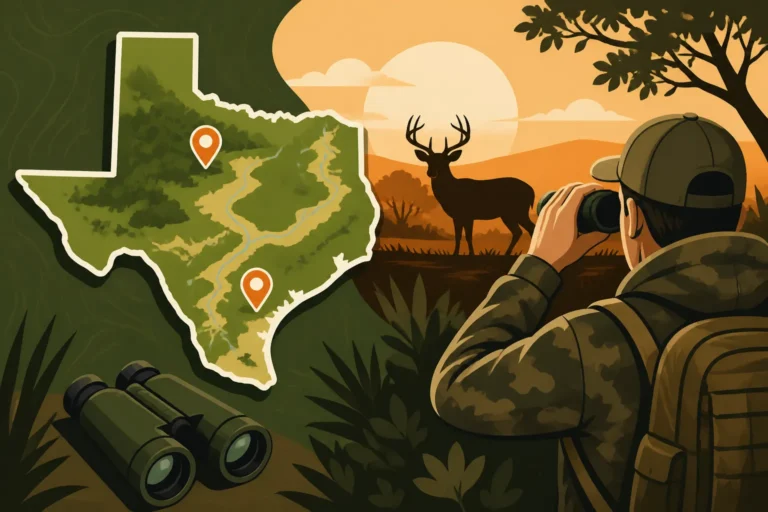
For many veteran hunters, the Spot-and-Stalk Hunting in Texas (Exotics & Mule Deer) approach is the gold standard for axis. This is especially true during the summer months when the heat is brutal, but the bucks are vocal. The goal is to use your glass to find a herd, then use the wind and terrain to creep within rifle or bow range.
The challenge here is the ground cover. In the Hill Country, the ground is covered in "Texas snow"—white limestone rocks that crunch under every footstep. To be successful, you have to move at a snail's pace. I’ve spent two hours moving just fifty yards to get a shot at a buck bedded under a live oak. You also have to be mindful of the "Axis Shuffle." These deer rarely stay still; they are constantly milling about, which means the buck you were stalking might be on the other side of the herd by the time you get into position.
Hunting Over Feeders and Water
If you prefer a more stationary approach, hunting over a established setup is a very common and effective way to fill the freezer. Axis deer have a massive appetite for protein. While they are grazers by nature (eating mostly grass), they are highly attracted to supplemental feed. If you are setting up your Best Gear for Axis Deer on a Texas Lease, including a high-quality protein feeder is non-negotiable. They will choose alfalfa or protein pellets over corn almost every single time.
Water is the other huge factor. During the June and July rut, Texas is usually baking under a drought. A secluded water hole or a well-placed trough can be a magnet for axis. Unlike whitetails, which may drink only once or twice a day, axis deer seem to hit water frequently. Sitting in a Box Blind vs Tripod vs Ground Blind in Texas setup near a water source during the heat of the day (from 11:00 AM to 2:00 PM) can often yield better results than sitting during the traditional "prime time" of dawn and dusk.
Calling and Roaring
During the peak of the summer rut, you can actually call axis bucks in. This isn't like rattling for whitetails; it’s more akin to elk calling. While there aren't many commercial axis calls on the market, some hunters use a modified cow horn or even their own throat to mimic the bellow of a dominant buck.
When a buck is fired up and looking for a fight, he will often come in to investigate a rival's roar. This is an adrenaline-pumping way to hunt, but it requires you to be in the right place at the right time. It is most effective when you know a buck is already in the area and you want to pull him out of a thick cedar thicket into a clearing where you can get a clean shot.
Comparing Axis Hunting Methods
To help you decide which approach fits your style and the time of year, I've put together this comparison table. Each method has its pros and cons depending on your physical ability and the gear you have available.
| Hunting Method | Best Time of Year | Difficulty | Required Gear | Success Rate |
|---|---|---|---|---|
| Spot-and-Stalk | May – August | High | High-quality binoculars, quiet boots | Moderate |
| Feeders/Water | Year-Round | Low | Protein feeder, comfortable blind | High |
| Calling/Roaring | June – July | High | Specific calls, scent control | Low to Moderate |
| Still Hunting | Winter/Spring | Moderate | Camouflage, wind indicator | Moderate |
Critical Gear and Shot Placement
You cannot treat an axis deer like a small whitetail. They are significantly tougher, with thicker hides and more robust bone structures. Even if you have the Best Region for Whitetail Hunting in Texas dialed in, your standard deer tactics need an upgrade for axis. Their anatomy is also slightly different, which leads to many lost animals by hunters who don't adjust their aim.
Choosing the Right Caliber and Optics
While a .243 Win is often considered the "minimum" for whitetail, I usually recommend something with a bit more punch for axis, such as a .270, .308, or 6.5 Creedmoor. They have a legendary "will to live," and a buck hit slightly back can run for miles through the thickest cedar imaginable.
Your optics are just as important. Because you'll often be glassing into deep shadows under the mid-day sun, you need glass with excellent light transmission. When selecting the Best Gear for Axis Deer Hunting in Texas, don't skimp on your binoculars. You need to be able to distinguish the spots on a bedded axis from the dappled sunlight hitting the leaves, which is much harder than it sounds.
The Axis Shot Placement Secret
The most common mistake hunters make is shooting too high. An axis deer's vitals—the heart and lungs—sit lower and further forward in the chest cavity than a whitetail's. If you aim for the "traditional" behind-the-shoulder mid-body shot, you risk hitting too far back or clipping only the top of the lungs.
For a clean, one-shot kill, you should aim just a couple of inches above the "elbow" of the front leg and slightly forward. This ensures you're hitting the heart or the dense cluster of blood vessels right above it. Because axis are so prone to jumping at the sound of a shot, a fast-expanding bullet that delivers maximum energy is your best friend.
Why Axis Hunting is Worth the Frustration
Despite the heat, the thorns, and the "barking" does that ruin your stalks, axis hunting is one of the most rewarding experiences in Texas. There is no official Axis Deer Season & Bag Limit in Texas, meaning you can hunt them 365 days a year on private land. This flexibility is a godsend for hunters who want to stay sharp outside of the traditional fall months.
Then, of course, there is the meat. Many people ask, Is Axis Venison the Best Wild Game Meat? and the answer is a resounding yes. It is leaner than beef, has no "gamey" flavor, and stays tender even in older bucks. It’s the ultimate reward for a successful hunt. If you follow the methods outlined here and respect the incredible senses of these animals, you’ll eventually find yourself standing over a beautiful spotted trophy, wondering why you ever waited so long to hunt them.
Disclaimer
Hunting regulations in Texas can change, and while axis deer are considered an exotic invasive species with no state-mandated season on private land, you must always possess a valid Texas hunting license. Always verify specific land-use rules and permit requirements for the property you are hunting. Be sure to practice ethical shot placement and follow all firearm safety protocols to ensure a safe and successful hunt.