Menard County Antler Restriction & Bag Limit
Navigating the world of Texas hunting regulations can feel like trying to track a mature buck through thick brush – sometimes it's clear, sometimes it's downright confusing. One area that often leaves hunters scratching their heads, especially those new to a specific area or even seasoned hunters trying to keep up with changes, is the county-by-county antler restrictions and bag limits. If you're planning to hunt in Menard County, understanding these specific rules is absolutely critical to avoid an accidental violation and ensure a successful, legal hunt. This guide will meticulously break down the antler restrictions and bag limits for white-tailed deer in Menard County, offering practical advice to help you stay compliant and enjoy your time in the field.
Understanding Texas Antler Restrictions
Texas, being the vast and diverse state it is, employs a variety of wildlife management strategies to ensure healthy deer populations and quality hunting opportunities. One of the primary tools in this arsenal is the antler restriction system. It’s not just about trophy hunting; it’s a science-backed approach to managing deer herds.
The General 13-Inch Rule and Its Exceptions
When most folks think about Texas antler restrictions, their mind immediately jumps to the "13-inch rule." This is a widespread regulation in many counties within the state's North and South Deer Zones, designed to protect younger bucks and allow them to mature. The general idea is that a buck must have an inside antler spread of at least 13 inches, OR an unbranched antler, to be considered legal. However, this isn't a blanket rule for every county, and even within counties where it applies, there can be nuances to the bag limit.
For instance, counties like Menard are typically part of the North Zone's special antler restriction. This means that while the 13-inch spread is certainly a key component, it's combined with another crucial element: the "at least one unbranched antler" rule. This dual requirement often surprises hunters who are only familiar with the simpler 13-inch spread rule. It’s vital to consult the current Texas Outdoor Annual every season, as regulations can sometimes see minor tweaks.
Why Antler Restrictions Exist
It's easy to look at antler restrictions and think they're just another way for the state to tell us what we can and can't do. But the truth is, these rules are rooted in solid wildlife biology and management principles. The main goal behind antler restrictions, especially in counties like Menard, is to improve the age structure of the buck population.
Imagine a deer herd where every young buck with decent antlers gets harvested. What happens? You end up with a disproportionate number of young bucks and older does, leading to skewed buck-to-doe ratios. This can negatively impact fawn recruitment, genetic diversity, and overall herd health. By protecting younger bucks (often those with smaller spreads but genetically good potential) for another year or two, they have a chance to:
- Reach full physical maturity, which typically means larger bodies and, yes, bigger antlers.
- Participate in the breeding process, passing on their genetics later in life.
- Balance the age structure, leading to more natural rutting behavior and better overall herd dynamics.
Ultimately, these regulations aim for a healthier, more balanced deer population, which in turn leads to more sustainable and rewarding hunting opportunities for everyone in the long run. It's a testament to the comprehensive strategies employed in White-Tailed Deer Hunting in Texas: Complete Guide.
Menard County Specifics: Antler Restrictions and Bag Limits
Now, let's get down to the nitty-gritty for Menard County. This is where you need to pay close attention, because understanding these rules is the difference between a legal harvest and a potential citation.
Legal Bucks in Menard County
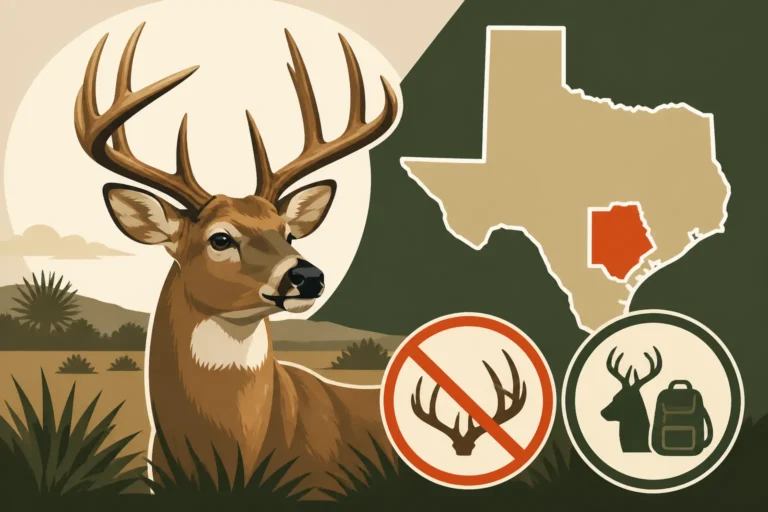
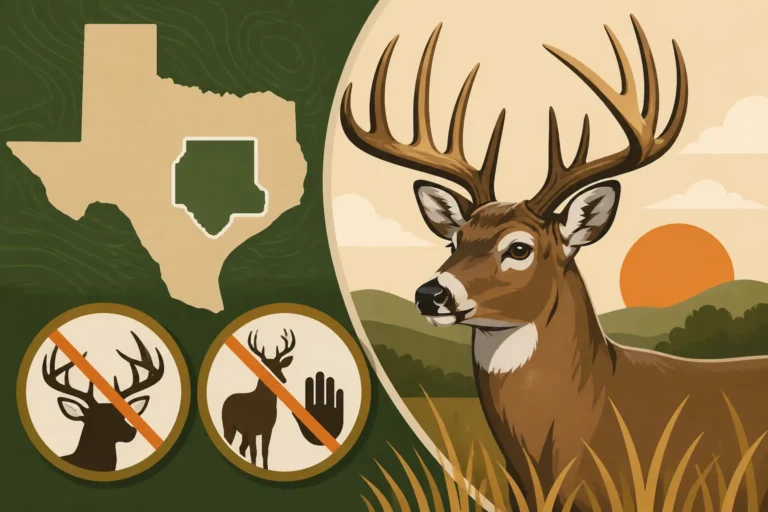
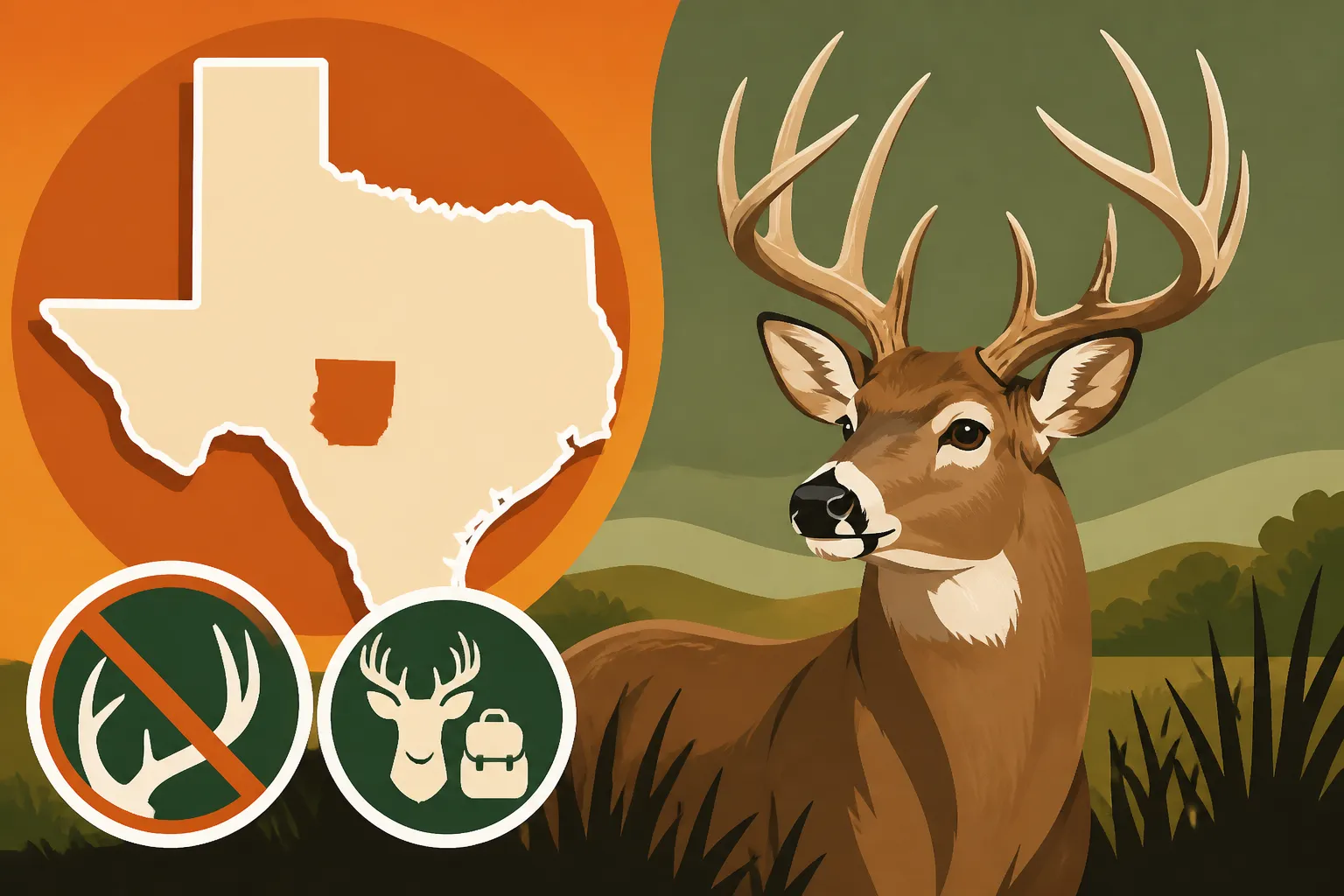
Menard County falls under the special antler restriction guidelines for the North Zone in Texas. This means a legal buck deer must have at least one unbranched antler, OR an inside spread of 13 inches or greater. This isn't just a suggestion; it's the law.
Let's break that down:
- "At least one unbranched antler": This means one of the antlers must be a spike or a main beam without any points branching off it. It doesn't matter how long it is, as long as it's truly unbranched.
- "Inside spread of 13 inches or greater": This refers to the widest measurement between the main beams of the antlers.
Now, here's the crucial part regarding the bag limit for bucks in Menard County: You are allowed to harvest two bucks. However, there's a very specific condition tied to that:
- Only one of those two bucks harvested may have an inside spread of 13 inches or greater.
- The other buck you harvest must be a buck with at least one unbranched antler.
This is a key management tool. It ensures that hunters have the opportunity to take a mature buck with a good spread, but also encourages the harvest of younger, unbranched bucks, helping to manage the overall age structure. It's a slightly more complex rule than just a straight 13-inch minimum, and it takes careful planning and identification in the field. This nuance is why understanding specific county regulations, beyond just the general Texas Antler Restrictions: 13-Inch Rule & Counties, is so vital.
Bag Limits for Deer in Menard County
Beyond the antler restrictions for bucks, you also need to be aware of the overall bag limits for deer in Menard County. These limits control the total number of animals that can be taken and are essential for maintaining a healthy deer population.
For white-tailed deer in Menard County, the general bag limit is:
- Two bucks: As detailed above, with the strict condition that only one can have an inside spread of 13 inches or greater, and the other must have at least one unbranched antler.
- Two antlerless deer (does): This limit applies during the general open season. However, there's a catch for antlerless deer. You must have an Antlerless Deer Permit (ADP) issued by the landowner or a Managed Lands Deer Program (MLDP) tag to harvest a doe in Menard County. Without one of these, you cannot legally take an antlerless deer unless it's during a specific "doe day" period where ADPs are not required, which is rare in many antler-restricted counties and often only applies to specific zones or properties. Always check the current year's regulations for specific doe day dates, if any, that apply to Menard County.
Understanding these Texas Deer Bag Limit by County specifics is paramount. If you're hunting on a property enrolled in the MLDP Tags in Texas: How They Work, your landowner will provide you with specific tags that supersede the general county limits, offering more flexibility but also requiring careful adherence to their management plan.
Here's a quick summary table for Menard County's white-tailed deer regulations:
| Category | Regulation |
|---|---|
| Legal Buck | Must have at least one unbranched antler OR an inside spread of 13 inches or greater. |
| Buck Bag Limit | 2 bucks total. Only ONE may have an inside spread of 13 inches or greater. The OTHER MUST have at least one unbranched antler. |
| Antlerless (Doe) Bag Limit | 2 antlerless deer. Requires an Antlerless Deer Permit (ADP) or MLDP tag. Check for specific "doe days" if ADPs are not needed. |
| Season Dates | General season typically aligns with the North Zone. Always consult the current Texas Deer Season 2026-2027: Dates by Zone. |
Practical Tips for Hunting in Menard County
Hunting in Menard County means you've got some fantastic opportunities, but it also means being extra diligent with your deer identification. Here are some practical tips to help you stay legal and make the most of your hunt.
Field Judging Bucks Accurately
The biggest challenge with antler restrictions like Menard County's is accurately judging a buck in the field. It's not always easy, especially at a distance, in low light, or when a buck is moving quickly. Many hunters struggle with How to Field Judge a 13-Inch Buck, and adding the "unbranched antler" component further complicates things.
Here’s how to improve your field judging skills:
- Use Your Binoculars: Never assume. Always get a good look through quality binoculars or a spotting scope. Don't rush. Take your time to confirm both the spread and the branching of the antlers.
- Familiarize Yourself with the "Ear Tip" Rule of Thumb: A common rule of thumb for judging spread is that the average mature buck's ears, when alert and straight out to the sides, measure about 13-14 inches from tip to tip. If the main beams extend significantly outside the ear tips, it’s likely over 13 inches. If they're barely past or inside, it's probably not. This is an approximation, not a hard rule, but it helps.
- Look for Unbranched Antlers: Before you even worry about spread, can you clearly see if one side is a definite spike? Sometimes, small nubs or broken points can make an antler look unbranched when it technically has a fork. Be conservative and err on the side of caution.
- Practice with Trail Camera Photos: Set up your Best Cellular Trail Cameras for Texas (2027) and spend time studying deer on your property. This allows you to practice judging various bucks without the pressure of a live hunt.
- Wait for Good Light and a Clear View: If you're unsure, let the deer walk. There will always be another opportunity. A clear, broadside view in good light minimizes mistakes.
Remember, the goal is not just to shoot a deer, but to harvest a legal deer. Mistakes happen, but thorough preparation and patience can dramatically reduce the chances of an illegal harvest.
Utilizing Resources for Compliance
You're not alone in navigating these regulations. There are excellent resources available to help you understand and comply with Menard County's deer hunting rules.
- The Texas Outdoor Annual: This is your bible for all things Texas hunting. You can pick up a physical copy at most sporting goods stores or TPWD license retailers, or access it digitally on the Texas Parks and Wildlife Department (TPWD) website. It’s updated annually and provides the most current regulations by county. It’s critical to know How to Read the Texas Outdoor Annual effectively.
- TPWD Website: The official TPWD website is a treasure trove of information, offering detailed regulations, season dates, public hunting opportunities, and more. They often have maps and specific county-by-county breakdowns that are easy to understand.
- Local Game Wardens: Don't be afraid to reach out to your local Texas Game Warden. They are an invaluable resource and are there to help hunters understand the laws, not just enforce them. If you have a question, it's always better to ask beforehand than to guess.
- Fellow Hunters and Lease Members: If you're on a hunting lease, especially in the Hill Country Hunting in Texas where Menard County is located, talk to your fellow hunters. Experienced members often have a deep understanding of local regulations and can share valuable insights and tips specific to that property or area.
- Harvest Reporting: Don't forget the importance of proper Texas Hunting Tags & Harvest Reporting (My Texas Hunt Harvest). Even with specific antler restrictions, accurate reporting helps TPWD gather crucial data for future management decisions.
Common Mistakes and How to Avoid Them
Even experienced hunters can slip up. Being aware of common pitfalls can help you avoid making costly mistakes in Menard County.
Misjudging Antler Spread
This is by far the most frequent mistake when antler restrictions are in play. The pressure of the moment, coupled with less-than-ideal viewing conditions, can lead to miscalculations.
- Distance Deception: The further away a buck is, the harder it is to judge its spread accurately. A buck that looks wide at 100 yards might shrink at 50, or vice versa if your optics distort. Always try to close the distance or wait for the animal to come closer.
- Lighting Conditions: Low light at dawn or dusk can obscure antler details. Shadows can make an antler appear unbranched or wider/narrower than it is. Overcast days can also make judging difficult.
- Movement: A deer on the move is incredibly hard to judge. Antlers seem to bounce and blur. Patiently wait for the buck to stop and offer a clear, standing shot, allowing you time to assess its rack.
- Angle: A buck quartering away or head-on will make its spread appear narrower than it actually is. Try to get a broadside view whenever possible to get the best visual assessment.
To mitigate this, carry a rangefinder, know your distances, and practice judging known measurements (like a feeder leg or a fence post) at various distances to train your eye. When in doubt, always pass. It's better to regret not taking a shot than to regret taking an illegal deer. Many hunters also find that specific times, like the Best Time of Day to Hunt Whitetail in Texas, can offer better light for judging.
Overlooking Doe Limits and Tags
While the buck regulations get a lot of attention, failing to correctly handle antlerless deer can also lead to issues. Remember, in Menard County, you typically need an Antlerless Deer Permit (ADP) or MLDP tag for does.
- Assuming General Doe Days Apply: Don't assume that because it's a specific time of year, "doe days" are automatically in effect without an ADP. Always verify the current regulations for Menard County. Many properties require landowner-issued ADPs or MLDP tags for all antlerless harvests.
- Not Understanding MLDP Rules: If you're on an MLDP property, the tags provided by your landowner are specific to that property and that management plan. You cannot use a general county tag on an MLDP deer, nor can you use an MLDP tag on a property not enrolled in the program. Furthermore, harvest reporting under MLDP is often different than general season reporting.
- Forgetting to Tag and Report: Every deer harvested, whether buck or doe, requires immediate tagging according to state law. After tagging, you must also complete your harvest reporting through the My Texas Hunt Harvest app or website. Forgetting to complete either of these steps is a violation.
Always carry your valid hunting license, all required endorsements (like the Texas Hunting License: Cost, Types & How to Buy (2026) and any specific permits or tags, and a pen to fill them out. Keep track of your bag limits meticulously.
Hunting in Menard County offers a rewarding experience, but it demands respect for the regulations designed to sustain its impressive deer population. By diligently understanding and applying these antler restrictions and bag limits, you'll ensure a legal, ethical, and ultimately more enjoyable hunt. Good luck out there!
Disclaimer
Please remember that hunting regulations, including antler restrictions and bag limits, can change. While every effort has been made to provide accurate and up-to-date information for Menard County, it is your sole responsibility to consult the current Texas Parks and Wildlife Department Outdoor Annual and any local regulations before heading into the field. This guide is for informational purposes only and should not be considered legal advice.