South Texas Deer Hunting Packages & Prices
Oh, the dream of a South Texas deer hunt! It’s something many of us hunters talk about, whether we've been countless times or are just starting to plan that first bucket-list trip. But let's be honest, trying to navigate the myriad of South Texas deer hunting packages and their associated prices can feel like a real headache. You see a number, but what does it really include? Is it a fair price? This guide is here to untangle that knot, breaking down what influences costs, what you should expect in a package, and how to make sure you're getting the best value for your hard-earned dollar on your next Texas hunting adventure.
Understanding the South Texas Deer Hunting Experience
South Texas isn't just another region; it's practically a hunting legend. When you hear "brush country," images of massive whitetail bucks emerging from dense mesquite and prickly pear often come to mind. It's a unique and often challenging environment that demands respect, but the rewards can be truly unforgettable.
The Allure of Brush Country Bucks
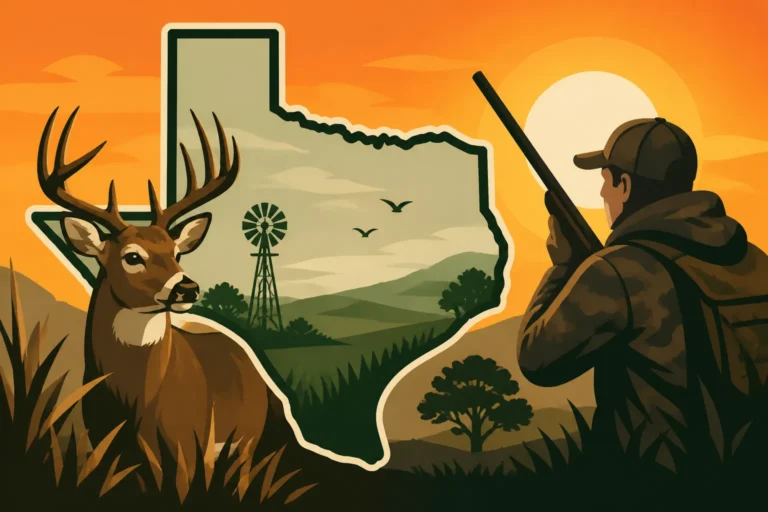
There's a reason South Texas is synonymous with trophy whitetail deer. The unique combination of genetics, nutrient-rich soils, and careful management on many private ranches has consistently produced some of the largest-racked bucks in North America. We're talking about those mature 10-pointers and beyond, with heavy mass and wide spreads that get every deer hunter's heart pounding. It's not just about the size, though. It's the thrill of hunting in dense, unforgiving cover where a buck can disappear in an instant, making every encounter feel earned. The landscape itself, with its thorny brush and vibrant sunsets, adds an almost mythical quality to the pursuit. It's not uncommon to share the habitat with other iconic Texas game species like javelina and wild hogs, making every sit in the blind an exciting unknown. If you're looking for an in-depth look at what makes this region so special for deer, check out our guide on South Texas Trophy Whitetail: Brush Country Bucks.
Unique Challenges and Rewards of the Terrain
Hunting in the South Texas brush country is a far cry from stalking timber in the Pineywoods or glassing wide-open fields. The dense, often thorny vegetation, from mesquite thickets to huisache and prickly pear, makes visibility challenging and tracking difficult. You’re often hunting from blinds overlooking feeders or senderos, or doing slow, methodical still-hunts in areas that feel impenetrable. The heat can also be a significant factor, especially during early season hunts, requiring careful planning for hydration and game care. Despite these challenges, the rewards are immense. Successfully navigating the brush, spotting that elusive mature buck, and making a clean shot in such an environment creates a deep sense of accomplishment. The sheer abundance of wildlife and the opportunity to experience a truly iconic Texas hunting tradition are rewards in themselves. It’s an immersion into a wild, untamed part of the state that offers a profound connection to nature and a hunt unlike any other.
Deciphering South Texas Deer Hunting Package Pricing
The price tags on South Texas deer hunting packages can vary wildly, from a few hundred dollars for a basic day hunt to tens of thousands for an all-inclusive, multi-day trophy hunt. Understanding what drives these costs is crucial to making an informed decision and setting realistic expectations.
The Impact of Quality and Genetics
This is arguably the biggest factor influencing price. Simply put, the bigger the potential antlers, the higher the cost. Ranches that consistently produce Boone & Crockett or Pope & Young class deer invest heavily in selective breeding programs, intense supplemental feeding regimens, and stringent herd management. This includes year-round protein feeding, careful culling of undesirable genetics, and often large, high-fenced properties to control deer movement and ensure genetic purity. When an outfitter markets a "trophy hunt" for a buck scoring 160"+ B&C, you are paying for decades of this intensive management and the probability of encountering such an animal. Management hunts, on the other hand, where the target might be a mature 8-point buck or a cull buck that needs to be removed from the herd, will naturally come at a lower price point because the investment in that specific animal isn't as high. The reputation of the ranch and its consistent track record for producing big deer also plays a significant role in its pricing structure. For those interested in improving their own deer herd, understanding the benefits of Protein Feeding Deer for Bigger Antlers is a game-changer.
Luxury Amenities and Service Levels
Think of it like booking a hotel: a no-frills motel costs less than a five-star resort. The same applies to hunting packages. A basic package might offer comfortable but rustic lodging, simple home-cooked meals, and a no-frills hunting experience. On the other end of the spectrum, luxury packages include exquisite lodges, gourmet meals prepared by a chef, open bars, daily cleaning services, and even amenities like hot tubs, game rooms, or Wi-Fi. These high-end experiences cater to hunters looking for comfort and pampering alongside their hunting adventure. While these luxuries don't directly impact the hunt itself, they significantly contribute to the overall experience and, consequently, the price. It's about deciding whether those creature comforts are worth the extra investment for your personal hunting trip.
Seasonality, Duration, and Group Size
When you hunt and for how long also impacts the price. Peak rut hunting, typically in late November or early December in South Texas, is often the most expensive time to book, as demand is highest for the chance at a mature buck actively seeking does. Early season hunts, while potentially warmer, can also be popular. Late season hunts, especially after the rut, might offer slightly reduced rates but often involve deer that are more wary. The duration of your hunt — whether it's a single day, a weekend, or a full five-day excursion — directly affects the cost. Longer hunts, naturally, cost more. Finally, group size can influence pricing. Some outfitters offer discounts for larger groups, while others might charge a premium for exclusive access to a ranch. Always inquire about group rates if you're planning a trip with friends or family. Knowing the specific Texas Deer Season 2026-2027: Dates by Zone can help you plan and budget accordingly.
Navigating Different Types of Hunting Packages
Just like there are different ways to cook a steak, there are different ways to structure a deer hunt in South Texas. Understanding these package types will help you narrow down what best fits your goals and budget.
Trophy Hunts vs. Management Hunts
The distinction between a trophy hunt and a management hunt is fundamental to understanding South Texas package pricing. A trophy hunt is typically focused on harvesting a buck that meets specific antler criteria, often measured by B&C score or simply by its impressive size and age. These hunts are generally more expensive because of the intensive management required to produce such animals. The outfitter often guarantees or strongly implies the opportunity to pursue a buck of a certain caliber. Success rates are usually high for opportunities, though ethical hunting and shooting proficiency are always paramount.
On the flip side, management hunts are crucial for maintaining a healthy deer population and improving genetics. These hunts focus on removing specific deer from the herd, such as older bucks past their prime, young bucks with poor genetics, or simply harvesting does to balance the sex ratio. These are often more affordable and can be an excellent way to experience a South Texas hunt without the premium price tag of a top-tier trophy buck. They offer a rewarding experience and still put venison in the freezer, while contributing directly to the ranch's wildlife management efforts. Sometimes, a management buck can still be a respectable animal, just not one destined for the record books.
All-Inclusive vs. A La Carte Options
When comparing packages, it's vital to know if you're looking at an all-inclusive deal or one where you'll be paying for extras. All-inclusive packages are fantastic for peace of mind. They typically cover lodging, meals, guide services, transportation on the ranch, and even basic game care like field dressing and caping. Sometimes, they might even include the hunting license itself (though this is less common, always check!). The price you see is often close to the final price you'll pay, minimizing surprises. This is especially appealing for hunters who want a seamless, worry-free experience.
A la carte packages, however, break down the costs, allowing you to pick and choose services. You might pay a daily rate for lodging, then a separate fee for your guide, and another for harvesting a deer based on its size (often a harvest fee structure, like $X for a buck up to 120" B&C, $Y for 121"-140", and so on). While this can seem cheaper upfront, it's crucial to meticulously calculate all potential costs to avoid sticker shock. This option can be good for experienced hunters who might prefer to do their own field dressing or have specific meal preferences, but it requires more attention to detail in budgeting.
Day Hunts, Weekend Getaways, and Extended Stays
The length of your trip is a primary cost driver. Day hunts are the most budget-friendly option. You arrive in the morning, hunt for the day, and depart in the evening. These are perfect for local hunters or those looking for a quick hunting fix without the commitment of an overnight stay. They often don't include lodging or meals but provide access to quality hunting land and sometimes a guide.
Weekend getaways or 2-3 day hunts are probably the most popular option. They offer enough time to settle in, experience multiple hunts, and truly immerse yourself in the South Texas environment. These usually include lodging and meals, and are often the sweet spot for many hunters balancing cost with a quality experience.
Extended stays of 4 days or more are common for trophy hunts or for groups looking for a more relaxed pace. They maximize your time in the field, increasing your chances of finding that specific animal. These longer packages will naturally be the most expensive, but they offer the most comprehensive hunting experience. When considering any of these options, always remember to factor in the cost of your Texas Hunting License: Cost, Types & How to Buy (2026) and any required endorsements.
What to Expect: Typical Inclusions in a Hunting Package
When you're comparing South Texas deer hunting packages, it’s not just about the numbers; it's about what you get for those numbers. A detailed understanding of common inclusions will help you compare apples to apples.
Lodging, Meals, and Hospitality
Most multi-day South Texas hunting packages will include lodging. This can range from comfortable, rustic bunkhouses to luxurious lodges with private rooms and all the amenities. It’s important to clarify the specifics: Are rooms private or shared? Are linens provided? Is there air conditioning (a must in South Texas!)? Similarly, meals are almost always included in multi-day hunts. Expect hearty, often delicious, home-style cooking. Some high-end operations might feature gourmet chefs. Always ask about meal times, dietary restrictions (if needed), and whether non-alcoholic beverages are included. Some places even include beer or wine with dinner. Beyond just food and a bed, good outfitters pride themselves on their hospitality, creating a welcoming and friendly atmosphere that enhances the entire experience. This intangible element can make a huge difference in your enjoyment.
Guide Services and Field Transportation
This is a critical component of any guided hunt. Your guide will be your eyes and ears, helping you navigate the property, spot game, and make ethical decisions. Most packages include a 1:1 or 2:1 hunter-to-guide ratio. For trophy hunts, a 1:1 ratio is often preferred. Clarify if the guide is dedicated to your group or shared among more hunters. Field transportation, typically in a ranch truck, UTV, or ATV, is also standard. This includes getting you to and from blinds or spotting locations, and retrieving harvested game. Make sure to ask about the guide's experience, their knowledge of the specific ranch, and their approach to hunting. A good guide can be the difference between a frustrating trip and a successful, memorable one. They often double as experts on Deer Hunting in Texas: Feeders, Blinds & Tactics and can share invaluable local knowledge.
Game Care: Field Dressing, Caping, and Quartering
After the shot, the real work begins, especially in the warm Texas climate. Most reputable South Texas outfitters include basic game care in their packages. This typically means field dressing your animal immediately after harvest to cool the meat. Caping for a shoulder mount (preparing the hide for a taxidermist) is also usually included, as is quartering the meat for transport. It’s crucial to confirm these services and understand their extent. Will they freeze your meat and cape? Do they have walk-in coolers? Some outfitters might offer additional services like full processing or transportation to a local processor for an extra fee. If you're serious about your harvest, ensure these details are covered; otherwise, you might find yourself scrambling to learn How to Field Dress a Deer in Hot Weather on the fly.
Hunting Licenses, Tags, and Fees: The Oft-Overlooked Costs
This is where many hunters get surprised. While the package price covers the hunt itself, it almost never includes your state hunting license and specific deer tags. You must purchase your Texas hunting license and any required endorsements (like the Archery Endorsement for bowhunting) separately, often before you arrive. These are typically available online through Texas Parks and Wildlife Department (TPWD), at sporting goods stores like Academy Sports + Outdoors, or local bait shops.
Beyond the license, be aware of potential hidden fees:
- Wounding fees: If you wound an animal (draw blood) but don't recover it, many outfitters charge a "wounding fee" equivalent to the full or partial trophy fee. This policy encourages careful shot placement.
- Gratuities: Tipping your guide and lodge staff is customary and expected. This isn't usually included in the package price. Budget 15-20% of the hunt's value for your guide, and a smaller amount for lodge staff.
- Taxidermy/Processing: While game care is often included, full custom processing and taxidermy services are separate costs.
- Travel costs: Your transportation to and from the ranch, whether by car or plane, is your responsibility.
- Alcohol: Unless specifically stated as open bar, alcoholic beverages are usually an extra charge.
Always get a clear, itemized list of what's included and excluded in writing before booking. This prevents uncomfortable surprises down the road.
Here's a quick overview of typical package inclusions and their price impact:
| Feature/Service | Budget Package (e.g., $1,000 – $2,500) | Mid-Range Package (e.g., $2,500 – $5,000) | Premium Package (e.g., $5,000+) |
|---|---|---|---|
| Lodging | Shared bunkhouse, basic amenities | Private room, shared bath, comfortable lodge | Private suite, gourmet lodge, high-end amenities |
| Meals | Hearty home-cooked, set menu | Diverse, quality meals, some customization | Chef-prepared, gourmet, dietary accommodations, open bar |
| Guide Service | 2:1 or 3:1 ratio, experienced guide | 1:1 or 2:1 ratio, professional guide | 1:1 dedicated, highly experienced, often owner/manager |
| Game Quality | Management bucks, mature 8-points, does | Quality mature bucks (e.g., 130-150 B&C), guaranteed opportunity | High-scoring trophy bucks (e.g., 150+ B&C), strong opportunity guarantee |
| Game Care | Field dress, basic cape, quartering | Field dress, detailed cape, quartering, cooler storage | Field dress, expert cape, quartering, freezer service, local processor drop-off |
| Ranch Transportation | Truck/UTV to blinds | Truck/UTV to blinds, some spot-and-stalk capabilities | Comfortable vehicles, extensive field access, flexible transport |
| Other Inclusions | Limited | Some range access, possibly skeet shooting | Wi-Fi, laundry, satellite TV, additional activities |
| Common Exclusions | Licenses, tags, gratuities, wounding fees, full processing, alcohol | Licenses, tags, gratuities, wounding fees, full processing, alcohol | Licenses, tags, gratuities, wounding fees, high-end alcohol |
Choosing the Right South Texas Hunting Outfitter
Finding the perfect South Texas deer hunting package goes beyond just the price tag. It's about finding an outfitter who aligns with your expectations, values, and provides a safe, ethical, and enjoyable experience.
Researching Reputations and Reviews
In today's connected world, there's no excuse not to do your homework. Start by searching for outfitters in the specific South Texas regions you're interested in, such as the storied ranches around Webb, Dimmit, or La Salle counties. Websites like GoHunt often feature outfitter directories and reviews, giving you a starting point. Look for outfitters with a long-standing positive reputation. Read reviews on their websites, social media, and independent hunting forums. Pay attention to consistent themes: do people praise the guides, the food, the lodging, or the quality of game? Are there recurring complaints about misleading pricing, poor guide service, or unsportsmanlike practices? Don't just skim; dig into the details. A truly great outfitter will often have testimonials that mention specific guides or memorable moments, giving you a real sense of what to expect.
Beyond online reviews, don't hesitate to ask outfitters for references from past clients, especially those who hunted similar packages or during the same time of year you plan to go. A reputable outfitter will gladly provide these. Speak to these references directly. Ask them about their overall experience, the accuracy of the outfitter's claims, and if they would book again. Their firsthand accounts are invaluable.
Leveraging Technology for Pre-Trip Scouting
Even if you're hunting on a guided ranch, technology can give you an edge and help you choose the right place. Mapping apps like onX Hunt are invaluable for understanding the terrain, identifying potential bedding areas, water sources, and travel corridors on or near the property (if the outfitter shares details). While you won't be setting up your own stands, familiarizing yourself with the property's layout can enhance your understanding of your guide's tactics and improve your situational awareness during the hunt. Some outfitters might even share maps of their property, allowing you to "virtually" scout before you arrive. You can identify historical deer movement patterns, understand blind placements relative to feeders, or even visualize potential shot distances. This kind of pre-trip preparation not only builds excitement but also shows your outfitter that you're a serious and engaged hunter. Learning How to Scout for Deer Before Season in Texas can be incredibly helpful, even for guided hunts.
Asking the Right Questions Before You Book
Booking a hunt is an investment, so be thorough. Prepare a list of questions and don't be shy about asking them. Here are some critical ones:
- What is the exact price of the package, and what exactly is included and excluded? Get it in writing!
- Are there any additional fees (e.g., wounding fees, trespass fees, non-hunter fees)?
- What is the typical size/score of the deer harvested on this package? Can they provide photos of recent harvests?
- What is the guide-to-hunter ratio?
- What kind of blinds are used (box blinds, tripods, ground blinds)? Are they heated or air-conditioned? (Our guide on Box Blind vs Tripod vs Ground Blind in Texas can help you understand the pros and cons.)
- What are the accommodations like? Private or shared rooms, bathrooms, amenities?
- What are the meals like? Can they accommodate dietary restrictions?
- What is their policy on non-hunting guests?
- What is their cancellation or rescheduling policy? (Crucial in case of unforeseen circumstances).
- How do they handle game care after the harvest? Field dressing, caping, cooling, quartering?
- What kind of success rates do hunters on this package typically experience? Be wary of "guaranteed" kills, but look for high opportunity rates.
- Do they have a taxidermist or processor recommendation in the area?
- What is the gratuity expectation for guides and lodge staff?
- What gear should I bring? (e.g., specific camo, boots, cooler). You might also want to ask about Best Hunting Optics for Texas: Scopes, Binos & Rangefinders they recommend.
A transparent outfitter will answer all these questions clearly and patiently. Be wary of anyone who is evasive or pressures you to book quickly without providing details.
Maximizing Your South Texas Hunting Investment
You've done the research, booked the package, and now the anticipation is building. But the preparation doesn't end there. Taking a few extra steps can significantly enhance your hunt and ensure you get the most out of your investment.
Pre-Hunt Preparation: Physical and Marksmanship
South Texas hunting, especially if you're doing any amount of still-hunting or tracking, can be physically demanding. The brush is thick, the ground can be uneven, and the temperatures can be high. Getting into decent physical shape before your hunt will make the experience more enjoyable and reduce fatigue. This doesn't mean you need to run a marathon, but regular walks, some light cardio, and stretching can make a world of difference.
Even more critical is marksmanship. You owe it to the animal, your outfitter, and yourself to be proficient with your weapon. Practice regularly at the range. Know your rifle's capabilities and your own limitations. Practice shooting from various positions you might encounter in a blind or in the field, not just from a bench. If you're using a new optic or rifle, become intimately familiar with it. A guided hunt often presents a clear, ethical shot opportunity, but it's your responsibility to make that shot count. Don't let a missed opportunity be the one thing that diminishes your expensive trip. Understanding Best Shot Placement for Whitetail Deer is non-negotiable.
Essential Gear for the South Texas Climate
The South Texas climate demands specific gear choices. Even in winter, days can be warm, and nights can be chilly. Layers are always your friend.
- Clothing: Lightweight, breathable, moisture-wicking materials are paramount. Early season hunts might even call for Best Early-Season Camo for Texas Heat. Choose quiet fabrics for stealth. Think neutral earth tones, or effective camouflage patterns.
- Footwear: Snake boots are highly recommended. South Texas is rattlesnake country, and while encounters are rare, protection is better than regret. Comfortable, broken-in hiking boots are also essential for walking the ranch. Consider a pair of the Best Snake Boots for Texas Hunting.
- Hydration: Always carry plenty of water. A good hydration pack is invaluable, even if you’re primarily hunting from a blind. Electrolytes can also be beneficial in the heat.
- Optics: A good set of binoculars is crucial for glassing the brush for deer. A rangefinder will help you confirm distances quickly and accurately from your blind.
- Cooler: While outfitters typically handle game care, having a quality cooler like a YETI or similar brand can be invaluable for transporting your processed meat home. Ensure it's large enough for your anticipated harvest. Consider what makes the Best Cooler to Hold Ice in Texas Heat to protect your venison.
- Miscellaneous: Insect repellent (especially for mosquitoes and ticks), sunscreen, a wide-brimmed hat, sunglasses, a headlamp, and a small first-aid kit are all smart additions.
Post-Hunt Considerations
Once your hunt is over, don't forget the final steps. Ensure your game is properly prepared for transport, whether that's in your cooler or shipped to a taxidermist. Confirm any final payments, including gratuities. If you had a fantastic experience, consider leaving an honest, detailed review for the outfitter. This helps future hunters make informed decisions and rewards the outfitter for their hard work. Most importantly, savor the memories. A South Texas deer hunt is a truly special experience, and the stories and camaraderie will last a lifetime.
Disclaimer
Please note that hunting regulations, license fees, and package prices are subject to change. Always consult the current Texas Parks and Wildlife Department (TPWD) Outdoor Annual and confirm all details directly with your chosen outfitter before making any booking or travel arrangements. This guide is for informational purposes only and does not constitute a guarantee of success or pricing.