Do You Have to Report Deer Harvest in Texas?
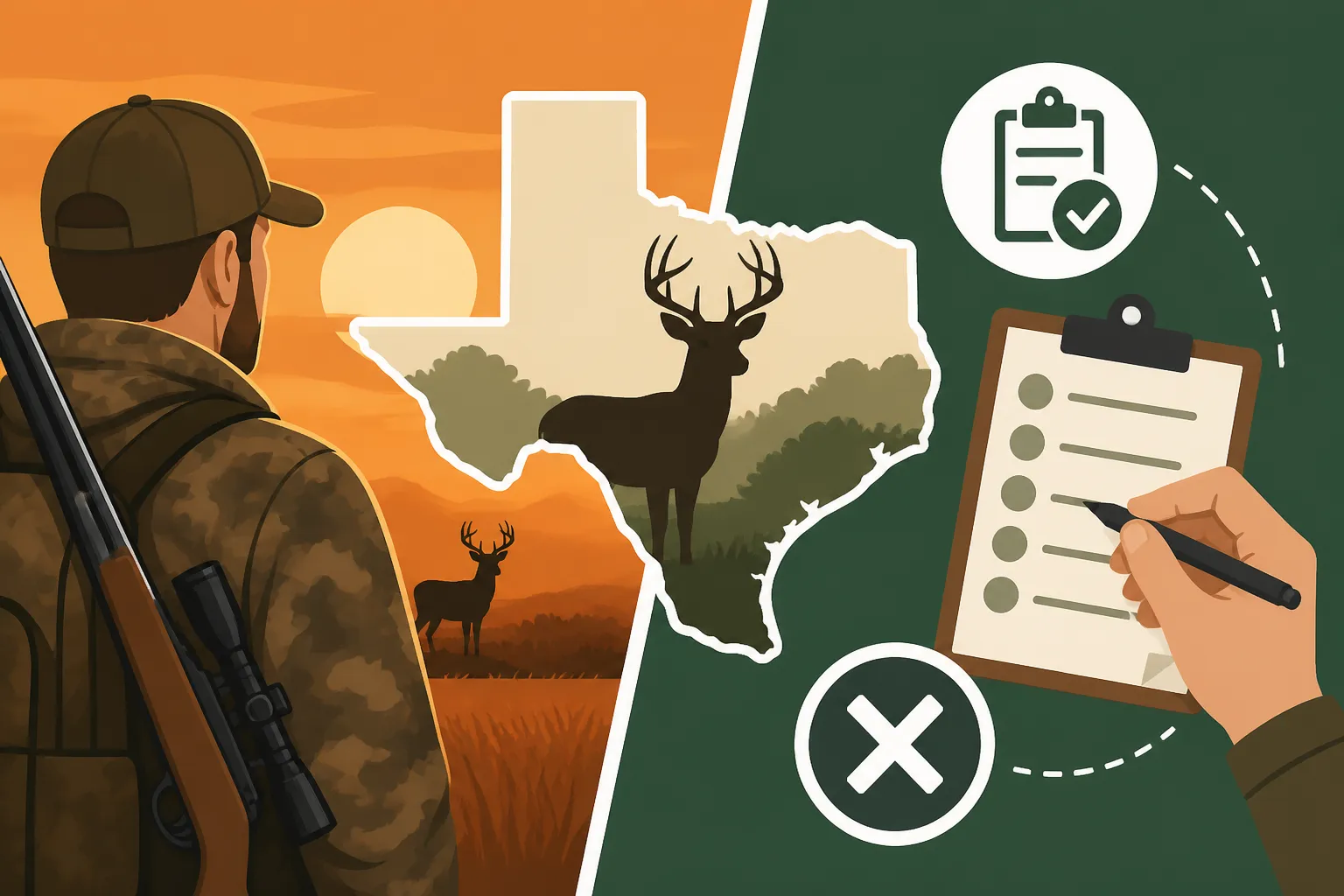
Navigating Texas hunting regulations can sometimes feel like trying to track a ghost in the brush country—confusing and elusive. One common question that pops up, especially for newer hunters or those coming from out of state, is whether you actually have to report your deer harvest here in the Lone Star State. This comprehensive guide will clear up all the confusion, detailing exactly when, how, and why deer harvest reporting is a crucial part of hunting responsibly in Texas.
Understanding the Harvest Reporting Landscape in Texas
Let's get straight to it: The answer to whether you have to report your deer harvest in Texas isn't a simple yes or no; it's nuanced, much like everything else in our great state's hunting scene. Generally speaking, if you harvest a deer that requires a tag, you are legally obligated to complete the appropriate section of your license and, for specific situations, submit a harvest report to the Texas Parks and Wildlife Department (TPWD). This isn't just bureaucratic red tape; it's a vital part of managing our incredible deer populations for future generations of hunters.
Think about it: every time a hunter pulls the trigger, they become a data point. Biologists rely on this data to make informed decisions about bag limits, season lengths, and conservation efforts. Without accurate reporting, they're essentially flying blind, which could lead to mismanagement and negatively impact the very deer herds we all love to pursue. So, while it might feel like an extra step after a long day in the field, it's genuinely for the good of Texas hunting.
Who Needs to Report and What Specifics Are Required
The specifics of deer harvest reporting in Texas can depend on several factors, including the type of deer you've harvested, where you harvested it, and the kind of license or tag you're operating under. It's not a blanket rule for every single deer taken, so understanding the categories is key.
General Season Buck Harvest
For most hunters, harvesting a buck during the general open season involves a straightforward process. Once you've successfully taken your deer, the very first thing you need to do is immediately fill out the appropriate tag from your hunting license. This tag, which includes information like the date of harvest, county, and sex of the animal, must be attached to the deer. This is a non-negotiable step and crucial for legal transport and processing.
However, for a buck taken during the general season, outside of specific Managed Lands Deer Program (MLDP) properties or certain Chronic Wasting Disease (CWD) zones, you are typically not required to physically submit an additional harvest report to the TPWD. Your completed tag, affixed to the animal, serves as your record. It's imperative that you accurately record all information requested on the tag, as this data is summarized by the state. This is part of the system that helps TPWD understand the overall harvest pressure. For more details on tags and how they work, you can always refer to our guide on How Many Deer Tags Do You Get in Texas?.
Antlerless Deer Harvest with Permits or Special Tags
Hunting antlerless deer (does) often introduces another layer of regulation, particularly in counties with strict antler restrictions or when hunting under specific programs. In many counties, hunters need a special antlerless permit or "doe tag" to harvest a female deer. These permits are typically issued by the landowner or TPWD and often come with specific reporting requirements.
For instance, if you're hunting on a property enrolled in the MLDP Tags in Texas: How They Work program, you'll be issued specific MLDP tags. Deer harvested using these tags must be reported to TPWD via their online system or mobile app. These programs are designed to give landowners more flexibility in managing their deer herds, but in return, require meticulous record-keeping and reporting. Similarly, antlerless harvest in certain counties might require an immediate phone call or online report, especially if it's tied to specific population management goals. Always double-check the local regulations for the county you're hunting in, as they can vary wildly, particularly concerning Texas Deer Bag Limit by County.
Chronic Wasting Disease CWD Zones and Harvest Reporting
This is one area where reporting requirements become much more stringent and are absolutely mandatory. If you are hunting in a designated CWD in Texas: Zones, Rules & Carcass Transport zone, harvest reporting for any harvested deer (buck or doe) is a legal requirement. These zones are established to monitor and control the spread of Chronic Wasting Disease, a neurological disease fatal to deer.
In CWD zones, once you harvest a deer, you are required to take it to a mandatory check station within a specified timeframe. At these check stations, biologists will collect tissue samples (usually from the brainstem or lymph nodes) for CWD testing. This process also typically involves collecting detailed harvest information from you. It's not just a recommendation; it's a legal obligation designed to protect our deer herds and prevent further spread of this devastating disease. Failing to comply can result in significant penalties.
The Texas Parks and Wildlife Department Reporting Methods
So, you've got your deer, you've affixed your physical tag, and now you realize you might need to submit an official harvest report. How do you do that? The TPWD has streamlined the process, offering a couple of convenient ways to ensure your harvest data gets recorded accurately.
Online Reporting Through My Texas Hunt Harvest
The primary method for submitting mandatory harvest reports is through the TPWD's "My Texas Hunt Harvest" system. This online platform is designed to be user-friendly, allowing hunters to easily log in and report their harvest details from anywhere with internet access.
Here's a general overview of the steps:
- Create an Account (if you haven't already): You'll need an account linked to your hunting license number. This usually involves setting up a profile on the TPWD website.
- Navigate to the Harvest Reporting Section: Once logged in, you'll find a dedicated section for "Harvest Reporting" or "My Texas Hunt Harvest."
- Enter Deer Details: The system will prompt you for information that usually includes:
- Date of harvest
- County of harvest
- Species (White-tailed deer, Mule deer, etc.)
- Sex of the animal (buck or doe)
- Antler points and spread (for bucks)
- Age of the animal (if known)
- Method of harvest (rifle, bow, muzzleloader)
- Specific tag used (e.g., MLDP, CWD permit)
It's crucial to have all this information readily available before you start the reporting process.
- Submit the Report: After reviewing all the entered data for accuracy, you'll submit the report. You'll usually receive a confirmation number or email, which you should keep for your records. This system is also where you might apply for Texas Drawn Hunts & Public Hunt Draw 2027, making it a central hub for many hunting activities.
Mobile App Reporting
For those who prefer the convenience of their smartphone, TPWD also offers a mobile application that often includes the harvest reporting feature. Apps like the official "Outdoor Annual" app or the "My Texas Hunt Harvest" app (if available as a standalone) provide an on-the-go solution.
The process through the mobile app is very similar to the online portal. You'll log in, find the harvest reporting section, and input the required details. The benefit of the app is that you can often do it directly from the field (if you have service) or shortly after returning to camp, ensuring you don't forget important details. This can be especially handy when you're hunting in remote areas of the Hill Country Hunting in Texas or the vast South Texas Deer Hunting: Brush Country Guide where a desktop computer might not be accessible.
Counties with Specific Reporting Rules
While statewide rules apply, some counties have historically had—or currently have—specific regulations that influence harvest reporting. These are often tied to unique management zones, antler restrictions, or particular population dynamics. It's always a good idea to consult the most current Texas Outdoor Annual or the TPWD website before your hunt to confirm county-specific rules.
For instance, counties in South Texas known for trophy whitetails might have very specific Texas Antler Restrictions: 13-Inch Rule & Counties, and sometimes these restrictions come with enhanced reporting needs or mandatory check stations for compliance verification. While the 13-inch rule itself doesn't always trigger an online report, violating it carries consequences, and proper tagging is essential. Always consult the Texas Hunting Seasons: Complete Calendar by Species to see if your county has any special provisions.
Here's a simplified look at how reporting might differ, though remember to always verify current regulations for your specific hunt:
| Reporting Requirement | General Buck Harvest | Antlerless Harvest (Non-MLDP) | MLDP Harvest (Buck or Doe) | CWD Zone Harvest (Buck or Doe) |
|---|---|---|---|---|
| Physical Tag | Mandatory | Mandatory (if tags issued) | Mandatory | Mandatory |
| Online/App Report | Not typically required | Varies by county/permit | Mandatory | Mandatory (plus check station) |
| Check Station | Not typically required | Rare | Required for some programs | Mandatory |
| Primary Purpose | Basic record, transport | Population management | Intensive management, data | Disease surveillance, management |
This table provides a general guideline. The most critical takeaway is that when in doubt, always check the current Texas Outdoor Annual for the specific county and deer season you are participating in.
The Consequences of Failing to Report Your Harvest
It might seem like a small detail in the grand scheme of a hunting trip, but failing to properly report a deer harvest when required can lead to serious repercussions. This isn't just about getting a slap on the wrist; it can affect your hunting privileges and, more broadly, impact wildlife conservation efforts in Texas.
Legal Penalties and Fines
First and foremost, ignoring mandatory reporting requirements is a violation of state law. Depending on the specific regulation you've overlooked, this could result in significant fines. Game wardens take these rules seriously because they are integral to the sound management of our wildlife resources. Just like forgetting to have your Texas Hunting License: Cost, Types & How to Buy (2026) on you, failing to report could mean a citation and a costly day in court.
Beyond fines, repeat offenses or particularly egregious violations could lead to the suspension or revocation of your hunting license. Imagine being banned from hunting in Texas because you didn't take a few minutes to fill out a form or visit a check station. It's a risk simply not worth taking.
Impact on Wildlife Management and Conservation
Beyond the personal legal consequences, there's a larger ethical and conservation component. Harvest reporting provides biologists with crucial data points that help them assess deer populations, understand herd health, and make informed decisions about future hunting seasons.
If a significant number of hunters fail to report, the data becomes incomplete and potentially misleading. This could lead to:
- Inaccurate Population Estimates: Biologists might overestimate or underestimate deer numbers, leading to inappropriate bag limits or season lengths.
- Missed Disease Outbreaks: In CWD zones, unreported harvests mean potential disease vectors go unchecked, putting the entire deer herd at risk.
- Poor Habitat Management: Without knowing harvest pressure, it's harder to gauge if habitat is supporting the current population adequately, or if improvements are needed.
Ultimately, by properly reporting your harvest, you're contributing directly to the scientific foundation of wildlife management in Texas. You're helping ensure that the deer hunting opportunities we enjoy today will still be available for our children and grandchildren. It’s a small effort with a massive impact.
Final Thoughts on Responsible Deer Hunting
So, do you have to report deer harvest in Texas? The definitive answer is: yes, under specific circumstances. While not every general season buck requires an online report, any deer taken with an MLDP tag, within a CWD zone, or under other special permits absolutely does. And every deer you harvest requires immediate tagging on your license.
The key takeaway here is to always, always check the current regulations in the Texas Outdoor Annual for your specific hunting area and the type of deer you intend to pursue. The rules can shift annually, and county-to-county variations are common. Don't rely on old information or what someone told you years ago. Staying informed is just as important as knowing how to Spot-and-Stalk Hunting in Texas (Exotics & Mule Deer) or Deer Hunting in Texas: Feeders, Blinds & Tactics.
As Texas hunters, we have a responsibility that extends beyond just the kill. It includes respecting the game, adhering to the law, and contributing to the conservation efforts that make our state a premier hunting destination. Taking the time to understand and fulfill your harvest reporting obligations is a crucial part of that responsibility.
Disclaimer
Please remember that hunting regulations can change. While this guide provides comprehensive information, always consult the current year's official Texas Parks and Wildlife Department Outdoor Annual or website for the most up-to-date and legally binding regulations before you head into the field.