Best Trail Camera Without a Subscription
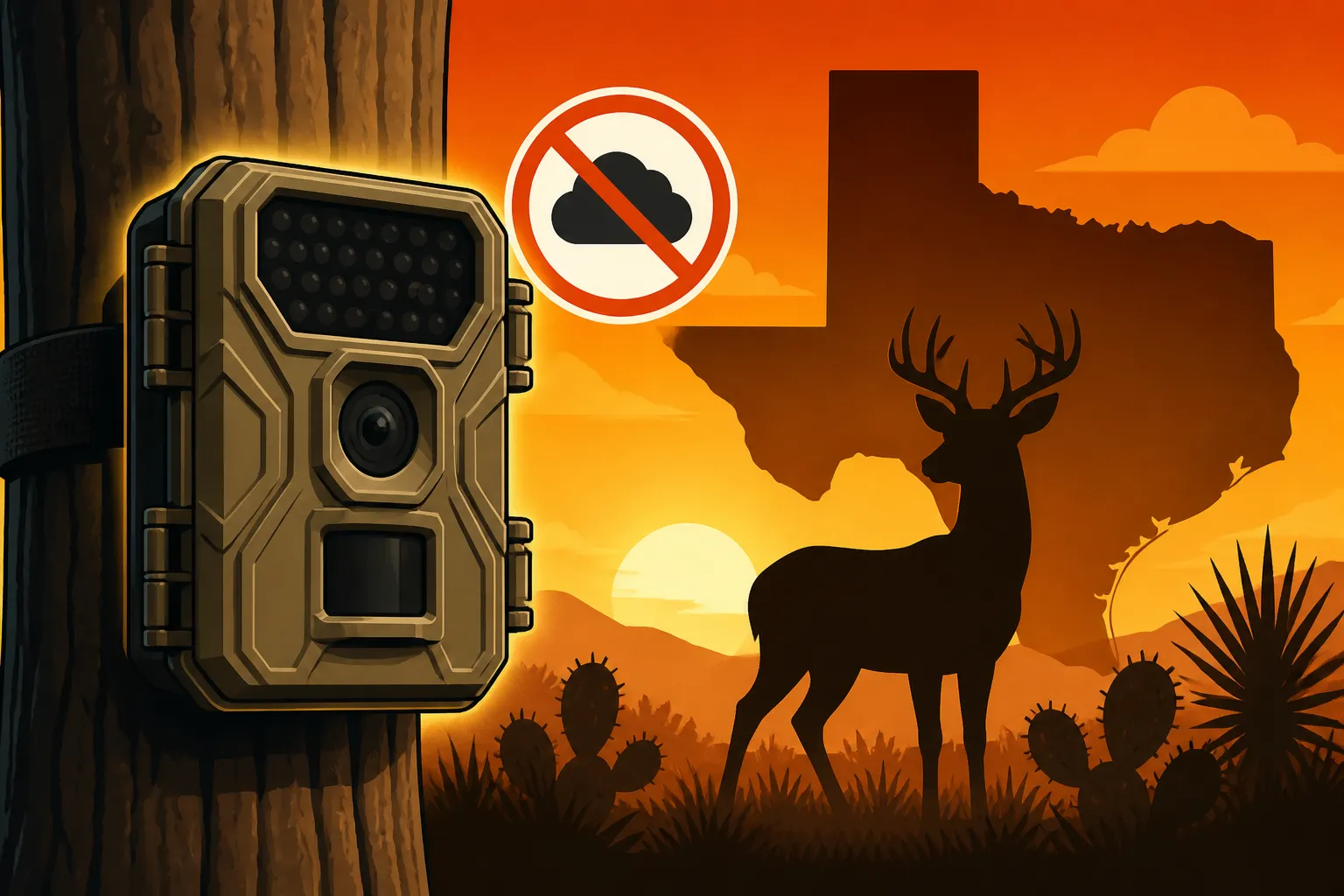
It’s a tale as old as time, or at least as old as cellular technology: you invest in a promising new trail camera, only to realize that unlocking its full potential means shelling out a monthly or annual subscription fee. This can quickly add up, turning what seemed like a smart scouting tool into an unexpected budget drain. This guide is all about cutting those hidden costs, diving deep into the world of dependable, subscription-free trail cameras that help you pattern game without constant recurring charges.
The Frustration of Recurring Trail Camera Subscriptions
For many of us, the idea of paying a monthly fee for a device we already own just feels… wrong. We bought the camera, why should we keep paying for it? This frustration is real, especially when you're trying to manage a hunting budget that already includes lease fees, licenses, and gear. Trail cameras are supposed to make scouting easier, not add another line item to the endless list of expenses.
Why Trail Camera Subscriptions Became a Thing
The rise of cellular trail cameras, with their ability to send images directly to your phone, has revolutionized how many hunters scout. Gone are the days of trekking out to your camera every week to pull an SD card; now, you can get real-time updates from your stand, your home, or even your office. This convenience, however, comes at a cost. Cellular cameras require a data plan, much like your smartphone, to transmit photos and videos over cellular networks. Companies like Moultrie, Tactacam, and SPYPOINT offer various data plans, often bundled with cloud storage solutions, advanced image filtering, or even AI analysis that can identify specific animal species. It’s undeniably powerful technology, allowing you to monitor activity on your deer lease in Texas without ever stepping foot on the property, minimizing disturbance. But that power isn't free.
The appeal is obvious: imagine getting a notification on your phone that a trophy buck just stepped in front of your feeder in Dimmit County, giving you immediate intel. Or being able to check on a remote game trail deep in the Texas Hill Country without making a long drive. These benefits are substantial, particularly for hunters with large leases or those who can only visit their hunting grounds sporadically. The service fees cover the data transmission and often access to proprietary apps and cloud services that store and organize your images, providing a seamless user experience.
The Hidden Costs and Budget Busting
What often starts as an exciting new piece of gear can quickly become a financial burden. One camera might have a reasonable monthly fee, but what if you run five or ten cameras across your property? Those individual subscription costs stack up faster than you can say "trophy buck." Many hunters operate multiple cameras to cover different angles, observe various travel corridors, or monitor specific game movements, like bucks visiting a scrape line. Each camera, unless it’s part of a multi-camera plan (which still costs money), requires its own data plan.
Consider the cumulative cost over a year or several years. A $10/month subscription per camera, for example, is $120 annually. Multiply that by five cameras, and you're looking at $600 a year just for trail camera data. That's money that could be going towards a new rifle scope, better hunting boots, or even contributing to your annual lease payment. For many, these costs are simply not sustainable, especially when you factor in the initial purchase price of the cameras themselves. The dream of remote scouting can quickly turn into a nightmare of recurring charges that eat into your overall hunting budget. It becomes especially frustrating when you realize you're paying for data usage during times when there's minimal activity, such as during the off-season or when animals change their patterns.
When a Subscription Isn't Worth It
Let's be real, not every hunting scenario demands real-time cellular updates. There are plenty of situations where a subscription-free camera is not just sufficient, but actually the smarter choice. If you have a small property or a easily accessible lease where you can check your cameras every few days or once a week, then waiting for images isn't a big deal. You're already on site for other tasks, like filling feeders or checking blinds, so swapping an SD card takes mere seconds.
Similarly, if you're primarily using cameras for general scouting, checking game density, or understanding travel patterns over a longer period, instant notifications might be overkill. Knowing a deer passed through yesterday is often just as valuable as knowing it passed through five minutes ago. For those focused on How to Pattern Bucks With Trail Cameras or simply monitoring general activity, the slight delay in data retrieval from a non-cellular camera is a perfectly acceptable trade-off for zero recurring costs. Think about hunters who place cameras over a new food plot in Texas; they're looking for consistent use, not necessarily real-time alerts. It's about data collection, not immediate action. Plus, in areas with poor cellular service, even the most expensive cellular camera becomes little more than a fancy traditional camera, rendering its subscription useless.
Understanding Non-Cellular Trail Cameras
Before the cellular revolution, all trail cameras were "non-cellular." They captured photos and videos, then saved them to an SD card for later retrieval. This classic setup is still incredibly effective and, crucially, completely free of ongoing fees. While they might lack the instant gratification of their cellular cousins, modern non-cellular cameras have advanced significantly, offering impressive features and reliability.
How Traditional Trail Cameras Operate
At their core, traditional trail cameras are designed to operate autonomously in the wild. They consist of a motion sensor (usually passive infrared, or PIR), a camera lens, an infrared flash (for night photos), and a storage medium, typically an SD card. When the PIR sensor detects a combination of heat and motion within its detection zone, it triggers the camera to take a photo or record a short video. All these images and videos are then saved directly onto the SD card.
To retrieve your captured data, you simply open the camera's housing, remove the SD card, and pop it into a compatible reader on your laptop, tablet, or even your smartphone with an adapter. Some cameras also have a small viewing screen built-in, allowing for quick on-site review, though the screens are often tiny. The simplicity is their strength: no network connection needed, no cloud accounts, and absolutely no monthly bills. They rely solely on battery power and the capacity of the SD card. Manufacturers like Browning, Bushnell, and Stealth Cam have been making reliable non-cellular cameras for years, continuously improving trigger speeds, detection ranges, and battery life to deliver excellent performance.
Key Features to Look for in Non-Subscription Models
Just because you're skipping the subscription doesn't mean you have to compromise on quality or features. Modern non-cellular cameras pack a punch. When you're looking for the Best Gear for Whitetail Deer Hunting in Texas without a subscription, here's what truly matters:
- Megapixels (MP): While higher megapixels generally mean better image quality, don't get hung up on massive numbers. A good 12-20MP camera will provide perfectly clear and detailed photos for scouting purposes. What matters more than the raw MP count is the quality of the sensor and lens.
- Detection Range and Angle: This refers to how far out and how wide the camera's motion sensor can detect movement. A wider angle and longer range mean less chance of an animal walking past without being triggered. Look for cameras with a detection range of 60-80 feet or more.
- Trigger Speed: This is crucial. It's the time it takes from when the sensor detects motion to when the camera actually takes the picture. A fast trigger speed (0.2-0.5 seconds) means you're less likely to get photos of only the deer's hindquarters as it walks by.
- Recovery Speed: Also important, this is how quickly the camera can take a second photo after the first. A slow recovery speed means you might miss multiple animals in a group or a buck lingering around.
- Battery Life: Since you'll be physically visiting the camera, longer battery life is a huge convenience. Cameras that can run for months on a single set of AA batteries (especially lithium ones) are highly desirable. Some even offer external battery pack ports.
- Flash Type (Infrared):
- Low-Glow (or Red-Glow): These LEDs emit a faint red glow when taking night photos. They're typically more powerful and provide brighter night images.
- No-Glow (or Black Flash): These LEDs are completely invisible to humans and animals, making the camera more discreet. The trade-off is often slightly darker night images, but for security or wary game, it's the preferred choice.
- Video Capabilities: Many non-cellular cameras now record high-definition video, often with sound. This can provide much richer detail about animal behavior than still photos alone.
- Ease of Setup and Durability: A camera that's easy to program in the field and built to withstand the elements of the Texas outdoors is always a winner.
Pros and Cons of Going Subscription-Free
Deciding whether to go cellular or stick with subscription-free cameras is a personal choice, often dictated by budget, property size, and how frequently you can visit your setup. Here’s a quick breakdown to help you weigh the options:
| Feature | Cellular Trail Cameras | Non-Cellular Trail Cameras |
|---|---|---|
| Cost | High initial cost + recurring monthly/annual fees | Moderate initial cost, no recurring fees |
| Data Access | Real-time, remote access via app/web | Manual retrieval via SD card, on-site viewing |
| Convenience | High: check cameras from anywhere, minimizes disturbance | Moderate: requires physical visits to retrieve data |
| Stealth | Can be less stealthy (camera "pings" cell towers) | Highly stealthy (no signal transmission) |
| Image Storage | Cloud storage (often included in subscription) | Local storage on SD card |
| Signal Dependency | Requires good cellular signal | No signal needed, works anywhere |
| Maintenance | Battery checks, SD card formatting, app updates | Battery checks, SD card formatting |
| Ideal For | Large leases, remote properties, security, real-time intel | Smaller properties, frequent visits, budget-conscious |
The biggest "pro" of a non-cellular camera is, undoubtedly, the cost savings. Over the lifespan of several cameras, this can amount to hundreds, if not thousands, of dollars. You also gain complete independence from network coverage; as long as the camera has batteries and an SD card, it will work. This makes them ideal for truly remote locations where cell service is spotty or non-existent.
The main "con" is the need for physical retrieval. This means more trips into your hunting area, which can increase human scent and potentially disturb game. It also means a delay in receiving information. If you're trying to figure out if a specific buck is still frequenting your Best Deer Feeder Setup for Texas, you'll have to wait until your next visit to find out. However, for many hunters, especially those who enjoy the ritual of visiting their spots and the anticipation of seeing what the camera captured, these aren't truly downsides but rather part of the experience.
Top Non-Subscription Trail Camera Categories
When it comes to picking a subscription-free trail camera, you'll find a wide range of options tailored to different budgets and needs. From basic models that just get the job done to more advanced units with wireless local access, there’s a camera out there for every hunter.
Budget-Friendly Workhorses
For many, the goal is simple: get reliable pictures of deer and hogs without breaking the bank. Thankfully, the market is flush with excellent budget-friendly non-cellular trail cameras that punch above their weight. These cameras often prioritize core functionality – decent trigger speed, reliable detection, and good battery life – over fancy features.
Brands like Wildgame Innovations, Moultrie (their non-cellular models), and even some entry-level Browning cameras offer solid performance for under $100. For instance, the Moultrie A25i or Wildgame Innovations Terra Extreme are popular choices because they’re easy to set up, operate for long periods on a set of batteries, and capture clear enough images to identify game. You might not get lightning-fast trigger speeds or crystal-clear 4K video, but you'll get consistently useful photos that help you understand game movement. These cameras are perfect for covering multiple areas without a huge investment, allowing you to deploy more units to get a broader picture of activity on your property. They're great for a beginner looking for Best Gear for Beginners in Texas By Budget or seasoned hunters wanting to fill in coverage gaps.
Feature-Rich Standard Cameras
If you're willing to invest a bit more, say in the $100-$200 range, you unlock a category of non-cellular cameras that offer significant upgrades in image quality, video capabilities, and overall performance. These are the cameras that truly shine in their class, giving you many of the benefits of higher-end units without the subscription fees.
Browning's Strike Force and Recon Force series are perennial favorites in this category. They boast impressive trigger speeds (often as low as 0.2-0.3 seconds), excellent detection ranges, and superior battery life, often running for months on a single set of lithium AAs. Their image and video quality, particularly in daylight, are consistently praised, offering crisp details that can help you accurately judge deer antlers or identify specific individual animals. Bushnell's Core series also falls into this category, known for its robust build and dependable performance. These cameras are ideal for hunters who want high-quality scouting data and are willing to make regular visits to retrieve their SD cards. They are perfect for detailed How to Scout for Deer Before Season in Texas projects or for keeping a close eye on activity around a particular watering hole during the brutal Texas summer.
Wi-Fi/Bluetooth Enabled Local-Network Cameras
This category offers a fantastic middle ground for those who want a bit more convenience than traditional SD card retrieval but still despise subscription fees. These cameras don't use cellular networks but instead create their own localized Wi-Fi or Bluetooth network. You connect to this network with your smartphone when you're within a certain range (typically 30-100 feet) and can then view, download, and delete images and videos wirelessly.
Brands like Bushnell with their CelluCORE series (which has cellular models but also non-cellular ones with Wi-Fi/Bluetooth) and some Browning models offer this capability. The convenience is clear: no more fumbling with SD cards in the dark or bad weather. You can check your camera from your truck or a nearby blind without ever touching the unit or disturbing the area immediately around it. This is particularly useful if your camera is placed in a sensitive spot or is difficult to reach. While you still need to be physically present on your property, you don't need to get right up to the camera. It’s a smart solution for optimizing your Best Setup for Hunting Hogs Over a Feeder without constantly contaminating the area with human scent. Remember, these still don't send images to your phone when you're miles away; the wireless connection is strictly local.
Setting Up and Optimizing Your Non-Subscription Camera
Just having a great camera isn't enough; knowing how and where to deploy it makes all the difference. With non-subscription cameras, where you put them and how you manage them becomes even more critical since you won't have real-time alerts.
Strategic Camera Placement for Success
Placement is paramount for any trail camera, but especially so for non-cellular models where every captured image counts. You want to maximize your chances of capturing relevant data about game movement and behavior.
- Game Trails: Obvious, well-used game trails are prime locations. Position the camera perpendicular to the trail, not directly facing it, to increase the chances of getting good broadside shots of animals as they pass through the frame.
- Food Sources: Place cameras overlooking natural food sources or artificial ones like Hunting Over Feeders & Corn in Texas Legal Guide. Deer and hogs are creatures of habit when it comes to feeding. An ideal setup would be to place the camera about 10-15 yards from the feeder, angled slightly down to capture animals of various sizes.
- Water Sources: In Texas, especially during dry periods, water sources are bottlenecks for game. Setting a camera near a stock tank, creek crossing, or even a small seep can reveal consistent traffic.
- Funnels and Pinch Points: Areas where terrain naturally funnels animals, such as narrow strips of woods between open fields, fence lines with crossings, or saddles in hilly terrain, are excellent spots. These are high-traffic zones.
- Bedding Areas (on the edges): While you don't want to intrude directly into bedding areas and risk spooking deer, placing cameras on the downwind side of entry/exit points can provide valuable intel on when and where deer move to and from their resting spots.
- Scrapes and Rubs: During the pre-rut and rut, bucks actively make scrapes and rubs. A camera over a fresh scrape can tell you which bucks are in the area and when they're most active. This is a fantastic way to learn When to Rattle for Bucks in South Texas.
- Sun and Angle: Avoid pointing your camera directly east or west, as direct sunlight can cause overexposed photos and false triggers. Angle it slightly downwards to prevent overshooting animals close to the camera. Ensure it's stable and won't wobble in the wind, which can also cause false triggers.
Maximizing Battery Life and SD Card Management
Since you'll be making physical trips to your camera, getting the most out of your batteries and SD card is key to reducing visits and ensuring you don't miss anything.
- Batteries:
- Lithium Batteries: While more expensive upfront, lithium AA batteries significantly outperform alkaline batteries, especially in extreme temperatures (common in Texas). They maintain a consistent voltage for longer, resulting in better night photos and longer overall life.
- External Power: Some cameras allow for external 6V or 12V battery packs or even solar panels. This can dramatically extend battery life, allowing your camera to run for months, or even a full year, without intervention. This is a game-changer if you’re trying to stretch out visits to a remote corner of your Hunting Leases in Texas Complete Guide Cost & How to Find.
- SD Cards:
- Capacity: Always use high-capacity SD cards (16GB, 32GB, or 64GB are common). This ensures you have enough space for thousands of photos and many hours of video, especially if you set your camera to take multiple photos per trigger or longer videos.
- Speed: Class 10 or higher SD cards are recommended for trail cameras, especially if you're recording video. Faster cards ensure the camera can write data quickly, improving recovery times and preventing missed shots.
- Formatting: Regularly format your SD cards (in the camera itself, if possible) to prevent data corruption and ensure optimal performance. This cleans the card and prepares it specifically for that camera. Always carry spare, formatted SD cards with you to quickly swap out.
- Checking Frequency: Establish a routine for checking your cameras. Depending on activity levels, weekly, bi-weekly, or monthly checks might be appropriate. For active areas, you might need more frequent visits, particularly when you're trying to nail down patterns for Best Time of Day to Hunt Whitetail in Texas.
Using Non-Cellular Data for Patterning Deer
The data gathered from your non-cellular cameras is invaluable for successful hunting. It just requires a bit more hands-on analysis. Don't underestimate the power of these images and videos.
- Time and Date Stamps: Every image and video will have a time and date stamp. This is gold. Track when specific animals are active, when they visit certain spots, and how their patterns change throughout the day and across the hunting season. You can easily create a simple spreadsheet to log this information.
- Travel Corridors: By placing cameras strategically along various trails, you can identify preferred travel routes between bedding, feeding, and watering areas. This helps you understand the bigger picture of deer movement on your property.
- Buck Behavior: Over time, you can begin to identify individual bucks by their antler characteristics. This allows you to track specific animals, understand their home range, and observe their behavior leading up to the rut. Are they making new rubs? Visiting scrapes more frequently? This intel is vital for Rut Hunting Tactics Rattling & Grunting in Texas.
- Pre-Season Scouting: Before Texas Deer Season 2026-2027 Dates by Zone even opens, non-cellular cameras are your best friends. They help you take inventory of the local deer herd, identify potential target bucks, and get a feel for their summer patterns before they transition into fall.
- Hunting Pressure Assessment: By comparing activity levels before and during the season, you can gauge the impact of hunting pressure. If deer activity suddenly shifts to nighttime, it might be a sign of increased pressure.
Analyzing this data helps you make informed decisions about stand placement, hunting times, and even where to focus your efforts for a given day. Apps like GoHunt, for example, offer robust mapping tools that allow you to mark camera locations, track game sightings, and overlay historical weather data with your camera intel, providing a comprehensive view of your hunting area. Even without a cellular connection, the insights gained are substantial.
Alternative Approaches to Remote Monitoring Without Fees
While trail cameras are fantastic tools, they're not the only way to gain intel on your hunting property. Sometimes, the best "monitoring system" is a combination of traditional skills and smart planning, all without any subscription fees.
The Power of Manual Scouting and Glassing
Before trail cameras, hunters relied on their eyes, ears, and tracking skills. These fundamental methods are still incredibly effective and provide a level of understanding that no electronic device can fully replicate.
- Boots on the Ground: Nothing beats walking your property, looking for tracks, scat, rubs, scrapes, and bedding areas. This hands-on approach connects you directly to the land and the animals on it. You can discover subtle nuances in terrain or game movement that a camera might miss. Pay attention to White-Tailed Deer Hunting Tactics for Texas such as where deer might naturally funnel due to topography.
- Glassing: High-quality binoculars and spotting scopes are essential for remote scouting, especially in open country or food plots. Finding the Best Binoculars for South Texas Brush can make all the difference. Get to a high vantage point before dawn or in the late afternoon and systematically glass fields, distant tree lines, and open areas. You can cover a huge amount of ground visually, identify key travel paths, and even spot specific animals from a distance without disturbing them. This is particularly effective in regions like the Texas Panhandle for Mule Deer Hunting in Texas Panhandle & Trans-Pecos.
- Learning Sign: Become an expert at interpreting deer sign. Fresh tracks tell you recent activity. Varying sizes of rubs can indicate buck dominance. Observing which plants are browsed indicates preferred forage. These details paint a picture of animal presence and behavior without needing a camera.
These methods not only save you money but also enhance your connection to the outdoors and sharpen your hunting instincts. They are excellent complements to non-cellular trail cameras, filling in the gaps where cameras can't reach or provide real-time observation.
Leveraging Free Public Data Sources
The internet is a treasure trove of information, and many resources are completely free to use. You can often gain valuable insights into game patterns, weather, and even local land features without spending a dime on subscriptions.
- Texas Parks and Wildlife Department (TPWD): The TPWD website is an absolute goldmine. It offers detailed information on Texas Hunting Seasons Complete Calendar by Species, bag limits, and often provides localized reports on deer herd health, rut timing, and general game populations. Knowing the general timing of the rut in your region can guide your camera checks and hunting efforts.
- Weather Apps and Websites: Real-time and historical weather data can inform your scouting. Cold fronts, significant rain events, and temperature swings all influence deer and hog movement. Use this information to predict when animals might be more active or where they might seek shelter.
- Online Mapping Tools: While some advanced mapping apps like onX Hunt or HuntStand require subscriptions for premium features, basic satellite imagery and topographic maps are freely available through services like Google Maps or even the free tiers of dedicated hunting apps. These can help you identify potential bedding areas, water sources, and travel corridors from an aerial perspective. You can mark potential camera locations before ever stepping foot on the property, creating a scouting plan.
- Forums and Social Media Groups: Local hunting forums or Facebook groups can sometimes offer anecdotal evidence of game movement or patterns in your specific area. Always take these with a grain of salt, but they can sometimes provide useful leads or confirm suspicions you already have.
By combining your ground-level observations with publicly available data, you can build a robust understanding of your hunting area and the animals within it, all without dipping into your wallet for another subscription.
Combining Non-Cellular Cams with Occasional Visits
For many hunters, especially those with busy schedules or leases a few hours from home, the most realistic approach is a hybrid one: relying on non-cellular cameras and scheduling strategic, infrequent visits. This minimizes disturbance while still providing consistent data.
- Planned Trips: Instead of spontaneous checks, plan your visits around key events like the full moon, significant weather changes, or pre-rut activity. Coordinate with your hunting partners if you're on a lease.
- Batch Tasks: When you do visit, make the most of your time. Combine camera checks with other tasks like filling feeders, checking food plots, or refreshing mineral sites. This optimizes your presence on the property and reduces overall intrusion.
- Reviewing Data at Home: The beauty of non-cellular cameras is that you bring the data home. You can comfortably review hundreds or thousands of photos and videos on a large screen, analyze patterns, and make decisions without feeling rushed in the field. This allows for more thorough analysis of buck movement, herd composition, and preferred times of travel. You can even use the data to refine your Best Trail Camera for Lease Monitoring strategy for the following season.
- Minimizing Scent: When visiting cameras, always be mindful of your scent. Approach cameras from downwind, wear rubber boots, and consider using scent-eliminating sprays to minimize your impact. This is crucial for maintaining the natural behavior of game around your camera setups.
This balanced approach provides a wealth of information without the recurring costs, allowing you to stay connected to your hunting grounds on your terms.
Maintaining Your Subscription-Free Trail Camera Investment
Just like any other piece of hunting gear, your trail camera needs a little love and attention to perform reliably season after season. Proper maintenance not only extends the life of your camera but also ensures you don't miss that crucial buck photo.
Regular Maintenance and Troubleshooting Tips
Trail cameras are exposed to the harsh Texas elements, from scorching summer heat to unexpected freezes and everything in between. They need periodic care.
- Cleaning: Regularly wipe down the lens, PIR sensor, and flash window with a soft, clean cloth. Dust, spiderwebs, and dirt can obstruct the sensor or blur images. If the lens is particularly dirty, a lens cleaning kit designed for optics will work wonders. Don't forget to clean the housing itself; mud, bird droppings, or even algae can accumulate.
- Seals and Gaskets: Check the rubber seals and gaskets around the camera housing and battery compartment. These are critical for keeping moisture and insects out. If they appear cracked, dry, or damaged, they may need replacement. A little silicone grease can help keep them pliable. Water intrusion is one of the quickest ways to ruin a camera.
- Battery Contacts: Inspect the battery contacts for corrosion. If you see any, gently clean them with a pencil eraser or a cotton swab dipped in rubbing alcohol. Corroded contacts can lead to power issues and inconsistent performance.
- Firmware Updates: Periodically check the manufacturer's website for firmware updates. These updates can improve camera performance, fix bugs, or even add new features. Updating firmware usually involves downloading a file to an SD card and inserting it into the camera. It’s an easy way to keep your camera operating at its peak.
- Troubleshooting Common Issues:
- No Photos: First, check batteries. Are they dead or inserted correctly? Next, verify the SD card is formatted and not full or corrupted. Check the camera settings – is it armed? Is the PIR sensor clear?
- False Triggers: This is often caused by branches or tall grass moving in the wind in front of the camera, or direct sunlight. Clear the area around the camera or reposition it to avoid these issues.
- Poor Night Photos: Ensure the flash is clean. Check battery levels (low batteries often affect flash performance). Make sure no reflective objects are too close to the camera, causing a washout.
Protecting Your Camera from Theft and Wildlife
It's a sad reality, but trail cameras can be targets for theft, and curious wildlife can sometimes damage them. Taking precautions can save you money and headaches.
- Security Lock Boxes: Many manufacturers offer steel security boxes specifically designed for their cameras. These boxes encase the camera and can be secured to a tree with bolts or lag screws. A padlock then secures the camera inside the box.
- Python Locks/Cables: A sturdy cable lock, like a Master Lock Python cable, can be threaded through the camera's security slots and around a tree. While not impenetrable, it acts as a deterrent and makes a quick snatch-and-grab much harder.
- Strategic Placement: Sometimes, the best defense is invisibility. Place your camera slightly off the main trail, obscured by brush, or higher up on a tree (angled down). The harder it is to spot, the less likely it is to be stolen.
- Animal Protection: Bears, raccoons, and even hogs can sometimes get curious and damage cameras. Placing cameras higher, using metal security boxes, or even adding a small, sturdy cage can deter animal interference. Ensure straps are tight so the camera can't be knocked off easily.
- Marking Your Gear: Engraving your name or a unique identifier on your camera and lock box can help prove ownership if a stolen camera is recovered.
Investing a small amount in security measures can protect your valuable scouting tools and ensure your data collection continues uninterrupted.
When to Upgrade or Expand Your Camera Network
Even the most reliable non-cellular camera will eventually need replacing, or you might find your scouting needs growing beyond what a single camera can provide. Knowing when to upgrade or expand is part of being a savvy hunter.
- Technological Advancements: Camera technology evolves rapidly. If your camera is several years old, you might be missing out on faster trigger speeds, better night vision, or superior video quality that newer models offer. For example, modern cameras are significantly better at capturing clear images of a fast-moving hog than older units.
- Increased Property Size or Lease: If you acquire a larger hunting lease or expand your hunting areas, your existing camera network might not be sufficient. Adding more non-cellular cameras is a cost-effective way to increase coverage.
- Changing Scouting Goals: Perhaps you've moved from general scouting to specifically targeting a mature buck whose patterns are hard to pin down. More cameras, placed strategically, might be necessary to get enough data.
- Camera Failure: Unfortunately, cameras do fail. When one bites the dust, it's an opportunity to assess your needs and consider upgrading to a newer, more robust model that offers better features without the subscription burden.
- Considering a Hybrid Approach: You might decide that while most of your cameras will remain non-cellular, a single cellular camera in a key, high-traffic area could provide valuable real-time alerts. This creates a balanced system where you get targeted instant intel alongside broad, budget-friendly coverage.
Ultimately, the best trail camera for you is one that meets your scouting needs, fits your budget, and helps you become a more successful and informed hunter, all without the hidden burden of ongoing subscription fees.
Disclaimer
The information provided in this article is for general educational and informational purposes only and does not constitute professional advice. Hunting regulations, seasons, and requirements can change frequently. Always consult the latest official regulations from the Texas Parks and Wildlife Department (TPWD) or other relevant authorities before engaging in any hunting activities. The author and publisher are not responsible for any actions taken based on the information in this article.