How to Hunt Javelina in South Texas
Hunting javelina in the dense, thorny brush of South Texas can be a truly wild and challenging experience. These compact, often misunderstood creatures are known for their keen senses and tight-knit herds, making them tricky critters to track down. If you’ve been scratching your head wondering how to get one of these unique animals in your sights, this comprehensive guide will walk you through the specifics of how to hunt javelina in South Texas, covering everything from their habits to the most effective tactics.
Understanding Javelina: South Texas's Unique Resident
Before you can successfully hunt javelina, you really need to understand what makes them tick, especially in their preferred South Texas stomping grounds. These aren't your typical feral hogs; they're peccaries, a completely different species with their own set of behaviors and characteristics. Knowing these nuances is key to filling your tag.
The Peculiar Pecary: Javelina Biology and Behavior
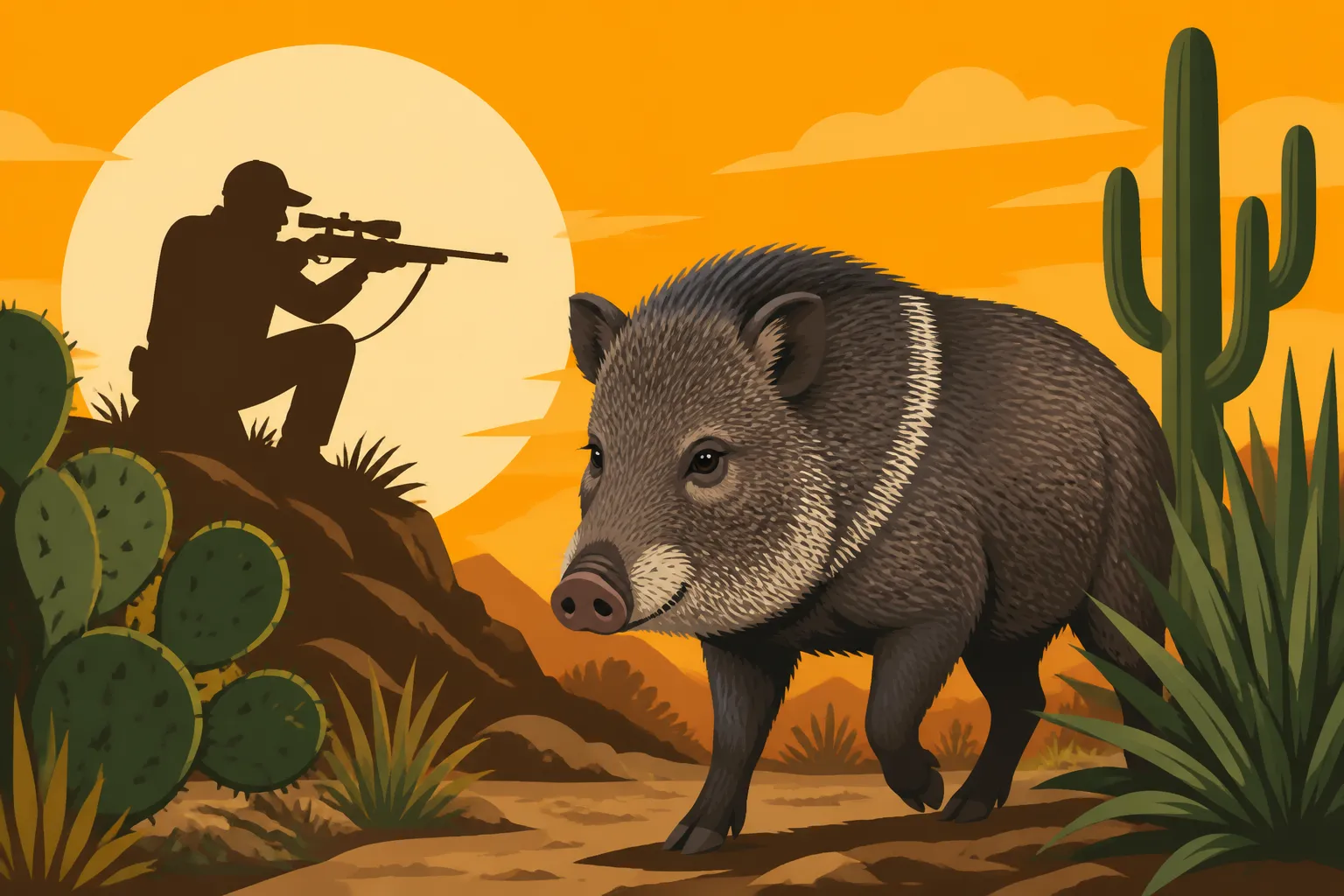
Javelina, or collared peccaries, are fascinating animals. They're typically found in herds ranging from a few individuals to more than 20, and these herds are constantly on the move, covering territories of a few hundred acres to over a thousand. They communicate through a series of grunts, woofs, and teeth clacking, which can be quite startling when you stumble upon a herd. Their eyesight isn't fantastic, but their sense of smell is absolutely incredible, which is their primary defense mechanism against predators. This is why scent control is paramount when you're hunting them. They also have a distinctive musk gland on their rump that they use to mark territory and each other, which produces a scent that's often described as a strong, musky skunk-like odor. When you catch a whiff of that in the brush, you know you're close!
These animals are herbivores and omnivores, primarily feeding on prickly pear cactus, mesquite beans, roots, tubers, and various fruits and insects. This diet makes them perfectly suited for the arid and semi-arid regions of South Texas, where prickly pear is abundant. They are particularly active during the cooler parts of the day – early mornings and late afternoons – seeking shade during the intense midday heat. During cold snaps, however, you might find them out foraging more frequently to maintain their body temperature. Their adaptability to harsh environments is truly remarkable, allowing them to thrive where many other species struggle.
Prime Javelina Habitat in South Texas
When we talk about South Texas, we're really talking about the classic "brush country" – a landscape dominated by dense, thorny vegetation like mesquite, prickly pear, granjeno, guajillo, and various acacias. This thick cover provides javelina with everything they need: food, water, and most importantly, protection from predators and the scorching Texas sun. You'll find them concentrating near reliable water sources, whether that's natural tanks, stock ponds, or even man-made guzzlers. Their home range often includes thick draws, creek beds, and dense areas of prickly pear.
Counties in South Texas like Webb, Dimmit, La Salle, Maverick, and Duval are renowned for their healthy javelina populations. These areas offer the ideal mix of dense cover and diverse food sources. While they can be found across a broader range, the true heart of javelina country is definitely the southern part of the state, extending down towards the Rio Grande. Knowing this helps you narrow down your scouting efforts. Look for signs like chewed prickly pear pads, tracks in dusty senderos, and small, distinct droppings, often near their bedding areas under thick brush.
Mastering Javelina Hunting Tactics
Hunting javelina successfully in South Texas requires a blend of patience, stealth, and adapting to their habits and the challenging terrain. Forget those wide-open field hunts you might be used to; this is a close-quarters game in the thick stuff.
Spot and Stalk in the Brush
Spot-and-stalk is arguably the most exciting and challenging way to hunt javelina, especially for those who love to be truly immersed in the landscape. It demands exceptional patience and a keen eye. The trick here is to use any elevation you can find – a slight rise, a dirt tank dam, or even climbing into a low-hanging mesquite – to get above the brush and scan. Early mornings and late evenings are prime times, as javelina will be out feeding. Use good binoculars to pick apart the shadows and look for movement, or that tell-tale dark, bristly hide.
Once you spot a herd, the real work begins. You need to assess the wind direction immediately, as their nose is their superpower. Always approach downwind. Move slowly, deliberately, and quietly, using every piece of cover available. Those thorny bushes that feel like they're trying to snag every piece of your clothing? They're your best friend for concealment. Wear sturdy Snake Boots vs Snake Gaiters Which for Texas? to protect yourself from thorns and rattlesnakes. The goal is to get within comfortable shooting range, typically 50-100 yards, without being detected. This often means crawling, stooping, and taking minutes to cover just a few yards. A good quality rangefinder, like those mentioned in our guide to Best Rangefinder for Texas Hunting, can make all the difference in judging those tricky distances in thick cover.
| Tactic | Best Time | Key Skill Required | Advantages | Disadvantages |
|---|---|---|---|---|
| Spot & Stalk | Early Morning, Late Afternoon | Stealth, Patience, Wind Reading | Exciting, Active Hunting, Covers More Ground | Demanding, Easy to Spook Javelina, Thorny Brush |
| Stand Hunting | Morning, Evening | Patience, Scent Control | Less Physical, Good for Multiple Hunters, Cover | Can Be Slow, Limited Mobility, Weather Dependent |
| Calling | Any (with caution) | Sound Mimicry | Can Draw Javelina Closer, Exciting Encounters | Can Attract Predators, Not Always Effective |
Stand Hunting Over Feeders or Water
If the thought of battling thorny brush isn't quite your cup of tea, or if you prefer a more stationary approach, stand hunting over a known javelina spot can be highly effective. Javelina are creatures of habit, and if they have a reliable food or water source, they will frequent it. Setting up a comfortable Box Blind vs Tripod vs Ground Blind in Texas is crucial, especially during the colder parts of the season or in areas with less natural cover.
The key to successful stand hunting for javelina is scouting. Use How to Pattern Bucks With Trail Cameras (which also work great for javelina!) to identify their travel routes and feeding patterns. Look for areas where prickly pear is abundant, or near stock tanks and small ponds. While baiting javelina isn't as common as it is for deer or hogs, a little cracked corn or even some old fruit scraps can definitely entice them to visit a spot consistently, though check local regulations regarding baiting before doing so. When setting up your blind, consider the prevailing wind to ensure your scent doesn't spook the herd before they even get close. I've had many successful javelina hunts simply by sitting quietly near a well-used game trail leading to a water source in the late afternoon, often seeing multiple herds come and go.
Calling Javelina: An Exciting Option
Calling javelina is a tactic that can either be incredibly effective or completely useless, depending on the situation and the mood of the herd. It's often used in conjunction with spot-and-stalk or as a way to draw out a herd you know is in the area but can't quite see. Javelina calls typically mimic the distressed cries of a young javelina or a predator call (like a varmint call) designed to sound like a predator attacking a small animal.
The idea is that the distress call might pique their curiosity or, in the case of a predator call, elicit a defensive response from the herd. I've personally had javelina come charging in, grunting and popping their teeth, when using a distress call. It can be a heart-pounding experience! However, be aware that calls can also attract other predators like coyotes, so always be prepared for anything. If you're going to try calling, ensure you have good cover and are ready for a quick shot. It's an advanced tactic, but when it works, it's one of the most thrilling ways to hunt them.
Essential Gear for South Texas Javelina
Hunting javelina in South Texas requires specific gear considerations due to the terrain, vegetation, and the animals themselves. Don't underestimate the need for proper equipment; it can make or break your hunt.
Firearm and Ammunition Choices
For javelina, you don't need a heavy-hitting magnum, but you do want something accurate and reliable. Any centerfire rifle suitable for deer, such as a .223, .243, 6.5 Creedmoor, or .30-30, will work perfectly. Shot placement is key, usually aiming for the shoulder or just behind it. Even a .22 Magnum can be effective at close ranges if you're confident in your shot. For those who prefer a challenge, Bowhunting Hogs in Texas: Tips can be adapted for javelina, though shots will need to be very close. Just remember that javelina have a tough hide, so a good quality bullet designed for penetration is always a smart choice.
Handguns are also a popular choice for javelina, especially for hunters who enjoy a close-range challenge. A .357 Magnum, .44 Magnum, or even a 10mm Auto can be very effective. Again, accuracy and bullet choice are more important than sheer power. Whatever firearm you choose, practice with it regularly to ensure you're proficient and comfortable taking an ethical shot in field conditions.
Optics and Scouting Tools
Given their keen sense of smell and preference for thick cover, optics are vital for spotting javelina before they spot you. A good pair of binoculars, at least 8x or 10x magnification, will be invaluable for scanning the brush. A rangefinder is also essential, especially when stalking, to accurately judge distances in confusing terrain. Look for models built to withstand harsh conditions, as South Texas can be dusty, hot, and sometimes wet.
For scouting, Best Cellular Trail Cameras for Texas (2027) are game-changers. Place them near water sources, prickly pear thickets, or known travel corridors. The ability to monitor activity remotely saves you time and reduces disturbance in the hunting area. This allows you to understand their patterns without having to be physically present and risking spooking them. Knowing when and where they're moving gives you a significant advantage.
Personal Comfort and Safety Gear
South Texas is notorious for its challenging environment. The heat, the thorns, and the occasional wildlife encounters mean you need to come prepared. First and foremost, durable Best Snake Boots for Texas Hunting are a non-negotiable item. You'll be walking through some serious brush, and protection from thorns, cactus spines, and venomous snakes is paramount.
Lightweight, breathable clothing in camouflage patterns suitable for arid environments is also key. Think long sleeves and pants to protect from the sun and thorns, even if it's hot. Don't forget a wide-brimmed hat to keep the sun off your face and neck. Hydration is critical – carry plenty of water, even on short hunts, and consider a hydration pack. Finally, a good quality hunting knife, like those mentioned in Best Hunting Knife for Field Dressing, is essential for processing your animal. Field dressing javelina isn't much different than a small deer, so having a sharp blade is a must.
Navigating Javelina Regulations and Ethics
Hunting javelina, like any game animal in Texas, comes with a specific set of rules and ethical considerations. Staying informed and hunting responsibly is part of being a good steward of the land and its wildlife.
Texas Javelina Season and Bag Limits
Javelina hunting regulations in Texas are generally quite liberal, reflecting their healthy populations. Most counties in South Texas have an open season that runs year-round, which is fantastic for hunters looking for opportunities outside of traditional deer season. However, it's absolutely crucial to always double-check the latest regulations in the current Texas Outdoor Annual, as zones and specific county rules can sometimes change. For instance, some counties might have specific season dates, while others are open all year. The statewide bag limit is typically two javelina per license year.
You will need a valid Texas hunting license to hunt javelina. A standard general hunting license or a Super Combo License will cover you. Unlike deer, javelina do not require separate tags or harvest reporting through services like My Texas Hunt Harvest, making the process a bit simpler. Always ensure you are hunting legally and responsibly. You can find detailed information on Javelina Season & Bag Limit in Texas in the official regulations.
Ethical Hunting Practices
Ethical hunting goes beyond simply following the law; it's about respecting the animal, the land, and the hunting tradition. For javelina, this means prioritizing a clean, humane kill. Take the time to ensure you have a clear shot and are within your effective range. Avoid "potshotting" at running animals or taking low-percentage shots. If you wound an animal, make every effort to track and recover it, no matter how thick the brush or how challenging the conditions.
Consider the role of javelina in the ecosystem. While they are abundant, they are still a valuable part of Texas's natural heritage. Don't waste the meat; javelina can be surprisingly good table fare when properly prepared, often compared to pork with a slightly gamey flavor. Our guide on Field Dressing & Processing Game in Texas Heat offers excellent advice that applies well to javelina too. Practice good sportsmanship, respect private property, and leave no trace behind. These principles ensure that javelina hunting remains a viable and enjoyable activity for generations to come.
Disclaimer
Please remember that hunting regulations, seasons, and bag limits are subject to change by the Texas Parks and Wildlife Department. Always consult the most current Texas Outdoor Annual or their official website before planning any hunting trip to ensure compliance with all applicable laws. This guide is for informational purposes only and should not replace official regulatory documents.