Best Hunting Method for Bobcat in Texas
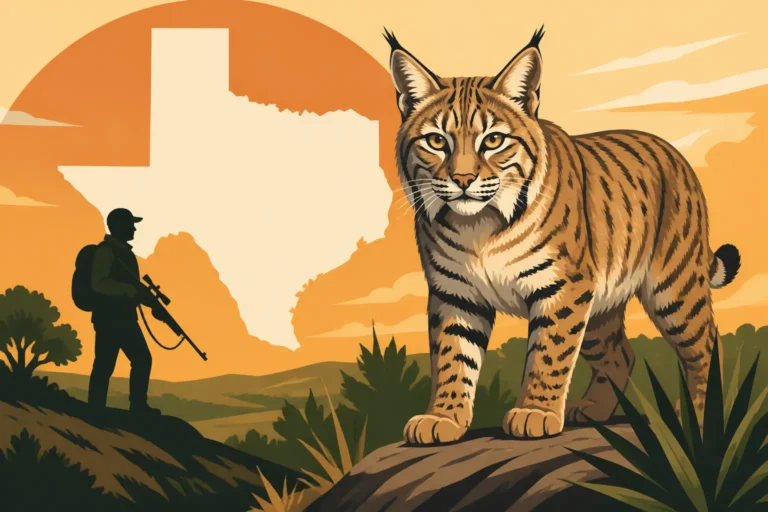
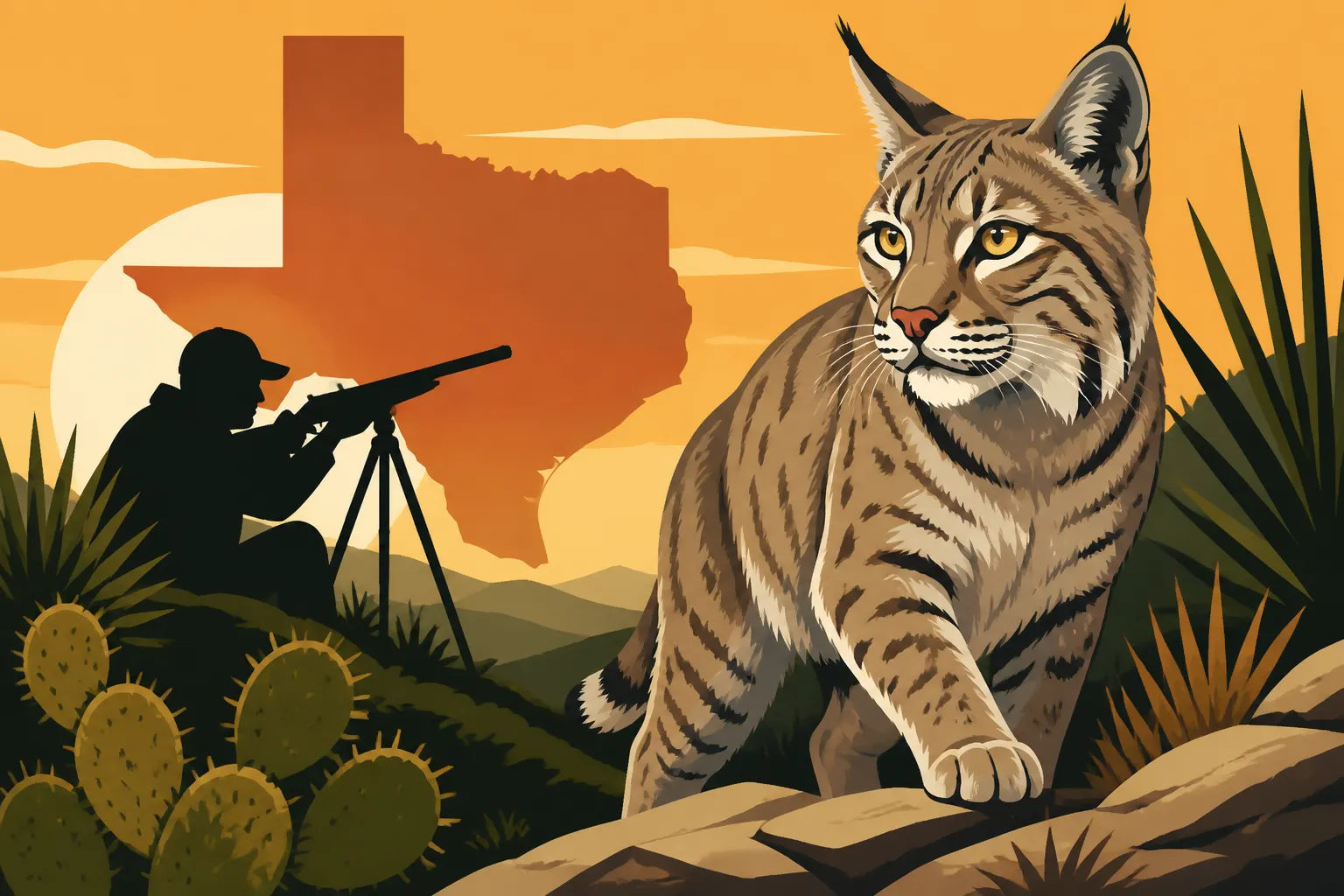
If you have ever spent a cold winter night in a South Texas blind or sat perfectly still against a cedar tree in the Hill Country, you know the frustration of calling for hours only to see nothing but a curious raccoon. Bobcats are the true ghosts of the Texas brush, and while they are plentiful, they are notoriously difficult to target. This guide breaks down the most effective hunting methods to help you finally outsmart these elusive predators.
Predator Calling The Most Effective Way to Target Texas Bobcats
When it comes to active hunting, nothing beats predator calling. However, the biggest mistake most hunters make is treating a bobcat like a coyote. While a coyote might come charging in at a dead run, a bobcat is a calculated stalker. They use every bit of cover available, moving slowly and stopping frequently to observe. If you aren't patient, you will blow the stand before the cat even reveals itself.
Choosing the Right Sounds and Frequency
The sounds that work for Predator Calling for Coyotes in Texas will often work for bobcats, but the delivery needs to be different. Bobcats are highly visual and respond exceptionally well to high-pitched, frantic distress sounds. Think of bird distress, kitten cries, or rodent squeaks. While a rabbit distress call is a staple, many veteran hunters prefer the "woodpecker in distress" or "nutty nuthatch" sounds for cats.
When using an electronic caller, which you can easily find on Amazon, consistency is key. Unlike coyotes, where you might call for a minute and then sit in silence, bobcats often need a continuous sound to keep them interested. If the sound stops, the bobcat's short attention span might cause it to wander off or simply sit down and wait. Keep the volume moderate; their hearing is incredible, and a sound that is too loud can feel unnatural in the quiet Texas brush.
Stealth and Setup Tactics
Your setup is the most critical component of a successful call. Bobcats have legendary eyesight. If you are sitting on the ground, you need to be tucked into the shadows with the sun at your back. Using a high-quality ghillie suit or 3D leafy camouflage can help break up your silhouette. You can often find affordable camouflage netting and portable blinds on Amazon that are perfect for creating a quick, effective hide.
The wind is your second biggest concern. Even though bobcats rely heavily on their eyes, they will still try to circle downwind of a sound. Position yourself so you have a clear view of the downwind side of your caller. If you are hunting in thick brush, try to find a "senderos" or a clearing where the cat is forced to step out into the open to investigate the sound. Always remember that a bobcat may take 20 to 30 minutes to show up, so do not get discouraged and leave too early.
Night Hunting with Thermal and Night Vision
Because bobcats are primarily nocturnal, your success rate increases exponentially once the sun goes down. In Texas, it is legal to hunt non-game animals like bobcats at night on private property. This is where modern technology has completely changed the game. If you are struggling to see movement during the day, switching to a night setup is often the "silver bullet" for predator control.
The Advantage of Thermal Scopes
Thermal technology allows you to see the heat signature of a bobcat even when it is tucked deep into a prickly pear thicket. When you are scanning a field, a bobcat's heat signature is very distinct; they tend to look like a bright, square-ish block of heat compared to the long, lean profile of a coyote. Because they move so slowly, they often look like a glowing rock until they twitch an ear or take a step.
Using the Best Thermal Scopes for Hog Hunting in Texas is a great way to double-down on your equipment. When scanning, don't just look for the whole animal. Look for "eye-shine" or the glow of a tail. Bobcats have a habit of sitting perfectly still for five minutes at a time. If you see a heat signature that doesn't move, keep watching it. Eventually, that "rock" will stand up and reveal itself as a trophy cat.
Scanning and Light Management
If you aren't ready to invest in thermal, a high-quality red or green LED spotlight is a classic and effective method. Bobcats have a very bright, distinct eye-shine that is usually a pale white or yellowish-green. When you are How to Call Coyotes at Night in Texas, you typically "flicker" the light or keep it on the horizon. For bobcats, you want to keep the "halo" of the light on them.
Avoid putting the direct, brightest part of the beam right on the cat's face, as this can spook them. Instead, use the outer edge of the light to identify the animal. This technique, combined with a slow, rhythmic call, can draw a bobcat within 20 yards of your position. Many hunters prefer a tripod-mounted light or a headlamp from Amazon to keep their hands free for their rifle.
Trapping and Snaring as a Reliable Alternative
For many landowners and leaseholders, trapping is the Best Hunting Method for Bobcat in Texas because it works 24/7 without you needing to be present. Bobcats are creatures of habit. They love to travel along "edges"—where the brush meets a road, along fence lines, or through dry creek beds. If you can identify these travel corridors, you can successfully trap them with a high degree of consistency.
Mastering the Dirt-Hole and Cubby Set
Bobcats are very visual, which makes them easier to trap than the scent-sensitive coyote. A "dirt-hole set" mimics a place where a predator has buried a piece of food. By adding a "visual attractor" like a feather hanging from a string or a piece of white poly-fill nearby, you can grab the cat's attention from a distance. The cat's natural curiosity will lead it to investigate the hole, stepping right into your trap.
Another favorite is the "cubby set." You build a small structure out of rocks, logs, or brush, leaving only one entrance. Place your bait and lure at the back of the cubby and your trap at the entrance. Bobcats love to investigate tight spaces. Ensure your trap is bedded firmly; if it wobbles when the cat steps on it, they will jump back and you’ll miss your chance. You can find high-quality trap stakes and sifting screens on Amazon to make your sets more professional and effective.
Understanding Bobcat Corridors in Texas
To be a successful trapper, you have to think like a cat. In the South Texas brush country, bobcats frequent the dense matorral. In the Hill Country, they love rocky ledges and cedar breaks. Look for tracks in soft sand or scat along the roads. Bobcat scat is usually segmented and often contains visible hair or small bones.
If you find a spot where a fence has a "hole" or a "washout" underneath it, that is a goldmine. Bobcats would much rather crawl under a fence than jump over it. Setting a snare in these locations is incredibly effective. However, always ensure you are following the latest regulations by checking Is There a Season for Bobcat in Texas? to stay compliant with state law, though currently, they are considered non-game animals with no closed season.
Gear Essentials for a Successful Bobcat Hunt
Using the right gear is the difference between a clean kill and a ruined pelt. Many bobcat hunters are looking to preserve the hide for mounting or tanning, which means caliber selection and bullet choice are paramount. If you use a high-powered deer rifle, you will likely destroy the very thing you are hunting for.
Firearms and Caliber Selection
The ideal bobcat caliber is something that offers a flat trajectory but doesn't "blow up" on impact. The .22-250 Remington and the .223 Remington are the industry standards. However, if you are Best Hunting Method for Coyote in Texas, you might be using heavier varmint rounds. For bobcats, try to use a "non-expanding" or "full metal jacket" bullet if legal, or a very small, fast-opening bullet that stays inside the chest cavity.
| Caliber | Recommended Bullet Weight | Best Use Case |
|---|---|---|
| .22 LR | 40 Grain | Close range (under 50 yards), low noise |
| .22 WMR | 30-40 Grain | Great "fur-friendly" choice for calling |
| .223 Rem | 50-55 Grain | Versatile for both day and night hunting |
| .22-250 | 40-50 Grain | Long-range stands on large senderos |
| 12 Gauge | #4 Buckshot | Thick brush where shots are fast and close |
Optics and Field Tools
A good pair of binoculars is non-negotiable for daytime calling. You need to be able to scan the edges of the brush for that one flick of a tail or the tip of an ear. When looking for the Best Hunting Gear for Beginners in Texas (By Budget), don't skimp on your glass. A 10×42 optic is usually perfect for the varied terrain of Texas.
Additionally, a sharp skinning knife is essential if you plan to keep the pelt. Bobcats have relatively thin skin compared to hogs or deer, so a scalpel-style knife (many of which are available on Amazon with replaceable blades) is a favorite among trappers. This allows for precision cuts around the paws and eyes, ensuring the hide stays in trophy condition. Before you head out, make sure your Texas Hunting License: Cost, Types & How to Buy (2026) is current and has the necessary endorsements.
Disclaimer
This guide is intended for informational purposes only. Hunting regulations in Texas can change annually. Always consult the Texas Parks and Wildlife Department (TPWD) Outdoor Annual and ensure you have explicit landowner permission before hunting on private property. Respect all firearm safety rules and ethical hunting practices.