Mule Deer Hunting Tactics for Texas
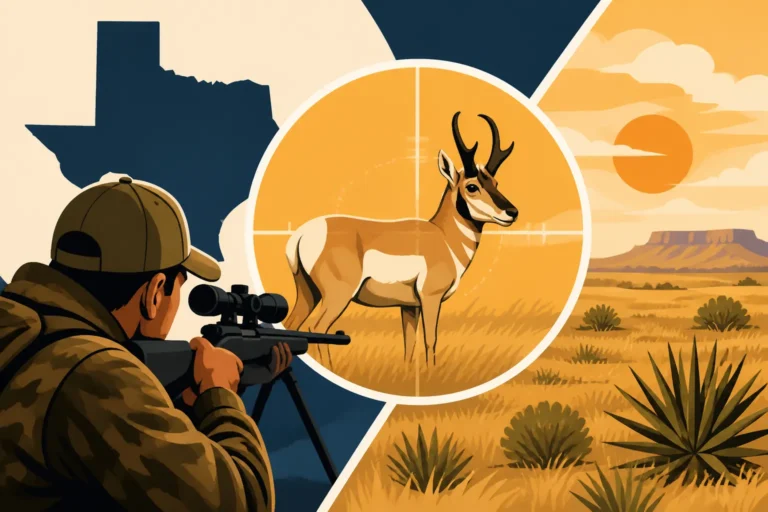
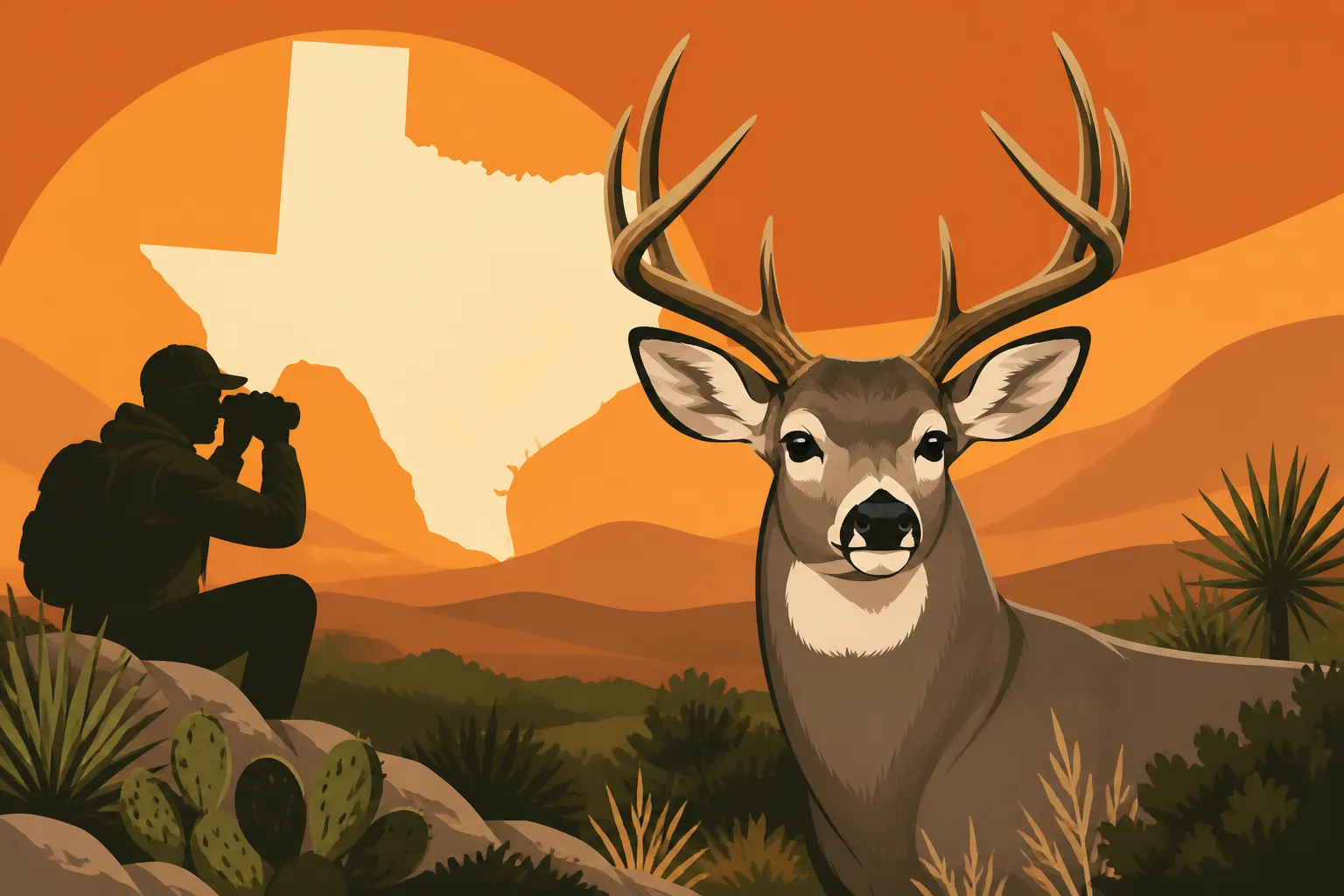
Hunting mule deer in Texas is a far cry from the typical sit-and-wait approach many of us grew up with in the Pineywoods or the Hill Country. When you head out to the Trans-Pecos or the rolling plains of the Panhandle, you are entering an environment where the deer can see for miles and the wind is your constant adversary. This guide solves the mystery of finding big desert bucks by breaking down the specific spot-and-stalk techniques and glassing strategies required to find success in the vast Texas rimrock.
Understanding the Texas Mule Deer Landscape
To master mule deer hunting in the Lone Star State, you first have to realize that you are dealing with two very different ecosystems. The Trans-Pecos region is characterized by rugged mountains, greasewood flats, and sudden volcanic outcrops. Here, the deer rely on their ability to disappear into the brown and grey shadows of the high desert. If you are hunting near Alpine or Marfa, you’re looking at elevations that can test your lungs and your gear. The deer here are often nomadic, following moisture and the occasional bloom of desert succulents.
Contrast that with the Panhandle, where the terrain is dominated by deep canyons cutting through agricultural flats. In counties like Briscoe or Hall, mule deer often move between the security of the "breaks" and the high-protein forage of winter wheat or cotton fields. The tactics for both regions start with a solid understanding of How to Hunt Mule Deer in Texas (Step by Step). You aren't just looking for a deer; you are looking for a needle in a haystack where the haystack is several thousand acres of brush.
One of the biggest hurdles for Texas hunters is the limited public land. Most mule deer are found on large private ranches, which means your Best Hunting Method for Mule Deer in Texas usually involves a high degree of mobility. Whether you are on a guided hunt or a DIY lease, you cannot stay stationary. Mule deer are "movers." A buck you saw yesterday evening three miles away could easily be on the neighbor's property by sunrise. You have to learn the travel corridors—those subtle dips in the terrain or draws that allow a 250-pound buck to move unseen through what looks like an empty pasture.
High-Ground Glassing and Patterning
If you aren't using your optics for at least four to six hours a day, you aren't really mule deer hunting; you’re just taking your rifle for a walk. The "glassing" tactic is the foundation of success in the West. You want to find a high point—a "rim" or a peak—well before the sun cracks the horizon. Sit with the sun at your back whenever possible, as this illuminates the hillside in front of you and keeps the glare out of your lenses.
When glassing, don't just look for a whole deer. Look for the horizontal line of a back, the white patch of a rump, or the flicker of an ear against a cedar bush. Mule deer are masters of the "mid-day bed," often tucking themselves under a lone juniper tree or into the shade of a rock ledge where they can see everything below them. Many hunters find that Spot-and-Stalk Hunting in Texas (Exotics & Mule Deer) is the most rewarding way to close the gap once a buck is located. You find him from a mile away, watch him bed down, and then spend the next three hours carefully picking your way through the rocks to get within shooting range.
Patterning these deer can be tricky because their home ranges are so much larger than whitetail. However, they are still creatures of habit. If you are on a lease with some water infrastructure, How to Pattern Bucks With Trail Cameras can be a game-changer. Set your cameras on windmills or "tubs." In the desert, water is life. A buck might only hit a specific water hole once every three days, but knowing he is in the area gives you the confidence to stay put and glass that specific drainage.
| Feature | Mule Deer | White-Tailed Deer |
|---|---|---|
| Antler Style | Bifurcated (forked) G2s | Tines grow off a single main beam |
| Ear Size | Large, "mule-like" ears | Smaller, more proportional |
| Tail | White with a black tip | Broad, brown top, white underside |
| Running Style | "Stotting" (jumping with all four feet) | Galloping or bounding |
| Primary Habitat | Open desert, mountains, deep canyons | Brushy draws, creek bottoms, thickets |
The Art of the Stalk in Wide Open Spaces
Once you have identified a shooter buck, the real work begins. The stalk is where most Texas hunters fail because they get impatient. In the open country of the Trans-Pecos, the wind is everything. You can have the best camo in the world, but if the breeze shifts for even a second, that buck is gone. Always carry a wind-checker—a small puff bottle of unscented powder. I often order my supplies like wind-checkers and unscented soaps from Amazon because they have a wide variety of "stalking" gear that is hard to find in local shops during the off-season.
When planning your approach, never walk directly at the deer. Use the "terrain mask" technique. If the deer is on one side of a ridge, you stay on the other side, using the peak of the ridge to hide your silhouette. You should only peek over the top when you are sure you are within a reasonable distance. Remember that mule deer have incredible hearing; the sound of a boot scuffing against a limestone rock can carry for hundreds of yards in the quiet desert air.
If you find yourself caught in the open, stop moving. A mule deer's eyes are geared toward detecting motion. If you freeze, even if you are standing in relatively short greasewood, there is a chance the buck will decide you are just another bush and go back to feeding. This is especially important during the Texas Mule Deer Season Dates 2026, as the deer are on high alert due to hunter pressure and the approaching rut. If you move, move when his head is down or when he is looking the other direction.
Gear Preparation and Physicality
You cannot show up to a West Texas mule deer hunt out of shape and expect to have a good time. Even if you are hunting a flatter part of the Panhandle, you’ll be walking miles through soft sand or over broken ground. Your boots are your most important piece of equipment. Make sure they are broken in months before the trip. I’ve seen many hunts ruined by blisters on day two. I typically look for high-quality trekking socks on Amazon to ensure I have enough cushion and moisture-wicking capability for those 10-mile days.
Beyond your boots, your optics need to be top-tier. A pair of 10×42 binoculars is the industry standard, but for Texas, adding a tripod adapter for your binos is a secret weapon. Mounting your binoculars on a stable tripod allows your eyes to relax and pick up the subtle movements that hand-holding simply misses. This is part of the Best Gear for Mule Deer Hunting in Texas that separates the experts from the amateurs. You also need a reliable rangefinder that compensates for angles, as shooting up or down a 30-degree canyon slope can significantly change your point of aim.
Don't forget about the climate. Texas weather in November and December can swing from a 20-degree morning to an 80-degree afternoon. Layering is essential. You want a base layer that wicks sweat, an insulating mid-layer, and a windproof outer shell. Because the brush in West Texas is "pointy"—everything from cactus to catclaw acacia wants to poke you—your outer layer needs to be durable. I often find that basic, rugged work pants or specialized brush pants from Amazon hold up better than some of the high-end, thin hunting fabrics that tend to shred in the desert.
Navigating Regulations and Ethical Harvest
Before you even pull the trigger, you must be absolutely certain of your target. In many areas of Texas, there is a significant overlap between species. Understanding the differences in Mule Deer vs White-Tailed Deer in Texas is not just a matter of pride; it’s a legal requirement. Shooting a whitetail on a mule deer tag (or vice-versa) is an expensive mistake that can lead to heavy fines and loss of hunting privileges. Look for the bifurcated antlers and the black-tipped tail to confirm you are looking at a muley.
Texas also implements specific antler restrictions in certain counties to help the age structure of the herd. Familiarize yourself with the Texas Mule Deer Antler Restrictions (20-Inch Rule) if you are hunting in the Trans-Pecos. These rules are designed to protect younger bucks and ensure that the deer reaching maturity are truly "trophy" class. It takes a disciplined eye to judge an outside spread of 20 inches at 300 yards, so spend time looking at reference photos before your hunt begins.
Once the shot is made, the clock starts ticking. The Texas sun is unforgiving, even in the winter. You need to be prepared for Field Dressing & Processing Game in Texas Heat. Mule deer are significantly larger than the average Hill Country whitetail, so having a sharp knife and a plan for carcass removal is vital. If you are deep in a canyon, you likely won't be able to drag the deer out whole. Learning the "gutless method" to quarter the animal and pack it out in game bags is a skill every Texas mule deer hunter should master.
Finding Success on Public and Private Land
While private land dominates the state, don't overlook the opportunities provided by the Texas Parks and Wildlife Department. Every year, hunters find success through the Texas Drawn Hunts & Public Hunt Draw 2027. These hunts take place on Wildlife Management Areas (WMAs) like Black Gap or Elephant Mountain, which offer some of the most stunning and productive mule deer habitat in the country. The odds are long, but the reward of a public land desert muley is unmatched.
If you are on a private lease, communication with the landowner or the lead hunter is key. Mule deer hunting is a community effort in the West. Because the ranches are so large, everyone needs to be on the same page regarding where they are glassing to avoid "burning out" a particular canyon. If you are new to a lease, take the time to learn the property lines using GPS apps. Crossing a fence in West Texas is a serious offense, and property boundaries aren't always clearly marked with purple paint in the middle of a desert flat.
Ultimately, mule deer hunting in Texas is about the experience of the vastness. It is about the cold wind on your face at 5:00 AM, the heat of the midday sun, and the sight of a heavy-antlered buck appearing like a ghost out of the greasewood. By using a disciplined glassing approach, respecting the wind during your stalk, and ensuring your gear is up to the task, you put yourself in the best position to hang a set of "forked" antlers on your wall.
Disclaimer
Hunting regulations in Texas are subject to change annually. Always consult the official Texas Parks and Wildlife Outdoor Annual for the most current information on seasons, bag limits, and county-specific antler restrictions before heading into the field. Access to private land requires explicit permission from the landowner, and all hunters must possess a valid Texas hunting license and any necessary endorsements.