Pronghorn Hunting Tactics for Texas
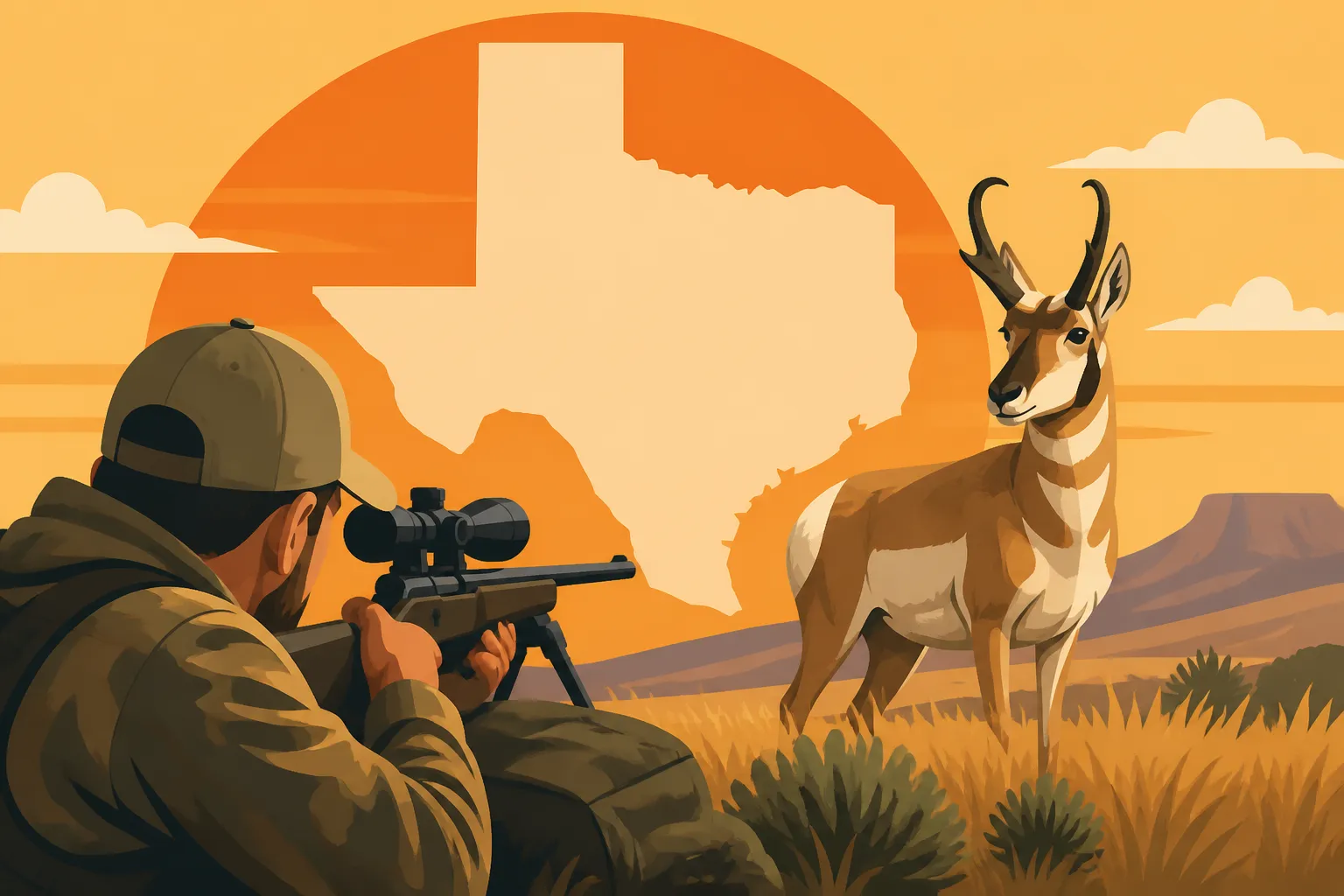
Pronghorn hunting in Texas is a high-stakes, low-draw-odds game where the vast open plains of the Panhandle and Trans-Pecos can leave hunters feeling exposed and outmatched by speed goats that see for miles. This guide breaks down the essential tactics, from long-range glassing to the grueling cactus-crawl of a spot-and-stalk, specifically tailored for the unique Texas landscape.
The Unique Challenges of Hunting Texas Pronghorn
The first thing you realize when you step into the Trans-Pecos or the rolling plains of the Panhandle is that the scale of the world has changed. Unlike the thick brush of South Texas or the rolling hills of the Edwards Plateau, pronghorn country is defined by visibility. You aren't looking for a deer hiding in a thicket; you are looking for a creature that lives in the open and uses its 8x-power vision to spot movement from literally miles away. It’s a frustrating game where you can see your prize, but it feels as unreachable as the horizon.
In Texas, pronghorn hunting is largely a private land game, though some public opportunities exist through the draw system. Whether you are on a massive ranch near Marfa or a smaller tract in the Panhandle, the tactics remain the same. You are dealing with an animal that doesn't jump fences well—they prefer to crawl under them—and one that can hit speeds of 60 miles per hour if they catch even a hint of your presence. Understanding the Texas Pronghorn Season & Permits is the first step, but once you have that tag in hand, the real work begins with mastering the terrain.
One of the biggest hurdles is the wind. On the high plains, the wind isn't just a breeze; it’s a constant factor that dictates your stalk and your shot. You might have a buck spotted at 400 yards, but in a 30-mph crosswind, that shot becomes incredibly technical. You have to respect the pronghorn's eyes, but you also have to respect the Texas weather, which can go from a blistering 90 degrees at noon to a freezing gale by sunset.
Mastering the Art of Long Distance Glassing
You cannot hunt what you cannot find, and in the world of the pronghorn, finding them requires hours of sitting behind glass. This isn't the kind of hunting where you walk around hoping to jump something. If you’re walking, you’re being watched. Instead, you need to find a high point—even a small rise helps in the flats—and pick the terrain apart. Many hunters find that checking for gear updates on Amazon before the trip is vital, especially when looking for stable tripod mounts for their binoculars.
When glassing, look for white. The white rump and belly of a pronghorn are often the first things you’ll see against the dull tans and greens of the desert scrub. Don't just look for the whole animal; look for the horizontal line of a back or the flash of white when one turns. Because the heat shimmer can be intense by mid-morning, your optics need to be top-tier. Investing in the Best Hunting Optics for Texas: Scopes, Binos & Rangefinders can be the difference between identifying a trophy buck and wasting three hours stalking a coyote or a white rock.
Once you spot a herd, don't rush. Watch them for twenty minutes. Are they feeding in a specific direction? Is there a buck chasing off satellites? Understanding the herd dynamic helps you predict where they will be in an hour. In Texas, pronghorn often stay near water tanks or specific sections of a ranch with better forage. If you are learning How to Hunt Pronghorn on a Texas Lease, talk to the ranch hand or owner about where the "tanks" are, as these are natural magnets for thirsty goats in the heat of the afternoon.
Tactics for the Spot and Stalk
The spot-and-stalk is the bread and butter of pronghorn hunting. Once you’ve located a buck you want to pursue, the chess match begins. The goal is to use the terrain to stay completely out of sight until you are within ethical shooting range. This sounds easy until you realize that "terrain" in the Panhandle might just be a six-inch depression in the dirt or a single clump of yucca. You have to be prepared to get dirty.
A successful stalk often involves the "Texas crawl." This means getting on your hands and knees—or even your belly—and moving inches at a time. This is where high-quality knee pads and heavy-duty leather gloves become your best friends. Everything in pronghorn country wants to poke, sting, or scratch you. If you aren't careful, you’ll end up with a hand full of cactus spines before you even get close. This method is very similar to Spot-and-Stalk Hunting in Texas (Exotics & Mule Deer), where patience is more important than speed.
Always keep the wind in your face. While pronghorn rely mostly on their eyes, they have a decent sense of smell that shouldn't be ignored. More importantly, the wind covers the sound of your movement through dry grass. If the herd looks up and stares in your direction, freeze. Don't move a muscle until every head goes back down to feed. It might take you two hours to cover 500 yards, but that’s the price of a successful Texas pronghorn hunt.
| Tactic | Pros | Cons | Best Use Case |
|---|---|---|---|
| High-Point Glassing | Covers massive acreage quickly; saves your legs. | Heat shimmer can distort images; requires expensive optics. | Early morning and late evening when animals are moving. |
| Belly Crawling | Keeps your profile below the pronghorn's line of sight. | Physically exhausting; risk of cactus/snake encounters. | Closing the final 200 yards in flat terrain. |
| Water Hole Sitting | Very high success rate in dry years; low physical effort. | Can be boring; depends entirely on recent rainfall. | Mid-day hunting when temperatures peak. |
| Decoying | Can bring bucks in close during the rut; exciting. | Can spook nervous herds; dangerous on public land. | During the peak of the rut (late Sept/early Oct). |
Shooting Techniques for the High Plains
The moment of truth in a pronghorn hunt often happens at distances that would make a whitetail hunter nervous. While we always advocate for getting as close as possible, the reality of the plains is that a 300 to 400-yard shot is common. This requires a rifle you are intimately familiar with and a caliber that can handle the wind, like a .25-06, .243, or the ever-popular 6.5 Creedmoor.
You must be able to shoot from a prone position. Forget about bench rests; you’ll likely be shooting off a backpack or a bipod while lying in the dirt. Practice these positions at the range long before you head to West Texas. Knowing your holds for different wind speeds is non-negotiable. Using the Best Rangefinder for Texas Hunting is critical because guessing distance over flat ground is notoriously difficult. The lack of trees or landmarks makes a buck at 400 yards look like he’s at 200, or vice versa.
When you finally have him in the crosshairs, take a breath and wait for him to stand broadside. Pronghorn have relatively small vitals compared to a mule deer. A high shoulder shot can drop them in their tracks, which is preferable to a long tracking job in the midday sun. If you are unsure about the dates or specific regional rules for your hunt, check the Texas Pronghorn Season Dates 2026 to ensure you are within the legal window for your specific unit.
Decoying and Calling Strategies
During the pronghorn rut, which usually hits in late September or early October, bucks become incredibly territorial. This is the only time when you can actually use their aggression against them. A 2D or 3D decoy can be a game-changer. If a dominant buck sees a "challenger" (your decoy) near his does, he might actually charge toward you to run you off. It is one of the most heart-pounding experiences in Texas hunting.
However, decoying is an art. If you flash the decoy too early or move it too aggressively, you might spook the entire herd. The key is to wait until you are within a few hundred yards and then slowly raise the decoy, mimicking a buck peeking over a ridge. You can find lightweight, foldable decoys on Amazon that fit easily in a pack. Just remember: never use a decoy on public land or in areas with high hunter density, as you don't want another hunter mistaking your decoy for a live animal.
Calls are less common but can be effective. A simple buck roar or a challenge wheeze can sometimes get a distracted buck to look your way or take a few steps closer. Most of the time, though, the visual of the decoy does 90% of the work. If you are interested in other species that react well to calls, you might look into Rio Grande Turkey Hunting Tactics for Texas, though the mechanics of the hunt are vastly different.
Field Care in the Texas Heat
Once the buck is down, the clock starts ticking. Pronghorn meat is delicious—often described as a cross between sage-flavored beef and venison—but it can spoil or turn "gamey" very quickly if not cooled down. The Texas sun is brutal, and a pronghorn’s thick, hollow-hair coat acts like a thermos, trapping heat inside the carcass.
You need to field dress the animal immediately. Getting the hide off as soon as possible is even better. Many veteran hunters carry a dedicated game saw and high-quality knives to quarter the animal on the spot. If you can get the meat into a cooler with ice within an hour, you’ll have some of the best table fare in the state. If you are new to processing, review our guide on How to Cool a Deer Fast in Texas Heat, as the principles for pronghorn are identical.
Always have a plan for transport. Because pronghorn units are often far from major cities, you might be hours away from a processor. Many hunters choose to bring large, high-end coolers specifically for the trip. Making sure you understand Texas Game Animals: What You Can Hunt and the associated tagging requirements is essential before you head back to the highway. In Texas, you must keep the proof of sex with the meat until you reach your final destination.
Texas Hunting Regulations and Safety
Before you head out, always double-check the Texas Parks and Wildlife Department (TPWD) Outdoor Annual. Regulations regarding pronghorn can change, especially concerning Chronic Wasting Disease (CWD) zones and transport rules. Being a responsible hunter means knowing the boundaries of your lease and respecting the property of others.
Safety on the plains is also about self-preservation. Carry more water than you think you need. It is incredibly easy to get dehydrated when you are focused on a stalk and miles away from your truck. Always let someone know your general location, as cell service in the Trans-Pecos can be non-existent. A satellite messenger or a high-gain antenna can be a literal lifesaver.
Finally, enjoy the experience. Pronghorn hunting is as much about the scenery and the solitude as it is about the harvest. Watching a desert sunset after a long day of glassing is something every Texas hunter should experience at least once. Whether you're a seasoned pro or a first-timer, the challenge of the speed goat will keep you coming back to the plains year after year.
Disclaimer
Hunting regulations in Texas are subject to change by the Texas Parks and Wildlife Department. Always verify current season dates, bag limits, and tagging requirements in the official TPWD Outdoor Annual before heading into the field. Ensure you have the express permission of the landowner before hunting on private property.