Axis Deer Hunting Tactics for Texas
Many Texas hunters get frustrated when they apply standard Whitetail logic to Axis deer, only to watch a trophy buck vanish into the cedar breaks before a shot is even possible. This guide breaks down the specific behavioral patterns and tactical shifts required to successfully harvest Axis deer in the Lone Star State, ensuring your next exotic pursuit is both productive and rewarding.
Understanding Axis Deer Behavior and Habitat
To hunt Axis deer effectively, you have to throw out half of what you know about native Texas deer. Axis, originally from India, are a completely different beast. Unlike Whitetail, which are relatively predictable and solitary during much of the year, Axis are highly gregarious. They travel in herds that can number from ten to over a hundred. This creates a "hundred eyes" problem; even if the big buck you are targeting is distracted, there is almost certainly a nervous doe or a young spike looking right at you.
One of the most distinct features of Hill Country Hunting in Texas is the sound of the Axis "bark." It is a loud, guttural alarm call that sounds more like a high-pitched roar or a donkey's bray than anything a native deer would produce. If you hear that bark, the jig is usually up. They are incredibly vocal, especially during their "rut," which, unlike our native deer, can happen at almost any time of the year. Because Axis can breed year-round, you might find a buck in hard horn in January while another is just starting to grow velvet. However, the peak of the Texas Axis rut usually hits between May and July.
Their habitat preferences also differ slightly. While they love the thick cover of the Edwards Plateau, they are far more likely to graze in open meadows during the middle of the day. They are "grazers" more than "browsers," meaning they prefer grass over forbs and woody plants. This is why you will often see them out in the blazing heat of a June afternoon when every Whitetail on the property is bedded down in the deepest shade. If you are learning How to Hunt Axis Deer Year-Round, you have to prepare for the heat, as the best trophy hunting often happens when the Texas sun is at its most brutal.
Strategic Scouting and Gear Requirements
Scouting for Axis requires a mix of high-tech monitoring and old-school boot leather. Because they don't follow a strict seasonal calendar, you can't just assume they will be in the same spot they were last October. Using cellular trail cameras is the most effective way to keep tabs on herd movement without constantly spreading your scent across the lease. You can easily find reliable camera mounting hardware and high-speed SD cards on Amazon to keep your gear running smoothly throughout the summer months.
When you begin to How to Pattern Bucks With Trail Cameras, look for water sources first. Axis are much more dependent on water than Whitetail. If you have a reliable tank or a creek crossing, that is where your scouting should start. They tend to travel in well-worn "tunnels" through the brush. Because they are often taller and bulkier than Whitetail, their trails are usually easier to spot once you know what you are looking for.
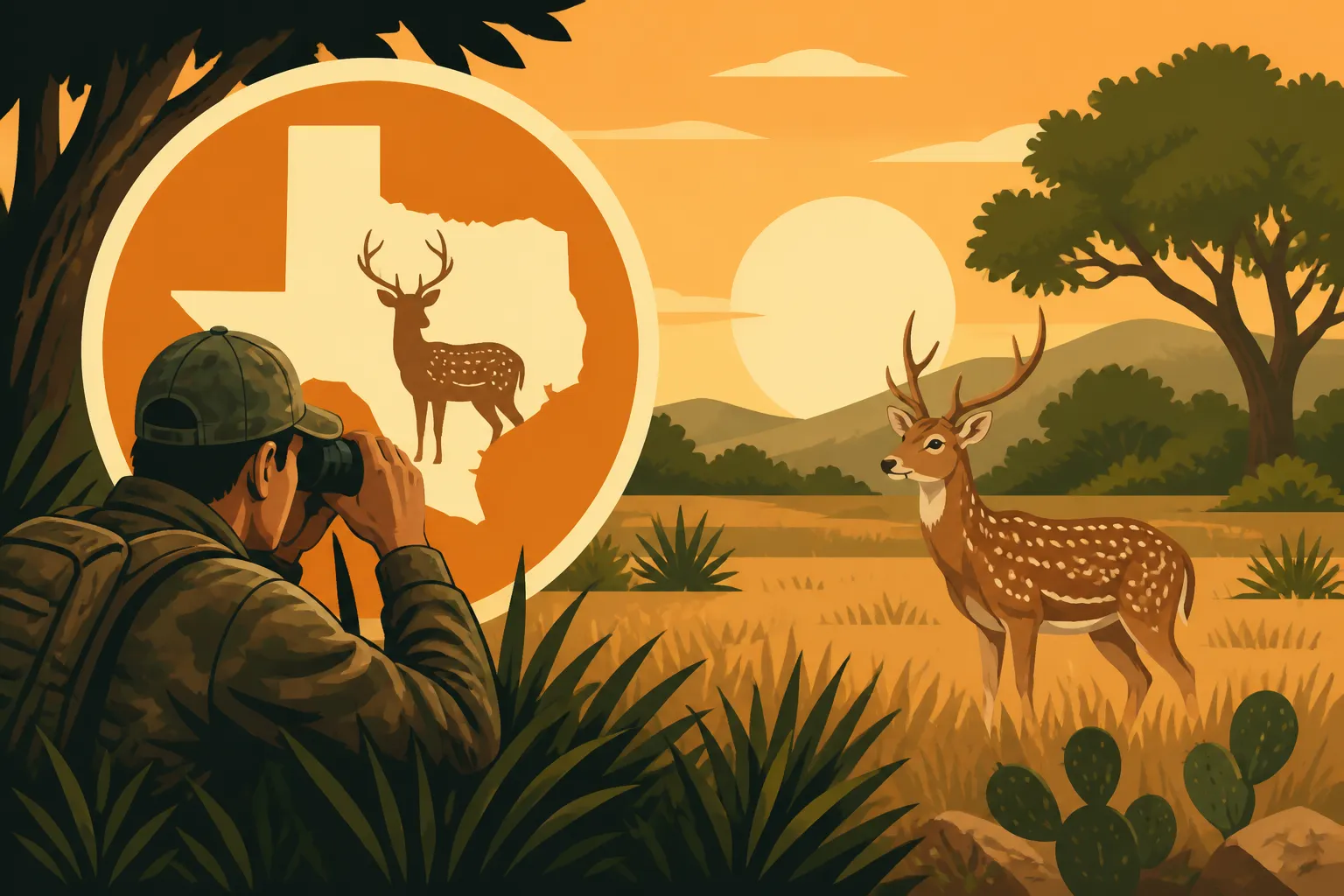
Optics are where you should never compromise. Because Axis are often found in the "edge" habitat between thick brush and open fields, you need glass that can handle the glare of a midday sun and the shadows of a cedar thicket. High-quality glass is essential, and many hunters find that Best Binoculars for South Texas Brush are the sweet spot for spotting those white spots among the flickering leaves. You can find several mid-tier and professional-grade optics on Amazon that offer the clarity needed to distinguish a trophy buck from a large doe at three hundred yards.
| Gear Category | Recommendation for Axis | Why It Matters |
|---|---|---|
| Caliber | .25-06, .270, or .308 | Axis are tougher than Whitetail; you need knockdown power. |
| Optics | 10×42 Binoculars | Necessary for spotting spots in the dappled sunlight. |
| Clothing | Lightweight, breathable camo | You will likely be hunting in 90+ degree weather. |
| Attractants | Alfalfa and Sweet Feed | Axis prefer high-protein greens and clover over dry corn. |
| Footwear | Snake-proof boots | Essential for summer stalking in the Hill Country. |
Tactical Execution: Stand Hunting vs. Spot and Stalk
Deciding on your approach depends heavily on the terrain and the time of year. If you are hunting over a feeder, be prepared for a long wait. Axis are notoriously "feeder shy" compared to other exotics. They will often circle a feeder for thirty minutes, standing just inside the brush line, waiting for any sign of movement. If you are using a blind, ensure it is well-brushed in and that you are using scent-control measures. Many hunters prefer to order scent-eliminating sprays and laundry detergents from Amazon in bulk before the summer season kicks off.
However, many veteran hunters argue that the best way to get a trophy is through Spot-and-Stalk Hunting in Texas (Exotics & Mule Deer). This is where the challenge really lies. Because Axis are herd animals, you aren't just stalking one deer; you are stalking twenty. The strategy here is to move into the wind—this is non-negotiable. An Axis deer's nose is arguably better than a Whitetail's. You want to glass from a high point, find the herd, and then plan a route that uses the terrain to keep you out of sight.
If you are pursuing How to Hunt Axis Deer (Free-Range Tactics), patience is your biggest asset. When you find a herd, they will likely be moving as they graze. Instead of trying to catch up to them, try to get ahead of them. If you can identify the direction they are traveling, you can circle around and set up an ambush. This is particularly effective during the midday heat when they move toward water. Remember that Axis are incredibly "jumpy." A single snapped twig will send the entire herd into a dead run, and unlike Whitetail, they rarely stop to look back once they’ve been spooked.
Processing and Maximizing the Harvest
Once you have successfully harvested an Axis buck, the real work begins. One of the most important things to remember is that Is There a Season for Axis Deer in Texas?—the answer is no, but the weather is often your biggest enemy. If you kill a buck in June, you have a very narrow window to get that meat cooled down. Axis meat is widely considered the gold standard of venison, often cited when people ask Is Axis Venison the Best Wild Game Meat?. It is lean, tender, and lacks the "gamey" flavor often associated with older Whitetail bucks.
To preserve this quality, you must be proficient at Field Dressing & Processing Game in Texas Heat. Have a large cooler filled with ice ready in the truck. Many hunters use high-quality game bags and portable winch systems, which can be found on Amazon, to make the cleaning process faster and more hygienic in the field. Removing the hide as quickly as possible is crucial for letting the heat escape the carcass.
Don't forget the trophy itself. Axis hides are stunning, with their permanent spots and dark dorsal stripe. If you plan on keeping the hide or getting a mount, you need to cap out the deer carefully, especially around the neck where Axis have a thick, maned throat. Ensure you have a sharp, reliable knife for this; specialized skinning blades available on Amazon can make the delicate work around the eyes and ears much easier. The antlers, which can grow to over 30 inches on a trophy buck, are also unique. Because they are exotics, they aren't subject to the same tagging requirements as native species, but you still need to ensure you are following the specific rules of your Texas Hunting License: Cost, Types & How to Buy (2026).
Essential Gear for Axis Hunting
Choosing the right equipment can make or break an exotic hunt. Since you are often dealing with extreme temperatures and wary animals, your gear needs to be durable and functional.
- Lightweight Camouflage: Avoid heavy flannels or thick brush pants. Look for technical fabrics that wick moisture. You can find excellent "early season" patterns on Amazon that mimic the cedar and oak motts of Central Texas.
- Hydration Systems: Do not head out for a spot-and-stalk without at least two liters of water. A quiet hydration bladder is much better than a crinkly plastic water bottle.
- Shooting Sticks: Axis rarely give you a perfect broadside shot while you are sitting in a comfortable chair. A set of tripod shooting sticks is vital for stabilizing your shot in tall grass or over rocky ledges.
- High-Quality Knife: The hide of an Axis deer is surprisingly tough. You will want a knife that holds an edge well. Look for replaceable blade knives on Amazon if you don't want to worry about sharpening in the middle of skinning.
- Wind Indicator: Because their sense of smell is so acute, a simple "puff bottle" of powder is an essential tool in your pocket at all times.
Having the Best Gear for Axis Deer Hunting in Texas is about more than just looking the part; it is about surviving the elements and being ready when that split-second opportunity presents itself. Axis hunting is a game of endurance and precision, and those who come prepared are the ones who put meat in the freezer.
Disclaimer
This guide is for informational purposes only. Hunting regulations in Texas can change annually, and it is the responsibility of the hunter to verify all current laws, permit requirements, and seasonal restrictions through the Texas Parks and Wildlife Department. Always ensure you have the proper land-owner permission and valid licenses before attempting to hunt any species in the state of Texas.