When Does Turkey Season Open in Texas?
It can feel like you need a secret decoder ring just to figure out when turkey season actually starts in Texas, especially with different zones and species! If you've been scratching your head trying to plan your next gobbler hunt, don't worry – you're not alone. This guide is here to untangle all that confusion, giving you the clear, up-to-date information on when and where you can chase those magnificent birds across our vast state.
Texas is a massive state, and with that size comes a glorious diversity in hunting opportunities, including for wild turkeys. But that also means the seasons, particularly when they open, can vary widely depending on whether you're chasing the widespread Rio Grandes or the elusive Easterns, and which hunting zone you find yourself in. It's not as simple as a single statewide date, and understanding these nuances is key to a successful and legal hunt.
Understanding Texas Turkey Species and Zones
Before we dive into specific dates, let's lay the groundwork. Texas is home to two primary huntable subspecies of wild turkey: the Rio Grande and the Eastern. Each has its own distinct habitat, population density, and, consequently, its own set of hunting regulations and season dates. Plus, the state is divided into specific zones that dictate these timelines.
The Mighty Rio Grande Turkey
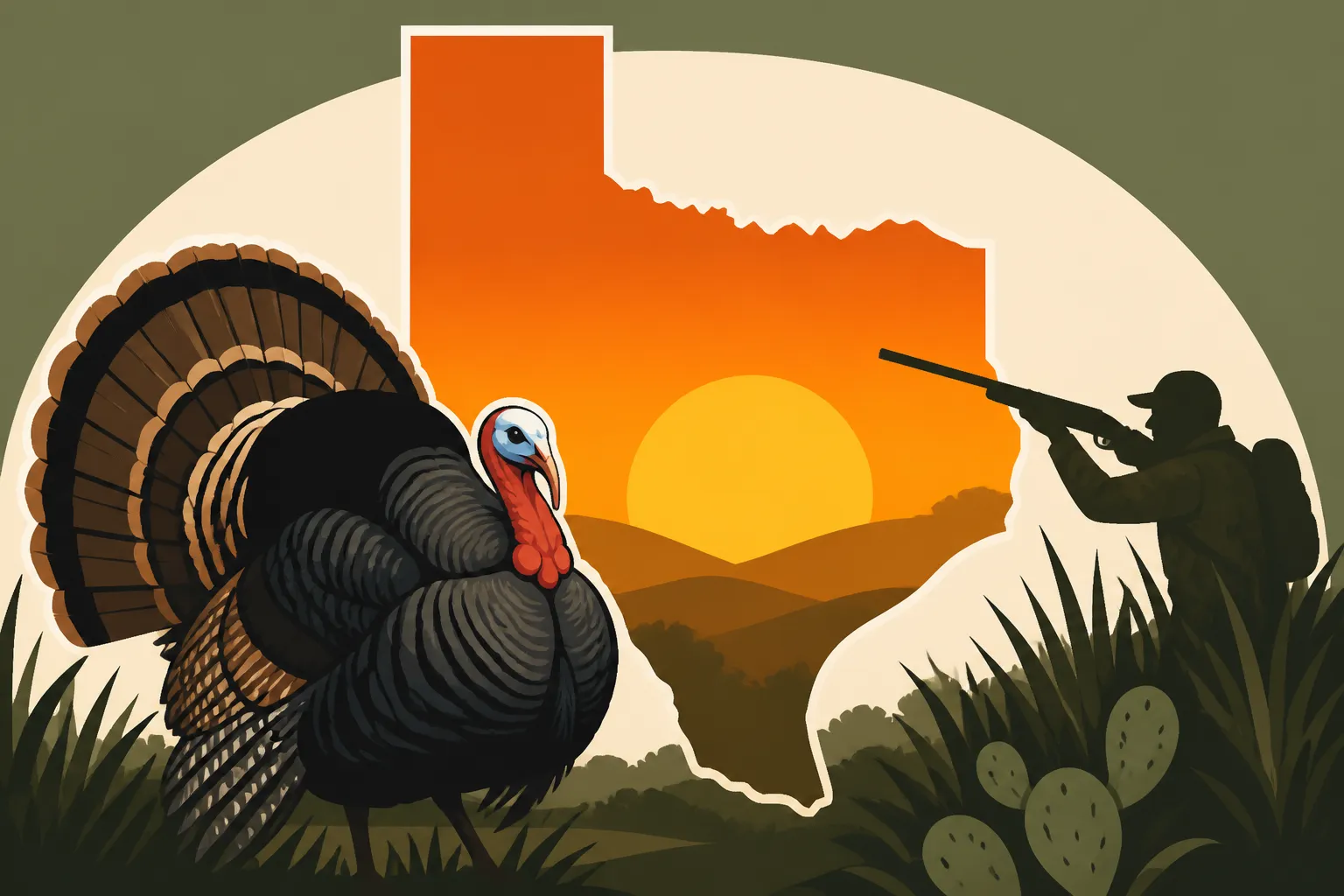
The Rio Grande turkey is, without a doubt, the king of Texas turkeys when it comes to sheer numbers and distribution. These birds thrive in the scrub brush, mesquite flats, and river bottoms that characterize much of Central, South, and West Texas. If you're hunting anywhere from the Hill Country down to the Rio Grande Valley, or out towards the Panhandle, you're likely targeting Rios. They are known for their striking bronze and green iridescent plumage, keen eyesight, and often gather in large flocks. Their abundance means generous seasons and bag limits in most areas, making them a fantastic quarry for both seasoned hunters and those just getting started in the world of calling in a gobbler. For a deeper dive into hunting these birds, check out our comprehensive guide on Rio Grande Turkey Hunting in Texas.
The Elusive Eastern Turkey
Now, for something completely different: the Eastern turkey. These magnificent birds are native to the dense, sprawling woodlands of East Texas, particularly in counties like Polk, Tyler, and Jasper. Unlike their Rio Grande cousins, Eastern populations are much smaller and more sensitive to habitat changes. They are generally larger, darker, and possess a more robust, deeper gobble. Due to their limited numbers and specific habitat requirements, the Eastern turkey season is typically much shorter, often restricted to specific counties, and comes with a much more conservative one-gobbler bag limit. Hunting Easterns is often described as a more challenging, almost spiritual experience, demanding patience and a deep understanding of forest hunting tactics. Our article on Eastern Turkey in East Texas One-Gobbler provides more detailed strategies for these unique birds.
Navigating Texas's Turkey Zones
Texas Parks and Wildlife Department (TPWD) divides the state into different zones to manage game populations effectively. For turkeys, the most crucial distinctions are the North Zone, South Zone, and the specific counties designated for Eastern turkey hunting.
- North Zone: Generally covers the upper half of the state, including the Panhandle, Rolling Plains, and much of the Hill Country.
- South Zone: Encompasses the lower half of Texas, from the Edwards Plateau down to the Gulf Coast and the borderlands.
- Eastern Turkey Counties: A select handful of counties in the Pineywoods region of East Texas have specific, highly regulated seasons for Eastern turkeys.
Understanding which zone your hunting property or public land falls into is absolutely critical, as a single day can make the difference between a legal harvest and a citation. Always consult the most current TPWD Outdoor Annual or the TPWD website for specific county designations, as these can occasionally be adjusted.
Spring Turkey Season Opening Dates by Zone
The spring turkey season is arguably the most popular, filled with the excitement of gobbling birds and vibrant strutting displays. It’s when hunters don their camo and try to outsmart a lovesick tom. But "when does turkey season open in Texas?" truly depends on where you are.
Rio Grande Spring Opener in the North Zone
For hunters in the North Zone, the spring Rio Grande turkey season generally kicks off in late March or early April. For example, in what we can expect for the 2026 season, the North Zone typically opens around April 1st (or the closest weekend to it, depending on the year's calendar). This opening is usually preceded by a special youth-only weekend, giving younger hunters a fantastic opportunity to chase gobblers before the general pressure sets in. This period often runs for about 45 days, giving ample time to pursue multiple birds, given the generous bag limits in most North Zone counties.
The feeling of that first crisp morning, the distant gobble echoing through the oaks in places like the Cross Timbers or the brushy draws of the Rolling Plains, is truly special. Remember, even within the North Zone, there might be slight variations, so always double-check the specific county regulations. Our detailed guide on Texas Spring Turkey Season Zones & Dates offers a calendar breakdown to help you pinpoint your local opener.
South Zone's Early Start for Rio Grandes
If you're hunting Rio Grandes in the South Zone, you get a head start! The season in this expansive region typically opens earlier than the North Zone, often in late March. For instance, looking ahead to 2026, the general Rio Grande season in the South Zone could realistically open around March 18th (or the closest Saturday). This earlier start allows hunters to capitalize on the warmer weather and earlier breeding cycles often seen in South Texas. The season here also runs for a substantial period, giving hunters plenty of chances.
Think about those vast ranches in the Brush Country of South Texas – the mesquite thickets and vast open spaces. The gobblers there are often already in full swing by mid-March. The extended season is a blessing for those who love to spend as much time as possible chasing these vocal birds. You can often find a good number of Rio Grandes down here, and hunting over feeders for other game can sometimes turn up a surprise gobbler in the off-season. You can find more on the South Zone specifics in Texas Rio Grande Turkey Season Dates 2026.
Archery-Only and Special Youth Seasons
Texas is great about offering special opportunities for hunters. Before the general firearms seasons open, there's typically an archery-only season for Rio Grandes that aligns with or slightly precedes the general opener in both North and South Zones. This is a fantastic chance for bowhunters to get out there.
Additionally, as mentioned, youth-only weekends are a cherished tradition, usually held the weekend before the general season opens in both the North and South Zones. These special seasons are vital for fostering the next generation of hunters and provide a less pressured environment for kids to learn and succeed. It's a truly heartwarming experience to see a young hunter call in and harvest their first turkey.
Eastern Turkey Spring Hunt in East Texas
For the Eastern turkey, the spring season is a much more tightly controlled affair, reflecting the species' conservation status. This season typically opens in early to mid-April and is restricted to a very limited number of counties in East Texas. The season dates are usually uniform across these counties and run for a shorter duration compared to the Rio Grandes, perhaps only a couple of weeks. For example, the 2026 Eastern spring season might open around April 15th and close around April 30th.
This limited window emphasizes the need for meticulous scouting and precise calling. You're often hunting in dense timber, where visibility is low, and the birds can be incredibly wary. If you're planning an Eastern hunt, studying up on Turkey Calling & Tactics for Texas Rios (many principles apply to Easterns too!) and local regulations is paramount. The challenge of a lone gobbler responding from a deep pine thicket is an experience unlike any other.
Here's a quick summary of typical spring opening dates for general seasons:
| Turkey Species & Zone | Typical Spring Opening Date (General Season) | Key Characteristics |
|---|---|---|
| Rio Grande North Zone | Early April (e.g., April 1st) | Widespread, generous bag limits, popular for its vibrant gobbling action. |
| Rio Grande South Zone | Mid-March (e.g., March 18th) | Earlier start, warmer weather, excellent for getting on birds quickly, especially in the brush country. |
| Eastern Turkey East Texas | Mid-April (e.g., April 15th) | Limited counties, shorter season, one-gobbler bag limit, challenging hunt in dense pine forests. |
Dates are illustrative based on typical TPWD patterns and should always be verified with the official Outdoor Annual for the specific season.
Fall Turkey Season Opening Dates by Zone
While spring gets all the glory with the gobbling and strutting, the fall turkey season offers a different kind of challenge and opportunity. Often overlooked, it's a great time to fill the freezer, especially if you're already out deer hunting.
Rio Grande Fall Seasons Across the State
The fall Rio Grande turkey season is considerably longer and more liberal than the spring season, often running concurrently with the general deer season. This makes it a perfect combo hunt.
- North Zone Fall: Typically opens in early November, often aligning with the general deer season opener (e.g., November 4th in 2026) and continuing through mid-January.
- South Zone Fall: Similar to the North Zone, it generally opens in early November (e.g., November 4th in 2026) and extends through late February.
The tactics for fall hunting are different. Instead of calling in a love-struck gobbler, you're often looking to bust up a flock and then call the scattered birds back together using assembly calls or hen yelps. It’s a fantastic way to secure some delicious wild turkey meat. Many hunters stumble upon turkeys while hunting whitetails; you can find more about those combined efforts in our article on Deer Hunting in Texas: Feeders, Blinds & Tactics.
Eastern Turkey Fall Hunt: A Shorter Window
Similar to their spring season, the fall Eastern turkey hunt is very restricted. It typically opens in early November, again aligning with the general deer season opener (e.g., November 4th in 2026), but the season length is much, much shorter – often just a few weeks. The bag limit remains a conservative one gobbler.
Given the challenges of locating Easterns and the brief season, most hunters focus on the spring hunt for this species, but the fall offers a unique, tranquil experience for those who prefer the quiet woods. For specific dates regarding these birds, consult Texas Eastern Turkey Season Dates 2026.
Key Regulations and Licensing for Turkey Hunters
Knowing when to hunt is only half the battle; understanding the how and what you need to be legal is equally important. Texas has clear guidelines, and staying within them ensures a responsible hunting experience.
Essential Licenses and Endorsements
To legally hunt turkeys in Texas, you absolutely need a valid Texas hunting license. For residents, the Super Combo License is usually the most cost-effective option, covering general hunting, freshwater and saltwater fishing, and required endorsements. For non-residents, a non-resident general hunting license is required.
Beyond the basic hunting license, you'll also need a Upland Game Bird Endorsement. This is a specific stamp or endorsement that applies to turkeys, quail, and other upland birds. If you're hunting migratory game birds like doves or ducks, you'd need the Migratory Game Bird Endorsement and HIP certification as well, but for turkeys, it's specifically the Upland endorsement. Make sure you purchase all necessary licenses well in advance of your hunt. Our comprehensive guide on the Texas Hunting License: Cost, Types & How to Buy (2026) can walk you through the entire process.
Bag Limits and Harvest Reporting
Bag limits for Rio Grande turkeys are quite generous in most areas – typically up to four gobblers per season, with specific daily bag limits. However, for Eastern turkeys, the bag limit is strictly one gobbler per season. These limits are crucial for managing wildlife populations and ensuring sustainable hunting for future generations.
In many counties, especially for certain species, harvest reporting is mandatory. While not all turkey harvests require mandatory physical reporting like deer might in some CWD zones, it is always a good practice to log your harvest via the My Texas Hunt Harvest app or website. This data helps TPWD biologists monitor populations and set future regulations. Make sure you understand the requirements for your specific county and species. You can read up on the nuances of How to Report Your Harvest in Texas to stay compliant.
General Rules to Keep in Mind
Beyond licenses and bag limits, remember these common-sense rules:
- Legal Means and Methods: Always use legal firearms, bows, or crossbows. Check the regulations for specific restrictions, such as shot size for shotguns or minimum poundage for bows.
- Hunter Education: If you were born on or after September 2, 1971, you generally need to complete a hunter education course or be accompanied by a certified hunter. There are exceptions for youth under 17 accompanied by a licensed hunter over 17 who has taken hunter ed.
- Landowner Consent: Always ensure you have explicit permission to hunt on private land. Verbal consent is generally sufficient, but a written lease agreement is always best. Understanding Texas Hunting Lease Rules & Etiquette is crucial for maintaining good relationships.
- Public Lands: If hunting on public lands, such as Wildlife Management Areas (WMAs) or National Forests, you'll need the Annual Public Hunting Permit (APH) and must adhere to specific rules for that particular WMA. Always check the individual WMA regulations before heading out. Our guide on Public Hunting in Texas: WMAs & Annual Public Hunting Permit is a great resource.
By staying informed and respecting these regulations, you're not only ensuring a legal hunt but also contributing to the responsible stewardship of Texas's incredible turkey populations.
Disclaimer
Please note that hunting regulations, including season dates, bag limits, and licensing requirements, are subject to change by the Texas Parks and Wildlife Department (TPWD). While this guide is compiled with the most current information available, it is the hunter's responsibility to verify all regulations with the official TPWD Outdoor Annual or website before engaging in any hunting activities. This content is for informational purposes only and does not constitute legal advice.