How Many Bucks Can You Shoot in Texas?
Hunting for white-tailed deer in Texas is a tradition deeply woven into the fabric of our culture, but the rules and regulations can feel like navigating a maze, especially when it comes to understanding buck limits. Many hunters, new and seasoned alike, grapple with the statewide bag limits, county-specific antler restrictions, and the nuances of special programs. This guide aims to clear up the confusion, providing a comprehensive breakdown of how many bucks you can legally harvest in Texas.
The Standard Buck Limit: A Texas-Sized Conundrum
When you first dive into the Texas Parks and Wildlife Department (TPWD) Outdoor Annual, the buck limit might seem straightforward, but it's rarely as simple as it appears on the surface. Understanding the foundational rules is the first step before we get into the nitty-gritty details that can change everything.
The General Two-Buck Rule Explained
For most of Texas, the standard regulation for white-tailed deer allows a hunter to take a total of two legal bucks during a regular hunting season. This isn't just for public land; it applies to vast stretches of private land as well, unless specific circumstances dictate otherwise. This two-buck limit is a blanket rule designed to manage the deer population across the state effectively. It's important to remember that this limit is per hunter, not per property or per weekend hunt. Once you've tagged two bucks, your buck hunting for the season is done, regardless of where or when you harvested them.
This general rule is often the starting point, but it's crucial not to stop there. What constitutes a "legal buck" can vary dramatically depending on your exact location, and failing to understand these local distinctions can lead to serious legal trouble. Always cross-reference your hunting plans with the most current regulations for the specific county you'll be hunting in. Remember, ignorance of the law is no excuse. For a complete overview of the season, check out the article on Texas Deer Season 2026-2027: Dates by Zone.
Resident and Non-Resident License Implications
A common question that pops up is whether the buck limit changes for non-resident hunters compared to residents. In Texas, the good news is that the bag limits for white-tailed deer are generally the same for both residents and non-residents. The two-buck limit applies across the board, provided you possess the appropriate hunting license and tags. What does differ, of course, is the cost of the hunting license itself. Non-residents typically pay a higher fee for their annual licenses.
Regardless of your residency status, every hunter is allocated a specific number of white-tailed deer tags when they purchase their annual hunting license. These tags are your physical proof of a legal harvest, and it's imperative to use them correctly. You'll typically receive tags for two bucks and a certain number of antlerless deer. Understanding How Many Deer Tags Do You Get in Texas? is key, as these tags directly correspond to your harvest limits. Always fill out and attach your tag immediately after harvesting an animal, even before moving it. This isn't just a suggestion; it's a legal requirement.
Deciphering Texas Antler Restrictions
Here's where things start to get a little more complex and where many hunters find themselves scratching their heads. Texas introduced antler restrictions in many counties years ago with the goal of improving the age structure and overall quality of the buck population. It's a system designed to let younger bucks mature, and it has certainly had an impact on how and where hunters pursue their deer.
What the 13-Inch Rule Means
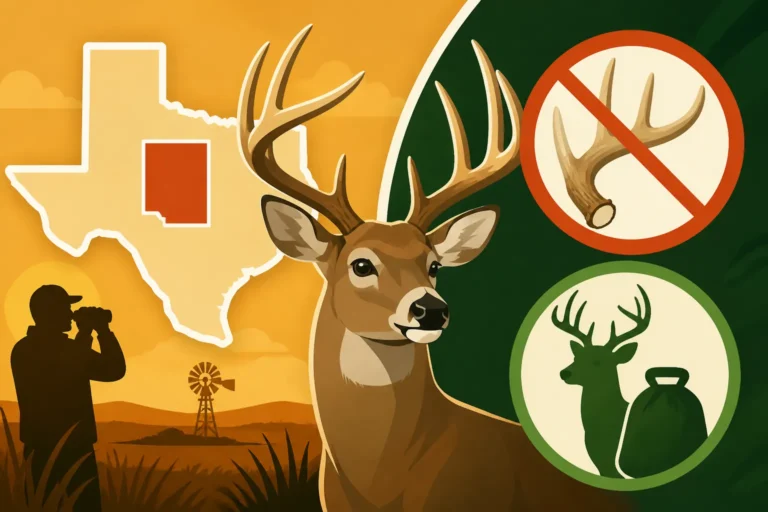
The most well-known antler restriction in Texas is the "13-inch rule." This regulation states that a legal buck must have at least one unbranched antler, or an inside spread of 13 inches or greater. This means a deer with two unbranched spikes is not legal if it's in an antler-restricted county, unless it meets the 13-inch spread requirement, which is highly unlikely for a spike. The intention here is to protect young, genetically superior bucks that may only have spikes or a narrow rack in their younger years, giving them a chance to grow. It also encourages hunters to pass on bucks with less than a 13-inch inside spread, allowing them to mature into larger, more desirable animals.
However, there's a critical caveat: if you harvest a buck that has an inside spread of 13 inches or greater, both of its main beams must have at least one point. You cannot shoot a buck with a 13-inch spread that has only one main beam forked and the other a spike. This adds another layer of complexity. The rule applies to the first buck you harvest in an antler-restricted county. For your second buck in such a county, it can be any legal buck (meaning any buck that typically qualifies as legal in non-restricted areas, like having at least one branched antler, or an inside spread of 13 inches or greater). This "any legal buck" for the second tag provides some flexibility but still requires careful identification. You can learn more about this specific rule in Texas Antler Restrictions: 13-Inch Rule & Counties.
Geographic Application: Which Counties Are Affected?
The 13-inch antler restriction rule is not statewide; it applies to specific counties, primarily across the Edwards Plateau and parts of South Texas. These are areas where the TPWD has identified a need for more intensive management to improve deer quality. It’s absolutely essential to consult the current Outdoor Annual or the TPWD website to determine if the county you plan to hunt in falls under these restrictions. Relying on outdated information or hearsay is a recipe for disaster.
For example, counties like Webb, La Salle, Dimmit, and many others in the renowned South Texas Brush Country are under antler restrictions, while some counties in East Texas or the Panhandle might not be. This patchwork of regulations means that a short drive can put you in a completely different set of rules. Always check the specific county regulations. The best practice is to carry a copy of the Outdoor Annual or have the TPWD app handy to confirm the rules on the spot. If you're unsure if Is My Buck Legal Under Texas Antler Restrictions?, it's always better to pass on the shot.
Here's a simplified look at how buck limits typically work under different scenarios:
| Scenario | First Buck Limit | Second Buck Limit | Additional Notes |
|---|---|---|---|
| General Statewide Rule | Any legal buck (at least one branched antler) | Any legal buck (at least one branched antler) | Most common scenario in non-antler restricted counties. |
| Antler Restricted County | Must have one unbranched antler OR >= 13" inside spread (with two main beam points) | Any legal buck (no antler restriction for 2nd buck) | "Any legal buck" for the second means it just needs one branched antler or meet the 13" rule. |
| MLDP Level 2 (e.g., Harvest Option) | Based on specific MLDP tags provided | Based on specific MLDP tags provided | Can vary significantly; always refer to MLDP tags issued for the property. |
This table provides a general overview. Always consult the official TPWD Outdoor Annual for the most current and specific regulations.
Managed Lands Deer Program (MLDP) and Its Influence
Beyond the statewide and antler-restricted county rules, there's another significant factor that can dramatically alter how many bucks you can harvest: the Managed Lands Deer Program (MLDP). This program is a partnership between landowners and the TPWD aimed at proactive deer management.
What is the Managed Lands Deer Program (MLDP)?
The MLDP is a voluntary program designed to help landowners and deer managers improve wildlife habitat and manage their deer populations more effectively. It involves submitting an annual harvest report, collecting deer data, and following a customized deer management plan approved by TPWD biologists. In exchange for this commitment to data collection and habitat improvement, participating landowners receive special deer tags (MLDP tags) that often supersede the general statewide or county-specific regulations. These tags allow for more flexible harvest opportunities, often extending seasons or adjusting bag limits to meet specific management goals for that property.
There are different levels of MLDP, with "Harvest Option" (formerly Level 2) being the most common. Under this option, landowners receive tags that allow them to harvest deer outside the general county seasons, providing an extended season length. This flexibility helps managers remove specific deer to achieve population goals, whether it's reducing overall numbers or focusing on culling certain age classes or antler characteristics. Understanding MLDP Tags in Texas: How They Work is crucial if you hunt on a lease participating in this program.
How MLDP Permits Change Your Buck Harvest Potential
If you're hunting on a property enrolled in the MLDP, your personal buck limit is no longer dictated by the general statewide two-buck rule or the specific county's antler restrictions. Instead, your limit is determined by the specific MLDP tags issued for that particular property. These tags are often specific to the type of deer (buck or doe) and sometimes even to antler criteria (e.g., "trophy buck," "management buck," or "any legal buck"). This means you might be able to take more than two bucks, or fewer, depending on the management goals for that specific ranch.
For instance, an MLDP property might be given permits for three bucks and five does, with specific instructions on what constitutes a "management buck" versus a "trophy buck." As a hunter on such a property, you would be hunting under the rules of those MLDP tags, not the standard state regulations. This can be a huge advantage for hunters looking for longer seasons or more targeted harvest opportunities. Always confirm with the landowner or lease manager about the specific MLDP regulations for the property you are hunting on before you head out. These details will be outlined in the property's MLDP harvest log. For more context on general deer rules, refer to Texas Whitetail Bag Limit & Buck Rules.
Regional Differences and Special Seasons
Texas is a massive state, and it should come as no surprise that deer management isn't a one-size-fits-all endeavor. The ecological regions, deer populations, and hunting traditions vary widely, leading to differing regulations across regions and during special hunting periods.
North vs. South Texas Deer Zones
Texas is generally divided into two main deer zones: the North Zone and the South Zone. These zones primarily dictate the opening and closing dates for the general white-tailed deer season. The North Zone typically has an earlier opening date than the South Zone, and their respective seasons might also close at different times. These differences are largely based on the timing of the rut and deer breeding cycles in those areas, as well as ecological factors affecting herd health and population.
While the timing of the season differs, the bag limits for bucks (two legal bucks) and the application of antler restrictions generally follow the county lines within these zones, rather than the zone lines themselves. So, you'll still need to check if your specific county in the North or South Zone has antler restrictions. Understanding the nuances of these zones is essential for planning your hunts, especially if you venture between different parts of the state. Dive deeper into these distinctions with Texas Deer Zones: North vs South Explained.
Archery, Youth, and Muzzleloader Seasons
Beyond the general season, Texas offers several special seasons that provide additional hunting opportunities. These include archery-only season, youth-only seasons, and muzzleloader seasons. These special seasons typically occur before or after the general firearms season, offering different challenges and experiences for hunters.
During an archery-only season, hunters are restricted to using archery equipment, but the buck bag limits (two legal bucks) and antler restrictions generally remain the same as they would be during the general season for that specific county. Youth-only seasons are a fantastic opportunity for young hunters to get out into the field with mentors, and during these periods, the bag limits and antler restrictions are usually relaxed to encourage participation and success for youth. Muzzleloader seasons, often called "Special Late Seasons," are typically shorter and follow specific weapon requirements, but again, the buck limits usually align with the general regulations for the county in question. Always double-check the Outdoor Annual for the most current dates and specific rules for these special seasons, as they can have their own unique stipulations. If you're into bowhunting, you'll want to review your plans for Bowhunting in Texas: Archery Season Guide.
Ensuring a Legal Harvest: Tips and Best Practices
With all these layers of rules and exceptions, it's easy to feel overwhelmed. However, a few simple best practices can help ensure you stay compliant and enjoy a stress-free hunting season.
The Importance of Pre-Season Research
The single most important thing you can do to avoid legal issues is thorough pre-season research. Don't wait until you're in the blind to figure out the rules. Before you even set foot on your hunting property, consult the current Texas Parks and Wildlife Department Outdoor Annual. This is the definitive source for all hunting regulations, season dates, bag limits, and county-specific rules. It's available online, as a free app for your smartphone, and in print at many sporting goods stores and license vendors.
Pay close attention to the specific county you'll be hunting in. Even properties that straddle county lines can have different regulations on each side. Understand the antler restrictions, if any, and commit them to memory. Practice field judging deer, both for antler spread and for the presence of unbranched antlers, so you can make quick and accurate decisions in the moment of truth. A little homework before the season opens can save you a lot of headache and potential fines later on.
Accurate Harvest Reporting and Its Role
Harvest reporting is a critical, yet sometimes overlooked, part of responsible hunting in Texas. Many deer, particularly white-tailed deer in antler-restricted counties, and all deer harvested under MLDP, require mandatory harvest reporting. The TPWD uses this data to monitor deer populations, assess the effectiveness of management strategies like antler restrictions, and make informed decisions about future regulations. Accurate reporting ensures the health of the deer herd for generations to come.
When you harvest a deer that requires reporting, you must record the harvest on your license or MLDP tag and then report it through the My Texas Hunt Harvest app or online system. This usually needs to be done before you process the animal or take it to a commercial processor. Failure to report a mandatory harvest can result in fines and penalties, just like taking an illegal deer. So, after you've successfully harvested your buck and tagged it appropriately, make that reporting step a priority. It's a small effort that contributes significantly to the conservation efforts across our great state. You can find detailed information on this process in Texas Hunting Tags & Harvest Reporting (My Texas Hunt Harvest).
Disclaimer
Please remember that hunting regulations can change annually. While this guide provides a comprehensive overview based on current information, it is always the hunter's responsibility to consult the most recent Texas Parks and Wildlife Department Outdoor Annual before heading into the field. This article is for informational purposes only and does not constitute legal advice.