Texas White-Tailed Deer Hunting Regulations 2026
Trying to keep up with Texas white-tailed deer hunting regulations can sometimes feel like trying to track a mature buck through thick South Texas brush – it's complicated, requires keen attention to detail, and often changes from one season to the next. Between varying season dates, antler restrictions, and bag limits across different regions and counties, it's easy to get overwhelmed. This comprehensive guide will break down the crucial rules for the 2026 white-tailed deer season, ensuring you're fully prepared and hunting legally.
Understanding the Texas White-Tailed Deer Season Structure
The vastness of Texas means that deer hunting isn't a one-size-fits-all affair. The state is divided into distinct zones, each with its own set of rules and season dates designed to manage deer populations effectively based on local ecological conditions and hunter pressure. Missing these nuances can mean the difference between a successful, legal hunt and a costly citation.
North, Central, and South Texas Zones: What You Need to Know
Texas is broadly categorized into three major white-tailed deer hunting zones: North, Central, and South. These zones aren't just arbitrary lines on a map; they reflect differences in habitat, climate, and the timing of key biological events like the rut. For example, deer in the Panhandle, part of the North Zone, might experience the rut earlier than their counterparts in the deep South Texas brush country. This variability necessitates different season start and end dates to ensure sustainable hunting practices and give hunters the best chance during peak activity periods.
The North Zone generally covers the northern half of the state, including regions like the Pineywoods, the Post Oak Savannah, and the Cross Timbers. The Central Zone often encompasses the heart of the state, including the famous Edwards Plateau, known for its high deer densities and rugged terrain. Finally, the South Zone stretches from San Antonio down to the Rio Grande, covering the iconic brush country that’s home to many of the state’s trophy bucks. Each year, the Texas Parks and Wildlife Department (TPWD) publishes specific dates for these zones. It's not uncommon for a county to straddle two zones, so always double-check your specific hunting location. For a deeper dive into these specifics, you'll want to review the official "Texas Deer Season 2026-2027: Dates by Zone" information.
General Season, Archery, Muzzleloader, and Special Late Seasons
Beyond the geographical zones, Texas also offers various hunting methods and seasons, each with its own set of regulations. The General Season is what most people think of when they talk about deer hunting, allowing the use of firearms. This season has specific start and end dates for each zone. However, the opportunity to hunt begins even earlier for those who prefer more traditional methods.
The Archery Season typically precedes the general season, offering bowhunters an exclusive window to pursue deer. This early season usually runs for about a month, providing a challenging and rewarding experience before the sound of rifle shots echoes through the woods. Then, for a select number of counties, a short Muzzleloader Season might follow, allowing hunters to use traditional black powder firearms. This season is often quite short, perhaps a week or two, and is not available statewide.
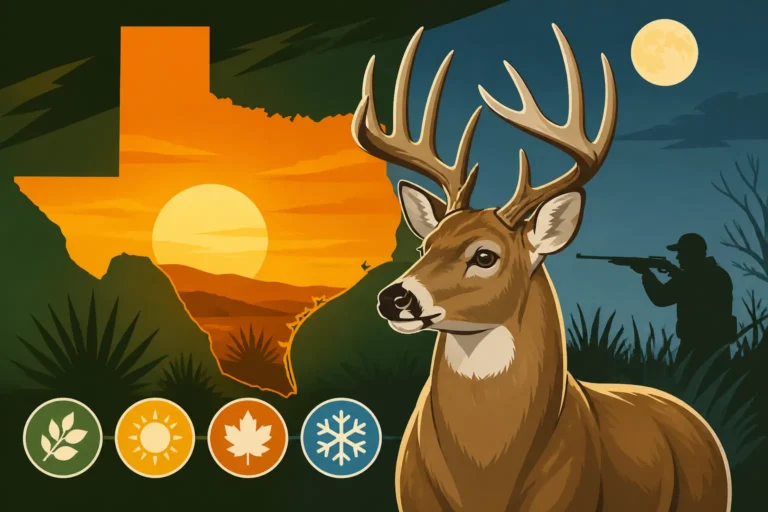
Finally, after the main general season concludes, there's often a Special Late Season. This season is designed to help landowners manage deer populations by allowing continued harvest of antlerless deer and unbranched-antlered bucks. It's a fantastic opportunity for hunters who didn't fill their tags during the main seasons or prefer hunting without the crowds. Youth hunters also have special weekends, offering them dedicated time in the field, often outside the regular season. For a quick glance at the main dates, check out this table:
| Season Type | North Zone (Typical) | Central Zone (Typical) | South Zone (Typical) | Eligible Deer |
|---|---|---|---|---|
| Archery Season | Early Oct – Early Nov | Early Oct – Early Nov | Early Oct – Early Nov | Any Legal Deer |
| General Season | Early Nov – Mid Jan | Early Nov – Early Jan | Early Nov – Late Jan | Any Legal Deer |
| Muzzleloader Season | Mid Jan (select counties) | Mid Jan (select counties) | Not typically offered | Any Legal Deer |
| Special Late Season | Mid Jan – Early Feb | Mid Jan – Early Feb | Late Jan – Mid Feb | Antlerless & Unbranched |
Note: These dates are typical and can shift annually. Always consult the current TPWD Outdoor Annual for exact dates for 2026.
Decoding Texas Antler Restrictions and Bag Limits
Once you understand when and where you can hunt, the next critical step is knowing what you can legally harvest. Texas has some very specific regulations regarding antler size and the number of deer you can take, all aimed at promoting a healthy deer herd and improving buck quality over time. These rules can be confusing, especially for new hunters or those accustomed to more straightforward regulations in other states.
The Infamous 13-Inch Rule and Its Impact on Deer Management
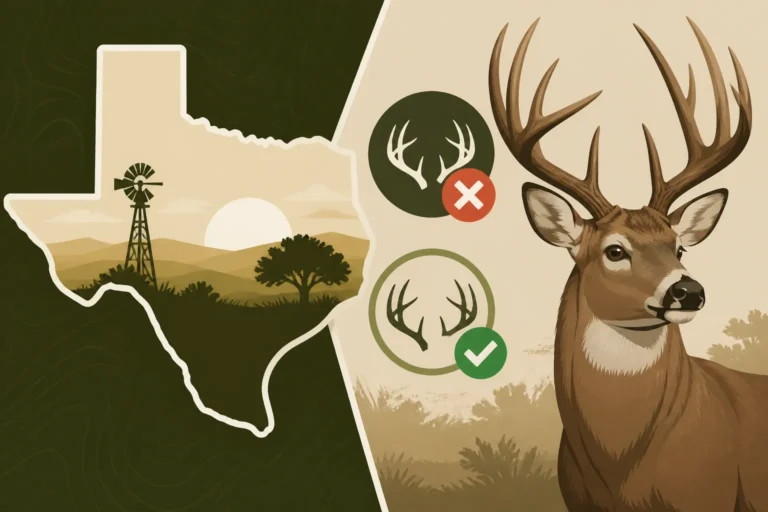
Ah, the 13-inch rule. If you've hunted Texas whitetails, you've almost certainly encountered it, and probably heard a few debates about it around the campfire. Essentially, in many counties, a buck is considered legal to harvest only if it has at least one unbranched antler, or if both main beams are 13 inches or greater in length, measured from the base of the main beam to its tip. This rule was implemented to protect younger bucks, allowing them to mature and contribute to the gene pool before being harvested.
It's a fantastic management tool, but it also places a significant responsibility on the hunter to accurately judge antlers in the field. How many times have we all stared through binoculars, trying to estimate those crucial inches? Sometimes it's a no-brainer, other times it's a genuine head-scratcher, especially in low light or thick cover. You are allowed to harvest one unbranched antlered buck, regardless of beam length, which helps hunters avoid passing up a spike that might be a year-and-a-half-old buck with excellent genetics, while still protecting young, branched-antlered deer. For a detailed list of which counties fall under this specific regulation, you'll want to check out "Texas Antler Restrictions: 13-Inch Rule & Counties". Always be sure you know the rules for your specific county before you pull the trigger.
Antlerless Deer Permits, Doe Days, and Bag Limits by County
Beyond antler restrictions for bucks, there are also strict rules for harvesting antlerless deer (does). In many counties, you can't just harvest a doe during the general season without an Antlerless Deer Permit, often issued by the landowner or lease manager through programs like the Managed Lands Deer Program (MLDP). These permits are crucial for population control and are allocated based on TPWD recommendations for the specific property.
However, in some counties, there are designated "doe days" or a period during the general season when antlerless deer can be harvested without a special permit. This varies widely by county, so consulting the Outdoor Annual for your specific location is non-negotiable. The statewide bag limit for white-tailed deer is four deer per hunter per license year, with no more than two being bucks. However, this is a maximum, and individual county limits can be much more restrictive. For example, some counties might only allow one buck and one doe, while others allow two bucks and two does. Understanding your county's specific bag limit is paramount to staying legal. If you're curious about the overall number of deer you can take, our guide on "How Many Deer Can You Kill in Texas?" provides an excellent overview.
Essential Regulations Beyond Season Dates and Antler Rules
While knowing your seasons and antler rules is fundamental, Texas hunting regulations encompass a much broader spectrum of rules. From the moment you purchase your license to the time you tag your deer and take it to the processor, there are specific legal requirements you must adhere to. Ignoring these details can lead to fines, loss of hunting privileges, and a generally miserable experience.
Licensing, Hunter Education, and Harvest Reporting Requirements
First things first, you can't hunt in Texas without the proper license. The Texas Hunting License is mandatory for almost all hunting activities. For many deer hunters, the "Super Combo" license is the most popular choice, as it bundles various hunting and fishing endorsements, including state permits for white-tailed deer. Non-residents will need a specific non-resident hunting license. You can find detailed information on costs and types in our article: "Texas Hunting License: Cost, Types & How to Buy (2026)".
Next, Hunter Education is a big one. If you were born on or after September 2, 1971, you must complete a hunter education course or show proof of deferral to hunt in Texas. This course covers everything from firearm safety to wildlife conservation and legal responsibilities. It's a foundational piece of responsible hunting, and it's strictly enforced.
Finally, and this is critical, Harvest Reporting is required for certain species and in specific counties for white-tailed deer. Once you harvest a deer, you generally have 24 hours to report it. This is often done through the My Texas Hunt Harvest app or online portal. This data is vital for TPWD biologists to monitor deer populations and make informed management decisions. Our guide on "Texas Hunting Tags & Harvest Reporting (My Texas Hunt Harvest)" will walk you through the process. Always make sure your tag is filled out immediately and correctly affixed to the animal as well.
CWD Zones, Baiting, and Other Specific Rules
Texas is actively managing for Chronic Wasting Disease (CWD), a neurological disease affecting deer and other cervids. This means certain areas of the state are designated as CWD Zones, and they come with very specific rules about carcass movement and testing. If you harvest a deer in a CWD zone, there are strict requirements for transporting the carcass and often mandatory testing protocols. It's a serious issue, and understanding the rules in these areas is vital to prevent the spread of the disease. For comprehensive details, check out "CWD in Texas: Zones, Rules & Carcass Transport".
Baiting, specifically hunting over bait or corn, is largely legal for white-tailed deer in most of Texas, which is a significant difference from many other states. However, there are exceptions, particularly within CWD zones, where baiting might be restricted to limit deer congregation. Additionally, public lands often have their own specific rules regarding baiting, so always check the regulations for your hunting area. Even on private land, while often legal, it's crucial to understand the rules and ethical implications.
Other important rules include regulations on hunting hours (typically 30 minutes before sunrise to 30 minutes after sunset), methods of take (legal firearms, archery equipment, etc.), and even what types of lights you can use at night (generally not allowed for deer, though there are exceptions for feral hogs). It's also worth remembering that game cameras, while incredibly useful for scouting, have rules about their use in some specific contexts. For an in-depth look at hunting over attractants, the article "Hunting Over Feeders & Corn in Texas (Legal Guide)" is a must-read.
Planning Your White-Tailed Deer Hunt
With all these rules and regulations, planning a Texas white-tailed deer hunt can feel like a full-time job. But don't let the complexity deter you! A well-informed hunter is a safe and successful hunter. By taking the time to understand the regulations, you'll be able to focus on the thrill of the hunt.
Navigating the Texas Outdoor Annual for Up-to-Date Information
Your absolute best friend when it comes to Texas hunting regulations is the Texas Parks and Wildlife Department's Outdoor Annual. This publication is the official word on all things legal hunting and fishing in the state. It's available online as a PDF, through a dedicated app, and in print form at most license retailers. While this guide provides a general overview for 2026, the Outdoor Annual will have the precise, finalized dates and rules.
I can't stress this enough: always consult the current year's Outdoor Annual. Regulations can change, even subtly, from one year to the next. What was legal last season might have a minor tweak this year. Take the time to read through the white-tailed deer section, pay close attention to your specific county's rules, and keep a copy handy when you're in the field. It's truly the ultimate resource for making sure you're always on the right side of the law.
Resources for New and Experienced Texas Deer Hunters
Whether you're new to the vastness of Texas hunting or a seasoned veteran, there are always new things to learn and resources to utilize. Beyond the Outdoor Annual, consider connecting with local hunting clubs, experienced outfitters, or even your local game wardens (during non-emergency hours) if you have specific questions. Many online forums and social media groups dedicated to Texas hunting can also be great places to ask questions and learn from others, though always cross-reference information with official TPWD sources.
For those looking to deepen their understanding of deer behavior and effective hunting strategies, exploring guides on topics like "Deer Hunting in Texas: Feeders, Blinds & Tactics" or "How to Pattern Bucks With Trail Cameras" can be incredibly beneficial. Understanding the nuances of the season, from the earliest archery opportunities to the special late season, can greatly enhance your overall hunting experience. Remember, the journey of learning and improving as a hunter is continuous, and staying informed about regulations is a crucial part of that journey. Before you head out, review a step-by-step guide like "How to Hunt Whitetail Deer in Texas (Step by Step)" to ensure all your bases are covered. Even the most experienced hunters can benefit from a refresher!
Disclaimer
Please remember that hunting regulations are subject to change. While this guide aims to provide accurate and comprehensive information for the 2026 Texas white-tailed deer hunting season, it is not a substitute for official legal advice or the current Texas Parks and Wildlife Department Outdoor Annual. Always consult the most recent official TPWD resources for the definitive and legally binding regulations before heading into the field.