Texas White-Winged Dove Hunting Regulations 2026
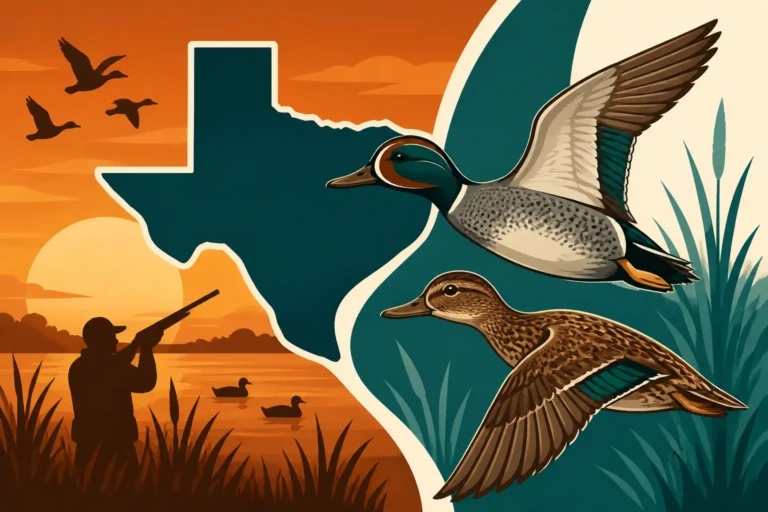
There's nothing quite like the anticipation of September 1st in Texas, the unofficial start of hunting season for so many of us. But let's be honest, trying to keep track of all the specific rules and regulations for dove hunting, especially when white-winged doves are involved, can feel like trying to hit a target blindfolded. This guide is here to untangle the complexities of the 2026 Texas white-winged dove hunting regulations, ensuring you're fully prepared and legal for opening day and beyond.
Understanding Your License and Endorsements
Before you even think about setting up your decoys or dusting off your shotgun, you need to make sure your paperwork is in order. Hunting without the correct licenses and endorsements in Texas isn't just a minor oversight; it can lead to hefty fines and a ruined season. It's a common frustration, especially for new hunters or those who only hit the fields once a year, to navigate the various requirements.
Standard Hunting License Requirements
First and foremost, you'll need a valid Texas hunting license. For residents, the Super Combo license is often the most convenient option, as it bundles a variety of hunting and fishing privileges into one purchase, simplifying the process considerably. However, if you're only planning to hunt doves, a basic Resident Hunting License will suffice. Non-residents have their own set of licenses, which tend to be a bit pricier but are equally essential. Remember, you can easily purchase your Texas Hunting License: Cost, Types & How to Buy (2026) online through the Texas Parks and Wildlife Department (TPWD) website or at most sporting goods stores like Academy Sports + Outdoors or Walmart. Don't wait until the last minute, as unforeseen issues can always pop up!
Migratory Game Bird Endorsement and HIP Certification
Hunting white-winged doves, like all migratory game birds, requires more than just a standard hunting license. You absolutely need a Migratory Game Bird Endorsement, often referred to as a "white-wing stamp," regardless of whether you're a resident or non-resident. This endorsement helps fund conservation efforts for these birds and is mandatory.
In addition to the endorsement, you're required to possess a Harvest Information Program (HIP) certification. This isn't a physical stamp but a brief survey about your past year's hunting success for various migratory species. It's a quick process that collects vital data for wildlife management and is typically completed when you purchase your migratory game bird endorsement or any hunting license. Many hunters forget about HIP certification, but it's crucial for legal compliance. Without both the endorsement and HIP certification, you could face legal trouble, even if you’ve got a valid hunting license.
Navigating White-Winged Dove Season Dates and Zones
Texas is a massive state, and its dove seasons reflect that diversity, broken down into distinct zones with different opening and closing dates. White-winged doves often have specific early season opportunities that differ from the general dove season, particularly in the South Zone. This can be one of the most confusing aspects, trying to figure out exactly when and where you can legally hunt.
The Three Dove Zones: North, Central, and South
Texas is divided into three primary dove zones: North, Central, and South. Each zone has its own set of dates for both the regular and special white-winged dove seasons. Understanding which zone your hunting spot falls into is paramount. For example, the North Zone typically opens later than the Central, which opens after the South. These zones are defined by specific county lines, so it's always best to consult the official Texas Dove Zones Map (North, Central, South) in the Texas Parks and Wildlife Outdoor Annual.
The white-winged dove populations are especially robust in the South Zone, particularly along the border counties and down to the Rio Grande Valley. This is why the South Zone often has special early season dates, offering hunters a unique opportunity to target these birds before the general season opens statewide.
Special White-Winged Dove Days
The "Special White-Winged Dove Days" are a beloved tradition, almost like a second opening day, primarily for hunters in the South Zone. These special days usually occur over the first two full weekends of September, preceding the general statewide dove season opener. During these specific days, hunting is restricted to the South Zone, and the bag limit for white-winged doves is often higher, though still usually a combined limit with mourning doves.
It's critical to note that during these special days, hunting is only permitted from noon to sunset. This differs from the standard shooting hours of half-hour before sunrise to sunset that apply during the general season. This regulation helps manage the harvest and provides a unique hunting experience. Always double-check the exact dates for Texas Dove Season 2026: Zones & Dates as they are subject to change year to year, although patterns are generally consistent.
Deciphering Bag Limits and Hunting Rules
Once you've got your license and you know when you can hunt, the next challenge is understanding how many birds you can take and what methods are permissible. Bag limits and other hunting rules are designed to ensure sustainable populations, and compliance is crucial for the future of dove hunting in Texas.
Daily Bag and Possession Limits
The daily bag limit for doves in Texas is a combined total for all species, which includes white-winged doves, mourning doves, and white-tipped doves (also known as white-fronted doves). While the overall combined limit is typically 15 doves per day, there are often specific restrictions within that total for certain species. For example, during the general season, the 15-bird limit usually allows no more than two white-tipped doves.
During the Special White-Winged Dove Days in the South Zone, the daily bag limit is also a combined 15 birds, but with a more generous allowance for white-winged doves – typically up to 15, as long as it's within the overall 15-bird total. The possession limit, which is the maximum number of birds you can have in your possession after a hunt (including those at your home), is usually three times the daily bag limit. It's easy to get these numbers mixed up, especially after a successful hunt, so a quick mental check or even a small written reminder can save you a headache. For the full breakdown, refer to the Texas Dove Bag Limit & Possession guidelines.
Legal Methods and Restrictions
When hunting white-winged doves, you must adhere to specific legal methods of take and other general hunting regulations. Here are some key points:
- Shotgun Only: You can only use a shotgun, no rifles or handguns.
- Plugged Shotguns: Your shotgun must be plugged so it cannot hold more than three shells in the magazine and chamber combined. This is a federal regulation for migratory game birds.
- Ammunition: Lead shot is generally permissible for dove hunting in Texas. However, if you are hunting on certain federal lands (like National Wildlife Refuges) or some state-managed lands, non-toxic shot might be required. Always verify local rules if hunting on public land.
- Baiting: It is strictly illegal to hunt doves over "baited" areas. This means you cannot place grain or other feed to attract birds. Normal agricultural operations, however, are perfectly legal. If a field has been manipulated (e.g., broadcasting seed) specifically to attract birds, it's considered baited. It's vital to know the history of the field you're hunting. When in doubt, don't hunt it.
- Shooting Hours: As mentioned, general season shooting hours are from half-hour before sunrise to sunset. During the Special White-Winged Dove Days, shooting is limited to noon to sunset in the South Zone.
Here's a quick summary table of key white-winged dove regulations in Texas for 2026 (based on typical patterns):
| Regulation Aspect | General Dove Season (All Zones) | Special White-Winged Dove Days (South Zone Only) |
|---|---|---|
| Season Dates | North Zone: Typically early Sept – Oct, late Dec – Jan. Central Zone: Mid Sept – Oct, late Dec – Jan. South Zone: Mid Sept – Oct, late Dec – Jan. | First two full weekends of September (e.g., Sept 6-7, Sept 13-14) |
| Shooting Hours | Half-hour before sunrise to sunset | Noon to sunset |
| Daily Bag Limit | 15 doves in total, including no more than 2 white-tipped doves. | 15 doves in total, which may include 15 white-winged doves. |
| Possession Limit | 45 doves (3 times daily bag) | 45 doves (3 times daily bag) |
| License Requirements | Hunting License, Migratory Game Bird Endorsement, HIP Certified | Hunting License, Migratory Game Bird Endorsement, HIP Certified |
| Shotgun Capacity | Plugged to 3 shells (magazine + chamber) | Plugged to 3 shells (magazine + chamber) |
| Baiting | Prohibited | Prohibited |
| Non-toxic Shot | Required on certain federal/state lands; otherwise optional. | Required on certain federal/state lands; otherwise optional. |
Disclaimer: Always consult the official Texas Parks and Wildlife Department Outdoor Annual for the most current and exact regulations for the 2026-2027 season, as dates and rules can be subject to change.
Essential Considerations for a Successful Hunt
Beyond just the regulations, there are practical aspects that can significantly impact your white-winged dove hunting success and overall enjoyment. Texas hunting, especially in early September, brings its own set of challenges, from scorching heat to the specific behaviors of these beautiful birds.
Scouting and Field Selection
White-winged doves often prefer different types of habitat than their mourning dove cousins. While mourning doves are widespread, white-wings are particularly drawn to areas with heavier brush, often mesquite and huisache, and closer to water sources. They also love sunflower fields, millet, and other grain fields. Scouting your chosen hunting area well in advance is critical. Look for flight paths between roosting areas, feeding grounds, and water. A good rule of thumb for Dove Field Setup: Where to Stand is to position yourself along these established flight corridors, often near a treeline or a water feature.
It's also worth noting that white-winged doves tend to fly in larger, more noticeable groups than mourning doves. They're often seen funneling into fields later in the afternoon. Pay attention to how they approach and depart a field to find your ideal ambush spot.
Gear Up for Texas Heat
Early September in Texas is, well, Texas hot. The relentless heat and humidity can quickly turn an exciting hunt into a miserable experience if you're not prepared. Forget heavy camo; think lightweight, breathable clothing. Many hunters opt for Best Early-Season Camo for Texas Heat that wicks away moisture and allows for maximum airflow. Brands like Kryptek and Sitka offer some fantastic options.
Hydration is absolutely non-negotiable. Bring plenty of water, a cooler full of ice, and electrolyte-rich drinks. A good cooler, like those from Yeti or RTIC, can be a game-changer for keeping drinks cold and preserving your harvested birds in the field. Sunscreen, a wide-brimmed hat, and sunglasses are also must-haves. Don't underestimate the sun – a nasty sunburn can ruin the rest of your season. Consider a portable fan if you're hunting from a ground blind.
Understanding White-Winged Dove Behavior
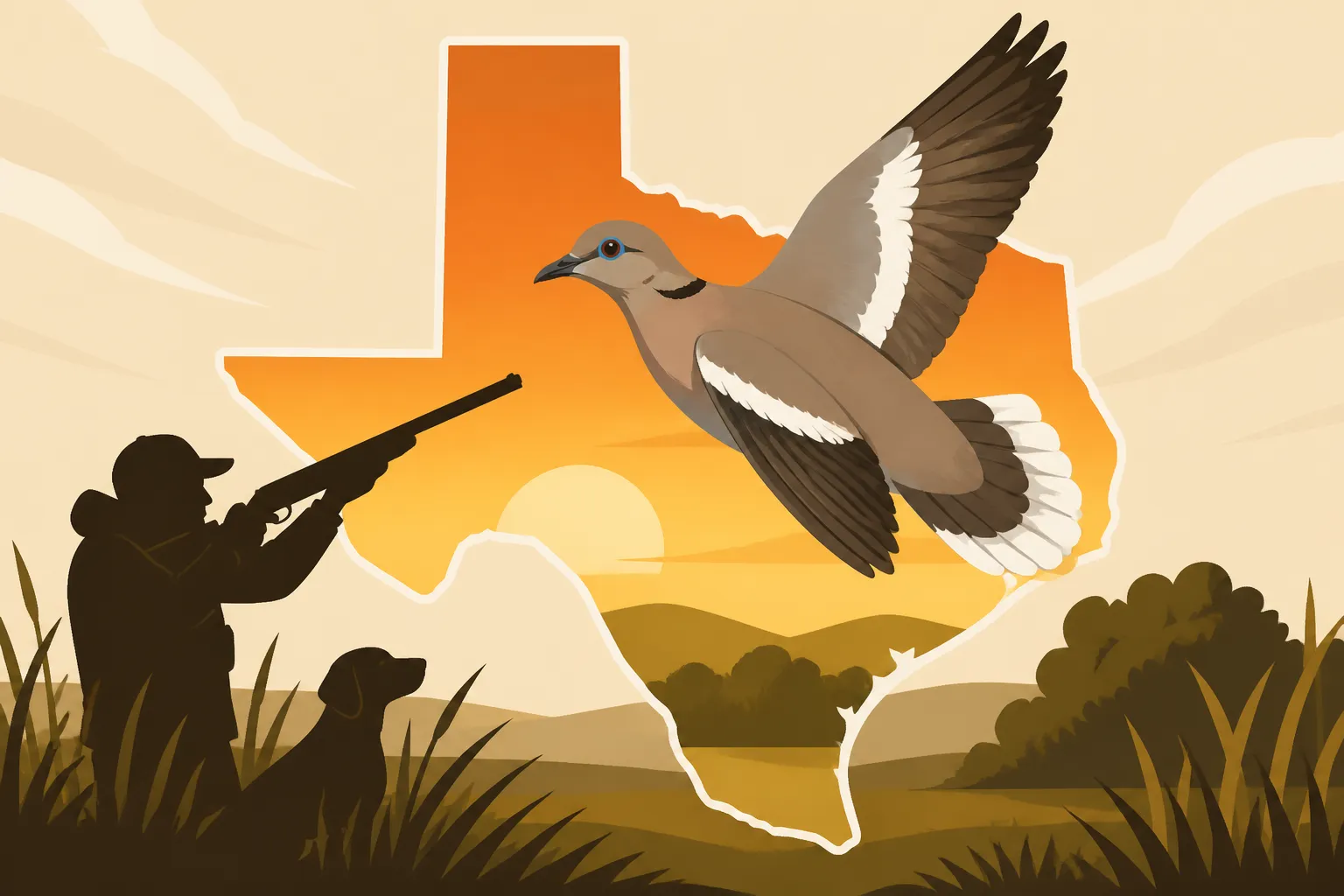
White-winged doves are generally a bit larger and more robust than mourning doves, with a distinctive white patch on their wings that's quite visible in flight. They also tend to be less wary than mourning doves, often flying lower and more consistently, especially when they're locked onto a food source or water. This can make for some exciting, fast-paced shooting.
Decoys can be incredibly effective for white-winged doves. Spreading out a dozen or so decoys in an open field, perhaps near a watering hole or along a treeline, can often pull in birds that might otherwise pass by. Motion decoys, like Mojo decoys, are particularly good at catching their eye from a distance. Learning the specific behaviors of White-Winged vs Mourning Dove in Texas will definitely give you an edge in the field.
Good luck out there, and stay safe!
Disclaimer
The information provided in this guide is for general informational purposes only and is based on typical Texas hunting regulations. Hunting laws and regulations are subject to change. It is the hunter's responsibility to consult the most current official Texas Parks and Wildlife Department Outdoor Annual and any local regulations before engaging in any hunting activities. Failure to do so can result in penalties and fines.