Is Axis Venison the Best Wild Game Meat?
For any Texan hunter worth their salt, the debate over which wild game meat reigns supreme is a perennial one, often sparking passionate discussions around campfires and dinner tables. While many swear by the classic whitetail, a growing chorus of enthusiasts proclaims that axis venison is the undisputed champion. This guide dives deep into what makes axis deer meat so special, comparing it to other popular game and exploring the factors that contribute to its celebrated flavor and tenderness.
Understanding Axis Deer in Texas
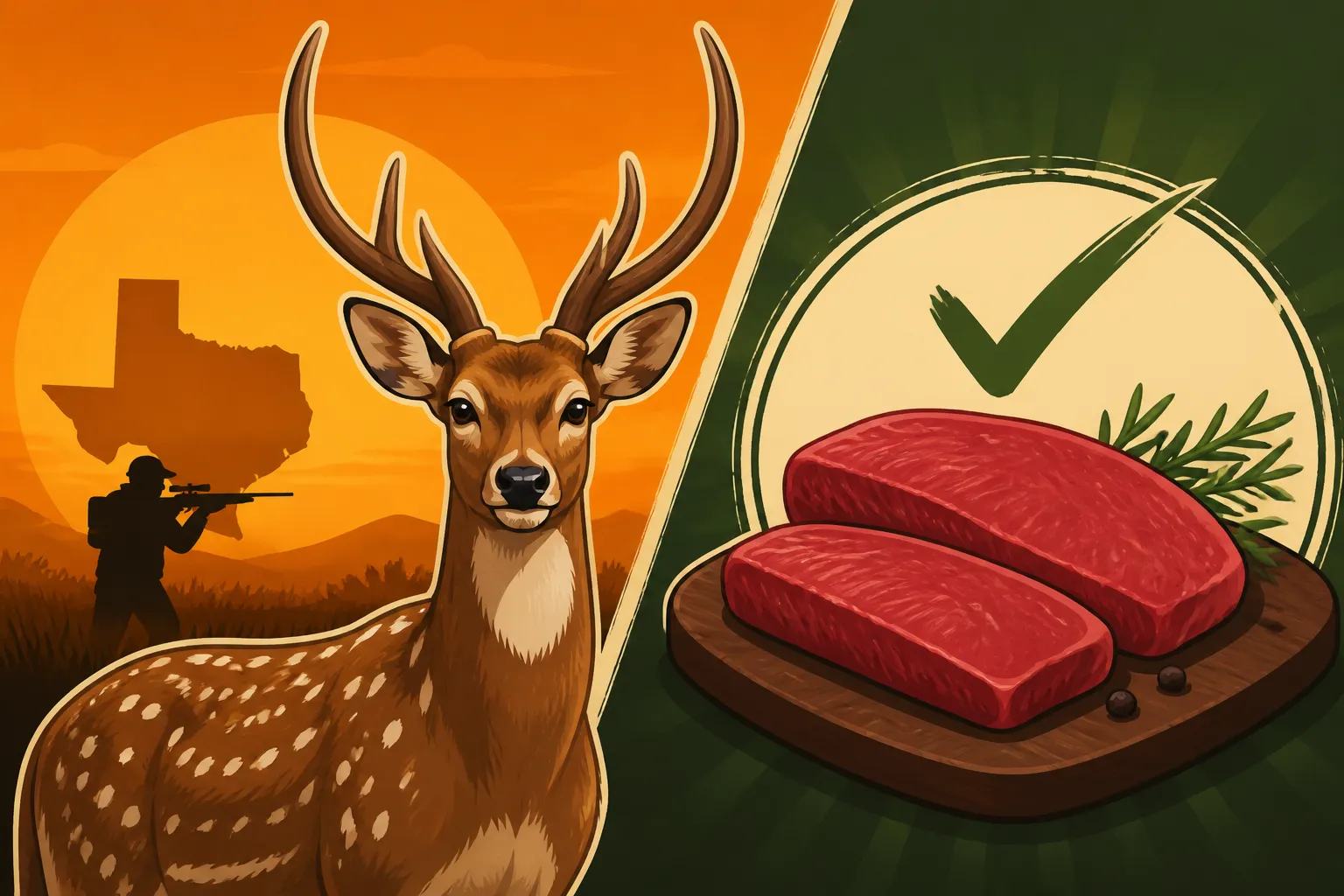
Axis deer, or Chital, are magnificent creatures native to the Indian subcontinent, but they've found a thriving home here in Texas. Introduced to the state primarily for exotic game ranches, they've since established free-ranging populations across various regions, particularly in the Texas Hill Country and South Texas. For many hunters, encountering an axis buck with its striking spotted coat and impressive antlers is a bucket-list experience, but it's often the promise of their delicious meat that seals the deal.
The Rise of Axis Deer in Texas
The story of axis deer in Texas is a fascinating one, really. They weren't always a common sight. Back in the early 20th century, a few individuals were imported to private ranches as an exotic species, simply to add variety for hunters. What nobody fully anticipated was just how well these deer would adapt to the Texas landscape. Unlike our native whitetail, axis deer don't have a fixed rut, which means they can breed year-round. This, combined with a lack of natural predators in many areas and their ability to thrive on diverse forage, allowed their numbers to explode. Now, you can find established populations in over 90 counties, and they're becoming a more and more accessible target for hunters looking for something a little different.
This prolific nature also means that, in many areas, there's no closed season or bag limit on axis deer, especially on private land. This contrasts sharply with the strict regulations governing native species like whitetail. While this flexibility offers fantastic hunting opportunities, it also means that hunters have a wider window to pursue these animals, which can be a real blessing when trying to coordinate a trip or manage lease time. If you're looking for a challenging hunt that can yield some incredible meat, understanding How to Hunt Axis Deer (Free-Range Tactics) is crucial. The unique characteristics of axis deer require slightly different approaches than you might use for whitetail.
Axis Deer Diet and Habitat
One of the biggest contributors to the exceptional quality of axis venison is their diet. Axis deer are primarily grazers, preferring grasses, forbs, and browse. They aren't picky eaters like some other species; they'll readily consume a wide variety of vegetation, from common weeds to the tender leaves of shrubs and trees. In Texas, this means they're often found in areas with good cover and access to lush pastures, river bottoms, and irrigated fields. You'll find them thriving in the live oak and juniper savannahs of the Hill Country, but also adapting to the more arid brush country further south.
Their diverse diet, rich in nutrient-dense forage, translates directly into lean, healthy muscle tissue. Unlike deer that might subsist on less palatable, coarser browse, axis deer in well-managed Texas environments are essentially getting a gourmet diet, which shows up on the dinner plate. This clean eating habit helps reduce any "gamey" flavors often associated with wild venison. The habitat also plays a role in their overall health and condition; well-fed, healthy animals consistently produce better meat. When considering Axis Deer Hunting in Texas (Free-Range vs High-Fence), you'll find that free-range axis, especially, tend to be very fit and lean from constantly moving and foraging across larger territories.
Key Differences from Whitetail Deer
While both are deer species, axis and whitetail have some distinct differences that impact their meat quality. The most striking difference, culinarily speaking, is the fat content and distribution. Whitetail deer, especially older bucks, can develop a pungent, waxy fat, particularly during the rut, that many find unappetizing. This fat, if not meticulously removed during processing, can impart a strong, "gamey" flavor to the meat. This is one of the frustrations many hunters face when trying to prepare their whitetail venison, often leading to extensive trimming and seasoning.
Axis deer, on the other hand, tend to carry very little subcutaneous fat, and what fat they do have is generally clean and mild, not waxy or tallow-like. Their muscle tissue is incredibly lean and fine-grained. Furthermore, as mentioned earlier, axis deer do not experience a defined, intense rut period like whitetail. The strong hormonal changes that occur in whitetail bucks during the rut can significantly alter the taste and smell of their meat, making it less desirable. Since axis deer breed year-round, these dramatic seasonal hormonal shifts are less pronounced, meaning their meat quality remains consistently high regardless of when you harvest them. This means you don't have to worry as much about Best Time to Hunt Axis Deer in Texas affecting meat quality.
The Culinary Appeal of Axis Venison
So, what is it exactly that makes axis venison such a darling among gourmands and hunters alike? It really boils down to a combination of factors that, when taken together, create a truly exceptional eating experience. It's not just hype; there's a tangible difference you can taste and feel.
Texture and Tenderness
One of the most frequently lauded attributes of axis venison is its incredible tenderness. Many describe it as having a texture akin to prime beef, almost melting in your mouth, rather than the sometimes chewy, fibrous quality that can be found in other wild game. This tenderness comes from the fine grain of the muscle fibers. Axis deer are naturally lean, and their muscles are not as dense or tough as those of some other deer species that might be constantly building bulk for fighting or colder climates.
The natural leanness also means there's less connective tissue to break down, which contributes to a more tender chew. When properly harvested and processed, axis meat requires less aggressive tenderizing, and it cooks up beautifully whether it's quickly seared or slow-cooked. This inherent tenderness means you don't have to resort to marinades designed purely to break down tough fibers; instead, you can focus on flavor enhancement. It's a game-changer for those who have struggled with making other venison cuts palatable without extensive preparation.
Flavor Profile: Mild and Clean
If you've ever had a bad experience with "gamey" venison, you know the struggle is real. That strong, sometimes earthy or livery taste can be off-putting for many, even experienced hunters. This is where axis venison truly shines. Its flavor profile is remarkably mild, clean, and subtly sweet. It lacks the strong, pungent notes often associated with whitetail, elk, or moose. Some people even describe it as having a beef-like quality, but with a richer, more nuanced depth of flavor that is distinctly wild, yet incredibly palatable.
This clean taste can be attributed to several factors: their grazing diet, low body fat content, and the lack of a pronounced rut affecting meat flavor. Because the flavor is so mild, axis venison is incredibly versatile in the kitchen. It readily absorbs marinades and seasonings without being overpowered, allowing for a wider range of culinary applications. You can prepare it simply with salt and pepper to let its natural flavor shine, or you can get creative with robust sauces and spices. This versatility makes it a favorite for chefs and home cooks who want to introduce wild game to people who might be hesitant to try it.
Nutritional Benefits of Axis Venison
Beyond its incredible taste and texture, axis venison is also a powerhouse of nutrition. In an age where many are seeking healthier, leaner protein sources, axis deer meat fits the bill perfectly. It's exceptionally lean, meaning it's low in fat and cholesterol compared to many domestic meats. This makes it a heart-healthy choice for those watching their dietary intake.
Nutritional Comparison: 3.5 oz (100g) Cooked Portions (Approximate)
| Nutrient | Axis Venison | Beef Sirloin (Lean) | Chicken Breast (Skinless) |
|---|---|---|---|
| Calories | 130-150 | 180-200 | 165-175 |
| Total Fat | 2-4g | 8-10g | 3-4g |
| Saturated Fat | 1-2g | 3-4g | 1g |
| Cholesterol | 70-80mg | 80-90mg | 85-95mg |
| Protein | 25-30g | 25-30g | 30-35g |
| Iron | Excellent source | Excellent source | Good source |
| B Vitamins | Excellent source | Excellent source | Excellent source |
| Zinc | Excellent source | Excellent source | Good source |
Note: These are approximate values and can vary based on cuts, cooking methods, and individual animal factors.
As you can see from the table, axis venison is comparable to skinless chicken breast in terms of leanness, yet it offers a much richer array of micronutrients like iron, zinc, and a full spectrum of B vitamins, which are crucial for energy and overall health. For hunters who prioritize wholesome, naturally raised protein that is free from hormones and antibiotics, axis venison is an outstanding choice. It's truly a guilt-free pleasure that nourishes the body while delighting the palate.
Preparing and Cooking Axis Venison
Even the best quality meat can be ruined by poor handling and preparation. Axis venison, while forgiving, truly shines when treated with respect from the field to the plate. Getting it right ensures that every bite lives up to its legendary reputation.
Field Dressing and Processing for Quality
The journey to delicious axis venison begins literally moments after the shot. Rapid and efficient Field Dressing & Processing Game in Texas Heat is paramount, especially in our warm Texas climate. The goal is to cool the carcass as quickly as possible to prevent bacterial growth and enzymatic breakdown that can negatively impact flavor and texture. This means getting the hide off and the organs out as soon as it's safe and practical. Many hunters opt to quarter the animal in the field to facilitate faster cooling and easier transport to a processor or cooler.
Once field dressed, the carcass should be hung in a cooler maintained at around 34-38°F (1-3°C) for several days, ideally 7-10 days, for proper aging. Aging allows natural enzymes in the meat to break down connective tissues, further enhancing tenderness and developing a more complex flavor. However, the exact aging time can vary based on factors like the animal's age, fat content, and specific cut. For those without access to a walk-in cooler, local processors are an invaluable resource, as they have the facilities and expertise to handle the aging process correctly. Rushing this step or allowing the meat to sit in heat will significantly diminish the quality, leading to tougher, less flavorful venison. It's often one of the hardest lessons new hunters learn: the work doesn't end when the animal hits the ground.
Optimal Cooking Methods
Because axis venison is so lean and tender, it excels with cooking methods that respect these qualities. Overcooking is the cardinal sin when preparing axis meat, as it can quickly become dry and tough, losing its inherent tenderness. Think quick, high-heat searing for steaks and chops, or low and slow moist-heat methods for larger, tougher cuts that might come from older animals, though these are rare with axis.
For backstraps and tenderloins – the prized cuts – a quick sear in a hot pan or grill to medium-rare or medium is ideal. Aim for an internal temperature of 130-135°F for medium-rare. Rest the meat for 5-10 minutes after cooking to allow the juices to redistribute, ensuring maximum tenderness and flavor. For roasts, low-temperature roasting (around 275-300°F) until medium-rare, or even a reverse sear method, works wonderfully. Ground axis meat is fantastic for burgers, chili, or tacos, often benefiting from a little added fat (like bacon grease or pork fat) to prevent dryness. Don't be afraid to experiment, but always prioritize not overcooking this exquisite meat.
Avoiding Common Mistakes
Several common pitfalls can detract from the experience of cooking axis venison. As mentioned, overcooking is number one. Because it's so lean, it cooks faster than beef, so keep a close eye on it. Another mistake is failing to trim silver skin and connective tissue before cooking, especially on cuts like the backstrap. While axis is naturally tender, removing these membranes ensures a truly melt-in-your-mouth experience.
Many people also make the mistake of marinating good quality venison for too long or using overly aggressive marinades that can mask its delicate flavor. With axis, a simple rub, a light marinade, or just salt and pepper is often all that's needed to let its natural taste shine. If you are using a marinade, keep it to a few hours, not overnight, unless you're trying to achieve a specific flavor profile for a tougher cut. Finally, neglecting proper knife skills during processing can result in poorly cut meat that is difficult to cook evenly. Investing in good sharpening tools and practicing your butchering skills will pay dividends when it comes time to prepare your harvest. Knowing Best Shot Placement for Whitetail Deer can also impact how much usable meat you get, and the same applies to axis.
Comparing Axis Venison to Other Wild Game
While axis venison often receives top billing, it's not the only fantastic wild game meat available to hunters. Understanding how it stacks up against other popular species can help you appreciate its unique qualities and decide what you might prefer for different culinary applications.
Axis vs. Whitetail Venison
This is arguably the most common comparison, and for many Texas hunters, it's a direct competition. Whitetail venison is the classic wild game experience for most in the state. It's usually lean, healthy, and when properly prepared, absolutely delicious. However, it does come with some challenges. As discussed, whitetail, particularly older bucks harvested during the rut, can have a strong, sometimes "gamey" flavor. This is largely due to hormonal changes and the specific type of fat they carry. That strong flavor is something many lifelong hunters have learned to love and even prefer, but it can be off-putting to newcomers or those with a more sensitive palate.
Axis venison, conversely, consistently offers a milder, cleaner flavor profile with virtually no gamey notes. Its fat is minimal and non-waxy, meaning less trimming is required. The texture is generally more tender and fine-grained than whitetail. This often makes axis venison more approachable for those who are new to wild game or who have had negative experiences with "gamey" meat in the past. For a family dinner where you want to appeal to a wider range of tastes, axis often wins out. For the adventurous palate, or when you want that deep, robust "wild" flavor, whitetail still holds its own. For a comprehensive guide on our native species, check out White-Tailed Deer Hunting in Texas: Complete Guide.
Axis vs. Exotics (Nilgai, Fallow, Sika)
Texas is a hub for exotic game hunting, and many of these species offer incredible meat.
- Nilgai: Found primarily in the South Texas brush country, nilgai are large, antelope-like animals. Their meat is incredibly lean, almost purplish in color, and has a very mild, beef-like flavor. It's often compared to grass-fed beef. The challenge with nilgai is their sheer size, making field dressing and processing a significant undertaking. While delicious, some find it too mild, almost lacking the distinctive venison character. Nilgai Hunting in South Texas can be a truly unique and physically demanding experience.
- Fallow Deer: Fallow deer meat is also highly regarded, often described as having a slightly richer flavor than axis, but still very mild and tender. It’s a bit sweeter than whitetail and less intense, making it another excellent choice for gourmet cooking. The fine grain of the muscle also contributes to its tenderness.
- Sika Deer: Sika venison tends to be a bit darker than axis and can have a slightly stronger, more robust flavor, often described as a mix between elk and whitetail. It's still very good, very lean, but might appeal more to those who like a stronger venison taste.
- Blackbuck Antelope: Blackbuck meat is typically very lean and has a fine texture, similar to axis. Its flavor is mild and slightly sweet, making it another excellent table fare.
Compared to these exotics, axis venison often strikes a perfect balance: it's incredibly tender and mild, but still distinctly "venison" enough to satisfy wild game enthusiasts without being overpowering. It's also often seen as the Best Exotic to Hunt in Texas for Beginners due to its meat quality and generally manageable size.
Axis vs. Feral Hog
Feral hogs are another abundant wild game animal in Texas, offering year-round hunting opportunities and a mountain of meat. However, hog meat is a different beast entirely when it comes to flavor and texture. It can vary wildly depending on the hog's diet, age, and sex. Younger, sow meat is often mild and delicious, akin to lean pork. Older boars, especially large ones, can have a very strong, musky, or even rank odor and flavor dueishing with high levels of androstenone and skatole compounds in their fat and glands. This "boar taint" is very off-putting to most people.
Additionally, while hog meat is generally lean, it can also have thick layers of fat that need to be trimmed meticulously to avoid undesirable flavors. The texture can also be tougher than venison, especially in older animals. For these reasons, while wild hog is a fantastic resource, it requires more careful selection and processing to ensure good table fare. Axis venison offers a consistently high-quality, mild flavor with very little of the unpredictability you might encounter with feral hog. For more on hunting these animals, check out Feral Hog Hunting in Texas: Year-Round Guide.
Factors Influencing Meat Quality
Even with a species renowned for its meat, like the axis deer, several factors can significantly impact the final quality on your plate. Understanding these variables allows hunters to make informed decisions that maximize their chances of bringing home truly premium venison.
Age and Sex of the Animal
Generally speaking, younger animals tend to have more tender meat than older ones. This holds true for axis deer. A younger axis buck or a doe will typically yield incredibly tender, fine-grained meat. As animals age, their muscles work harder, developing more connective tissue, which can lead to tougher cuts. While axis deer meat is inherently tender, an older, larger buck might require slightly different cooking methods (e.g., slow cooking) compared to a younger animal to achieve optimal tenderness.
The sex of the animal also plays a role, though less so with axis than with whitetail. With whitetail deer, a rutting buck's meat can be strongly flavored due to hormonal changes. Since axis deer don't have a defined rut and breed year-round, the impact of sex on flavor is much less pronounced. A mature axis buck's meat will generally be just as delicious and mild as a doe's, perhaps just a touch tougher due to age and muscle development, but without the strong "gamey" taste associated with whitetail bucks. This consistency is a major benefit for hunters who prefer to target mature bucks for their trophy value but don't want to compromise on meat quality.
Stress Levels During the Hunt
The stress an animal experiences during the hunt can have a surprisingly significant impact on meat quality. When an animal is stressed, it releases adrenaline and other hormones that can affect the pH level of the muscle tissue. High stress levels before death can lead to tougher meat that doesn't age as well and may even have a slightly sour or off-flavor. This is often referred to as "dark cutting" meat in the beef industry, and while less common in wild game, the principle is the same.
A clean, quick kill is not only ethical but also crucial for optimal meat quality. A deer that is tracked for a long distance, running on adrenaline, will have different meat characteristics than one that is dropped instantly with a well-placed shot. Minimizing the animal's stress and time to death allows the muscles to relax and retain their natural tenderness and flavor. This is why practicing your shooting, understanding anatomy, and choosing the right caliber for Best Shot Placement for Hogs (and axis deer) is so important – it's not just about the kill, it's about the table fare too.
Post-Harvest Care and Aging
We touched on this earlier, but it truly cannot be overstated: how you handle the animal immediately after harvest and through the processing stage is paramount. Even if you harvest a perfectly healthy, unstressed axis deer, improper post-harvest care can ruin the meat. The two critical elements are rapid cooling and proper aging.
- Rapid Cooling: The core temperature of the animal needs to drop quickly. This involves field dressing immediately to remove internal heat sources, and in hot Texas weather, getting the hide off as soon as possible. Some hunters even use ice in the chest cavity to aid cooling, especially when a long drive to a processor is involved. If the meat stays warm for too long, bacteria will multiply rapidly, leading to spoilage and off-flavors.
- Proper Aging: As mentioned, aging in a controlled, cool environment (34-38°F) for 7-10 days allows enzymes to naturally tenderize the meat. This process also concentrates and develops the flavors. Without proper aging, even the most tender axis meat can be tougher than it should be. Too long aging, or aging at too high a temperature, can lead to spoilage. This is a science, and if you're not equipped to do it yourself, a reputable wild game processor is an absolute must. For specific advice on handling game in warm climates, you might find How to Cool a Deer Fast in Texas Heat useful.
Is Axis Venison Truly the Best?
After all this discussion, the million-dollar question remains: Is axis venison definitively the best wild game meat? The answer, like with many things in life, isn't a simple yes or no.
Subjectivity and Personal Preference
Taste is, ultimately, incredibly subjective. What one person considers a mild, delightful flavor, another might find bland. Some hunters genuinely prefer the robust, more assertive flavor of whitetail venison, especially a mature rutting buck, because it tastes more wild to them. They appreciate that distinct "gamey" quality that others seek to avoid. For these individuals, axis venison, despite its tenderness and mildness, might not hit that particular craving for a truly "wild" experience.
Similarly, preferences for texture can vary. While most would agree that tender meat is desirable, some might appreciate a bit more chew in their venison, finding it more satisfying. The "best" often comes down to individual culinary background, exposure to different game meats, and personal taste preferences. There's no wrong answer when it comes to what you enjoy the most.
Overall Consensus Among Hunters
Despite the subjectivity, there's a strong and widespread consensus within the hunting community, particularly among those who have had the pleasure of sampling various exotic and native game, that axis venison ranks exceptionally high. Many veteran hunters and culinary experts consistently place it at or near the top of their lists for wild game meat quality. Its consistent tenderness, mild flavor, and versatility make it a standout.
This widespread praise isn't just anecdotal. You'll find outfitters and ranchers in Texas frequently touting the meat quality of their axis deer, understanding that it's a major draw for hunters. Chefs at upscale restaurants specializing in wild game often feature axis venison on their menus precisely because of its premium characteristics and broad appeal. So, while personal preference rules, the general consensus leans heavily in favor of axis being one of the finest, if not the finest, wild game meats available.
The "Best" for Different Occasions
Perhaps a better way to frame the question is: what is the "best" for a particular occasion or purpose?
- For Introducing Newcomers to Wild Game: Axis venison is arguably the absolute best choice. Its mild flavor and tender texture are far less likely to be off-putting than, say, a strongly flavored whitetail or an improperly prepared feral hog. It provides a delicious and approachable entry point into the world of wild game.
- For Everyday Cooking: Its versatility and consistent quality make axis venison a fantastic staple for daily meals. It can be substituted for beef in many recipes with excellent results.
- For Gourmet Dishes: High-end chefs love axis for its ability to take on subtle flavors and its steak-like texture, making it perfect for elegant preparations.
- For the "Wild" Experience: If you're a purist who craves that unmistakable, robust flavor of truly wild, free-ranging game, then an older whitetail buck might still be your preferred choice.
Ultimately, while the term "best" is always tricky, axis venison certainly makes a compelling case for being among the elite wild game meats. It consistently delivers on tenderness, a mild and clean flavor, and impressive nutritional benefits. For anyone in Texas with the opportunity to harvest an axis deer, you're in for a culinary treat that will likely cement its place as a top contender in your wild game repertoire.
Disclaimer
Hunting regulations and seasons can change. Always consult the most current Texas Parks and Wildlife Department Outdoor Annual before planning any hunting trip. This article is for informational purposes only and does not supersede official regulations.