How to Hunt Fallow Deer in Texas
Texas offers a truly unique hunting experience, and for many, that includes pursuing some of the incredible exotic game animals that call our ranches home. Fallow deer, with their distinctive palmate antlers and striking coat variations, are a prime example of such an adventure. If you've ever dreamed of adding a beautiful fallow buck to your trophy room or just want to experience a different kind of hunt, but aren't quite sure where to begin with these non-native species, this comprehensive guide is designed to walk you through everything you need to know to successfully hunt fallow deer here in the Lone Star State.
Understanding Fallow Deer in Texas
Before you even start packing your gear, it's really helpful to get a good handle on what fallow deer are all about, especially in the context of Texas. They're not your typical whitetail, and understanding their origins and characteristics will set you up for a much more informed and enjoyable hunt.
Fallow Deer Background and Characteristics
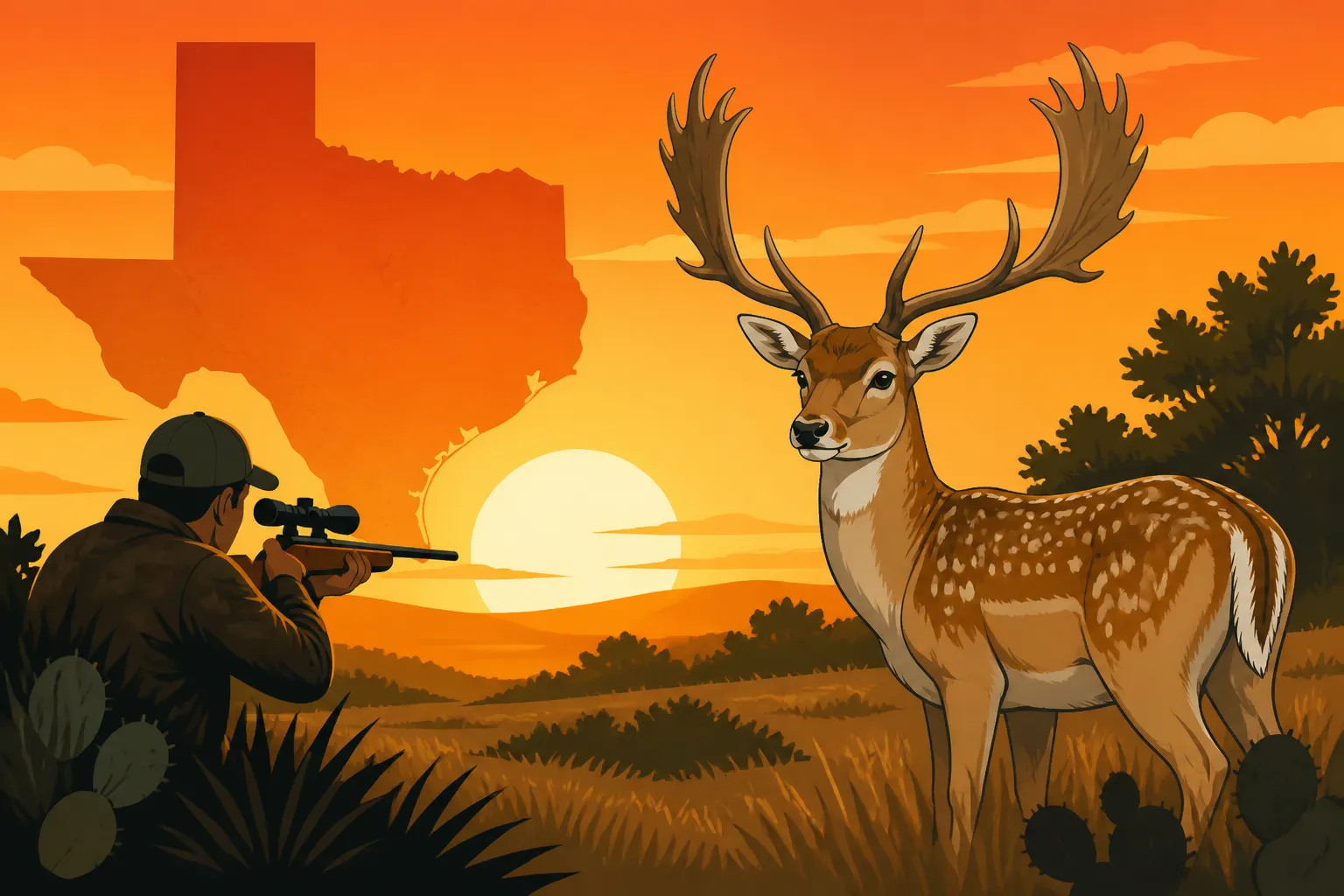
Fallow deer, scientifically known as Dama dama, are truly fascinating creatures. Originally native to parts of Europe and Asia, these medium-sized deer were introduced to various parts of the world, including Texas, primarily for their aesthetic appeal and as a game animal on private ranches. What often grabs people's attention first is their stunning appearance. They come in several distinct color phases: the common phase (fawn-colored with white spots in summer, darkening to a solid brown in winter), the menil phase (a lighter tan with more pronounced white spots year-round), the melanistic or black phase (a solid dark brown or black), and sometimes even a white phase. It's like seeing a different species every time!
Beyond their coats, fallow deer bucks are most famous for their impressive, broad, palmate antlers. Unlike the typical pointed tines of a whitetail, a mature fallow buck's antlers flatten out into a shovel-like shape, often with many points along the edges. This unique rack makes them a highly sought-after trophy. These deer are also generally a bit larger than a Texas whitetail, with bucks weighing anywhere from 150 to 220 pounds, and does typically ranging from 80 to 110 pounds. They are known for being fairly social animals, often seen in herds, which can sometimes make stalking a challenge as more eyes and ears are on alert.
Where to Find Fallow Deer in Texas
Here's the critical distinction for hunting fallow deer: you won't find them roaming free in vast numbers across public lands like you would whitetails or even feral hogs. Fallow deer are considered exotic livestock in Texas. This means they are almost exclusively found on private, high-fenced game ranches and breeding operations. These ranches, often sprawling across thousands of acres, provide the controlled environment necessary for exotics to thrive without impacting native populations negatively.
The vast majority of these exotic game ranches are concentrated in certain regions of Texas. The Texas Hill Country, known for its rolling hills, live oaks, and abundant water, is particularly famous for its thriving exotic game industry, including fallow deer. Counties like Kerr, Gillespie, and Mason are prime examples where you'll find numerous operations offering hunts. South Texas also hosts a significant number of exotic ranches, benefiting from the thick brush country that provides excellent cover and habitat. When you're looking to hunt fallow deer, your search will almost certainly begin and end with finding a reputable private hunting outfitter or ranch.
Planning Your Fallow Deer Hunt
Since fallow deer hunting is primarily a private land, outfitter-driven experience in Texas, careful planning is paramount. It’s not just about showing up with a rifle; it's about choosing the right experience for you.
Choosing a Reputable Outfitter or Ranch
The cornerstone of a successful fallow deer hunt in Texas is selecting the right outfitter or ranch. This is where your research really pays off. Start by looking for operations that specialize in exotic hunts and have a solid track record with fallow deer specifically. Don't be afraid to ask for references or scour online reviews to get a feel for other hunters' experiences. A good outfitter will be transparent about their pricing, what's included in the hunt package (guides, lodging, meals, field dressing, caping, etc.), and their typical success rates. They should also be able to tell you about the typical size of bucks they harvest.
When you're comparing options, consider the terrain and the hunting style offered. Some ranches might have more open country, lending itself to longer shots, while others might be heavily brushed, favoring closer encounters. Also, inquire about the guide-to-hunter ratio. A dedicated, experienced guide can make all the difference, helping you spot game, assess trophy quality, and plan your stalk effectively. You want an outfitter who prioritizes ethical hunting and animal welfare, not just a quick harvest. Many hunters find that well-established ranches like the Y.O. Ranch Headquarters or Ox Ranch offer diverse exotic experiences, but there are countless smaller, equally dedicated outfits across the state worth exploring. For more on this, check out our guide on Hunting Outfitters in Texas by Region.
Necessary Licenses and Regulations
One of the most appealing aspects of hunting exotic species like fallow deer in Texas is the lack of traditional hunting seasons or bag limits. Because they are classified as private property and not native game animals, the Texas Parks and Wildlife Department (TPWD) does not regulate their harvest dates or numbers. This means you can often hunt fallow deer year-round, which provides incredible flexibility when planning your trip. It's a huge advantage if you have a tight schedule or if you want to hunt during times when native deer seasons are closed.
However, you do still need a valid Texas hunting license to hunt any exotic animal, even on private land. This is a fundamental requirement for anyone engaging in hunting activities in the state, regardless of the species. Non-residents will need to purchase a non-resident special hunting license or a non-resident general hunting license. You won't need specific tags for fallow deer, unlike whitetails or turkeys, but you must possess that basic hunting license. Always double-check the latest regulations with TPWD or your chosen outfitter to ensure you are fully compliant. To ensure you're covered, refer to our comprehensive guide on Texas Hunting License: Cost, Types & How to Buy (2026).
Effective Fallow Deer Hunting Tactics
Once you've got your outfitter sorted and your license in hand, it's time to think about how you'll actually get that fallow buck. These deer can be cunning, and a mix of tactics often yields the best results.
Spot-and-Stalk Techniques
Spot-and-stalk is arguably one of the most exciting and challenging ways to hunt fallow deer, and it's a technique that truly tests your hunting prowess. This method involves slowly traversing the terrain, using binoculars or a spotting scope to locate deer, and then carefully planning and executing a stalk to get within shooting range. Fallow deer often prefer open woodlands, clearings, and pastures where they can graze, which can sometimes make spotting them easier but also makes closing the distance without being detected significantly harder. Their keen eyesight and social nature mean there are often multiple sets of eyes looking out for danger.
When undertaking a spot-and-stalk hunt, patience is your greatest ally. You'll spend a lot of time glassing, systematically scanning open areas, tree lines, and brush for any sign of deer. Once spotted, pay close attention to the wind direction. Fallow deer, like most deer, have an excellent sense of smell, and a shift in the wind can instantly blow your cover. Use the terrain to your advantage – gullies, ridges, and dense brush can provide crucial concealment. Moving slowly, deliberately, and quietly is absolutely essential. Remember, it’s not a race; it's a chess match against an animal that lives by its senses. For more detailed insights into this exhilarating method, our guide on Spot-and-Stalk Hunting in Texas (Exotics & Mule Deer) offers fantastic strategies.
Stand Hunting Over Feeders or Water Sources
While spot-and-stalk offers a thrill, many Texas ranches also utilize stand hunting, particularly over feeders or water sources, to increase opportunities, especially for hunters who prefer a less physically demanding approach or during specific times of the day. Setting up in a comfortable box blind or a tripod stand overlooking an area where fallow deer regularly feed or drink can be highly effective. Ranches often maintain protein feeders or corn feeders to supplement the deer's diet and keep them on the property. Fallow deer are creatures of habit, and they will typically visit these areas during predictable times, often early morning or late afternoon.
When choosing a stand location, your guide will likely have already done the scouting work, but understanding the principles still helps. Look for areas with good visibility but also good cover for entry and exit from the blind. Consider the prevailing wind direction to minimize scent dispersion. Being able to sit still and silently for extended periods is key. While you might not be actively "hunting" in the same way as a stalk, the anticipation and the chance to observe deer behavior up close can be incredibly rewarding. Remember that using feeders is perfectly legal for exotics and on private land, but understanding the nuances of Hunting Over Feeders & Corn in Texas (Legal Guide) is always beneficial.
Here's a quick comparison of common fallow deer hunting methods:
| Hunting Method | Advantages | Disadvantages | Best Suited For |
|---|---|---|---|
| Spot-and-Stalk | Highly engaging, active, rewarding | Physically demanding, challenging, lower success if inexperienced | Experienced hunters, those seeking a challenge, open terrain |
| Stand Hunting | Less physical, predictable, good for observation | Can be less active, weather dependent | All skill levels, hunters with mobility issues, any terrain with established feed/water |
| Still Hunting | Quiet movement through cover, immersive | Requires extreme stealth, dense cover limits visibility | Hunters who enjoy slow, deliberate movement, heavily wooded areas |
Bowhunting Considerations for Fallow Deer
For the dedicated archer, pursuing fallow deer with a bow offers an elevated level of challenge and satisfaction. Bowhunting demands closer ranges, impeccable shot placement, and even more stringent stealth than rifle hunting. Fallow deer present a good target for bowhunters dueable to their size, which is larger than a whitetail, offering a slightly more forgiving kill zone. However, their social nature means you'll often have multiple eyes and ears to contend with, making those final few yards of a stalk or a silent draw from a blind crucial.
When bowhunting, shot placement is paramount. Aim for the classic lung or heart shot, typically just behind the shoulder. A good broadhead, properly sharpened, is essential for a clean pass-through and a quick, ethical harvest. Many bowhunters prefer to hunt fallow deer from strategically placed ground blinds or elevated tree stands over known travel routes or feeding areas, as these offer better concealment and a controlled shooting environment. Learning to effectively use a rangefinder is also critical, as judging distances accurately is key to precise archery shots. If you're passionate about archery, you'll find great value in our guide on Bowhunting in Texas: Archery Season Guide, which covers many fundamental principles applicable to exotics as well.
Post-Hunt Essentials for Fallow Deer
Congratulations, you've harvested a beautiful fallow deer! The work isn't over yet. Proper handling of your game is crucial for maximizing meat quality and preserving your trophy.
Field Dressing and Meat Care
Texas heat, even outside the peak summer months, can be a serious factor when it comes to game care. Just like with any other deer, prompt and thorough field dressing is absolutely essential for preserving the quality of the fallow deer meat. The moment your fallow is down, you'll want to get to it quickly. Remove the entrails as soon as possible to allow the body cavity to cool down. This process dissipates body heat, which is the primary enemy of fresh meat. If you're on a guided hunt, your outfitter and guide will typically handle this, but it's always good to know the basics yourself.
After field dressing, the next step is to get the carcass cooled down as rapidly as possible. If you're not heading straight to a processor, this might involve skinning the deer and quartering it to fit into large coolers packed with ice. Ensure the meat doesn't sit in melted ice water; ideally, use game bags to keep it clean and elevate it slightly within the cooler. Fallow deer venison is generally considered excellent table fare, often described as mild and fine-grained, similar to red stag or axis deer. Taking these critical steps immediately after the harvest will ensure that delicious meat makes it to your dinner plate in prime condition. For a detailed walkthrough on managing your harvest in warm climates, check out Field Dressing & Processing Game in Texas Heat.
Trophy Care for Antlers and Hides
If you've harvested a fallow buck with those unique palmate antlers, you'll definitely want to preserve them as a trophy. The initial care, often referred to as caping, is usually handled by your outfitter's guide. Caping involves carefully skinning the head and neck, leaving enough hide for a shoulder mount. It's delicate work, so if you're not experienced, definitely leave this to the professionals provided by your ranch. The guide will typically prep the skull and hide to be ready for transport to a taxidermist.
Once the caping is done, the hide and antlers need proper preservation. The hide should be salted generously and kept cool to prevent slippage (hair falling out) before it reaches the taxidermist. The antlers, if you're not doing a full head mount, can be cut from the skull plate. If doing a European mount, the skull needs to be cleaned thoroughly. Communication with your taxidermist before your hunt is always a good idea, as they can provide specific instructions for initial field care that will make their job easier and ensure a better final product. Many ranches have preferred local taxidermists, which can simplify logistics significantly.
Disclaimer
Please remember that hunting regulations and best practices can change. Always consult the most current Texas Parks and Wildlife Department (TPWD) Outdoor Annual and communicate directly with your chosen hunting outfitter or landowner to ensure you are fully compliant with all rules and regulations before heading afield. This guide is for informational purposes only and does not supersede official regulations.