How to Hunt Rabbit in Texas
For many Texas hunters, especially those just starting out or looking for a way to extend their time in the field outside of major big game seasons, the humble rabbit often gets overlooked. Yet, when you're itching to hunt but big deer season is months away, or you're frustrated by expensive leases and limited opportunities, rabbit hunting offers an incredibly accessible and rewarding experience. This guide will walk you through everything you need to know about pursuing rabbits across the Lone Star State, from identifying different species to understanding regulations and mastering the most effective tactics.
Understanding Texas Rabbits and Their Habitat
Texas is a big state, and with that size comes a variety of landscapes and, consequently, a few different rabbit species you might encounter. Knowing what you're looking for and where they like to hang out is the first step to a successful hunt. It’s not just about seeing a bunny; it’s about understanding their world.
Species of Rabbits in Texas
When you're out in the Texas brush, you'll primarily be targeting a couple of true rabbit species and, often, their larger cousin, the jackrabbit. While all offer a fun challenge and good eating, they have distinct characteristics and preferred hangouts. Don't make the mistake of thinking all "bunnies" are the same – a swamp rabbit is a different beast entirely from a desert cottontail!
The Eastern Cottontail is likely the most common rabbit you'll encounter, especially in the eastern and central parts of the state. These guys are your classic backyard bunnies, characterized by their fluffy white tail and generally brownish-gray fur. They prefer dense cover, often found in briar patches, thickets, woodpiles, and tall grasses along field edges or creek bottoms. They're quick, but often rely on freezing in place or diving into the nearest cover when startled. They're relatively small, making them a challenging target for a shotgun.
Moving westward, particularly into the drier regions, you'll primarily find the Desert Cottontail. These rabbits look very similar to their eastern cousins but are usually a bit paler in coloration to blend with the arid landscape. They're masters of navigating the sparse, thorny scrub of West Texas, making their homes in prickly pear cactus patches, mesquite thickets, and rocky outcroppings. Don't underestimate their speed; they can put on the jets when spooked, often leading you on a merry chase through unforgiving terrain.
Then there's the Swamp Rabbit, a true powerhouse among the cottontails. Larger and darker than the other two, these rabbits have a grizzled brown-and-black coat and often a less conspicuously white tail. As their name suggests, they're typically found in wetland areas, swamps, marshes, and riparian zones along rivers and creeks, especially in East Texas and the Gulf Coast plains. They are excellent swimmers and aren't afraid to take to the water to escape danger. Hunting these can be a truly wet and wild affair, demanding appropriate footwear like quality Best Snake Boots for Texas Hunting.
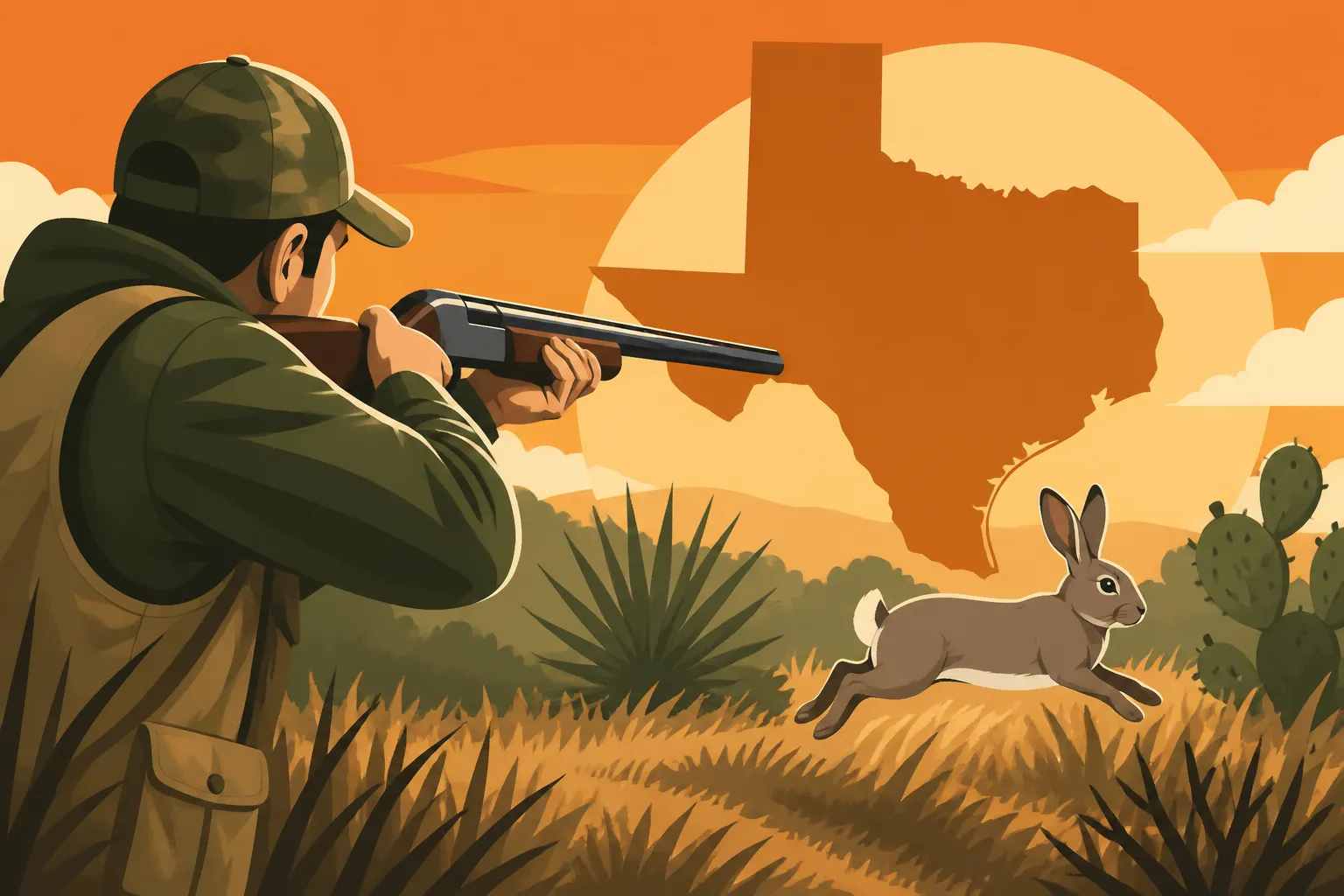
Finally, we have the Jackrabbits. While often called rabbits, they are technically hares, distinguished by their longer ears, legs, and a tendency to live above ground in "forms" rather than burrows. In Texas, you'll mainly find the Black-tailed Jackrabbit. These guys are significantly larger and faster than cottontails, built for open country and pure speed. You'll spot them across nearly all of Texas, from the Panhandle to South Texas, often in open grasslands, agricultural fields, and sparse brush. They are a completely different hunting challenge, often requiring longer shots and faster swings.
Knowing these differences helps you tailor your approach. You wouldn't hunt a swamp rabbit the same way you'd hunt a desert cottontail in wide-open country. Each species offers its own unique set of challenges and rewards, making Texas rabbit hunting far more diverse than many might initially believe.
| Species | Primary Habitat | Average Weight (lbs) | Distinguishing Features | Hunting Challenge |
|---|---|---|---|---|
| Eastern Cottontail | Dense thickets, woodpiles, field edges | 2-3 | Fluffy white tail, brownish-gray fur, short ears | Quick bursts, relies on cover, good eating |
| Desert Cottontail | Arid scrub, prickly pear, rocky areas | 2-3 | Paler fur, short ears, adapted to dry conditions | Fast, navigates thorny brush, good eating |
| Swamp Rabbit | Wetlands, marshes, riparian zones | 4-6 | Larger, darker, grizzled coat, often swims | Heavy cover, water escapes, challenging terrain, robust meat |
| Black-tailed Jackrabbit | Open grasslands, prairies, agricultural fields | 5-9 | Very long ears and legs, black stripe on tail, extreme speed | Long shots, open country, high speed, tougher meat |
Preferred Habitats and Behavior
Rabbits and jackrabbits are crepuscular, meaning they are most active during dawn and dusk. This is when they venture out to feed. During the heat of the day, especially in Texas, they'll typically be hunkered down in whatever cover they can find to escape predators and the scorching sun. Understanding these patterns is key to locating them.
Cottontails, whether eastern or desert, are creatures of edges. They love the transition zones where dense cover meets open feeding areas. Think about the edge of a pasture that backs up to a thick cedar break, a fence line overgrown with weeds, or even abandoned homesteads with brush piles and old equipment. In these areas, they can quickly dart from safety to forage on grasses, clover, forbs, and even tree bark or young shoots. Their home range is usually quite small, so if you find one, chances are more are nearby.
Swamp rabbits are even more particular, sticking close to water sources. They thrive in boggy ground, areas prone to flooding, and dense cane breaks along sluggish streams. Their diet will include aquatic plants as well as terrestrial greens. When you're in East Texas, look for areas with standing water, cypress knees, and dense undergrowth; that's prime swamp rabbit country.
Jackrabbits, on the other hand, embrace the wide-open spaces. They need room to run, which is their primary defense. You'll find them scattered across vast pastures, along dusty ranch roads, and in fields of sparse crops. They often make shallow depressions in the ground called "forms" where they rest, using their long ears to detect threats from afar. Their diet is broader, including grasses, cacti, and various desert plants. If you're hunting in the Panhandle or West Texas, focusing on wide-open spaces with scattered low brush is your best bet for these speedsters.
Understanding these habitat preferences allows you to focus your scouting efforts. Instead of just wandering aimlessly, you can target specific types of cover or terrain based on the rabbit species you hope to find. This strategic approach will save you time and greatly increase your chances of success.
Seasons, Regulations, and Licensing for Rabbit Hunting
One of the beautiful things about rabbit hunting in Texas is its accessibility. Unlike deer or turkey, there aren't complex seasons or antler restrictions to worry about. However, "no season" doesn't mean "no rules," so it's crucial to understand the legal framework. It’s a lot simpler than deciphering the Texas Deer Season 2026-2027: Dates by Zone or Texas Turkey Season 2026: Spring & Fall Zones, but you still need to be squared away.
Legalities of Rabbit Hunting in Texas
For most species of rabbit and hare in Texas, there is no closed season and no bag limit. This means you can hunt them year-round, any day of the week, and take as many as you legally and ethically can. This is a huge boon for hunters looking for continuous opportunities. This "open season" rule applies to cottontail rabbits and jackrabbits.
However, there are a few important caveats:
- Private Land Permission: The vast majority of huntable land in Texas is private. You must have landowner permission to hunt on private property. Trespassing is a serious offense. Always get written permission if possible, or at least verbal confirmation.
- Public Land Rules: If you plan to hunt on public lands, such as Wildlife Management Areas (WMAs) or National Forests, you'll need an Annual Public Hunting Permit: What It Covers in addition to your regular hunting license. Furthermore, public lands often have specific rules that do impose bag limits, shooting hours, and even weapon restrictions for small game. Always check the specific regulations for the WMA or public land you intend to hunt. For instance, some WMAs might have different rules for small game during certain big game seasons. You can find detailed information for these areas in resources like the Public Hunting in Texas: WMAs & Annual Public Hunting Permit guide.
- Method of Take: You can generally hunt rabbits with firearms (shotguns, rifles, handguns), archery equipment, or even slingshots. However, always confirm local regulations, especially on public lands where certain calibers or archery types might be restricted.
- Night Hunting: While some species like hogs can be hunted at night, rabbit hunting is generally considered a daylight activity. Check the specific regulations in the Texas Outdoor Annual, but typically, hunting non-migratory game animals at night is not allowed. Jackrabbits are often considered non-game animals, but still, state law generally prohibits hunting any wild animal or bird, other than those specifically listed, with artificial light. Always err on the side of caution and hunt during legal daylight hours.
Always consult the current Texas Parks and Wildlife Department (TPWD) Outdoor Annual. Regulations can change, and it's your responsibility as a hunter to stay informed.
Licensing Requirements
Yes, even for rabbits, you need a valid Texas hunting license. Don't think just because there's no season or bag limit that you can skip this fundamental step! Acquiring the correct license is the first step to any ethical and legal hunt.
- Residents: For Texas residents, the most common license is the "Resident Hunting License." If you plan to hunt various species, a "Super Combo" license is often the most cost-effective option, covering all the endorsements you might need. You can learn more about costs and types in Texas Hunting License: Cost, Types & How to Buy (2026).
- Non-Residents: Non-residents will need a "Non-Resident Hunting License." The cost is higher, but it grants you the same hunting privileges. Specific details can be found under Texas Non-Resident Hunting License Cost.
- Youth Hunters: Children under 17 (both residents and non-residents) usually qualify for a youth hunting license, which is significantly cheaper. Often, youth hunters don't need to complete hunter education if accompanied by a licensed adult. It's a fantastic way to introduce them to the outdoors. Check out Texas Youth Hunting Weekend Dates for special opportunities.
- Hunter Education: Most hunters born on or after September 2, 1971, must complete a hunter education course. There are exceptions for those hunting on private land accompanied by a licensed adult who is at least 17 years old. However, taking a hunter education course is highly recommended for safety and ethical reasons. You can find more information about this requirement in Do You Need Hunter Education in Texas?.
You can purchase your license online through the TPWD website, at most sporting goods stores like Academy Sports + Outdoors or Bass Pro Shops, or at local bait and tackle shops. Make sure you carry it with you at all times while hunting. It's not just a piece of paper; it's your permission slip to enjoy the incredible hunting opportunities Texas offers.
Effective Tactics and Gear for Texas Rabbit Hunting
Rabbit hunting in Texas, while often seen as a casual pursuit, can be incredibly engaging and challenging. It hones your observational skills, quick reflexes, and often requires a fair bit of walking. The beauty is you don't need a massive amount of specialized gear, making it perfect for beginners or those on a budget.
Hunting Methods
Rabbit hunting isn't a one-size-fits-all endeavor. The best method often depends on the type of rabbit you're after, the terrain, and whether you're hunting solo or with a group.
- Still Hunting (Stalking): This method involves moving slowly and deliberately through rabbit habitat, pausing frequently to scan for movement or the tell-tale shape of a rabbit hunkered down. This works especially well in areas with patchy cover where rabbits might try to sit tight until you're very close. Look for slight movements, a twitching ear, or the glint of an eye. This method requires patience and stealth. It's often most effective in the early morning or late evening when rabbits are more active but still wary. For jackrabbits in open country, a slow drive along ranch roads, stopping frequently to glass the fields, can be a variation of this.
- Flushing (Walking Up): This is perhaps the most common and exhilarating method, particularly for cottontails in dense cover. It involves actively walking through thickets, brush piles, tall grass, and fencerows to "flush" rabbits from their hiding spots. They'll often burst out at high speed, giving you a challenging shotgun target. This method is excellent with a group of hunters, strategically spaced out, to cover more ground and push rabbits towards each other. Be sure to communicate clearly and maintain safe shooting lanes. When walking through thick brush, be mindful of snakes and other wildlife; Best Snake Boots for Texas Hunting are not just for show.
- Hunting with Dogs: For many, the classic way to hunt cottontails is with a good pack of beagles. These dogs are specifically bred to track, flush, and chase rabbits, baying loudly as they go. The dogs will push rabbits from thick cover, often in a circular pattern, giving hunters opportunities to intercept them. This is an incredibly fun and social way to hunt, and the dogs do a lot of the legwork. Beagles are fantastic for flushing rabbits out of dense cover, especially in the Pineywoods & East Texas Hunting region where swamp rabbits thrive. Training a good rabbit dog is a rewarding experience, but if you don't have one, joining an experienced group can be just as fun.
For jackrabbits, a mix of still hunting and careful driving can be very effective. They often lie in shallow depressions in open fields. Slowly driving ranch roads or glassing open pastures with binoculars can reveal them before they bolt. Once they run, they're incredibly fast, making them challenging shots even for experienced hunters.
Essential Gear
One of the beauties of rabbit hunting is that it doesn't require a truckload of expensive gear. You probably have most of what you need already!
- Firearm/Archery:
- Shotgun: A 12-gauge or 20-gauge shotgun is the quintessential rabbit gun. Modified or Improved Cylinder chokes work well for the close-quarters, fast-moving shots you'll get on cottontails. Use #4, #5, or #6 lead shot.
- Rifle: For jackrabbits in more open country, a .22LR rifle is popular. It allows for more precise, longer-range shots. For cottontails, a .22LR can also be used, but you need to be very careful with backstops and shot placement to avoid excessive meat damage. Air rifles are also increasingly popular for quiet, close-range hunting of cottontails where legal.
- Archery: Bowhunting rabbits is a fantastic challenge and a great way to hone your archery skills. Small game heads or blunts are typically used to avoid arrows getting stuck in the ground or damaging them excessively. This is a very close-range game, often requiring stalking or ambush tactics.
- Ammunition: Bring plenty! Rabbit hunting can lead to a lot of shooting opportunities, especially with a group or dogs.
- Camouflage/Clothing: While not strictly necessary for rabbits (they primarily react to movement), wearing muted colors or Best Early-Season Camo for Texas Heat can help you blend in, especially if you're still hunting. More importantly, wear comfortable, durable clothing that can withstand thorns, briars, and potential mud.
- Boots: This is non-negotiable. You'll be walking, often through rough and thorny terrain. Good quality, ankle-supporting boots are essential. Many hunters opt for snake boots, especially in areas where rattlesnakes or copperheads are common, like much of Texas. Snake Boots vs Snake Gaiters: Which for Texas? can provide more insight on protecting yourself.
- Game Vest/Bag: A simple mesh game vest or small backpack is perfect for carrying your harvested rabbits, water, and any other small essentials. It keeps your hands free.
- Water: Texas heat is no joke, even in cooler months. Always carry more water than you think you'll need.
- Knife: A good small game knife for field dressing.
- GPS/Map App: Even on familiar property, it's easy to get disoriented in dense brush. A GPS device or a hunting app like onX Hunt or HuntStand on your phone can be a lifesaver. onX Hunt vs HuntStand: Best App for Texas? gives a good comparison.
- Binoculars: Especially useful for spotting jackrabbits in open terrain or for scouting cottontail habitat from a distance.
Remember, comfort and safety are paramount. Dress for the weather, wear appropriate footwear, and always know your hunting partners' locations and your safe shooting lanes.
Best Times and Conditions
While you can hunt rabbits year-round, some times are undeniably better than others. Understanding these optimal conditions can greatly improve your success rate and overall enjoyment.
- Time of Day: Rabbits are most active during the first few hours after sunrise and the last few hours before sunset. This is their primary feeding time. Midday hunting can be tough, especially on hot days, as they'll be hunkered deep in cover. However, a cloudy or drizzly day can extend their activity into midday.
- Weather Conditions:
- Post-Rain: One of the absolute best times to hunt rabbits is shortly after a rain shower. The ground is damp, making it quieter to walk, and rabbits often emerge to feed on fresh, moist vegetation. Plus, their scent trails are stronger for dogs.
- Cooler Weather: Cooler temperatures (fall through early spring) are generally more comfortable for hunters and mean rabbits might be active for longer periods. Avoid hunting on extremely hot days; it's uncomfortable for you and less productive.
- Overcast Days: Overcast days often keep rabbits out and about longer than bright, sunny days, which tend to push them into dense shade.
- Habitat Rotation: If you hunt the same area regularly, try to rotate your spots. Rabbits are pretty good at figuring out pressure. Giving an area a break can allow their numbers to rebound and make them less wary when you return.
In Texas, fall and winter are generally the most popular times for rabbit hunting, coinciding with cooler weather and often following early season big game hunts. This period also tends to have less dense vegetation, which can make spotting and flushing rabbits a bit easier. Plus, it's just a great excuse to get outside when the weather is finally pleasant!
Field Care and Processing Your Harvest
So, you've successfully harvested a rabbit! Congratulations! Now comes the important part: taking care of your game so it's good for the table. Rabbits are delicious, but proper field care is essential to ensure quality meat, especially in the often-warm Texas climate. It's similar in principle to how you'd treat larger game, just scaled down. You can find general principles in guides like How to Field Dress a Deer in Hot Weather, but small game has its own nuances.
Quick Field Dressing Tips
Field dressing a rabbit is a quick and relatively clean process once you get the hang of it. The goal is to cool the meat down as quickly as possible and remove internal organs to prevent spoilage.
- Safety First: After ensuring the rabbit is expired, hold it by its hind legs.
- Make the Initial Cut: With a sharp knife, make a shallow cut through the hide around the circumference of one of the hind legs, just above the joint. Repeat on the other leg.
- Split the Hide: Make a cut from the back of the hind legs up towards the belly, connecting the circular cuts. Do not cut deep into the body cavity.
- Peel the Hide: Now, the fun part! Grasp the hide firmly at the leg cuts and peel it down like pulling off a sweater. Work your way down towards the head. The hide should come off relatively easily, sometimes with a little tugging around the front legs and head. You can often rip the hide off the body without a knife once you get it started.
- Remove the Head and Paws: Once the hide is mostly off, you can twist off the head and paws. For the head, a strong twist can often separate it from the spine. The paws can be cut or twisted off at the joint.
- Eviscerate: Now, open the belly cavity from the pelvis to the sternum. Carefully cut around the anus to free the lower intestine. Reach into the cavity and scoop out all the internal organs. Be careful not to puncture the stomach or intestines, as this can be messy. Check for any abnormalities or signs of disease, though rabbits are generally healthy.
- Wipe Clean: Use a clean cloth or paper towel to wipe out any blood or debris from the cavity. Avoid using water if possible, unless you can thoroughly dry the cavity afterward, as moisture can promote bacterial growth.
- Cool Down: Once dressed, the rabbit needs to cool. If temperatures are cool, hanging it in a shady, airy spot will work. Otherwise, get it into a cooler with ice as soon as possible.
This entire process usually takes less than five minutes per rabbit once you're practiced. The quicker you get it dressed and cooled, the better the meat quality will be.
Handling and Storage for the Table
Once field dressed, getting your rabbit cooled down and properly stored is critical, especially when hunting in warmer parts of Texas. Rabbits are small, so they cool down quickly, but they're also susceptible to heat if left out.
- Cooler with Ice: The best immediate step is to place the dressed rabbit into a cooler filled with ice. Make sure the rabbit isn't sitting directly in melted water for too long; a raised grate or sealed bags can help. A good cooler, like those discussed in Best Cooler to Hold Ice in Texas Heat, is invaluable.
- Butchering: At home, you can butcher your rabbit into manageable pieces. Typically, this involves separating the front legs, hind legs, and the loin sections. A pair of game shears or a sharp, heavy knife works well for this. You'll find a surprising amount of lean, white meat on a Texas cottontail.
- Refrigeration: Freshly butchered rabbit meat can be stored in the refrigerator for 3-5 days. Ensure it's in an airtight bag or container.
- Freezing: For longer storage, rabbit freezes beautifully. Wrap individual pieces or whole dressed rabbits tightly in plastic wrap, then butcher paper, and finally place them in a freezer bag. This triple-layer approach helps prevent freezer burn. Properly frozen rabbit can last 6-12 months. Label everything with the date!
Rabbit meat is lean, mild, and incredibly versatile. It can be fried, roasted, stewed, or used in casseroles. Many compare it to chicken, but with a richer, slightly wilder flavor. It's a fantastic, sustainable protein source right from your local habitat. Don't be afraid to experiment with different recipes – it's a true culinary reward for your hunting efforts.
Disclaimer
Hunting is an activity with inherent risks. This guide provides general information and recommendations. It is crucial to always prioritize safety, adhere to all local, state, and federal hunting regulations, and obtain appropriate licenses and permissions before engaging in any hunting activity. Regulations are subject to change, and hunters are responsible for staying informed by consulting the latest Texas Parks and Wildlife Department Outdoor Annual.