Is It Legal to Hunt Hogs at Night in Texas?
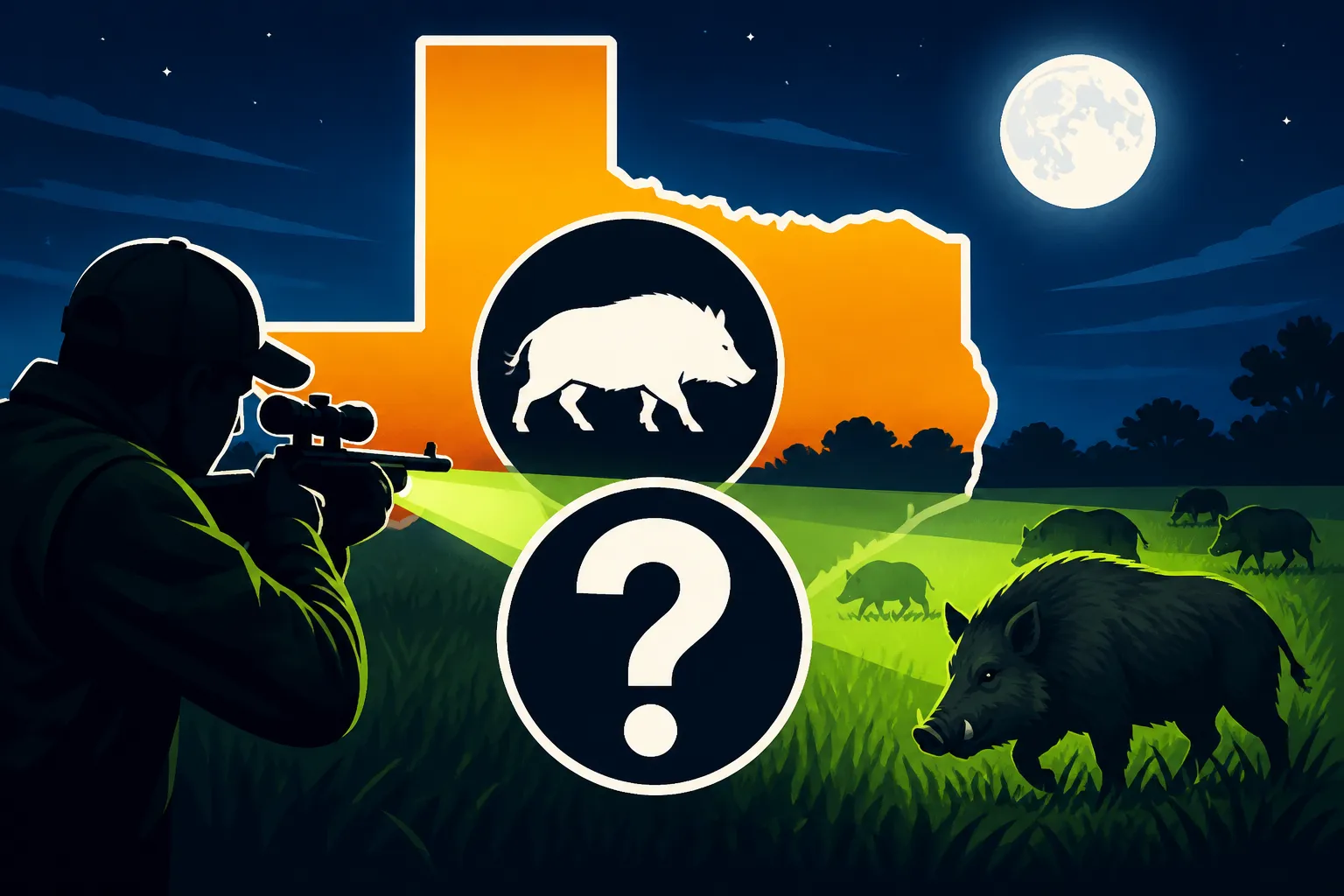
The relentless destruction caused by feral hogs often forces Texas landowners and hunters to consider every tactic available, especially hunting them under the cover of darkness. This pressing need leads many to ask: is it even legal to hunt hogs at night in Texas? Rest assured, this comprehensive guide will cut through the confusion and explain exactly how and when you can legally pursue these destructive animals after sunset.
The Straight Answer: Yes, with Crucial Distinctions
Let's get right to it: hunting feral hogs at night in Texas is indeed legal, but it’s not a free-for-all. The key distinction lies in whether you're hunting on private land or specific public lands, and what methods you're employing. Texas has some of the most liberal hunting regulations for feral hogs because they are considered an invasive species, responsible for billions in agricultural damage annually. This designation means they aren't bound by the same seasonal or daylight restrictions as native game animals.
The Legal Framework for Feral Hogs in Texas
Unlike white-tailed deer, turkeys, or quail, feral hogs in Texas are classified as "non-game animals." This classification significantly loosens the regulations surrounding their harvest. The Texas Parks and Wildlife Department (TPWD) explicitly states that a hunting license is not required to hunt feral hogs on private land if you are a resident landowner or have permission from a landowner. This also extends to non-residents, making Texas a popular destination for hog hunters. While a hunting license is generally required for non-resident hunters on private land or for anyone on public land, the lack of traditional hunting seasons or daily bag limits for hogs on private land offers immense flexibility.
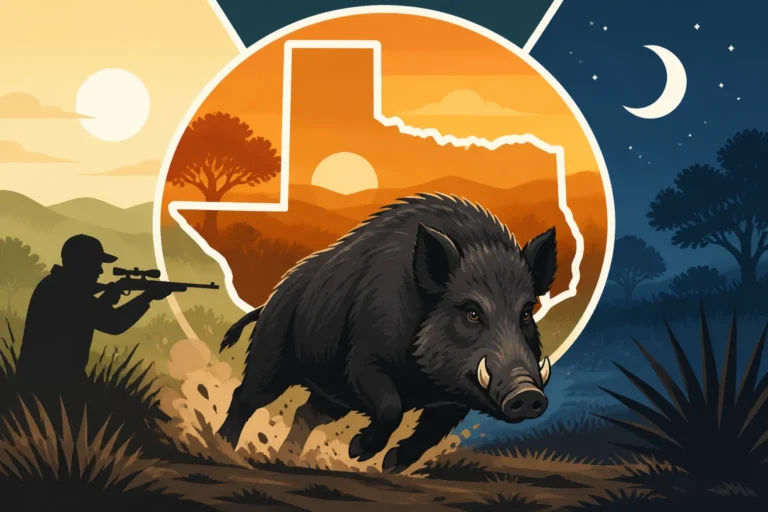
The crucial aspect of night hunting boils down to method and location. On private land, you can use artificial lights, night vision, and thermal imaging equipment. This flexibility is a direct response to the nocturnal habits of feral hogs. They are often most active and least wary during the cooler hours of the night, especially in the sweltering Texas heat. This makes night hunting not just legal, but often the most effective strategy. However, you absolutely must have permission from the landowner to hunt their property, day or night. Without explicit consent, you could face trespassing charges, which is a serious offense.
Why Night Hunting is Often the Best Option for Hogs
If you've spent any time trying to hunt hogs during the day in Texas, especially in areas with significant hunting pressure, you know how incredibly wary and elusive they can be. Feral hogs are smart, adaptable, and learn quickly. They'll adjust their patterns to avoid human contact, often becoming almost exclusively nocturnal. The heat of a Texas summer day also pushes them into dense cover, making daytime encounters rare.
Night hunting offers several advantages. First, the hogs are typically more active as they forage for food and water under the cover of darkness. This means they are more likely to be out in open fields or around feeders, presenting better shot opportunities. Second, the cooler temperatures make the hunt more comfortable for you and less stressful for any hunting dogs you might be using. Third, using thermal or night vision equipment allows you to spot hogs at distances that would be impossible with traditional optics, even in daylight. For an in-depth look at year-round hog control, check out our guide on Feral Hog Hunting in Texas: Year-Round Guide. Many seasoned hunters find that night hunting drastically increases their success rates, turning what might be a frustrating daytime pursuit into a productive and exciting experience.
Essential Gear for Ethical Night Hunting
Successfully and ethically hunting hogs at night requires specialized gear. This isn't your grandfather's deer stand hunt with a flashlight taped to your rifle. Modern technology has revolutionized night hunting, making it safer, more efficient, and more ethical by allowing for precise target identification and shot placement.
Thermal and Night Vision Optics
These are arguably the most critical pieces of equipment for night hog hunting. Both thermal imaging and night vision devices allow you to see in low light or complete darkness, but they do so in different ways.
- Thermal Scopes: Thermal optics detect heat signatures, allowing you to "see" animals even in dense brush, fog, or complete darkness. They don't rely on ambient light, which is a huge advantage. You can pick out the heat signature of a hog from hundreds of yards away, even if it's partially obscured by vegetation. Brands like Pulsar, AGM, and ATN offer a range of thermal scopes and monoculars. For example, a quality thermal scope like the Pulsar Thermion 2 or an AGM Rattler V2 can make a world of difference, turning the darkness into a canvas where hogs glow against a cooler background. Many experienced hunters consider thermal essential for effective night hog control. If you're looking for specifics, our piece on Best Thermal Scopes for Hog Hunting in Texas dives deep into popular models.
- Night Vision Scopes: Night vision devices amplify ambient light (starlight, moonlight, infrared) to create a visible image. While they require some light, many modern digital night vision scopes also incorporate an infrared (IR) illuminator, allowing them to function even in total darkness. Night vision often provides better image clarity and detail for target identification than thermal, especially for discerning features like tusks, but it can be hindered by heavy fog or thick cover where thermal excels.
Choosing between thermal and night vision often comes down to personal preference and budget, but many serious night hunters opt for a combination: a thermal monocular for scanning and spotting, paired with a night vision or thermal scope on their rifle for shooting. This gives you the best of both worlds.
Lighting and Ammunition Considerations
While thermal and night vision are excellent, sometimes you'll still need traditional lighting, especially for navigating or for positive identification at closer ranges before taking a shot with traditional optics (if you're not using thermal/NV for shooting).
- Spotlights and Weapon-Mounted Lights: Powerful spotlights can be useful for scanning large areas, but they can also spook hogs if used carelessly. Weapon-mounted lights offer a more focused beam that moves with your rifle, illuminating your target for identification and shot placement. Red or green lights are often favored as hogs are thought to be less reactive to these colors compared to white light. Always ensure your chosen light is robust enough to handle recoil and provides ample illumination for your hunting distances.
- Ammunition: For night hunting, especially with thermal or night vision, shot placement is paramount. You need ammunition that delivers reliable terminal performance to ensure a quick and ethical kill. While specific calibers vary by hunter preference, common choices like .223/5.56, .308, and 6.5 Creedmoor are popular. Expanding bullets with good weight retention are generally preferred to penetrate the tough hide and bone of a feral hog. Some hunters even opt for monolithic copper bullets for their excellent penetration and consistent expansion. Whatever your choice, practice extensively with your night setup to ensure accuracy and confidence in your equipment. For a detailed discussion on effective shot placement, refer to our article on Best Shot Placement for Hogs.
Many hunters also utilize suppressors (legal in Texas with the proper tax stamp) when hunting at night. Not only do suppressors protect your hearing, but they also reduce the noise signature, making it less likely to spook other hogs in the sounder or disturb neighbors. This is especially beneficial if you're hunting multiple hogs in one outing.
Navigating Property Rights and Safety
Before you even think about gearing up for a night hog hunt, two things must be at the forefront of your mind: explicit landowner permission and unwavering safety protocols. Ignoring either can lead to severe consequences.
Securing Landowner Permission
This cannot be stressed enough: always, always, always obtain explicit permission from the landowner before hunting feral hogs at night. Just because a property has a hog problem doesn't give you the right to trespass. Texas law takes trespassing seriously. A verbal agreement is a good start, but a written agreement, even a simple email or text message, documenting the permission, dates, and times you're allowed to hunt, and specific areas you can access, is highly recommended.
When discussing permission, be clear about your intentions to hunt at night and the methods you plan to use (e.g., thermal, lights). Some landowners might be wary of lights and sounds at night, so open communication is key. Reassure them of your safety practices and your goal to help them mitigate their hog problem. This upfront communication helps build trust and avoids misunderstandings that could lead to law enforcement involvement. Websites and apps like GoHunt can provide useful resources for understanding property boundaries, which is crucial when asking for permission or navigating a new lease. This helps ensure you're always on the correct property and not accidentally straying onto a neighbor's land.
Prioritizing Safety in the Dark
Hunting in the dark adds layers of complexity and risk that aren't present during daylight hours. Every safety rule is magnified, and new considerations arise:
- Positive Target Identification: This is paramount. Never, ever shoot at a sound or a vague shape. With thermal and night vision, you can usually identify your target clearly. However, if there's any doubt about what you're aiming at, do not shoot. This is especially critical in areas where other wildlife or livestock might be present.
- Backstops and Trajectory: Even more challenging in the dark, you must be absolutely certain of your backstop. Bullets can travel for miles. Know what's beyond your target. Use hillsides or thick tree lines as natural backstops whenever possible.
- Awareness of Your Surroundings: It's incredibly easy to become disoriented in the dark. Carry a reliable flashlight (in addition to your hunting light) for navigation, and familiarize yourself with the terrain during daylight hours if possible. Always know where your hunting partners are. Consider using glow sticks or reflective tape on vehicles or blind entrances to help orient yourself.
- Communication: If hunting with a group, establish clear communication protocols. Use two-way radios or cell phones (if service is available) to keep track of everyone's location and movements.
- Weapon Handling: Follow all fundamental firearm safety rules meticulously. Keep your finger off the trigger until ready to shoot, keep the muzzle pointed in a safe direction, and treat every firearm as if it's loaded. In the dark, the risk of an accidental discharge increases with carelessness.
A well-planned night hunt is a safe hunt. Take your time, communicate, and never compromise on safety.
Public vs. Private Land Night Hunting
The legal landscape for night hunting feral hogs drastically changes depending on whether you are on public or private land. This is a critical distinction that can lead to legal trouble if misunderstood.
Restrictions on Public Hunting Lands
Generally speaking, night hunting on public lands managed by the Texas Parks and Wildlife Department (TPWD), such as Wildlife Management Areas (WMAs) or State Parks, is not permitted. Public lands often have very specific regulations designed to manage wildlife populations, ensure public safety, and minimize disturbance to other users. These regulations typically restrict hunting to daylight hours and often only for specific game species during designated seasons.
While feral hogs are a nuisance on many public lands, their control is usually handled by TPWD staff or through special drawn hunts with strict rules that almost always prohibit night hunting. There might be rare exceptions for specific depredation permits or special hunts, but these are highly regulated and not available to the general public for casual night hunting. Always consult the specific regulations for any WMA or public hunting land you plan to visit. The TPWD Outdoor Annual or their website is your best source for up-to-date information. Trying to hunt hogs at night on public land without explicit, specific authorization is a recipe for a citation, or worse. If you're considering public land, our guide on Public Hunting in Texas: WMAs & Annual Public Hunting Permit offers valuable insights into the rules and opportunities.
The Flexibility of Private Land Hunting
Private land is where night hunting for feral hogs truly shines in Texas. As long as you have the landowner's permission, the rules regarding specific methods (like using lights, night vision, or thermal) and timing (day or night) are incredibly flexible. This is largely because landowners bear the brunt of the damage caused by hogs, and the state gives them considerable leeway to protect their property and crops.
This flexibility means that if you have a hunting lease or are hunting on your own land, you can deploy your full arsenal of night hunting gear. From strategically placed feeders with associated blinds (check out Best Deer Feeder Setup for Texas for ideas, which often applies to hogs too) to active spot-and-stalk missions with thermal optics, the night offers prime opportunities. Many commercial hog hunting operations in Texas, especially those catering to hunters seeking to use advanced thermal and night vision equipment, operate exclusively at night. These guided hunts provide hunters with access to land, gear, and experienced guides, making it an excellent way to experience night hog hunting without the upfront investment in expensive equipment.
Table: Legal Tools and Methods for Feral Hog Hunting in Texas (Private Land)
| Method/Tool | Legality on Private Land | Notes |
|---|---|---|
| Daylight Hunting | Legal | No closed season or bag limit. Hunting license required for non-landowners/non-residents. |
| Night Hunting | Legal | No closed season or bag limit. A hunting license is still required for non-landowners/non-residents. Requires landowner permission. |
| Artificial Lights | Legal | Flashlights, weapon-mounted lights, vehicle headlights are all permissible with landowner consent. |
| Night Vision | Legal | Night vision scopes, monoculars, and binoculars are legal for hunting feral hogs at night. |
| Thermal Imaging | Legal | Thermal scopes and monoculars are legal and highly effective for night hog hunting, even in low visibility. |
| Suppressors | Legal | Legal with federal tax stamp (NFA item). Recommended for hearing protection and reduced noise signature. |
| Trapping | Legal | Highly effective for population control. Methods like corral traps are common. Check out Hog Trapping in Texas: Methods That Work. |
| Dogs | Legal | Hog hunting with dogs is a traditional and effective method, often used in conjunction with "bay dogs" and "catch dogs." Requires careful handling and safety. For more, see Hog Hunting With Dogs in Texas. |
| Aerial Hunting | Legal | Requires a specific permit from TPWD, usually done by professionals in helicopters or planes. Often used for widespread depredation control. More details in Aerial & Helicopter Hog Hunting in Texas. |
| Electronic Calls | Legal | Electronic game calls designed for hogs are legal and can be very effective in attracting them, day or night. |
| Baiting/Feeders | Legal | Using corn or other bait in feeders is legal for attracting hogs. A common tactic for both day and night hunting. For specifics, see Hunting Over Feeders & Corn in Texas Legal Guide. |
The ease of hunting hogs at night on private land is a significant factor in why Texas remains a prime destination for hog hunters. Whether you're a local landowner trying to protect your crops or an out-of-state hunter looking for an exciting experience, the opportunities are vast. Many hunters rely on comprehensive mapping solutions like those offered by GoHunt to scout new areas, understand property boundaries, and plan their night hunting excursions with precision. This kind of detailed information is invaluable for both safety and success. Hunting hogs with thermal equipment is becoming increasingly popular, as outlined in our article How to Hunt Hogs at Night With Thermal. This specific tactic combines the legality of night hunting with advanced technology for maximum effectiveness.
So, while the general answer to "Is it legal to hunt hogs at night in Texas?" is a resounding "Yes," remember that success and legality are intertwined with property rights, responsible gear use, and strict adherence to safety protocols. Do your homework, get permission, and hunt smart, and you'll be well on your way to helping control these prolific pests under the Texas stars.
Disclaimer
The information provided in this article is for general guidance only and is not a substitute for official legal advice or the current Texas Parks and Wildlife Department (TPWD) regulations. Hunting laws and regulations can change, so it is imperative that hunters always consult the latest TPWD Outdoor Annual or contact TPWD directly before engaging in any hunting activities. Always obtain explicit landowner permission before hunting on private property.