Best Counties for Big Bucks in Texas
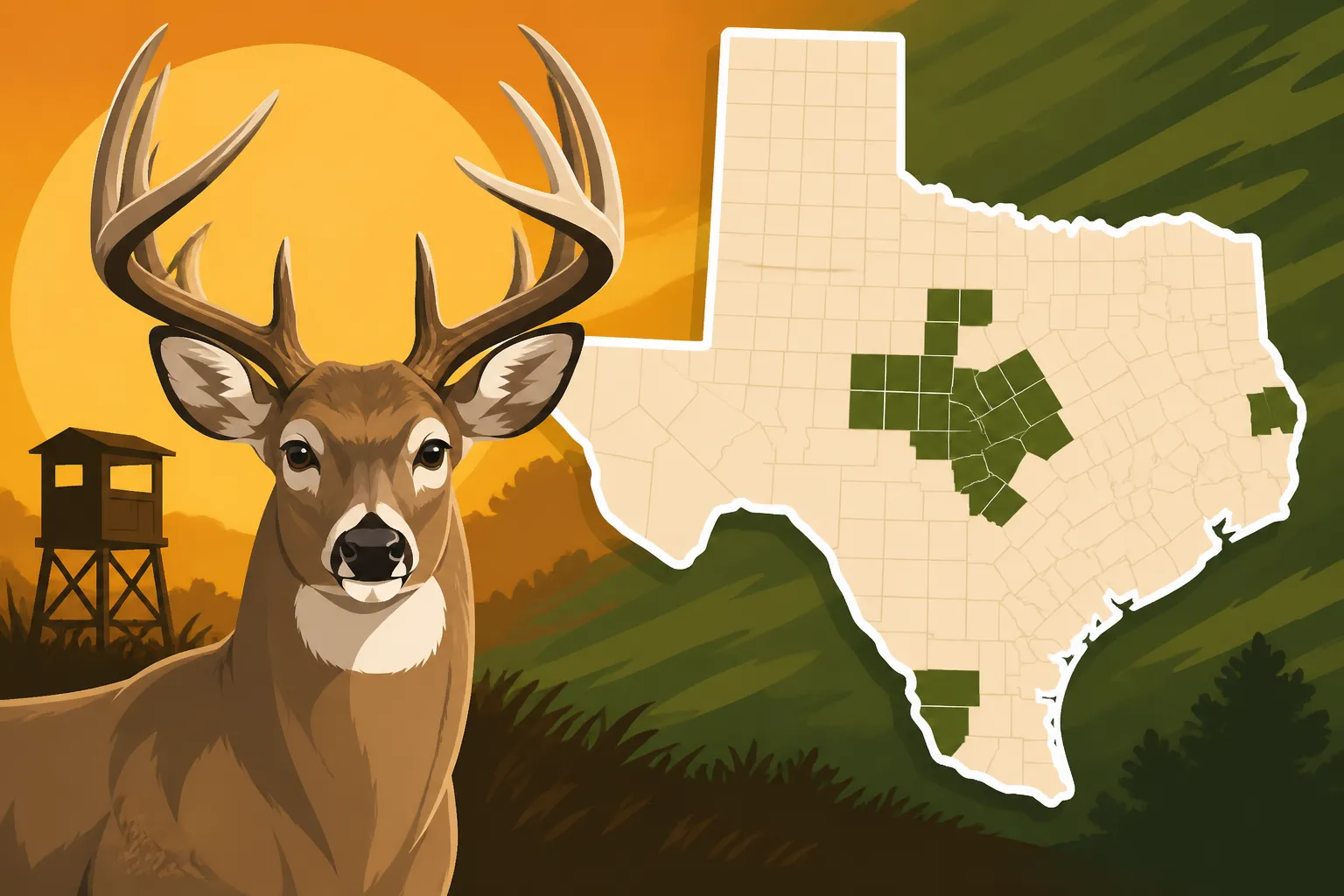
Every deer hunter in Texas dreams of that truly massive whitetail buck, the kind of animal that makes your heart pound and becomes a story for the grandkids. But let's be honest, trying to figure out where to even start looking for these elusive giants across our vast state can feel like searching for a needle in a haystack. This guide is here to cut through the confusion and pinpoint the best counties in Texas where you have a real shot at encountering a big buck, explaining what makes these areas so special and how you can increase your odds.
The Factors Behind Big Bucks in Texas
It's not just luck that some counties consistently produce bigger bucks than others. There's a complex interplay of environmental factors, genetics, and human management practices that contribute to a buck reaching its full antler potential. Understanding these elements is crucial to choosing your hunting grounds wisely.
Genetics and Regional Traits
Texas is a huge state, and our white-tailed deer populations exhibit regional differences in genetics. Just like people, deer in different areas might naturally grow larger bodies and bigger antlers due to their inherent genetic makeup. The classic "Brush Country" deer of South Texas, for example, are renowned for their impressive body size and often wide, heavy racks. This isn't just a myth; it's a genetic reality honed over generations in specific environments. While genetics play a big role, they need the right environment to truly express themselves. You can have a deer with great genetics, but if it's not getting enough to eat or is constantly stressed, it won't ever reach its full potential.
Habitat, Nutrition, and Water
A trophy buck doesn't just materialize; it grows. And growth requires abundant, high-quality nutrition. This means a rich and diverse habitat that provides a consistent food source throughout the year. Think about it: during a drought, even the best genetics will struggle if there's no browse or forbs. Counties with diverse native vegetation, consistent rainfall (or reliable supplemental water sources), and a mix of cover types offer deer everything they need to thrive. South Texas, with its nutrient-rich browse like guajillo and prickly pear, often delivers this in spades, especially after good rains. Similarly, parts of the Edwards Plateau can be fantastic when conditions are right. For more insights on ensuring deer have access to crucial resources, you might want to read about Protein Feeding Deer for Bigger Antlers.
Age Structure and Management Practices
This is arguably the most critical factor that hunters can influence, or at least seek out. For a buck to grow truly impressive antlers, it simply has to live long enough. Most bucks don't reach their peak antler growth until they are 4.5, 5.5, or even 6.5 years old. In areas with heavy hunting pressure and a "if it's brown, it's down" mentality, bucks rarely get to see their third birthday, let alone their fifth.
This is where sound deer management comes in. Many landowners and lease managers in Texas employ strategies like:
- Harvesting does: Keeping the doe population in check ensures there's less competition for food resources, allowing bucks and remaining does better access to nutrition.
- Passing young bucks: Strict harvest criteria, often focused on antler characteristics like main beam length, spread, or number of points, ensure younger bucks are allowed to mature. The state's Texas Antler Restrictions: The 13-Inch Rule Explained is a prime example of this philosophy.
- Supplemental feeding: Beyond natural forage, many properties offer protein pellets, especially during dry periods or antler-growing seasons. This can significantly boost the health and antler growth of bucks. You can learn more about this by checking out Corn vs Protein Feeder for Texas Deer.
- Habitat improvements: Prescribed burns, brush sculpting, and planting food plots can enhance the natural habitat, providing better nutrition and cover. Understanding Food Plots in Texas: What Works in the Heat can be a game-changer.
- Managed Lands Deer Permit (MLDP) Program: This Texas Parks and Wildlife Department program allows landowners to manage their deer herds based on specific conservation and harvest objectives, often with extended seasons and tailored bag limits. Properties under MLDP often have some of the most impressive deer. Take a deeper dive into MLDP Tags in Texas: How They Work to see how it works.
When these management practices are consistently applied over many years, you start to see an older age structure in the buck population, leading directly to more opportunities for truly big deer.
South Texas: The Brush Country Powerhouse
When most people think of trophy whitetail in Texas, their minds immediately go to South Texas. And for good reason! This region, often called the Brush Country, is synonymous with big-bodied, heavy-antlered deer. It's a truly unique ecosystem that creates ideal conditions for whitetails to flourish.
Webb County and La Salle County
These two counties, especially their famed "Golden Triangle" region (along with parts of Dimmit County), are legendary among Texas deer hunters. The habitat here is dense, thorny brush — mesquite, guajillo, blackbrush, and prickly pear — which might look inhospitable to the untrained eye, but it's a supermarket for deer. The browse is highly nutritious, and the dense cover provides excellent sanctuary from predators and hunters alike.
- Why they consistently produce: Properties in Webb County and La Salle County often consist of vast, contiguous ranches with long-standing, intense deer management programs. We're talking generations of dedicated efforts, often with significant investment in habitat, protein feeding, and strict harvest quotas. The genetics here are fantastic, and the deer live long enough to fully express them.
- What to expect: Hunting in these areas typically involves hunting from blinds over feeders or food plots, but the real excitement often comes from rattling or still-hunting the senderos (narrow clearings cut through the brush). It's a challenging environment, where a 10-yard shot in thick brush isn't uncommon. Bucks here are often incredibly wary. For more specific insights, you can explore articles like Webb County & Laredo Area Deer Hunting or Dimmit & La Salle County Hunting Leases.
- The hunt experience: Day hunts are hard to come by for true trophy potential here; most hunting is done on well-managed leases or through guided outfits. Expect to pay a premium for the opportunity. Many hunters use mapping tools like GoHunt to scout and understand property boundaries and terrain features, which is invaluable in such dense brush.
Dimmit County and Maverick County
Right there with Webb and La Salle, Dimmit and Maverick counties are pillars of South Texas trophy hunting. They share the same incredible brush country habitat and have a similar history of intensive management on large private ranches.
- Why they consistently produce: Like their neighbors, these counties benefit from superior genetics, protein-rich browse, and a strong culture of quality deer management. Rainfall patterns can sometimes be more favorable here, leading to even better forage years.
- What to expect: Similar hunting styles and challenges as Webb and La Salle. The deer are tough, smart, and often carry significant mass and width on their antlers. The chance of seeing a true "booner" (Boone & Crockett record book buck) is as high here as anywhere in Texas. Patience and attention to detail are key. You can check out specific details for Dimmit County Antler Restriction & Bag Limit and Maverick County Antler Restriction & Bag Limit to understand the local regulations.
- Trophy potential: Many of the state's top-scoring typical and non-typical bucks have come from these counties, particularly during years with good rainfall following years of sound management. It’s a testament to the dedication of the landowners and wildlife biologists working in this region.
Other Notable Big Buck Hotspots
While South Texas often steals the show, other regions of Texas consistently produce outstanding deer, offering different landscapes and hunting experiences.
Edwards Plateau: The Texas Hill Country
The Hill Country, centered around counties like Kerr, Gillespie, and Mason, is known for having the highest deer density in Texas. While trophy hunting here often means a different kind of "big" buck compared to the South Texas monsters, the sheer number of deer and the picturesque landscape make it a popular destination.
- Why it produces quality bucks: The Hill Country has some fantastic deer genetics, and while the terrain can be rocky, the browse is generally good. The key factor for big bucks in the Hill Country, however, is often proper management to reduce high deer densities, which can lead to overbrowsing and smaller deer. Properties with intense management, supplemental feeding, and strict harvest criteria (especially reducing the overall deer herd size) can and do produce exceptional bucks.
- What to expect: Hunting here often involves open country with cedar breaks, oaks, and rocky hills. Feeders are common, but spot-and-stalk or still-hunting through the draws can also be very effective. Deer here are often smaller-bodied than their southern cousins, but can still carry impressive headgear, especially in terms of tine length and symmetry. Explore Hill Country Deer Hunting in Texas for a deeper dive.
- Specific Counties: Kerr County, Llano County, Mason County, and Gillespie County are often cited for their potential. You might find fantastic opportunities on ranches that are part of the MLDP program and have been actively working to improve their deer herds for years. Read up on Kerr County Antler Restriction & Bag Limit and Llano County Antler Restriction & Bag Limit to get a sense of local regulations.
Cross Timbers and Post Oak Savannah
Moving north and east, regions like the Cross Timbers and Post Oak Savannah also have a solid track record for producing big whitetails. These areas offer a mix of woodlands, open fields, and diverse forage.
- Why they produce quality bucks: Good genetics, combined with fertile soils and varied habitat, create a conducive environment. Like other areas, good management on private lands is key. There's often a healthy mix of agriculture (corn, wheat, peanuts) that provides additional food sources for deer.
- What to expect: Hunting can be a mix of blind hunting over food plots or feeders, still-hunting through timber, or even stand hunting along creek bottoms. These areas tend to see good rainfall, which helps with forage production.
- Specific Counties: Counties like Coleman, Brown, McCulloch, and parts of Eastland and Shackelford in the Cross Timbers, or Freestone, Limestone, and Leon in the Post Oak Savannah, are worth investigating. Hunters often use apps like GoHunt to identify property lines, locate potential bedding areas, and understand terrain, which is particularly helpful in mixed-habitat regions.
How to Find Your Big Buck County
Now that you know where to look, how do you go about finding an actual hunting opportunity in these prime locations? It's not always easy, but with persistence, it's certainly possible.
Hunting Leases
The vast majority of big buck hunting in Texas takes place on private land, often through a hunting lease. Leases can range from a few hundred to thousands of acres, and costs vary wildly based on location, amenities, and trophy potential. Securing a lease in a top-tier county is competitive and can be expensive, but it offers the most consistent access. Learn more about the ins and outs of Hunting Leases in Texas: Complete Guide (Cost & How to Find).
Day Hunts and Guided Outfitters
If a year-round lease isn't in your budget or timeframe, a day hunt or a guided hunt with an outfitter is another excellent option. Many outfits in these prime counties specialize in trophy whitetail hunts, offering packages that include guides, lodging, and meals. While more expensive on a per-day basis, they provide access to well-managed land and experienced guides who know the deer. When researching, ask about their management history, success rates, and what kind of bucks their clients typically harvest.
Public Land Opportunities (Limited but Possible)
While most trophy buck hunting happens on private ranches, the Texas Parks and Wildlife Department (TPWD) offers public hunting opportunities through its Texas Drawn Hunts & Public Hunt Draw 2027 system and the Annual Public Hunting Permit. Some Wildlife Management Areas (WMAs) in these top counties, or adjacent ones, can sometimes produce quality deer. However, be prepared for more competition and generally lower success rates for truly big bucks compared to intensely managed private land. Scouting extensively and understanding the specific regulations for each WMA is paramount.
Leveraging Technology for Scouting
Regardless of how you get access, technology can be a huge advantage. Satellite imagery and mapping apps are indispensable for scouting. Using tools like GoHunt, you can analyze terrain, identify potential food sources, locate dense cover, and mark travel corridors. This is especially helpful if you're unfamiliar with an area or trying to maximize your time on a new lease. You can also use data from the TPWD harvest reports to confirm trophy potential trends in specific counties.
Top Texas Big Buck Counties Overview
Here's a quick reference table summarizing some of the top counties in Texas known for producing big bucks, along with their key characteristics:
| County Name | Region | Dominant Habitat | Key Factors for Big Bucks | Typical Hunting Style | Notes |
|---|---|---|---|---|---|
| Webb County | South Texas | Dense Brush Country (Mesquite, Guajillo) | Superior Genetics, Intensive Management, Large Ranches | Blind/Feeder, Rattling, Spot-and-Stalk | Legendary for wide, heavy South Texas bucks. |
| La Salle County | South Texas | Dense Brush Country, Senderos | Superior Genetics, Intensive Management, Waterholes | Blind/Feeder, Rattling, Still-hunt | Part of the "Golden Triangle." |
| Dimmit County | South Texas | Brush Country, Some Crop Fields | Superior Genetics, Rich Browse, MLDP Participation | Blind/Feeder, Rattling, Walk-up | Often produces bucks with great mass and tine length. |
| Maverick County | South Texas | Brush Country, Rio Grande Influence | Good Genetics, Varied Forage, Large Ranches | Blind/Feeder, Rattling | Strong contender, shares traits with other Golden Triangle counties. |
| Kerr County | Edwards Plateau | Cedar Breaks, Oak Motts, Rocky Hills | Management to control density, Supplemental Feeding | Blind/Feeder, Spot-and-Stalk | Known for high deer densities, but managed properties grow big ones. |
| Gillespie County | Edwards Plateau | Similar to Kerr, with more agriculture | Habitat Diversity, Quality Management | Blind/Feeder, Spot-and-Stalk | Excellent genetics, increasing trophy potential with good management. |
| Mason County | Edwards Plateau | Oak Savannah, Granite Outcrops | Strong Genetics, Less Dense Brush | Blind/Feeder, Spot-and-Stalk | Known for good deer and a mix of hunting terrain. |
| Coleman County | Cross Timbers | Post Oak, Mesquite, Croplands | Diverse Habitat, Ag Influence, Management | Blind/Feeder, Stand Hunting | Can produce impressive deer, especially on well-managed properties. |
Conclusion
Chasing big bucks in Texas is an adventure that requires planning, patience, and often, a bit of an investment. While South Texas counties like Webb, La Salle, Dimmit, and Maverick stand out for their consistent production of world-class whitetails due to a combination of genetics, habitat, and intense management, other regions like the Hill Country and Cross Timbers also offer incredible opportunities, particularly on properties dedicated to quality deer management.
By focusing your efforts on counties known for these factors and employing smart hunting strategies, your dream of harvesting a truly magnificent Texas buck can absolutely become a reality. Remember, the journey is just as rewarding as the harvest, and every trip into the Texas brush or hills is an experience to cherish.
Disclaimer
This guide is intended for informational purposes only and does not constitute an endorsement of any particular hunting method, outfitter, or land management practice. Hunting regulations, seasons, and bag limits change annually. Always consult the most current Texas Parks and Wildlife Department Outdoor Annual before planning any hunting trip to ensure compliance with all state laws and regulations. Local conditions and individual property management can significantly impact hunting success.