White-Winged Dove Season & Bag Limit in Texas
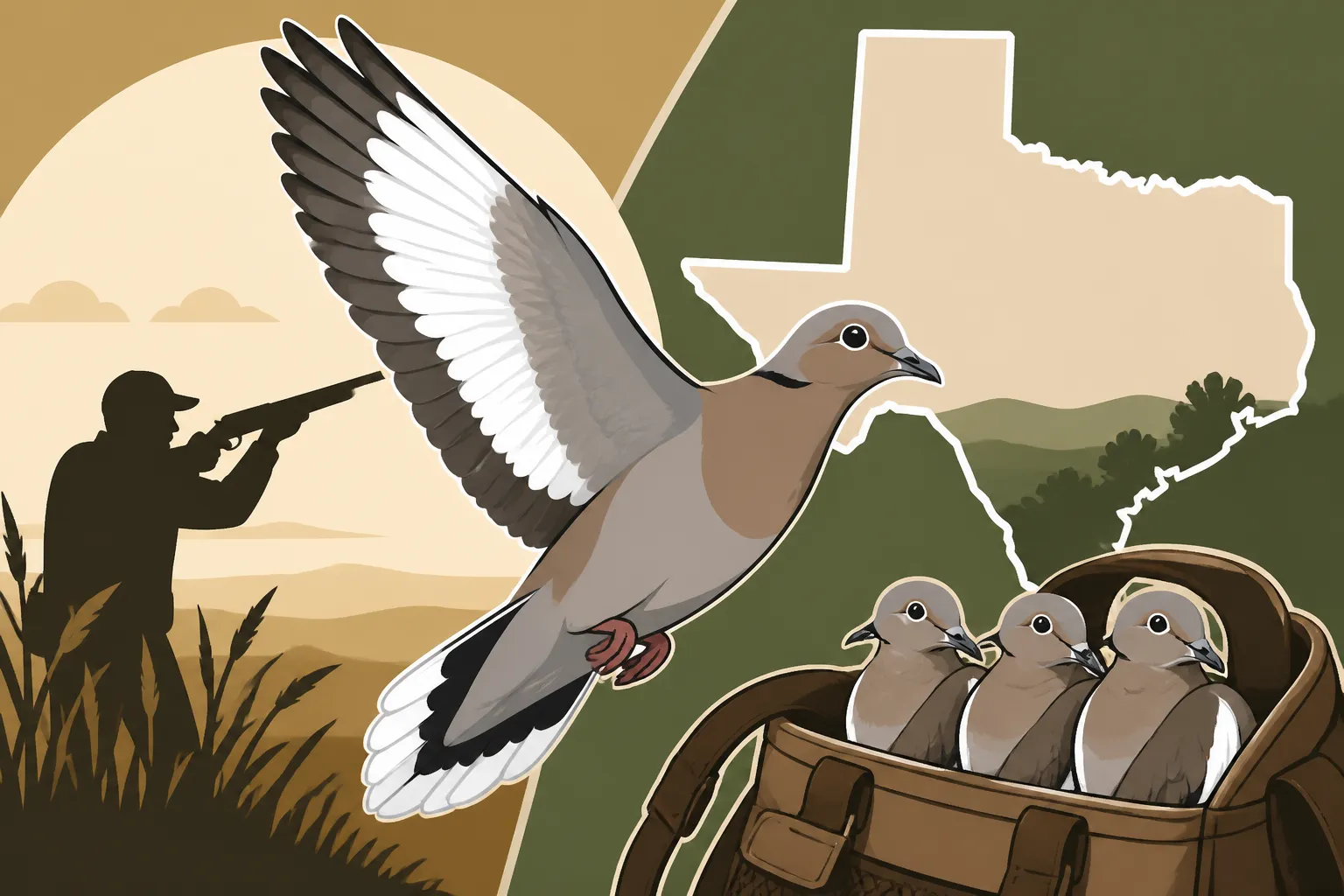
It can be incredibly frustrating trying to keep up with all the specific regulations for hunting in Texas, especially when it comes to migratory birds like white-winged doves. The season dates, bag limits, and even the zones can shift slightly year to year, leaving you scratching your head instead of scouting fields. This guide is here to untangle the complexities of white-winged dove season and bag limits in Texas, helping you plan a successful and legal hunt.
Navigating White-Winged Dove Season Dates in Texas
Texas is a massive state, and its diverse geography means that dove seasons aren't a one-size-fits-all affair. White-winged doves, while abundant, have specific seasons that can differ from their mourning dove cousins, especially during the much-anticipated Special White-Winged Dove Days. Understanding the zone system and how these dates are set is crucial for any hunter hoping to fill a cooler.
Understanding the Texas Dove Hunting Zones
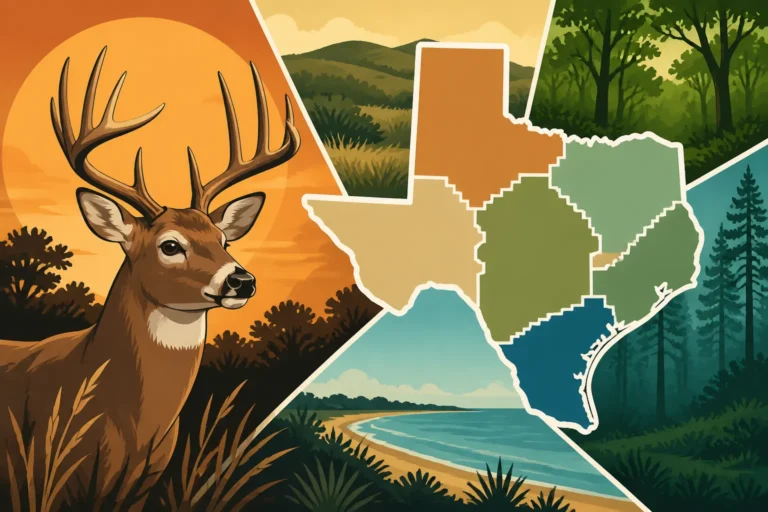
Texas is divided into three primary dove hunting zones: North, Central, and South. These zones are established by the Texas Parks and Wildlife Department (TPWD) to account for regional variations in dove populations, nesting patterns, and migratory routes. While all three zones will have a general dove season, the South Zone often gets special attention for white-winged doves due to its higher resident populations and historical significance for the species.
For instance, the Special White-Winged Dove Days, a highly popular early season, typically occur only in the South Zone, often around the first or second weekend of September. These special days are specifically designed to allow hunters to target white-winged doves before the main season opens, usually lasting only a few days at a time. It's a fantastic opportunity, but it comes with its own unique set of rules regarding shooting hours and bag limits. After these special days, the general dove season will open, often combining all dove species into a single bag limit. Knowing these zone boundaries, which you can easily check on resources like the official TPWD Outdoor Annual or a mapping app like GoHunt, is paramount. Many hunters dream of those fast-flying birds in the South Texas brush country, but you've got to be in the right zone at the right time.
How Season Dates are Established Annually
The exact season dates for white-winged dove hunting in Texas aren't set in stone years in advance. They are determined annually by the Texas Parks and Wildlife Commission, following federal guidelines established by the U.S. Fish and Wildlife Service (USFWS) for migratory birds. This process ensures that hunting pressure is managed sustainably across the continent. Typically, these dates are finalized in the spring before the fall hunting season. So, while we can talk about general trends for the 2026-2027 season, hunters should always consult the most current Texas Outdoor Annual for the official dates.
You'll usually find the Special White-Winged Dove Days in the South Zone kicking off in early September, often aligned with Labor Day weekend, which is a big draw for hunters eager to get out. Following that, the general season for dove, which includes both white-winged and mourning doves, will open later in September or early October, and run through various closures into January in some zones. This split season approach allows for different phases of the migration and reproductive cycles. Don't just rely on what you remember from last year; always double-check the official dates. It would be a real bummer to drive all the way to a prime dove field only to find out you're a week early or late, or that the specific days you planned to hunt are for mourning dove only. For a broader overview, you can always check the Texas Hunting Seasons: Complete Calendar by Species to see how all the different seasons line up.
Texas Bag Limits and Possession Limits for White-Winged Dove
Beyond knowing when you can hunt, it's equally important to know how many you can harvest. Bag limits and possession limits are key components of conservation efforts, ensuring that dove populations remain healthy for future generations of hunters. Ignoring these limits can lead to serious penalties, so let's break them down.
Daily Bag Limit for White-Winged Dove
The daily bag limit refers to the maximum number of birds you can legally harvest in a single day of hunting. For white-winged doves in Texas, this limit is generally combined with mourning doves and sometimes white-tipped doves, meaning you can't exceed a total number of all dove species. While specific numbers can vary slightly year to year based on federal frameworks and state regulations, a common daily bag limit for doves (including white-winged) is 15 birds.
However, there's often a crucial distinction during the Special White-Winged Dove Days in the South Zone. During these specific early season dates, the daily bag limit is often restricted to a total of 15 doves, of which no more than two may be mourning doves and no more than two may be white-tipped doves. This regulation is designed to specifically target the abundant white-winged populations in the South Zone during their early presence, while limiting the harvest of other species. Once the general season opens, this restriction on mourning and white-tipped doves usually lifts, and the 15-bird limit applies to any combination of the three species. This means if you're out there, say, near Cotulla during those special early days, and you accidentally drop a third mourning dove, you're technically in violation. It's vital to be able to tell the difference between White-Winged vs Mourning Dove in Texas to stay compliant.
Understanding Possession Limits
The possession limit, often overlooked by newer hunters, refers to the maximum number of legally harvested birds you can have in your possession at any given time, whether they are fresh, frozen, or stored in your freezer at home. This limit is typically higher than the daily bag limit, allowing hunters to accumulate birds over several days of successful hunting. For doves in Texas, the possession limit is commonly three times the daily bag limit. So, if the daily bag limit is 15 doves, the possession limit would typically be 45 doves.
This means you can hunt for three successful days, harvesting 15 doves each day, and have a total of 45 birds at home without breaking the law. However, if you shoot 15 doves on a Saturday and 15 more on a Sunday, and still have all 30 birds, you're fine. But if you were to somehow end up with 50 birds in your freezer from previous hunts, you'd be over the possession limit, even if you only shot 10 today. The key is that the possession limit applies to all birds from previous hunts, not just those you've harvested on your current trip. Always keep a mental tally, especially if you hunt frequently or have multiple successful outings. It's a common mistake that even seasoned hunters can make if they aren't careful about tracking their total harvest.
Here's a quick reference table for common dove limits in Texas:
| Dove Season Type | Daily Bag Limit (Total Doves) | Specific White-Winged/Mourning/White-tipped Limit (within total) | Possession Limit (Total Doves) |
|---|---|---|---|
| Special White-Winged Days | 15 | No more than 2 mourning, no more than 2 white-tipped | 45 |
| General Dove Season (All Zones) | 15 | Any combination of mourning, white-winged, white-tipped | 45 |
Note: Always consult the current Texas Parks and Wildlife Department Outdoor Annual for exact and updated regulations for the current hunting year.
Essential Regulations Beyond Season and Bag Limits
While season dates and bag limits are foundational, successfully and legally hunting white-winged doves in Texas involves a few more critical regulations. Overlooking these can lead to fines, confiscated game, or worse, so it's vital to be fully prepared before heading to the field.
License Requirements and Endorsements
Before you even think about stepping into a dove field, you absolutely need to have the correct hunting licenses and endorsements. For any migratory bird hunting in Texas, including white-winged doves, you must possess a valid Texas hunting license. For residents, this often means the Super Combo License, which covers a wide array of hunting and fishing activities. Non-residents will need to purchase a specific non-resident hunting license. You can find detailed information on Texas Hunting License: Cost, Types & How to Buy (2026) on our site.
Beyond the basic hunting license, migratory bird hunters in Texas are required to obtain two additional things:
- Migratory Game Bird Endorsement: This is a separate endorsement added to your hunting license that specifically permits you to hunt migratory game birds like doves, ducks, and geese.
- HIP Certification: HIP stands for Harvest Information Program. It's a federal requirement where hunters of migratory birds provide information about their previous year's harvest. This data is critical for wildlife managers to monitor populations and set future regulations. It's usually a quick question-and-answer session when you purchase your license or endorsement, and it generates a unique HIP certification number that must be printed on your license.
It's really easy to forget these little extra steps, especially if you primarily hunt deer or hogs. But trust me, a game warden will definitely check for them during dove season. Make sure you understand Texas Migratory Bird Endorsement & HIP Certification to avoid any surprises.
Legal Shooting Hours and Methods
White-winged doves, like all migratory game birds, have specific legal shooting hours. Generally, these birds can only be hunted from one-half hour before sunrise until sunset. This is different from resident game animals like deer or hogs, which might have different regulations. This rule helps prevent unfair advantage during low light conditions and ensures birds have a period of undisturbed rest.
Regarding methods, dove hunting is primarily done with shotguns. There are restrictions on shotgun capacity (plugging your shotgun to hold no more than three shells total in the magazine and chamber is mandatory for migratory birds) and the use of lead shot. For dove hunting, hunters are generally allowed to use lead shot, unlike waterfowl hunting where non-toxic shot is required. However, always check local ordinances or specific hunting area rules, as some public lands or private leases might have stricter requirements. Hunting doves from a moving vehicle or aircraft is, of course, strictly prohibited. When setting up your Dove Field Setup: Where to Stand, always ensure you're aware of the shooting hours and ethical practices. For more detailed tactical advice, our guide on Dove Hunting Tactics: Field Setup & Shooting has some great pointers.
Planning Your White-Winged Dove Hunt
A successful white-winged dove hunt isn't just about showing up with a shotgun; it involves careful planning, scouting, and understanding bird behavior. Texas offers fantastic opportunities, but you need to do your homework.
Scouting for White-Winged Dove Hotspots
Scouting is, hands down, the most critical part of a successful dove hunt. White-winged doves are often found in areas with specific food sources and water. Look for fields of sunflowers, milo, wheat, or even native croton (doveweed). These birds absolutely love to feed in open fields. They also need water, so ponds, stock tanks, or even irrigation ditches can be magnets. Roosting areas, often dense tree lines or thorny brush, are also important to identify.
A good way to scout is to drive around potential hunting areas during the late afternoon or early morning, looking for birds flying in and out of fields or perched on power lines. Binoculars are your best friend here. Pay attention to flight patterns—where are they coming from, and where are they going? This will help you identify key flyways and bottlenecks where you can set up your blind or position yourself for the best shooting opportunities. Using a mapping application like GoHunt can be incredibly helpful for identifying potential food sources, water, and even property lines, ensuring you're not trespassing. You can even mark potential hotspots and plan your approach.
Gear and Setup Considerations
Beyond your shotgun and ammunition, a few pieces of gear can significantly enhance your white-winged dove hunting experience.
- Decoys: Doves are social birds, and a good spread of decoys, especially spinning-wing decoys, can be incredibly effective at drawing birds into range. Our guide on How to Use Decoys for Dove Hunting provides excellent advice.
- Camouflage: While not as critical as for deer or turkey, breaking up your outline helps. Lightweight, breathable camo is ideal for the often-hot September temperatures.
- Seating: A comfortable dove stool or small chair will make a long afternoon much more enjoyable.
- Cooler: Texas heat is no joke. A good cooler filled with ice is essential for keeping your birds fresh and for staying hydrated yourself.
- Sun Protection: Hat, sunglasses, and sunscreen are a must.
- Game Vest/Bag: Something to easily carry harvested birds.
When setting up your spot, consider the wind direction, as doves typically fly into the wind when landing. Position yourself so the sun isn't directly in your eyes during peak flight times. Think about concealment – whether it's natural brush or a small ground blind. The more comfortable and hidden you are, the better your chances. Don't forget, understanding How to Hunt Dove in Texas (Step by Step) can give you a solid foundation for any dove hunt.
Disclaimer
Hunting regulations in Texas are subject to change. While we strive to provide the most accurate and up-to-date information, it is the individual hunter's responsibility to review and comply with all current Texas Parks and Wildlife Department regulations. Always consult the official TPWD Outdoor Annual or their website before planning any hunting trip.