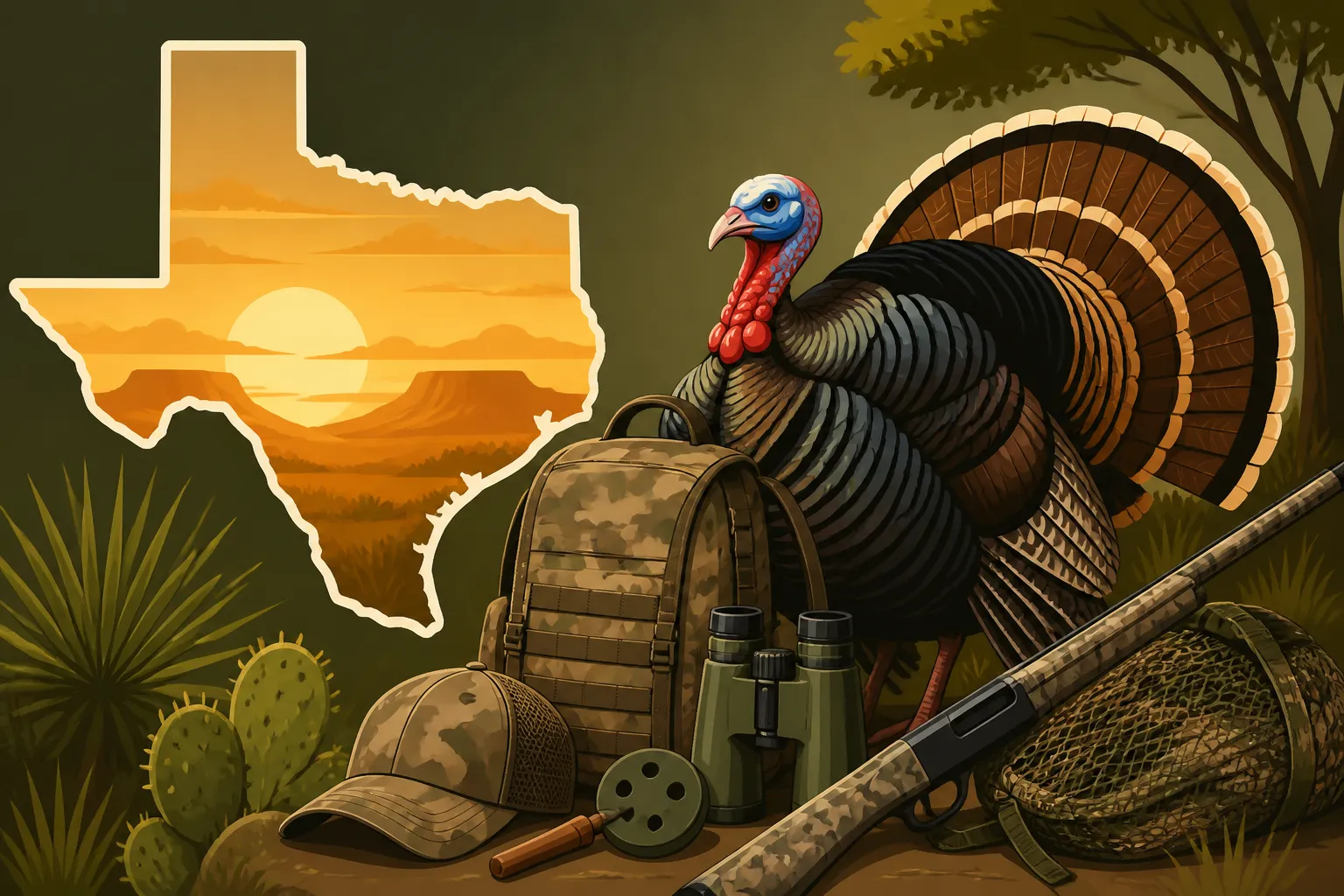
Best Gear for Rio Grande Turkey Hunting in Texas
Hunting Rio Grande turkeys in Texas is an exhilarating experience, but trying to chase down a wary gobbler in the diverse Texas landscape without the right gear can quickly turn exciting into exhausting, and even frustrating. From calling in a stubborn tom to navigating dense brush or wide-open fields, having reliable, well-suited equipment is absolutely critical for success. This comprehensive guide will ensure you're fully equipped, covering everything from calls and decoys to the essential personal comfort and safety items, setting you up for a rewarding Rio Grande turkey season.
Essential Gear for Rio Grande Turkey Hunting Success
When it comes to putting a Texas longbeard on the ground, some pieces of gear are simply non-negotiable. These are the tools that directly contribute to locating, luring, and ultimately harvesting your bird. Without them, you're essentially walking into a chess match without all your pieces.
Decoys and Calls: Luring in the Longbeards
Getting a Rio Grande gobbler to commit can be one of the most challenging and rewarding aspects of turkey hunting. They are notoriously keen-eyed and can be incredibly wary, making the right combination of visual and auditory deception paramount.
First, let's talk about decoys. You'll want to choose decoys that are lightweight, durable, and realistic. For spring hunting, a hen decoy is often your bread and butter, especially if you can get one that mimics a feeding or breeding posture. A submissive hen decoy, perhaps lying down, can be incredibly enticing to a strutting tom looking for a receptive partner. Adding a jake decoy can really seal the deal, as an aggressive jake can challenge a dominant gobbler to come investigate and defend his territory. Many hunters swear by an aggressive jake paired with a receptive hen. Placement is key; generally, you want your decoys facing away from your position, so the gobbler walks past you to get to them, offering a perfect broadside or front shot. Some decoys even have motion capabilities, which can add a touch of realism in windy conditions, but often, just a static, well-placed decoy is enough. Brands like Avian-X and Primos make excellent, realistic decoys that can withstand the rigors of a Texas turkey hunt.
Next up, calls. You need a versatile repertoire to adapt to different scenarios. Locator calls like an owl hooter or a crow call are excellent for getting a distant gobbler to shock gobble, revealing his location without alerting him to your presence. Once you've located a bird, you'll switch to more realistic turkey vocalizations. Mouth diaphragms are fantastic for hands-free calling, allowing you to keep your gun shouldered and ready. With practice, you can produce a wide range of yelps, clucks, purrs, and cuts. Slate calls and box calls offer different tonal qualities and can be easier for beginners to master, often producing loud, crisp yelps that carry well across open country or dense river bottoms. When it comes to Turkey Calling & Tactics for Texas Rios, the key is realism and knowing when to call aggressively and when to be subtle. Remember, a real hen doesn't just incessantly yelp; she varies her cadence and volume. Mastering this can make all the difference in pulling in a stubborn bird.
Camouflage and Concealment: Blending into the Brush
Turkeys have incredible eyesight, often seeing in color and possessing a wide field of vision. This means your camouflage isn't just a suggestion; it's a necessity. You need to become part of the environment, vanishing into the backdrop.
When choosing a camo pattern, think about the specific habitat you'll be hunting in. For much of Texas, that means a mix of open fields, brush country, and scattered hardwoods or riparian areas. Patterns that mimic mesquite, oak, and general scrub brush, with a good blend of browns, tans, and greens, tend to work best. Brands like Mossy Oak (especially patterns like Obsession or Bottomland) and Realtree (like Timber or Edge) are popular for a reason—they break up your outline effectively in a variety of terrains. Don't forget that full concealment means covering every inch of exposed skin. A good face mask or face paint is absolutely critical, as is a pair of lightweight gloves. The slightest flash of skin or movement can spook a bird from hundreds of yards away.
Layering your clothing is also vital, especially during the often-unpredictable Texas spring. Mornings can be quite cool, even dipping below freezing in some parts of the state, while afternoons can quickly warm up into the 70s or 80s. A moisture-wicking base layer will help manage sweat, an insulating mid-layer (like a fleece vest or jacket) can be added or removed as needed, and a quiet, durable outer layer provides camouflage and protection from brush. For more tips on dealing with the heat, check out our guide on Best Early-Season Camo for Texas Heat. The goal is to be comfortable enough to sit still for extended periods and quiet enough not to make noise when shifting positions or drawing a bow.
For those who prefer a more static approach, or are hunting with younger hunters, a portable ground blind can be a game-changer. These pop-up blinds offer exceptional concealment, breaking up your human outline completely and allowing for some movement inside. They're especially useful if you're hunting open fields or need to manage sunlight angles effectively. Many excellent options exist, and they can make for a more comfortable, and often more successful, hunt. Learn more about choosing the right setup in our article on Best Box Blinds & Tripod Blinds for Texas.
Shotguns and Ammunition: Delivering the Knockdown Power
When a gobbler finally struts into range, you need a reliable firearm and ammunition combination that delivers a dense, lethal pattern to ensure a clean harvest. While bows and crossbows are also effective, shotguns remain the most popular choice for turkey hunting.
The 12-gauge shotgun is undeniably the king of turkey hunting, offering a wide range of ammunition choices and excellent pattern density. However, a 20-gauge, especially with modern ammunition technology, is also a very capable turkey getter, offering lighter recoil and easier maneuverability for younger hunters or those who prefer a lighter setup. The key is finding a shotgun that fits you well, allowing for quick, comfortable shouldering and aiming. Most hunters prefer a pump-action or semi-automatic for reliability, though a single-shot can certainly get the job done. A sling is also a must-have for hands-free carrying across vast tracts of land.
The right choke tube is as important as the shotgun itself. For turkeys, you'll almost always want a tight, dense pattern, meaning a full or extra-full choke. Many manufacturers produce specialized "turkey chokes" that are designed to constrict the shot further, maximizing pellet count in the vital head and neck area. Pairing your choke with your ammunition is crucial. Spend time at the range patterning your shotgun with the exact loads you intend to hunt with. Different chokes and loads perform differently in every gun.
Speaking of ammunition, modern specialized turkey loads are truly exceptional. Traditional lead shot in sizes like #4, #5, or #6 has long been effective, but advanced materials like tungsten super shot (TSS) have revolutionized turkey hunting. TSS loads, often in smaller shot sizes like #7 or #9, offer incredible density and penetration, significantly extending ethical ranges and creating extremely tight patterns. Brands like Federal Premium's Heavyweight TSS or Winchester Longbeard XR are popular choices among serious turkey hunters in Texas, known for their performance. Always consider your effective range, and practice shooting at turkey head targets at various distances so you know your limitations.
Optics and Navigation: Seeing the Signs, Staying on Track
Turkey hunting isn't just about calling and shooting; it's also about observation and knowing your way around. Texas landscapes can be vast and often feature subtle elevation changes or dense cover that makes spotting distant birds or navigating without getting turned around a real challenge. The right optics and navigation tools can give you a significant advantage.
Binoculars and Rangefinders: Spotting and Ranging Your Gobbler
Being able to spot a distant gobbler strutting in a field, or a discreetly moving hen, is crucial for planning your approach and setting up. A good pair of binoculars is an invaluable tool for this.
For turkey hunting, a compact and lightweight pair of binoculars, typically in an 8×42 or 10×42 configuration, strikes an excellent balance between magnification and portability. You want clear, bright glass that performs well in varying light conditions, from the dim pre-dawn hours to the harsh glare of midday. The ability to quickly scan large areas, pick out subtle movements, or even identify tracks and scat from a distance, saves you time and effort. Brands like Vortex, Leupold, and Nikon offer excellent options across various price points. Don't underestimate the importance of quality glass; it can literally help you spot the difference between a distant hog and a strutting gobbler.
Equally important, if not more so, is a reliable rangefinder. Turkeys present a relatively small kill zone (the head and neck), and accurately judging distance is absolutely critical for an ethical shot. Even experienced hunters can misjudge distances, especially across open terrain or when adrenaline is pumping. A rangefinder removes all doubt, giving you precise yardage to your target or a landmark. This allows you to adjust your aiming point or decide whether a shot is truly within your effective range. Many hunters use their rangefinder to mark distances to prominent trees or bushes around their setup, so when a bird approaches, they have predetermined ranges. Some high-end models even integrate with binoculars for a convenient all-in-one unit, which can be a fantastic feature for reducing the amount of gear you carry.
GPS and Mapping Tools: Navigating the Texas Wilderness
Texas is a big state, and even on smaller leases, it's easy to get disoriented, especially when you're focused on a gobbler or traversing unfamiliar terrain in low light. Having reliable navigation tools ensures you can move confidently and safely.
While dedicated handheld GPS devices still have their place, many hunters now rely on powerful smartphone apps for their navigation needs. Apps like onX Hunt and HuntStand provide incredibly detailed satellite imagery, topographic maps, and crucial property boundary information. These features are invaluable for scouting new areas, understanding terrain features, marking roost trees or previous gobbler sightings, and ensuring you're always on the right side of a fence line. Many serious hunters, including those I know who use services like GoHunt, consider these apps indispensable for their detailed maps and planning capabilities. You can mark your truck, your blind, or a specific tree you want to get to, and the app will guide you there.
One of the most critical functions of these apps, especially in remote Texas areas, is the ability to download maps for offline use. There will inevitably be areas where cell service is non-existent, and having your maps pre-loaded means you won't lose your way. Familiarizing yourself with the app's features before you hit the field is a must. You can plot potential travel corridors, identify pinch points, and even track your movements throughout the day, which is particularly useful if you're venturing into a new lease or public hunting land. Understanding the layout of your hunting ground is a key component of successful Rio Grande Turkey Hunting in Texas.
Comfort and Safety Gear: Enduring the Hunt
Hunting turkeys in Texas often means early mornings, long walks, and sitting still in varied weather. Being uncomfortable can quickly lead to distraction and reduced focus, hindering your hunt. Furthermore, prioritizing safety ensures a positive experience for everyone involved. Don't underestimate the impact of small comforts and essential safety items.
Boots and Clothing: Staying Comfortable in Diverse Terrain
Your feet are your foundation, and a bad pair of boots can ruin an otherwise perfect hunt. Texas terrain can range from rocky hills in the Edwards Plateau to sandy flats in South Texas, or damp bottoms in East Texas. You need footwear that can handle it all, keeping your feet dry, comfortable, and protected.
The absolute top priority for boots when hunting turkeys in Texas is comfort and durability. You'll be doing a fair amount of walking, potentially covering several miles over a day, so well-broken-in boots are a must. Look for waterproof and breathable options to handle morning dew or unexpected showers while preventing sweat buildup. Brands like Lacrosse, Irish Setter, and Muck Boots are popular for their robust construction. Perhaps even more critical in Texas is snake protection. Timber rattlesnakes and copperheads are common in many turkey habitats, especially as temperatures warm up. Investing in high-quality snake boots or snake gaiters that protect up to your knees is a wise decision. They provide peace of mind and genuine protection against potentially dangerous encounters. Our guide on the Best Snake Boots for Texas Hunting delves deeper into this essential gear.
Beyond boots, good quality socks are paramount. Merino wool or synthetic blends that wick moisture away from your feet will prevent blisters and keep your feet comfortable, even after hours of walking and sitting. And again, don't forget the importance of layering with your clothing. Spring temperatures can swing wildly from one hour to the next, so being able to add or shed layers quietly and easily is a huge advantage. A light rain jacket is also a smart addition, as spring showers can pop up unexpectedly.
Backpacks and Accessories: Carrying Your Essentials
You've got your primary hunting gear, but what about all the little things that make a big difference? A well-organized backpack is your mobile base camp, carrying the necessities for a full day afield.
A comfortable daypack, typically in the 20-30 liter range, is ideal for turkey hunting. It should be relatively lightweight, quiet, and have enough compartments to keep your calls, water, snacks, and other essentials organized. Look for packs with hydration bladder compatibility to make staying hydrated easy. Brands like Badlands, Mystery Ranch, or Sitka offer durable and well-designed hunting packs.
Inside that pack, you'll want a carefully curated selection of accessories. A headlamp or small flashlight is crucial for navigating in the pre-dawn darkness and post-dusk walkouts. A sharp hunting knife is essential for field dressing. A small but comprehensive first-aid kit should always be with you, covering everything from snake bites to cuts and scrapes. Insect repellent, particularly for ticks and mosquitoes, can make waiting in a blind far more tolerable. A small seat cushion can turn a hard, cold log into a comfortable perch for long waits. Don't forget contractor bags or game bags for carrying out your harvested turkey, keeping it clean and cool. And, of course, plenty of water, especially during the warmer parts of the day. For those interested in a comprehensive overview of dates and regulations, the Texas Outdoor Annual is an invaluable resource. Knowing the rules, having the right Texas Hunting License: Cost, Types & How to Buy (2026), and having the right gear ensures you're prepared for an ethical and successful hunt.
Essential Rio Grande Turkey Hunting Gear Checklist
To help you organize your gear, here's a quick checklist of the most important items for your next Texas turkey hunt.
| Gear Category | Essential Items | Key Considerations |
|---|---|---|
| Firearm & Ammo | 12-gauge or 20-gauge shotgun | Comfortable fit, reliable action, appropriate choke |
| Turkey choke (Full or Extra-Full) | Dense pattern for head/neck shots | |
| Specialized turkey loads (e.g., TSS, Longbeard XR) | Ethical kill power, patterning with your choke | |
| Calls & Decoys | Mouth calls, Slate calls, Box calls | Variety for different situations, realistic sounds |
| Hen decoys (feeding, receptive) | Visual appeal to gobblers, lightweight, realistic | |
| Jake/Gobbler decoy (optional, for aggression) | Can draw in dominant Toms, adds realism | |
| Concealment | Full camouflage outfit (Texas-appropriate pattern) | Blends with mesquite, brush, oak; quiet fabric |
| Face mask or face paint | Eliminates skin flash | |
| Gloves | Conceals hands, protects from brush | |
| Ground blind (optional, for static hunting) | Excellent concealment, allows movement, easy setup | |
| Optics & Navigation | Binoculars (8×42 or 10×42) | Clear glass, good light gathering, compact |
| Rangefinder | Accurate distance measurement for ethical shots | |
| GPS device or Hunting App (GoHunt, onX) | Detailed maps, property lines, offline capability | |
| Comfort & Safety | Snake boots or gaiters | Protection from venomous snakes, waterproof, comfortable |
| Moisture-wicking socks | Prevents blisters, keeps feet dry | |
| Layered clothing (base, mid, outer) | Adapts to temperature swings, quiet | |
| Daypack (20-30L) | Carries essentials, organized, quiet | |
| Water and snacks | Stay hydrated and fueled | |
| First-aid kit | Prepared for minor injuries or emergencies | |
| Headlamp/Flashlight | Navigating in low light | |
| Knife | Field dressing, general utility | |
| Insect repellent | Protection from ticks and mosquitoes | |
| Contractor bags/Game bags | Clean turkey transport | |
| Small seat cushion (optional) | Comfort during long waits |
Remember, the goal is to be prepared without being overloaded. Each item should serve a purpose in your pursuit of a Rio Grande gobbler. With the right preparation and the right gear, your time in the Texas turkey woods can be incredibly rewarding. For details on when and where to hunt, consult the Texas Turkey Season 2026: Spring & Fall Zones and the Texas Hunting Seasons: Complete Calendar by Species to plan your ultimate hunting adventure. Understanding the nuances between Spring vs Fall Turkey in Texas will also fine-tune your approach for maximum success.
Disclaimer
Please be aware that hunting regulations and season dates can change. Always consult the most current Texas Parks and Wildlife Department Outdoor Annual before planning any hunting trip to ensure you are in compliance with all state laws and regulations.