Best Trail Camera for Bucks Over a Scrape
It's incredibly frustrating when you're trying to pattern that elusive mature buck over a fresh scrape, only to pull your trail camera card and find blurry photos, empty frames, or worse—a dead battery. We've all been there, feeling like we missed the critical intel that could have put us in the right stand at the right time. But don't throw in the towel just yet! This comprehensive guide will walk you through everything you need to know to choose the best trail camera for capturing those scrape-visiting bucks and how to set it up for maximum success, turning those frustrations into successful hunts.
Understanding Scrape Dynamics and Why Camera Choice Matters
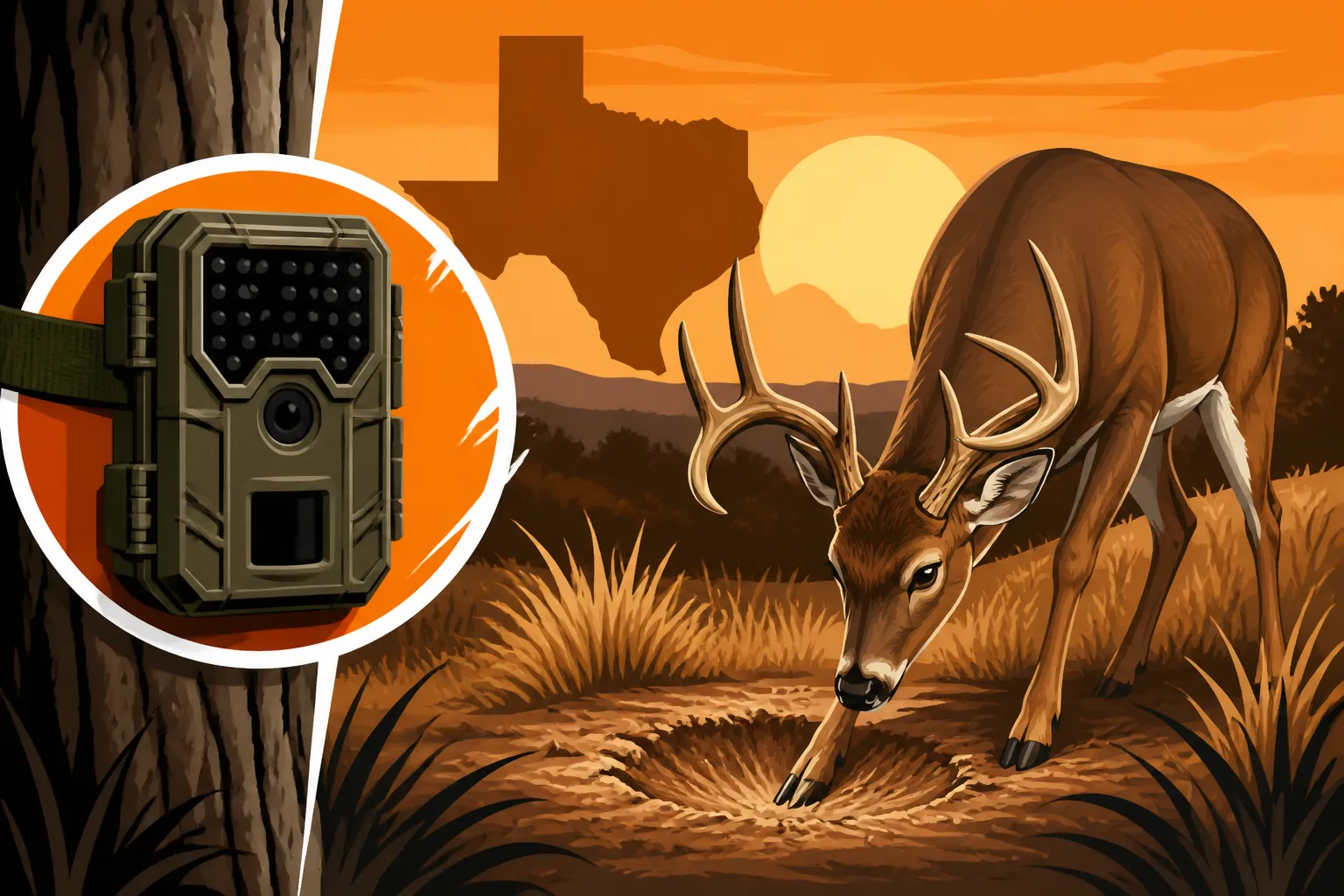
When you're dealing with whitetail deer, especially mature bucks, scrapes are like the social media hubs of the deer woods. They're critical communication points where bucks deposit scent from their interdigital glands as they paw the ground, and rub their preorbital glands on an overhead branch, known as a licking branch. These are active during various times, but they really heat up during the pre-rut and the rut itself, making them prime spots to gather intelligence on the local buck population.
The kind of intel you're hoping to glean from a scrape camera is pretty specific. You want to know which bucks are visiting, when they're visiting (day or night, specific times), how often, and even their general direction of travel before and after hitting the scrape. All of this information is gold when it comes to planning your hunt, whether you're trying to figure out Best Time of Day to Hunt Whitetail in Texas or trying to understand local rutting patterns. A poorly chosen or incorrectly placed camera can mean the difference between getting a crystal-clear shot of a giant Hill Country buck and a blurry streak that leaves you guessing. The harsh reality of the Texas environment, from scorching heat to sudden downpours, also demands a camera that's robust and reliable.
Key Trail Camera Features for Scrape Surveillance
Picking the right camera isn't just about brand names; it's about matching specific features to the unique challenges of monitoring a scrape. That quick flash of movement, the wary nature of mature bucks, and the need for clear identification all play a huge role. You need a camera that’s almost invisible and lightning-fast.
Lightning-Fast Trigger Speed and Recovery Time
Imagine a mature buck cautiously approaches a scrape, spends a few seconds checking it out, and then moves on. If your camera has a slow trigger speed, say anything over 0.5 seconds, that buck could be halfway out of the frame before the shutter even clicks. Even worse, if it has a slow recovery time – the period before it's ready to take another photo – you might miss a second buck or crucial follow-up actions. For scrape monitoring, you want a trigger speed of 0.3 seconds or faster, and a recovery time of less than a second. This ensures you capture the buck as it enters the scrape and if it lingers or performs multiple actions like licking the branch or pawing the ground. Think about how frustrating it would be to see just a deer’s hind end when you know a good buck was there!
Optimal Detection Range and Angle
The detection zone of your camera is where it "sees" movement and triggers. For a scrape, you need a camera that can cover the entire scrape area effectively, including the licking branch above it. A camera with a wide detection angle (say, 45-50 degrees) and a solid detection range (at least 60-80 feet) helps ensure you capture the entire interaction without having to place the camera too close, which could spook wary deer. It's a delicate balance; too wide and you might get too many false triggers from wind-blown branches, too narrow and you could miss the buck entirely if it approaches from an unexpected angle. Always consider the typical size of the scrape you're monitoring and choose a camera that can encompass that entire area without compromise.
Choosing the Right Flash Type for Stealth
This is non-negotiable for mature bucks over a scrape. You absolutely want a "no-glow" infrared flash. These cameras emit infrared light that is completely invisible to deer and the human eye, ensuring your camera remains undetected even during nighttime visits. "Low-glow" cameras have a faint red hue when they flash, which might be okay for general scouting, but for a high-pressure scrape where bucks are already on edge, it’s a risk you don’t want to take. Many hunters report seeing bucks become skittish or even avoid areas after encountering a low-glow flash. Your primary goal is to gather information without altering the deer's natural behavior, and a no-glow flash is crucial for this.
Extended Battery Life and Power Solutions
You don't want to constantly disturb a scrape area to change batteries, especially if you’re patterning a specific buck during the rut. Cameras that utilize multiple AA batteries (8 or 12), or even those compatible with external solar panels and rechargeable lithium batteries, are ideal. Lithium batteries, while more expensive upfront, perform exceptionally well in extreme Texas temperatures, both hot and cold, and provide a longer lifespan than alkaline. Consider a camera with good battery efficiency, meaning it can take thousands of photos or many video clips before needing a swap. For remote areas or long deployments, a solar panel accessory can be a game-changer, allowing your camera to run for weeks or even months uninterrupted, giving you continuous insight into How to Scout for Deer Before Season in Texas.
Photo and Video Quality for Clear Identification
What's the point of capturing a buck if you can't clearly tell if it's the one you're after or accurately assess its antler size, especially with Texas Antler Restrictions: 13-Inch Rule & Counties in effect? Look for cameras with at least 10-12 megapixels for still photos, and 720p or 1080p for video. Higher resolution allows for better zoom and clarity, which is essential for identifying specific antler characteristics. Clear night images are just as important as daytime ones, so check reviews for night-time performance. Some cameras offer proprietary image enhancements that can make a big difference in low light conditions, which is often when those big bucks are most active at scrapes.
Connectivity: Cellular vs. Standard SD Card
This comes down to how quickly you need your intel and how often you're willing to check your camera.
- Standard SD Card Cameras: These are generally more affordable and reliable. You physically retrieve the SD card to view images. The downside is that you have to trek into the woods, potentially disturbing the area, to get your data. This is perfectly fine if you plan strategic, infrequent checks.
- Cellular Trail Cameras: These are a game-changer for active scrape monitoring, especially if you can't get to the scrape often. Cameras like the ones from Tactacam Reveal or Moultrie Edge can send photos and even short videos directly to your phone via a cellular network plan. This allows for real-time intel, letting you know exactly when that buck visited, its size, and even the direction it went, all without setting foot near the scrape. This can be invaluable during the peak of The Texas Rut: When Do Bucks Rut by Region? when patterns can change quickly. The drawback is the recurring cost of a data plan and the need for adequate cell service at your scrape location. However, for serious buck patterning, the ability to get real-time updates often outweighs the added cost. When considering a cellular model, research the Best Cellular Trail Camera Data Plans Compared to find one that fits your needs and budget.
Here’s a quick overview of key features to consider:
| Feature | Ideal for Scrape Monitoring | Why It Matters |
|---|---|---|
| Trigger Speed | < 0.3 seconds | Captures fast-moving bucks, ensuring they're in frame. |
| Recovery Time | < 1 second | Ready for consecutive shots, capturing multiple actions or deer. |
| Flash Type | No-Glow Infrared | Completely invisible to deer, preventing spooking and maintaining natural behavior. |
| Detection Range | 60-80+ feet | Covers entire scrape and approaches without needing to be too close. |
| Detection Angle | 45-50 degrees | Balances coverage with minimizing false triggers. |
| Battery Life | Long-lasting (8-12 AA Lithium, or solar-compatible) | Reduces disturbance to the scrape area, extending deployment time. |
| Photo Quality | 10-12 MP minimum | Clear identification of bucks, antler characteristics, and overall health. |
| Video Quality | 720p or 1080p | Provides behavioral insights and better identification in motion. |
| Connectivity | Cellular (if service available), otherwise SD Card | Real-time intel (cellular) or cost-effective reliability (SD card). |
Optimal Placement and Settings for Capturing Scrape Activity
Once you've got the right camera, knowing how and where to place it is just as crucial. A great camera poorly placed will still yield disappointing results. It's about thinking like a buck and minimizing your footprint.
Strategic Camera Angle and Distance from the Scrape
When setting up your camera, don't just point and shoot. Consider the sun's path throughout the day. Avoid pointing your camera directly east or west, as direct sunlight can lead to overexposed, washed-out images, especially at dawn and dusk when deer are most active. A north or south-facing setup is generally best. Position the camera about 10-15 feet away from the scrape. This distance allows the detection zone to fully encompass the scrape, including the licking branch above it, without being so close that the flash becomes too intense or the camera itself is easily noticed by wary deer. Angle the camera slightly downwards to capture the ground scrape activity and the buck's head as it interacts with the licking branch. Secure the camera firmly to a tree or a sturdy post, ensuring it won't sway in the wind.
Clearing the Detection Zone for Fewer False Triggers
Nothing eats up battery life and fills your SD card faster than false triggers. Trim away any small branches, tall grass, or weeds in front of the camera's detection zone. A branch blowing in the wind can trigger your camera hundreds of times a day, giving you nothing but pictures of swaying foliage and making it a pain to scroll through images to find actual deer. Just be mindful not to drastically alter the natural environment, especially around the scrape itself, as this could make bucks wary. A small, subtle trim is all that's usually needed directly in the camera's line of sight.
Camera Settings Deep Dive for Scrape Monitoring
Optimizing your camera's settings is vital for getting the most out of your scrape surveillance.
- Photo Burst/Video Length: Instead of a single photo, set your camera to take a burst of 2-3 photos per trigger. This significantly increases your chances of capturing a clear, non-blurry image of the buck. Alternatively, setting it to video mode for 10-15 seconds can provide invaluable behavioral insights, showing exactly how the buck interacts with the scrape.
- Delay Interval: This setting dictates how long the camera waits after taking a picture before it can be triggered again. For a scrape, a delay of 30 seconds to 1 minute is usually ideal. Too short (e.g., 5 seconds) and you'll get dozens of pictures of the same buck standing at the scrape, filling your card unnecessarily. Too long (e.g., 5 minutes) and you risk missing multiple deer visiting the scrape in quick succession or missing crucial different behaviors from the same deer.
- Time Lapse vs. Motion Detect: While most scrape monitoring relies on motion detection, some cameras offer a time-lapse feature. This takes photos at set intervals regardless of motion. For scrapes, time-lapse isn't typically the primary method, as it can generate a lot of empty images. However, if you're trying to monitor a very large area around a scrape or food plot where specific deer interaction points are unpredictable, it can complement motion detection. But for the scrape itself, motion detect is your go-to.
- Date/Time Stamp: Ensure this feature is enabled and accurate! It's absolutely essential for patterning deer. Knowing when a buck visited a scrape is key to understanding its movement patterns and predicting future visits. This information, combined with other intel from your Deer Hunting in Texas: Feeders, Blinds & Tactics, will help you narrow down your hunting times.
Remember, every time you check your camera, you're leaving human scent and disturbing the area. Plan your checks strategically and infrequently, perhaps only once every week or two, or use a cellular camera to avoid disturbance entirely. This is especially true during the rut when bucks are highly sensitive to intrusion.
Interpreting Your Data and Maximizing Your Scrape Intelligence
Collecting the photos and videos is only half the battle; the real work begins when you analyze the data. This is where you transform raw images into actionable hunting intelligence. Don't just scroll through pictures; look for patterns, changes, and subtle clues.
Patterning Bucks Through Consistent Scrape Visits
When reviewing your trail camera photos, focus on consistency. Is the same buck visiting the scrape repeatedly? What specific times of day or night is it most active? Do you notice patterns in its approach or departure? For instance, if a buck consistently visits at dusk and approaches from a specific thicket to the north, you've just identified a potential ambush point. Pay close attention to the date and time stamps to build a timeline of activity. This kind of diligent observation, much like understanding Best Feeder Timer Settings for Daylight Deer can help predict when your target buck might show up. Are other deer, like does or smaller bucks, also using the scrape? Their presence can sometimes indicate when a dominant buck might also be in the vicinity.
Understanding How Scrape Activity Changes During the Rut
Scrape activity isn't static; it evolves throughout the deer season. During the early pre-rut, bucks will begin establishing and freshening scrapes. As the rut intensifies, scrape visits will become more frequent, often coinciding with peak breeding activity. Bucks will visit to check for receptive does and leave their own calling card. However, during the peak of the rut, when does are actually receptive, bucks might spend less time at the scrape and more time actively pursuing does. Post-rut, scrape activity generally declines, but some bucks will still visit sporadically. Understanding these phases and how The Texas Rut: When Do Bucks Rut by Region? affects scrape usage is crucial for interpreting your camera data. A sudden increase in daytime activity at a scrape could be a strong indicator that the rut is kicking into high gear in your area.
Leveraging Technology for Advanced Scouting
This is where modern hunting apps truly shine. Platforms like GoHunt allow you to upload your trail camera photos, tag individual bucks, and mark scrape locations on a digital map. Imagine seeing all your scrape photos plotted on an aerial map, with date and time overlays, showing you exactly when and where a specific buck was active. GoHunt's mapping features can help you connect the dots between various scrapes, bedding areas, and travel corridors, painting a much clearer picture of a buck's home range and movement patterns. This integrated approach, combining your trail camera intel with advanced mapping, provides a huge advantage. It can help you strategically place more cameras, identify potential stand locations, and even guide your calling efforts when you're thinking about When to Rattle for Bucks in South Texas. Keeping a digital log of your observations is far more efficient than relying on scattered notes or memory.
Combining your scrape data with information from other scouting methods, such as finding rub lines or observing feeding patterns, gives you a comprehensive understanding of the deer in your area. This holistic approach, whether you’re hunting over a feeder, using a blind, or actively Spot-and-Stalk Hunting in Texas (Exotics & Mule Deer), ultimately increases your chances of success and makes you a more knowledgeable hunter.
Disclaimer
Hunting regulations and rules can change frequently. Always consult the latest Texas Parks and Wildlife Department (TPWD) Outdoor Annual before heading into the field to ensure compliance with all current laws and regulations. The information provided here is for educational purposes only and should not be considered legal advice.