Javelina Hunting Tactics for Texas
If you have ever spent a grueling afternoon staring into the thick mesquite and prickly pear of a South Texas ranch, you know the frustration of looking for a "skunk pig" that simply refuses to show itself. Many hunters mistake javelina for small feral hogs or assume they are a nuisance species with no strategy required, but this guide will solve that mystery by teaching you the specific behavioral patterns and stalking tactics needed to find success.
Understanding the Javelina vs. Feral Hog Confusion
One of the biggest hurdles for folks new to the brush country is actually identifying what they are looking at before they squeeze the trigger. I’ve seen it a dozen times: a hunter sees a dark shape moving through the cactus, assumes it’s a meat hog, and ends up with a surprise when they walk up to the animal. It is absolutely vital to understand Javelina vs Feral Hog: What's the Difference? because the regulations and the biology are worlds apart. Javelina, or Collared Peccaries, are not actually pigs; they belong to a completely different family and are native to the Southwest.
Key Physical Differences
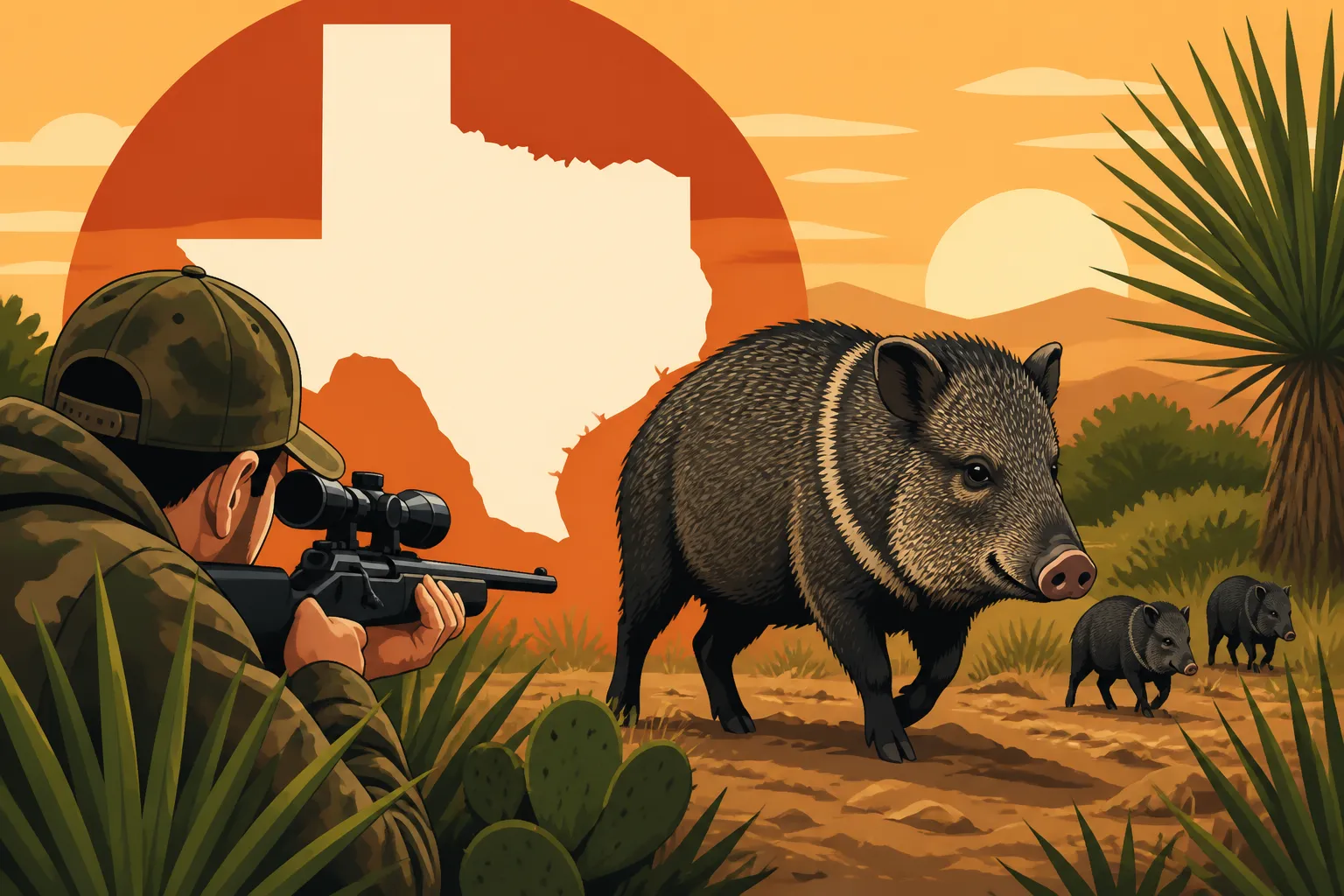
The most obvious giveaway is the size. A mature javelina rarely tops 50 or 60 pounds, whereas a feral hog can easily double or triple that. If you see a "pig" that looks like it has a salt-and-pepper coat with a faint white collar around its neck, you’re looking at a javelina. Their tails are almost non-existent, and their ears are smaller and more rounded than a hog’s.
Another major factor is their feet. Javelina have three toes on their hind feet, while hogs have four. But let’s be real, you aren’t going to be counting toes through a scope. You need to look for that "grey ghost" shimmer in the brush. Their hair is much coarser and stands up when they are agitated, making them look larger than they actually are. Because they are a protected game species in many areas, you must check the Texas Javelina Season by Zone before you head out, as they aren't a year-round "open season" animal like the invasive feral hog.
Social Behavior and Herd Dynamics
Javelina are incredibly social creatures. You will rarely find one truly alone; they travel in "squadrons" usually ranging from 5 to 20 individuals. This social structure is your best friend and your worst enemy. If you spook one, you spook them all. However, if you manage to keep the wind in your favor, the collective noise of a squadron munching on prickly pear can actually help mask your approach.
They rely heavily on scent to keep the group together. They have a prominent musk gland on their lower back, which is why they often smell like a skunk or very strong onions before you even see them. If you’re walking through a dry creek bed and catch a whiff of something pungent, stop immediately. They are close. Understanding this social bond is a core part of Javelina Hunting in Texas because they will often hang around and "woof" or pop their teeth if one of their own is down or if they can't quite peg where you are.
Scouting and Location: Where to Find the Grey Ghost
Finding javelina is all about finding the food and the shade. In the South Texas heat, these animals aren't going to be standing in the middle of a sendero at high noon. They are masters of using the shadows. If you are hunting a new property, the first thing you should do is look for the densest patches of prickly pear cactus. It’s their primary source of hydration and nutrition, and they will literally eat the thorns and all.
Identifying Prime South Texas Habitat
The legendary "Brush Country" is the heart of javelina territory. We’re talking about places like Webb, Dimmit, and La Salle counties. If you’re looking for South Texas Deer Hunting: Brush Country Guide tips, you’ll find that the same areas holding trophy bucks are crawling with javelina. They love the cover provided by blackbrush, guajillo, and mesquite.
Specifically, look for "header" draws—those little finger-like drainages that feed into larger creeks. Javelina love these because they provide a cooler micro-climate and thick cover. If the ground is sandy, you'll see their tracks clearly. They look like tiny, sharp deer tracks but are more rounded at the tips. If you find a spot where the prickly pear pads look like they've been chewed on or shredded, you've found a "hot" feeding area.
Reading Javelina Sign: Tracks, Scat, and Wallows
Don't ignore the scat. Javelina scat is very distinct; it often looks like a compressed ball of cactus fibers and grass, usually about the size of a golf ball or slightly larger. Because they are territorial, they often use communal "latrine" areas. If you find a spot with a high concentration of scat, you are near a core bedding or travel area.
Wallows are another great indicator. Much like hogs, javelina will wallow in soft dirt or mud to stay cool and get rid of parasites. However, their wallows are usually smaller and shallower. You might even find hair caught on low-hanging branches or the base of mesquite trees where they’ve been rubbing that musk gland. Knowing these signs is essential when you're figuring out How to Hunt Javelina in South Texas because it allows you to set up an ambush rather than just wandering aimlessly through the thorns.
Proven Javelina Hunting Tactics
Once you've found the sign, it's time to get to work. Javelina have notoriously poor eyesight—some say they can't see much past 20 or 30 yards with any clarity. However, their sense of smell and hearing are top-tier. If the wind shifts, the game is over.
Spot-and-Stalk Techniques
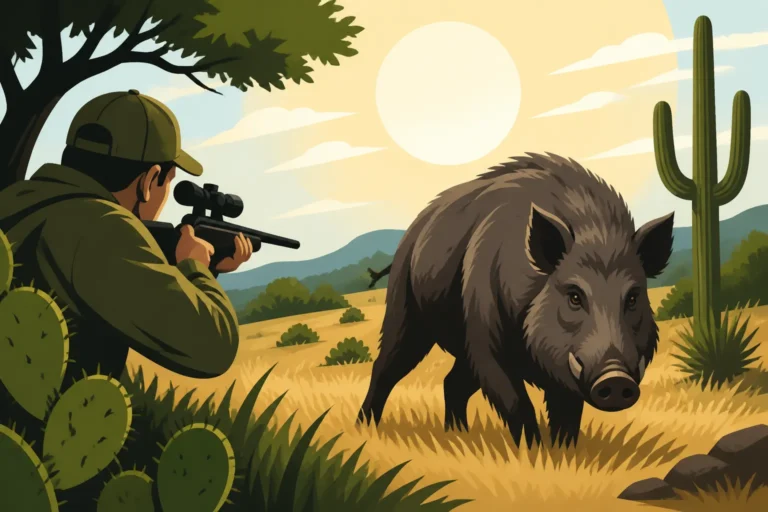
This is arguably the most exciting way to hunt them. Because they don't see well, you can often get incredibly close—sometimes within 10 to 15 yards—if you are quiet and the wind is hitting you in the face. The trick is to move "one step for every three minutes." You aren't walking; you are drifting through the brush.
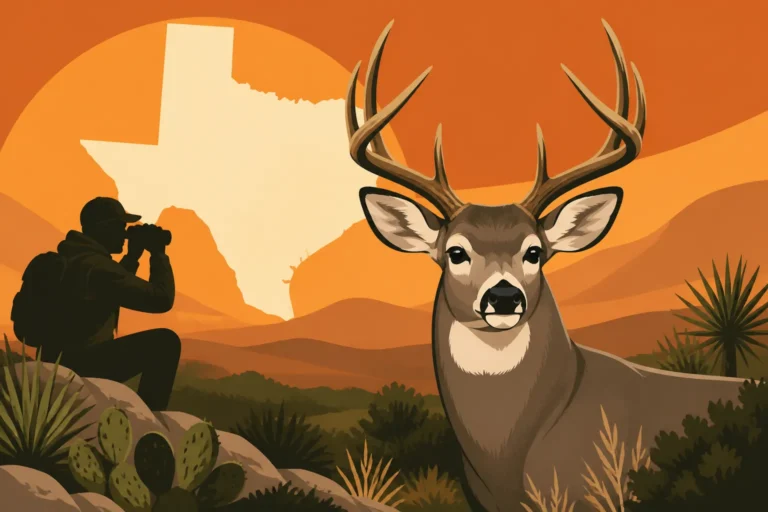
Use your binoculars constantly. You aren't looking for a whole animal; you’re looking for a flickering ear, the bristly texture of their hair against the smooth cactus pads, or the movement of a leg. If you're on a budget, you can find some decent entry-level optics on Amazon that will do the job for the thick brush where you don't need 1000-yard clarity. When you spot them, wait for them to put their heads down to feed. That’s when you move. If they look up, freeze. They might stare right through you, but as long as you don't move and the wind is right, they will eventually go back to eating.
Hunting Over Feeders and Water
If you prefer a more stationary approach, sitting over a corn feeder is a tried-and-true method. Javelina love corn just as much as deer do, and they will often dominate a feeder, pushing off smaller hogs or even young deer. This is a great way to introduce kids to hunting because the action is usually fast and the distances are short.
You can use many of the same strategies you'd use for How to Hunt Hogs During the Day in Texas when targeting javelina at a feeder. They tend to be most active in the early morning and the last hour of light. During the heat of the day, they'll head to water. If the ranch has "pila" (concrete water troughs) or small dirt tanks, sitting nearby in a brush blind can be incredibly effective. They need to drink frequently, especially when their diet consists of dry browse and prickly pear.
The Art of Calling Javelina
Most people don't realize that javelina respond to calls better than almost any other big game in Texas. Because they are so social and protective of their young, a "distress" call can bring the whole squadron charging in. I’m not talking about a gentle trot; I’ve had them come in snapping their teeth and huffing, looking for a fight.
You can use a mouth-blown predator call—like a rabbit distress or a specific javelina distress call—to get them fired up. Many hunters find it useful to check Amazon for electronic callers that have pre-programmed peccary sounds. The sound of a young javelina in trouble will trigger an instinctive "defend the herd" response. Be warned: they can be aggressive. If you are on the ground and call them in, be ready for a fast-paced encounter. This is a very different vibe than Predator Calling for Coyotes in Texas because the animals are coming in to fight, not to eat.
| Feature | Javelina (Collared Peccary) | Feral Hog |
|---|---|---|
| Origin | Native to Texas | Invasive species |
| Weight | 35–60 lbs | 50–400+ lbs |
| Teeth | Straight, interlocking tusks | Curved tusks that flare out |
| Social Group | Squadron (Highly social) | Sounder (Sows/young) or Solitary (Boars) |
| Scent | Strong musk gland on back | General "pig" smell |
| Daily Activity | Mostly Diurnal (Daytime) | Increasingly Nocturnal |
Essential Gear and Preparation
You don't need a magnum rifle to hunt javelina. In fact, heavy calibers are often overkill and can ruin the meat or the hide if you’re planning on a mount. They are thin-skinned animals, but they have a sturdy bone structure for their size.
Selecting the Right Caliber and Bow Setup
For rifle hunters, anything in the .223 to .243 range is perfect. A well-placed shot with a .22-250 or even a .22 Magnum at close range is more than enough. If you’re a bowhunter, you’re in for a treat. Javelina are the ultimate archery challenge. Since you can stalk so close, they are a favorite for traditional archers and compound shooters alike. Just make sure you understand Best Gear for Javelina on a Texas Lease before you head out, as the thorns will eat up your expensive camo and gear if you aren't prepared.
Shot placement is key. Their vitals are tucked a bit further forward than a deer’s. Aim for the "low V" right above the front leg. If you aim too far back, you’ll hit the guts, which is a nightmare given their diet and musk. While they aren't as tough as an old boar, you can still reference Best Shot Placement for Hogs for a general idea of how low you need to stay on a small-stature animal.
Field Care and Handling the Musk Gland
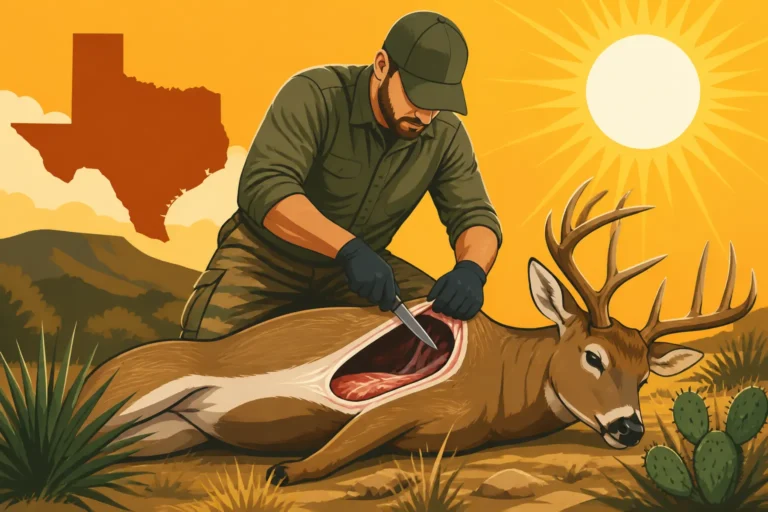
This is where many hunters go wrong and end up thinking javelina meat is "gross." The musk gland on the back must be handled with extreme care. You do not want to cut into it, and you definitely don't want to touch it and then touch the meat. The best way to handle it is to skin the animal carefully, "peeling" the hide away from the carcass without letting the hair side touch the meat.
Once the hide is off, the meat is actually quite lean and delicious if prepared correctly—think chorizos or slow-cooked carnitas. Before you start the process, make sure you have a sharp knife. I often pick up a few replaceable-blade knives on Amazon specifically for javelina because their coarse hair dulls a traditional edge faster than almost anything else. Also, don't forget Best Snake Boots for South Texas Brush Country. When you are focused on a javelina at 20 yards, it's very easy to step on a Western Diamondback lurking under a prickly pear.
Javelina Hunting Disclaimer
This guide is intended for informational and educational purposes only. Hunting regulations, including season dates, bag limits, and legal means of take, are subject to change by the Texas Parks and Wildlife Department (TPWD). Always consult the current Texas Outdoor Annual and ensure you possess a valid Texas hunting license and any required endorsements before heading into the field. Respect private property boundaries and always practice hunter safety and ethical shot placement.