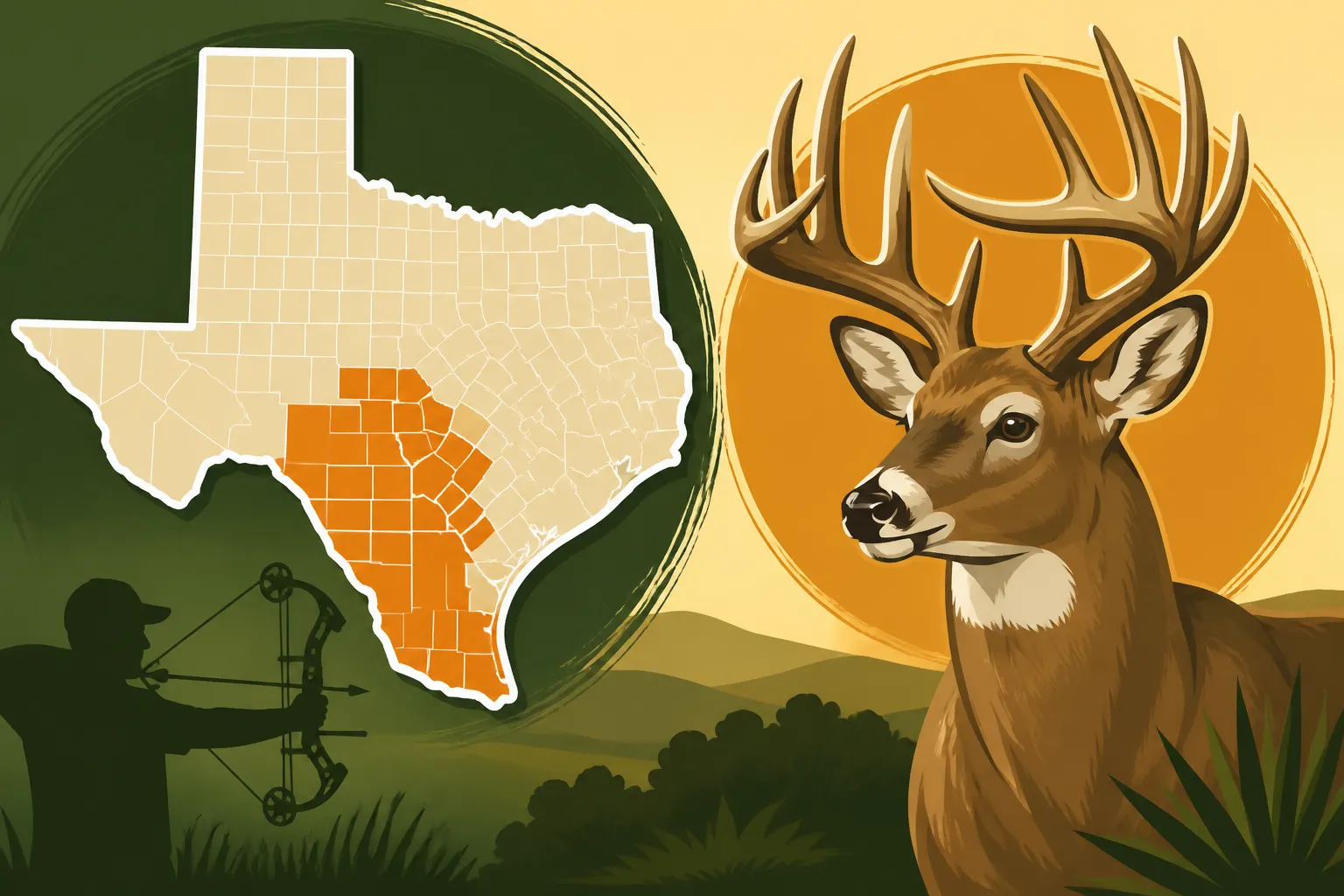
What Counties Have the 13-Inch Rule in Texas?
Navigating Texas hunting regulations can sometimes feel like trying to untangle a stubborn knot, especially when it comes to antler restrictions. Many hunters, new and old, often find themselves scratching their heads, wondering which bucks are legal and, more specifically, which counties enforce the infamous 13-inch rule. This guide is here to untangle that confusion, offering a clear, detailed look at where this rule applies and what it truly means for your deer season.
Understanding Texas Deer Antler Restrictions
Texas boasts a diverse landscape and an even more diverse deer population, leading to a patchwork of hunting regulations designed to manage local herds effectively. One of the most significant regulations for white-tailed deer hunters is the antler restriction, specifically the "13-inch rule." This rule wasn't put in place just to make our lives harder; it's a critical tool for improving the age structure and quality of white-tailed deer herds across vast regions of the state.
The Purpose Behind the 13-Inch Rule
For years, the common hunting practice often led to a disproportionate harvest of younger, larger-antlered bucks. This "high-grading" meant that bucks weren't given enough time to reach their full potential, both in body size and antler development, and it skewed the buck-to-doe ratio, which isn't ideal for healthy reproduction. The 13-inch rule was implemented to protect yearling and 2.5-year-old bucks, allowing them to mature. By encouraging hunters to pass on these younger deer, the goal is to increase the number of older, more dominant bucks in the population, leading to better genetics, healthier fawns, and ultimately, bigger deer down the road. It's a long-term strategy, and while it can be frustrating to let a seemingly good buck walk, it really does contribute to a stronger deer population.
Defining a Legal Buck in Restricted Counties
When you're hunting in a county where the 13-inch rule applies, a legal buck is defined as a white-tailed deer with:
- An outside spread of antlers equal to or greater than 13 inches. This is measured at the widest point between the main beams. You'll need a keen eye and some practice to field judge this accurately. Many hunters carry a "spread stick" or use their binoculars to estimate. It's truly a skill you hone over time, and nothing's worse than thinking you've got a legal buck only to realize after the shot that you were off by an inch or two.
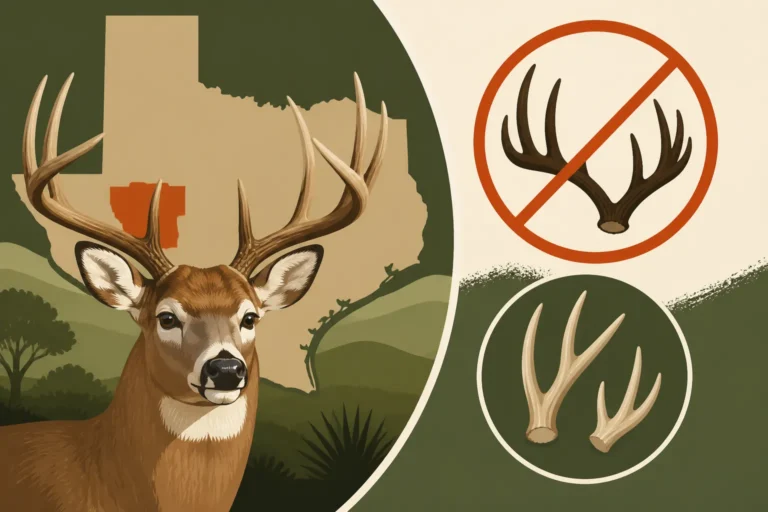
- At least one unbranched antler. This means one of the main beams must not have any points extending from it. This part of the rule is a concession to protect some mature bucks that might not meet the 13-inch spread but are genetically valuable due to their age and other antler characteristics.
It's important to remember that these two criteria are not mutually exclusive. If a buck has an outside spread of less than 13 inches, it must have at least one unbranched antler to be legal. If it has a spread of 13 inches or more, it does not need an unbranched antler; it's legal based on spread alone. This nuanced aspect is where many hunters get tripped up, so studying your Texas Antler Restrictions: The 13-Inch Rule Explained guide can be really helpful.
Bag Limits in Antler-Restricted Counties
In most counties under antler restrictions, the annual bag limit for white-tailed deer is typically three deer total, with no more than two bucks. Of those two bucks, generally only one can have an antler spread of 13 inches or greater. This means if you harvest a wide, mature buck, your second buck must have an inside spread less than 13 inches and have at least one unbranched antler. Again, these specifics can vary, so always consult the current Texas Hunting Seasons: Complete Calendar by Species and the county-specific regulations in the Texas Outdoor Annual. The goal is always to manage the harvest sustainably, ensuring that hunters have opportunities while also protecting the future of the herd.
Counties Under the 13-Inch Antler Restriction Rule
The 13-inch antler restriction rule is primarily in effect across much of the Texas Pineywoods, Post Oak Savannah, Cross Timbers, and Edwards Plateau ecological regions. These areas have historically faced different deer management challenges compared to the vast South Texas Brush Country or the Panhandle. It’s crucial to know if your hunting lease or preferred public hunting area falls within one of these counties, as it dictates what you can legally harvest.
Official List of Counties with the 13-Inch Rule
According to the Texas Parks and Wildlife Department (TPWD) regulations, a significant number of counties fall under the 13-inch antler restriction rule. While this list can be updated, it generally covers the following areas (always double-check the most current Outdoor Annual for any changes before your hunt):
- Central & East Texas:
- Angelina, Bowie, Camp, Cass, Cherokee, Delta, Fannin, Franklin, Freestone, Gregg, Harrison, Henderson, Hopkins, Houston, Hunt, Jasper, Jefferson, Johnson, Kaufman, Lamar, Leon, Liberty, Madison, Marion, Montgomery, Morris, Nacogdoches, Newton, Panola, Polk, Rains, Red River, Rusk, Sabine, San Augustine, San Jacinto, Shelby, Smith, Somervell, Titus, Trinity, Tyler, Upshur, Van Zandt, Walker, Wood.
- North Texas/Cross Timbers:
- Bosque, Clay, Cooke, Denton, Eastland, Erath, Jack, Montague, Palo Pinto, Parker, Stephens, Wise, Young.
- Edwards Plateau/Hill Country:
- Bandera, Bell, Blanco, Burnet, Comal, Concho, Coryell, Crockett, Edwards, Gillespie, Hays, Irion, Kendall, Kerr, Kimble, Lampasas, Llano, Mason, McCulloch, Medina, Menard, Mills, Nolan, Real, San Saba, Schleicher, Sutton, Tom Green, Travis, Uvalde, Val Verde, Williamson, Zavala.
It's important to note that counties like Webb County Antler Restriction & Bag Limit or La Salle County Antler Restriction & Bag Limit in South Texas have different rules, often focusing on a "one-buck" limit or specific point counts, but generally not the 13-inch spread rule for the first buck.
Here’s a quick reference table for some key regions where the 13-inch rule is prevalent:
| Region | Representative Counties | Antler Restriction Summary |
|---|---|---|
| Pineywoods (East TX) | Angelina, Nacogdoches, Shelby | Yes, 13-inch outside spread or at least one unbranched antler for a legal buck. Bag limit typically two bucks, only one over 13-inch spread. |
| Post Oak Savannah | Leon, Madison, Houston | Yes, 13-inch outside spread or at least one unbranched antler for a legal buck. Bag limit typically two bucks, only one over 13-inch spread. |
| Cross Timbers | Erath, Jack, Palo Pinto | Yes, 13-inch outside spread or at least one unbranched antler for a legal buck. Bag limit typically two bucks, only one over 13-inch spread. |
| Edwards Plateau | Kerr County Antler Restriction & Bag Limit, Llano, Mason, Gillespie | Yes, 13-inch outside spread or at least one unbranched antler for a legal buck. Bag limit typically two bucks, only one over 13-inch spread. This region has one of the highest deer densities, making proper management especially crucial. |
This table isn't exhaustive but gives you a good starting point. Always remember that regulations can be dynamic, so cross-referencing with the official Texas Hunting Regulations Changes for 2026 in the annual TPWD Outdoor Annual is non-negotiable before you head afield.
How to Confirm Regulations for Your Specific Hunting Area
The best way to confirm the antler restrictions and bag limits for your specific county is to consult the latest edition of the Texas Parks and Wildlife Department's Outdoor Annual. This document is the ultimate authority on all hunting regulations. You can find it online, at most sporting goods stores, and wherever hunting licenses are sold.
Here’s how to use it effectively:
- Locate Your County: The Outdoor Annual is organized by county and ecological region. Find your county in the white-tailed deer section.
- Read Carefully: Pay close attention to the specific buck and doe bag limits, as well as the antler restrictions listed. Some counties might have additional local rules or special seasons.
- Check for Exceptions: Look for any special provisions, such as youth-only seasons, early archery-only days, or Managed Lands Deer Program (MLDP) regulations, which can sometimes alter the antler restrictions on specific properties. Understanding MLDP Tags in Texas: How They Work can be a game-changer if you hunt on a managed lease.
Taking the time to review the Outdoor Annual thoroughly not only keeps you legal but also helps you understand the bigger picture of deer management in your chosen hunting grounds.
Navigating Exceptions and Specific Scenarios
While the 13-inch rule seems straightforward on paper, real-world hunting scenarios often introduce nuances and exceptions that can leave even seasoned hunters second-guessing. Knowing these specific situations beforehand can save you a lot of headache and ensure you stay within the law.
Youth Hunter Exemptions
One of the most heartwarming aspects of Texas hunting is the emphasis on getting younger generations involved. To facilitate this, youth hunters often have slightly different regulations. Generally, during specific youth-only seasons, antler restrictions, including the 13-inch rule, are often waived for young hunters. This means a youth hunter might be allowed to harvest any buck, regardless of its antler spread or point count, as long as it's a legal buck otherwise. This exemption is fantastic for introducing kids to deer hunting without the added pressure of complex antler judging. Always confirm the exact dates and rules for Texas Youth Hunting Weekend Dates in the current Outdoor Annual, as these can vary. It’s a wonderful opportunity for them to learn about hunting ethics and responsible harvesting without the fear of making a mistake on a measurement.
Managed Lands Deer Program MLDP Properties
Many private landowners in Texas participate in the Managed Lands Deer Program (MLDP). This program allows landowners to work with TPWD wildlife biologists to develop a tailored deer management plan for their property. In return for adhering to these plans, MLDP participants receive special tags that often allow for greater flexibility in season dates and bag limits, and importantly, can modify or even waive antler restrictions on their specific property.
If you're hunting on an MLDP property, the rules printed on your MLDP tags are generally what you follow, not the general county regulations. This means you might be in a "13-inch rule" county, but if your lease is under MLDP, you could potentially harvest a buck with a smaller spread, or conversely, have different point requirements. It's a system designed to give landowners more control over their deer management while contributing valuable data to the state. Always ensure you understand the specific MLDP regulations for your lease, as they can differ significantly from property to property. This is why when looking for a lease, understanding the Texas Hunting Lease Rules & Etiquette can include asking about MLDP participation.
The "One Unbranched Antler" Consideration
As mentioned earlier, the "at least one unbranched antler" clause is a crucial part of the 13-inch rule. This isn't just a loophole; it's an intentional component of the management strategy. It allows for the harvest of older, mature bucks that might not have a wide spread due to genetics, injuries, or being past their prime, but are still valuable to harvest for population control.
Imagine you're sitting in your blind, perhaps a comfortable Box Blind vs Tripod vs Ground Blind in Texas, and a buck walks out. You immediately see that one of its main beams has no points, it's just a spike or a simple beam. If this buck also has an outside spread of less than 13 inches, it's a legal animal under this specific clause. However, if both antlers have multiple points, and the spread is less than 13 inches, then it's not a legal buck. This is where attention to detail really matters, and why taking your time to identify your target is so important.
Practical Hunting Tips for Antler-Restricted Counties
Hunting in counties with the 13-inch rule requires a bit more intentionality and patience. It's not just about finding deer; it's about accurately judging them in the field under often less-than-ideal conditions. These tips can help you increase your success rate and avoid the costly mistake of harvesting an illegal buck.
Field Judging Deer Accurately
Learning to accurately field judge a buck's antler spread is perhaps the most challenging aspect of hunting in a 13-inch rule county. It takes practice, and even then, it's an educated guess.
Here are some strategies:
- Ear-Tip to Ear-Tip Reference: For most mature Texas white-tailed deer, the distance from ear-tip to ear-tip when the ears are alert is roughly 13-15 inches. This is a common rule of thumb. If a buck's antlers extend noticeably outside its ear tips, it's likely 13 inches or wider. If they barely reach the ear tips or are inside, it's probably too narrow.
- Binoculars and Spotting Scopes: Quality optics are your best friend. Don't rely solely on your naked eye. Use binoculars or a spotting scope to get a clear view of the antler spread and to confirm if an antler is unbranched. Good Best Binoculars for South Texas Brush can make all the difference in that critical moment.
- Study Photos and Videos: Before the season, spend time looking at photos and videos of bucks, specifically those with known antler measurements. Practice estimating their spread. Many hunting apps and online forums offer great resources for this.
- Practice on Live Deer (Pre-Season): If you have access to your hunting property before the season, use those opportunities to practice judging live deer. Bring a tape measure (if ethical and safe) or use known objects in the field as references.
- Consider a Spread Stick: Some hunters carry a collapsible "spread stick" marked at 13 inches to hold up and help visualize the distance. While you can't use it on the actual animal, it helps train your eye.
It's a common frustration: you see a buck, and it looks just big enough, but the light isn't great, or he's moving, and you're agonizing over the decision. That hesitation is natural, and it's always better to err on the side of caution.
Optimal Blind and Feeder Placement
Strategic placement of your hunting blinds and feeders can significantly aid in field judging, especially in the thick cover often found in areas like the Pineywoods or the Hill Country.
- Clear Lanes of Sight: When setting up a Best Deer Feeder Setup for Texas or a blind, try to ensure you have clear lanes of sight at varying distances. This allows deer to approach and move in areas where you can get an unobstructed view of their antlers. Trimming some brush (where permitted) can create these crucial windows.
- Distance Management: Don't place your feeders or hunting setups too far away. While long shots are possible, it becomes incredibly difficult to accurately judge antler spread at extreme distances. A comfortable shooting and judging range (e.g., 50-100 yards) is ideal. Conversely, don't place them so close that a buck appears and disappears before you can even get your binoculars up.
- Natural Funnels and Travel Corridors: Deer often follow predictable travel patterns. Placing your blind overlooking a natural funnel, a fence line crossing, or a known trail can increase your chances of seeing multiple deer and having more time to judge them. This is part of effective How to Scout for Deer Before Season in Texas strategies.
- Consider Sun Position: Try to place your blind so that the sun isn't directly in your eyes during prime hunting hours (early morning and late evening). A sun glare can obscure your view and make judging antlers nearly impossible.
Hunting Ethics and the 13-Inch Rule
The 13-inch rule isn't just about legality; it's also about ethics. The purpose of the rule is to improve the deer herd, and adhering to it, even when challenging, contributes to that greater good.
- Patience is Key: The biggest ethical consideration is patience. Don't rush a shot if you're uncertain about a buck's legality. It's better to let a questionable buck walk than to make a mistake and face legal consequences or, worse, to harvest a deer that should have been given another year.
- Educate Yourself and Others: Share your knowledge with fellow hunters, especially those new to Texas or new to antler restrictions. Help them understand the "why" behind the rule and how to apply it in the field. This collective understanding helps ensure the program's success.
- Know Your Target: Beyond antler restrictions, always practice good marksmanship and be certain of your target. Misidentifying a deer, or taking a poor shot, is never ethical. Understanding Best Shot Placement for Whitetail Deer is vital for a quick, humane harvest.
- Report Harvests Accurately: In counties that require harvest reporting, make sure to accurately report your deer. This data is critical for TPWD biologists to monitor herd health and the effectiveness of antler restrictions. Learn How to Report Your Harvest in Texas to ensure you are compliant.
By embracing these practical tips and maintaining a strong ethical approach, you can have a successful and rewarding hunting experience in Texas's antler-restricted counties, contributing to the health and vitality of the state's incredible white-tailed deer population.
Disclaimer
The information provided in this guide is for general informational purposes only and is not intended as legal advice. Hunting regulations in Texas are complex and subject to change. While every effort has been made to ensure accuracy, hunters are solely responsible for consulting the current official Texas Parks and Wildlife Department Outdoor Annual and any county-specific regulations before hunting to ensure full compliance with all applicable laws and rules.