Maverick County Antler Restriction & Bag Limit
Hunting in Texas is a cherished tradition, but let's be honest, trying to keep up with all the specific regulations, especially when it comes to county-by-county antler restrictions and bag limits, can feel like a full-time job. It's frustrating to pour over the Outdoor Annual, trying to decipher what's legal and what's not in your specific hunting spot. This comprehensive guide is here to clear up the confusion surrounding white-tailed deer antler restrictions and bag limits specifically for Maverick County, ensuring you have all the information you need for a successful and legal hunt.
Navigating White-Tailed Deer Antler Restrictions in Maverick County
Maverick County, nestled in the heart of the South Texas Plains, is renowned for its excellent white-tailed deer hunting. However, like many counties in this prime deer country, it operates under specific antler restrictions designed to promote a healthier age structure among bucks and improve trophy quality over time. Ignoring these rules isn't just a minor oversight; it can lead to serious fines and even loss of hunting privileges, so understanding them thoroughly is absolutely crucial.
Demystifying the 13-Inch Rule for Bucks
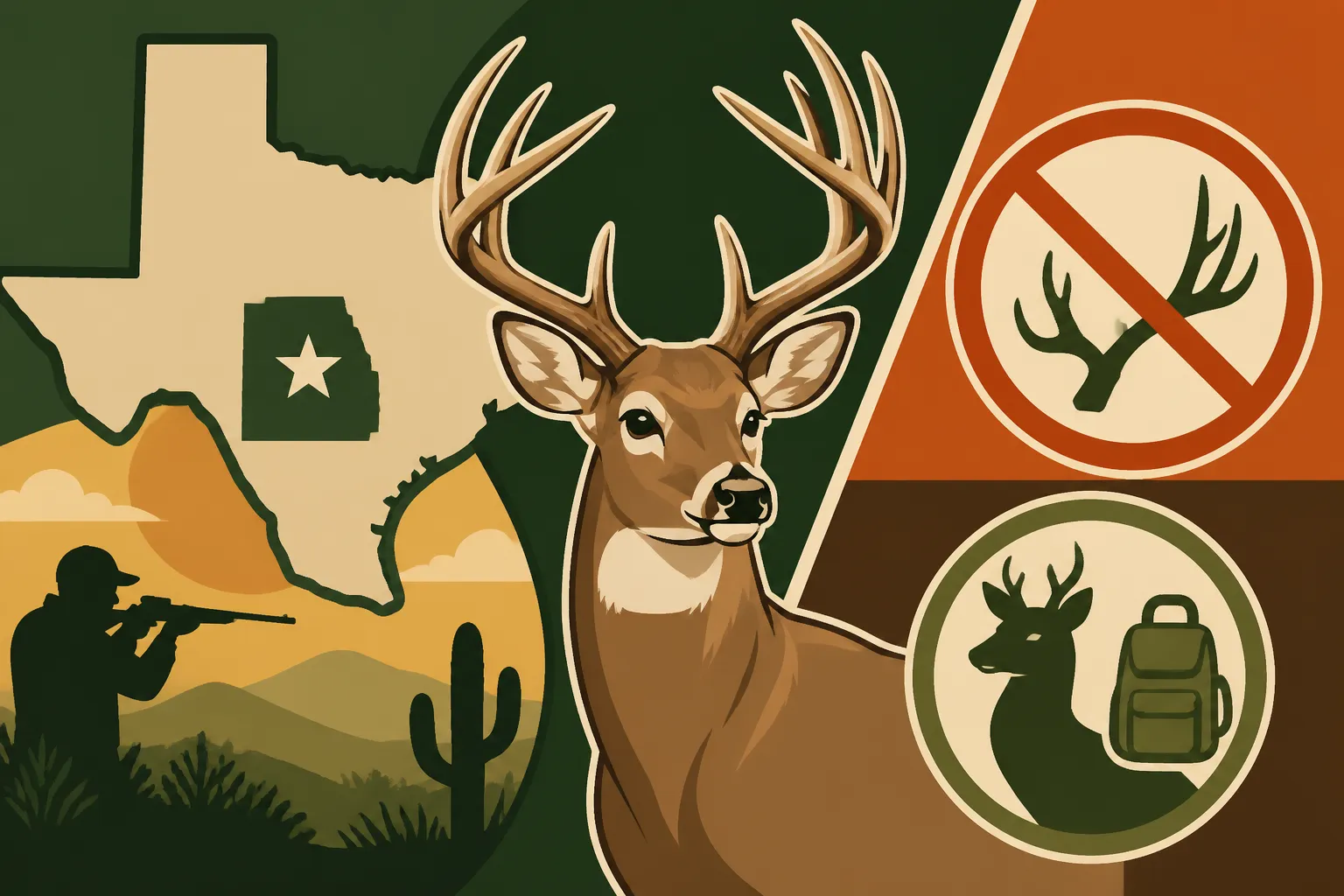
The cornerstone of Maverick County's antler restrictions, and indeed many other Texas counties, is the "13-inch rule," though it's important to understand its nuances. In Maverick County, when it comes to harvesting buck deer, you're allowed to take two bucks per season. However, there's a very specific caveat about how those two bucks must be antlered. Only one of those two bucks can have an inside spread of 13 inches or greater. If you harvest a buck with a spread of 13 inches or more, your second buck must have at least one unbranched antler, meaning it must be a "spike" buck. Conversely, if you harvest a spike buck first, your second buck can still be either another spike or a buck with an inside spread of 13 inches or greater.
This regulation exists to allow younger bucks more time to mature and spread their genetics. By encouraging hunters to pass on smaller, branched-antlered bucks that haven't reached the 13-inch spread yet, wildlife biologists aim to increase the number of older, larger-antlered deer in the population. It's a long-term strategy, and while it can sometimes be a head-scratcher in the field, it undeniably contributes to the quality of hunting in regions like Maverick County. For a deeper dive into the statewide implementation and rationale behind these regulations, check out our guide on Texas Antler Restrictions: 13-Inch Rule & Counties.
Practical Scenarios for Maverick Hunters
Let's walk through some real-world scenarios you might encounter in the Maverick County brush to ensure you're making legal decisions:
- Scenario 1: The Wide 8-Point: Imagine you're sitting in your blind, early in the season, and a beautiful 8-point steps out. You glass him carefully, and it's clear his antlers extend well beyond his ears, easily reaching that 13-inch inside spread mark. You make a clean shot. This buck is legal. Now, for the rest of the season, if you want to harvest another buck in Maverick County, it must be a spike buck – meaning it has at least one antler that doesn't have any points or branches on it. You cannot take another branched-antlered buck, regardless of its spread.
- Scenario 2: The Perfect Spike: On another hunt, a sleek spike buck presents a perfect shot opportunity. You ethically harvest him. This is legal, as a spike satisfies the "unbranched antler" requirement. Now, for your second buck, you have options. You could take another spike, or you could take a branched-antlered buck, provided its inside spread is 13 inches or greater. The crucial point here is that you've only used one of your "buck tags," and the type of antler restriction buck you've taken still leaves the other option open.
- Scenario 3: The Narrow-Bodied 10-Point: This is where it gets tricky, and it's often the source of hunter frustration. A tall, impressive-looking 10-point walks out, but upon closer inspection, you realize his inside spread is only, say, 11 inches. He has no unbranched antlers. Under Maverick County's regulations, this buck is not legal to harvest as your first buck if you intend to take a second. Why? Because he doesn't meet the 13-inch spread and he doesn't have an unbranched antler. If you were to harvest him, and he measured less than 13 inches and wasn't a spike, you'd be in violation. This highlights the absolute necessity of reliable optics and patience to accurately field-judge a buck before pulling the trigger. It’s better to pass and regret it than to shoot and face legal repercussions.
Always remember that these rules are in place to benefit the deer herd and the long-term quality of hunting in Maverick County. It takes discipline, but it's worth it for the future of Texas hunting.
Maverick County's White-Tailed Deer Bag Limits and Tagging System
Beyond antler restrictions, understanding the total number of deer you can harvest, and the proper way to tag them, is equally vital. Texas operates on a county-by-county basis for many regulations, and Maverick County has specific limits you need to adhere to.
Understanding Your Annual and Daily Limits
For white-tailed deer in Maverick County, the general bag limit is 4 deer total, with a specific breakdown: no more than 2 bucks and no more than 2 does. There is no daily bag limit specified for white-tailed deer, meaning if you have the tags and the opportunity, you could theoretically harvest multiple deer in a single day, as long as you don't exceed your overall season limit and adhere to the antler restrictions for bucks.
This 2-buck limit, when combined with the antler restrictions discussed above, means your buck harvest could look like this:
- One buck with an inside spread of 13 inches or greater AND one spike buck.
- Two spike bucks.
- One spike buck AND one buck with an inside spread of 13 inches or greater.
- One buck with an inside spread of 13 inches or greater (and you choose not to harvest a second buck).
- One spike buck (and you choose not to harvest a second buck).
You cannot harvest two bucks, neither of which has an unbranched antler, if only one of them has an inside spread of 13 inches or greater. Essentially, if you shoot a wide 13"+ buck, your other buck must be a spike. If you shoot a non-spike buck that is under 13" spread, it is illegal. This table helps break down the legal buck combinations in Maverick County:
| Buck #1 Harvested | Buck #2 (If Taken) | Legality |
|---|---|---|
| Spike | Spike | Legal |
| Spike | ≥ 13-inch spread branched buck | Legal |
| ≥ 13-inch spread branched buck | Spike | Legal |
| ≥ 13-inch spread branched buck | (No second buck) | Legal |
| Spike | (No second buck) | Legal |
| Branched buck < 13-inch spread | N/A | Illegal! |
| Any two branched bucks, only one ≥ 13-inch spread | N/A | Illegal! |
For a broader understanding of how these limits apply across the state, you can refer to our guide on Texas Deer Bag Limit by County.
The Importance of Antlerless Deer Permits (ADPs)
When it comes to harvesting does (antlerless deer) in Maverick County, it's not as simple as just having a license. Many counties, including Maverick, require either an Antlerless Deer Permit (ADP) or a tag issued under the Managed Lands Deer Program (MLDP). These permits are typically issued by the landowner or lease manager, often directly through the Texas Parks and Wildlife Department (TPWD) to help manage local deer populations effectively.
If you're hunting on private land in Maverick County, you'll need to confirm with the landowner or lease manager if they are participating in MLDP or if they have ADPs available. These permits specify when and how many does can be harvested. Without one of these specific permits, harvesting a doe is illegal, even if you have valid deer tags on your hunting license. This system allows for localized population management, preventing overharvesting in some areas while encouraging it in others where doe populations might be high. To learn more about how these permits function, check out our article on Texas Antlerless Deer Permits & Doe Days.
Essential Harvest Reporting in Maverick
One of the most critical, yet often overlooked, parts of hunting in Texas is harvest reporting. In Maverick County, just like in many other counties, all harvested white-tailed deer must be reported to TPWD within 24 hours of harvest. This isn't just a suggestion; it's a legal requirement and an invaluable tool for wildlife management.
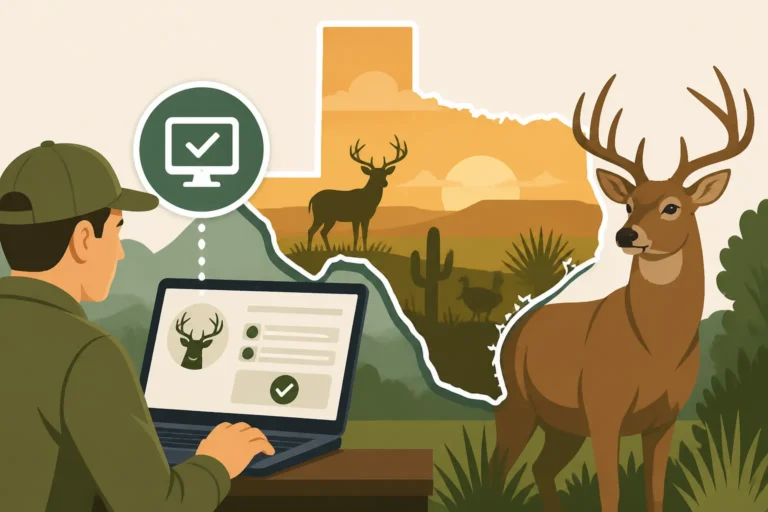
The easiest way to report your harvest is through the My Texas Hunt Harvest app on your smartphone or by visiting the TPWD website. The app is incredibly user-friendly. You'll typically need to input details like the date and time of harvest, the county (Maverick, in this case), the species (white-tailed deer), and details about the sex and antler configuration of the deer. You then attach the tag from your license to the deer's ear or leg immediately after harvest. Failing to report a harvest can result in citations, as enforcement officers rely on this data to monitor deer populations, gauge hunting pressure, and make informed decisions about future regulations. It’s our responsibility as hunters to contribute to the data that ensures healthy herds for generations to come. For more detailed instructions, our guide on Texas Hunting Tags & Harvest Reporting (My Texas Hunt Harvest) is an excellent resource.
Key Considerations Beyond Antler Restrictions for Maverick Hunters
While white-tailed deer are a primary focus for many in Maverick County, the area offers diverse hunting opportunities. To stay fully compliant and make the most of your time in the field, it's important to remember a few other general regulations.
General Hunting License and Endorsement Requirements
Before you even step foot in the brush, you need a valid Texas hunting license. For residents, the Super Combo License is often the most cost-effective and convenient option, as it bundles a general hunting license with various endorsements like migratory bird hunting, archery, and upland game bird stamps. If you're a non-resident, your license will differ in cost and type, but the need for it is absolute.
Remember, licenses expire at the end of August each year, so make sure yours is current before hitting the field, especially for the early September dove opener or the general deer season. You can purchase licenses online through the TPWD website, at most sporting goods stores, or at approved license vendors across the state. For comprehensive details on types, costs, and where to purchase, consult our article on Texas Hunting License: Cost, Types & How to Buy (2026).
Hunter Education Requirements and Youth Hunts
Texas law mandates hunter education for certain individuals. If you were born on or after September 2, 1971, you must complete a hunter education course to legally hunt in Texas, unless you are exempt (e.g., hunting on your own land or with a licensed mentor). This course covers safety, ethics, and regulations, providing essential knowledge for responsible hunting.
Texas also offers fantastic opportunities for our younger hunters, with Youth Hunting Weekends often preceding the general season or providing extended opportunities. During these special weekends, bag limits and antler restrictions may sometimes differ slightly to encourage youth participation. For example, often youth are exempt from antler restrictions on one buck. Always check the current Outdoor Annual for specific dates and rules applicable to Maverick County for these youth-specific seasons. This is a wonderful way to introduce the next generation to our outdoor heritage in a controlled and educational environment. Our guide on Texas Youth Hunting Weekend Dates offers more insights into these programs.
Hunting Other Game in Maverick County: Brief Overview of Bag Limits
Maverick County's landscape, characterized by vast brush country, makes it a haven for more than just white-tailed deer. Feral hogs, various exotic species, and a strong population of migratory birds also draw hunters to the area.
Year-Round Opportunities for Feral Hogs and Exotics
One of the biggest draws to Maverick County, and indeed most of Texas, is the opportunity to hunt feral hogs. These invasive animals pose a significant threat to agriculture and native wildlife. Because of their destructive nature, there is no closed season and no bag limit for feral hogs in Texas. This means you can hunt them year-round, day or night (with proper landowner permission for night hunting), without needing specific tags beyond your general hunting license. They're an excellent target to pursue outside of deer season, and their meat can be delicious when properly handled. Get all the details in our guide on Feral Hog Hunting in Texas: Year-Round Guide.
Maverick County also has a presence of exotic game animals, particularly on many of the larger ranches. Species like Axis deer, Blackbuck antelope, and Aoudad sheep are common. For most exotic species in Texas, there are no closed seasons and no bag limits on private land. However, you still need a valid hunting license to pursue them. The regulations for exotics are generally much more relaxed than for native game, making them popular for hunters looking for unique year-round opportunities. Dive deeper into this exciting aspect of Texas hunting with our article on Exotic Hunting in Texas: Axis, Aoudad, Blackbuck & More.
Migratory Birds: Dove and Waterfowl Basics
When September rolls around, many eyes in Maverick County turn to the skies for the dove season opener. Maverick County falls within the South Dove Zone, which typically has later opening dates than the North and Central zones, allowing for strong white-winged dove concentrations. Hunters targeting doves need a valid hunting license, a Texas Migratory Game Bird Endorsement, and must be HIP certified. The daily bag limit for doves (mourning, white-winged, and white-tipped combined) is generally 15 birds, with a possession limit of 45. However, there are usually specific limits on white-tipped doves, so always consult the current Outdoor Annual. For detailed season dates and zone maps, check out Texas Dove Season 2026: Zones & Dates.
While Maverick County isn't traditionally known as a prime waterfowl destination compared to the coast, local stock tanks and irrigated fields can attract ducks and geese during migration. Waterfowl hunting requires additional endorsements, including a Federal Duck Stamp, and species-specific bag limits apply.
Upland Game: Quail and Turkey
The vast brush and open country of Maverick County can also provide opportunities for quail hunting. Both Bobwhite and Blue (Scaled) Quail can be found here. Quail season typically runs from late October through late February or early March, with a daily bag limit of 15 and a possession limit of 45. Quail populations can fluctuate significantly year-to-year based on rainfall and habitat conditions, so scouting is key. For more on the season and limits, see Texas Quail Season Dates & Limit.
Maverick County is also prime habitat for Rio Grande turkeys. The county falls within the South Zone for turkeys, offering both a fall and a spring season. The fall season typically allows for a combined bag limit of four gobblers and/or bearded hens, while the spring season generally has a limit of one gobbler. Always verify the most current dates and bag limits in the Outdoor Annual, as these can be adjusted. You can find more information on Rio Grande Turkey Hunting in Texas.
Licensing, Hunter Education, and Staying Legal
Understanding the minutiae of county-specific regulations is paramount, but it all starts with the basics: being properly licensed and educated. Texas takes its wildlife management seriously, and every hunter plays a role.
Your Texas Hunting License Essentials
It cannot be stressed enough: a valid hunting license is your ticket to the field. For most Texas residents, the "Super Combo" (License Package 101) is the most comprehensive option. It covers most species you'd want to hunt, including deer, hogs, turkey, and migratory birds (with HIP certification), as well as fishing. It's truly a one-stop shop. For non-residents, the options are different, usually involving an annual non-resident hunting license (Type 105) or a 5-day special license (Type 157) if you're only visiting for a short hunt. The costs vary significantly, so choose the one that best fits your hunting plans. Remember, regardless of where you hunt in Texas, including Maverick County, these basic licenses are a must-have.
Hunter Education Requirements and Youth Hunts
Beyond the license itself, hunter education is a critical component of responsible hunting in Texas. As mentioned, if you were born on or after September 2, 1971, you generally need to have passed a hunter education course. There are exceptions: if you are under 17 and accompanied by a legal hunter over 17 who has passed hunter education, or if you are hunting on your own land. For adults who haven't taken the course, you can purchase an "Exempt Hunter Education Deferred" license (Type 166), which allows you to hunt for one year while you complete the course. This demonstrates a commitment to safety and ethics, which are cornerstones of our hunting culture.
Texas also champions youth participation in hunting. Special youth-only seasons and often relaxed regulations are put in place to give young hunters a fantastic experience. For instance, during designated youth-only deer seasons, antler restrictions for bucks might be waived entirely for youth hunters. Always check the Outdoor Annual for the specific details regarding youth hunts in Maverick County for the upcoming season. These opportunities are invaluable for fostering a love of the outdoors and passing down hunting traditions.
Disclaimer
Please note that hunting regulations, seasons, and bag limits are subject to change annually by the Texas Parks and Wildlife Department (TPWD). While every effort has been made to provide accurate and up-to-date information, this guide is intended for informational purposes only and should not be considered a substitute for the official TPWD Outdoor Annual. Hunters are responsible for verifying all current regulations before heading afield. Always consult the latest TPWD Outdoor Annual or visit their official website for the most precise and legally binding information.