Texas Coyote Hunting Regulations 2026
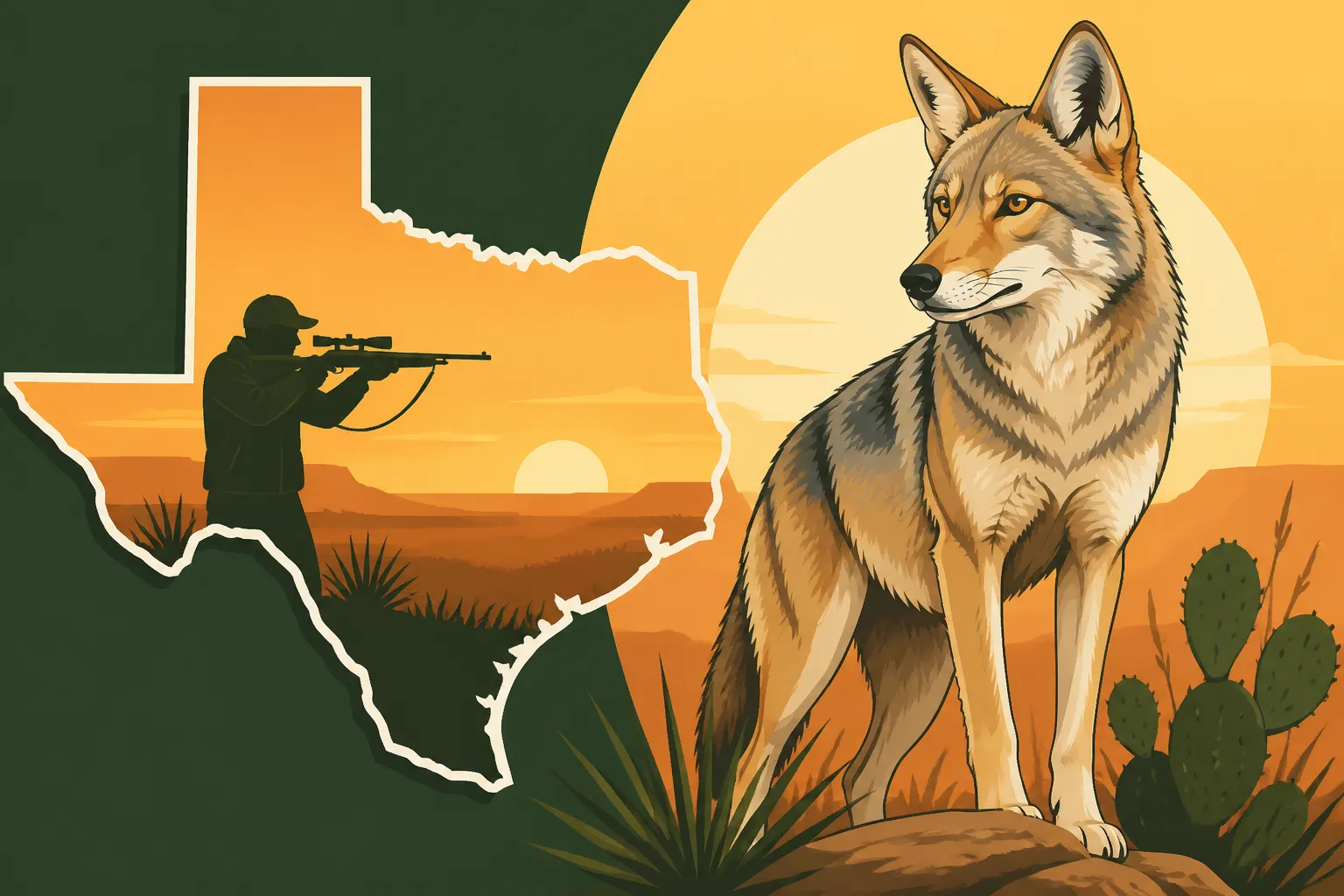
Trying to make sense of Texas hunting regulations can feel like navigating a maze blindfolded, especially when you're dealing with predators like coyotes that often have different rules than deer or turkey. It's a common frustration, and many hunters struggle to pinpoint exactly what's legal and what's not. This guide is here to untangle the complexities of Texas coyote hunting regulations, providing a clear roadmap for the upcoming 2026 season so you can hunt with confidence and stay within the law.
Why Understanding Coyote Regulations is Crucial in Texas
Texas is a vast state, and with its immense size comes a unique blend of hunting opportunities and regulatory nuances. While some species have strict seasons, bag limits, and complex tagging requirements, others, like the coyote, fall into a different category entirely. Misunderstanding these distinctions can lead to serious legal trouble or, at the very least, a ruined hunt. It's not just about avoiding fines; it's about respecting the land, the wildlife, and the hunting heritage of the state. Getting it right ensures you're contributing to responsible wildlife management, even for a prolific species like the coyote.
Common Misconceptions About Predator Hunting
One of the biggest misconceptions about hunting predators in Texas is that "anything goes." Because coyotes aren't considered game animals with defined seasons, people often assume there are no rules whatsoever. This couldn't be further from the truth. While the regulations are indeed less restrictive than for, say, whitetail deer, there are still crucial parameters you must adhere to. For instance, while you might not need a deer tag, you still need to understand general hunting license requirements and be aware of where you're hunting. Another common myth is that you can hunt coyotes with any equipment at any time. This overlooks important details regarding night hunting, thermal optics, and even the types of firearms and ammunition permitted in certain areas. It's easy to get caught up in the excitement, but a quick check of the rules can save you a lot of headache.
The Dynamic Nature of Texas Hunting Laws
Texas hunting laws, while generally stable year-to-year for many species, do undergo periodic adjustments. This is especially true as new technologies emerge (think thermal and night vision) or as wildlife management strategies evolve. What was perfectly legal last year might have a new caveat this season, or a previously restricted method might become permissible. For coyote hunting, while the core framework tends to be consistent, it's always wise to consult the latest official resources. The Texas Parks and Wildlife Department (TPWD) publishes its Outdoor Annual every year, and this comprehensive guide is your ultimate authority. Even though we're looking ahead to 2026, the current regulations often provide a very strong indication of what to expect, with major shifts typically announced well in advance. Staying updated means more successful and stress-free hunts.
Key Regulations for Coyote Hunting in Texas (2026 Outlook)
When it comes to coyote hunting in Texas, the good news is that it's generally one of the most accessible forms of hunting. There's a reason so many folks consider it a year-round pursuit! Unlike most game animals, coyotes in Texas are classified as a nongame animal, often treated as a nuisance species due to their impact on livestock and game populations. This classification significantly changes how they're managed and regulated. For the 2026 season, expect these fundamental principles to remain largely unchanged, making coyote hunting a fantastic option for those looking to hone their skills or simply spend more time afield.
License Requirements and Exemptions
This is where many hunters get tripped up, so let's clear the air. Generally, to hunt any animal in Texas, you need a valid hunting license. For residents, this usually means a "resident hunting license" or the popular "Super Combo" license. Non-residents will need a "non-resident general hunting license." These licenses cover both game and nongame species.
However, there are significant exemptions for coyotes:
- No Closed Season: Unlike deer or turkey, there is no closed season for hunting coyotes in Texas. You can hunt them year-round.
- No Bag Limit: You can harvest as many coyotes as you want, without any daily or seasonal bag limits.
- Landowner/Tenant Exemption: If you are a landowner or a tenant on land you're hunting, you are generally exempt from needing a hunting license to take coyotes on that specific property. This is a huge benefit for those managing their own acreage.
- Private Land with Permission: If you are hunting on private land with the landowner's permission and the landowner has opted not to require a license for nuisance animals, you may also be exempt. However, the safest and most compliant approach is always to possess a valid hunting license, unless you are certain of your exemption status and have written permission specifying it.
- Public Land: If you plan to hunt coyotes on public lands, such as Wildlife Management Areas (WMAs) or National Forests, you absolutely will need a valid hunting license and often an Annual Public Hunting Permit (APH Permit) as well. Each WMA or public hunting area will have its own specific regulations, which can be found in the TPWD Outdoor Annual or on the specific WMA's information page. Always check these rules before heading out. For a deeper dive into licensing, you can check out our guide on the Texas Hunting License: Cost, Types & How to Buy (2026).
It's always a good idea to confirm your specific situation with the TPWD to ensure full compliance. When in doubt, buy the license. It's a small price to pay for peace of mind and supporting wildlife conservation.
Legal Hunting Methods and Equipment
The flexibility extends to methods as well, making Feral Hog Hunting Tactics for Texas and coyote hunting quite distinct from more regulated game. For coyotes, a wide array of hunting methods are legal in Texas, provided they are safe and comply with general firearms laws.
- Firearms: Most standard hunting firearms are legal, including rifles, shotguns, and handguns. There are no caliber restrictions for coyotes, meaning you can use anything from a .22LR for close-range opportunities to a .308 for longer shots. Be mindful of local ordinances, especially near populated areas, regarding firearm discharge.
- Archery: Bowhunting for coyotes is also legal and can be an exciting challenge. This includes traditional bows, compound bows, and crossbows. For more on this, you might find our Bowhunting in Texas: Archery Season Guide helpful.
- Calling: Predator calling is incredibly effective for coyotes and is a widely accepted method. Both mouth calls and electronic calls are legal. You can read up on Predator Calling for Coyotes in Texas to learn some tried-and-true techniques.
- Decoys: Using decoys to draw coyotes in is also legal and can greatly enhance your calling setup.
- Hunting Over Bait: While specific rules apply to baiting for game animals, hunting coyotes over bait (such as carcasses) is generally permissible on private land, provided you're not doing so in a way that attracts protected species or creates a public nuisance. Always check local ordinances, as some areas may have restrictions on leaving carcasses.
- Vehicles: Hunting from a moving vehicle is generally prohibited for most species. However, an exception exists for "nuisance" animals like coyotes and feral hogs. On private land, you can hunt coyotes from a vehicle, provided the landowner has given specific permission. This is often done at night with lights. On public land, this is almost always prohibited.
- Artificial Lights: The use of artificial lights, including spotlights and vehicle headlights, is legal for hunting coyotes on private property, provided you have the landowner's permission. This is a crucial distinction, as using lights to hunt game animals is strictly forbidden. This leads us into the next section on night hunting.
Public vs. Private Land Rules
The distinction between hunting on private land and public land is paramount for coyotes, even more so than for many other species.
- Private Land: On private land, with the landowner's explicit permission, the regulations are significantly more relaxed. As mentioned, you might not even need a license, and methods like hunting from a vehicle or using artificial lights at night are permissible. This flexibility is what makes private land hunting so popular for coyotes. Always ensure you have clear, preferably written, permission from the landowner detailing what you are allowed to do.
- Public Land: Public hunting lands, like WMAs or National Forests, operate under much stricter rules. While coyote hunting is allowed on many of these properties, you will need a valid hunting license and typically an Annual Public Hunting Permit. Specific rules for each public land area will dictate legal hunting hours, permitted equipment (e.g., thermal optics might be restricted on some public lands even if legal statewide for coyotes), and access points. Discharging firearms from a vehicle or using artificial lights at night is almost universally prohibited on public lands. Always consult the TPWD Outdoor Annual or the specific WMA's regulations pamphlet before planning a public land coyote hunt. Remember, these lands are managed for a variety of users and species, and specific rules are in place to ensure safety and conservation.
Special Considerations for Night and Thermal Hunting
Night hunting for coyotes has exploded in popularity, largely thanks to advancements in thermal and night vision technology. It's an incredibly effective way to control coyote populations, as they are often more active after dark. However, the legality surrounding night hunting, especially with advanced optics, can be a bit of a grey area for hunters accustomed to strictly daylight pursuits.
Is Thermal Hunting Legal for Coyotes?
Yes, absolutely! For coyotes, feral hogs, and other nongame animals, hunting with thermal imaging and night vision devices is perfectly legal in Texas. This is a major advantage for predator hunters, as these optics make it much easier to spot and identify animals in low-light conditions. The capability of a thermal scope like the Pulsar Thermion 2 or the AGM Rattler V2 can completely revolutionize a night hunt, allowing you to scan vast areas and pick out coyotes that would be invisible to the naked eye. We even have guides on Best Thermal Scopes for Hog Hunting in Texas and Pulsar vs AGM Thermal Scopes for Hogs that offer great insights into this technology.
It's important to remember that while the use of the device is legal for coyotes, the general rules of hunting still apply. You must still be on private land with landowner permission if you're using artificial light, and you must still be aware of your surroundings and ensure a safe shot. On public lands, even though thermal might be legal for coyotes, check the specific WMA rules as some might still restrict nighttime hunting or specific equipment to maintain public safety and manage other species.
Safety and Ethical Practices at Night
Night hunting, especially with thermal optics, brings its own set of responsibilities. It's not just about spotting an animal; it's about ensuring a safe and ethical shot in challenging conditions.
- Positive Identification: This is paramount. Thermal optics show heat signatures, not fine details. Always ensure you have positively identified your target as a coyote before taking a shot. Mistaking a coyote for a domestic dog, a deer, or even another hunter is a serious risk. Many experienced night hunters use a combination of thermal for scanning and a separate, magnified night vision monocular or traditional scope with illumination for final identification.
- Backstop Awareness: In the dark, it's incredibly difficult to know what's beyond your target. Always hunt in areas where you know your backstop is safe. Hilly terrain, thick brush, or hunting towards open fields away from roads or homes are ideal. Never shoot towards the horizon where a bullet could travel for miles.
- Communication: If hunting with a group, clear communication is essential. Use two-way radios, and establish safe zones of fire. Know where every member of your hunting party is at all times.
- Lighting: While legal on private land, be judicious with artificial lights. Use red or green lights when scanning to preserve your night vision, and only use brighter spotlights when necessary for identification or recovery.
- Respecting Neighbors: Sound travels further at night. Be considerate of neighboring properties. While you have the right to hunt on your land, unnecessary disturbance can cause friction with neighbors.
Night hunting for coyotes can be incredibly rewarding, but it demands an elevated level of attention to safety and ethical practice. Always prioritize safety and positive identification above all else. If you're looking to dive deeper into night hunting strategies, our article on Coyote Hunting in Texas: Night & Thermal offers more specific tips.
Transporting and Possessing Coyotes
Once you've successfully harvested a coyote, the hunt isn't over. You need to know the rules for transporting and possessing the animal. Thankfully, for coyotes, these regulations are far less stringent than for antlered deer or other game species that might have CWD zones or mandatory check stations.
Carcass Handling and Reporting
Because coyotes are a nongame species, there are generally no specific reporting requirements to TPWD for their harvest. You don't need to tag them, validate them, or report them through systems like My Texas Hunt Harvest, which is typically used for game animals.
- Transport: You can transport a coyote carcass anywhere within the state. There are no restrictions on transporting whole or field-dressed coyotes. However, it's always respectful to transport them in a manner that doesn't cause alarm or offense to the public, especially if you're driving through populated areas.
- Disposal: Responsible disposal is important. If you don't plan to use the pelt or carcass, ensure you dispose of it legally and ethically. This typically means burying it or placing it in an area where it won't be a public nuisance or health hazard. Leaving carcasses near public roads or residential areas is frowned upon and can lead to complaints or legal issues.
Selling or Donating Coyote Pelts
This is one area where coyotes differ from many game animals. Because they are considered a nongame furbearer, you can legally sell or barter coyote pelts. This provides an opportunity for hunters to get a little return on their investment and effort.
- Selling Pelts: If you plan to sell pelts, ensure they are properly handled and prepared (skinned, fleshed, and dried) to fetch the best price. There's a market for coyote fur, though prices fluctuate based on demand and quality. You don't need a special license to sell individual pelts you've harvested yourself.
- Taxidermy: You can absolutely take a coyote to a taxidermist to have it mounted. No special permits are needed for this.
- Donation: If you don't want the pelt, you can donate it to a buyer, a furrier, or even educational institutions that might use them for study.
Just be aware of any potential local ordinances that might affect the sale of wild animal products, though for coyotes, statewide regulations are quite accommodating.
Regional Differences and Local Ordinances
Texas is a diverse state, not just in its landscapes but also in its local governance. While TPWD sets statewide hunting regulations, counties and municipalities often have their own specific rules that can impact your hunting activities, especially when it comes to things like noise and firearm discharge. This patchwork of rules can be a real headache for hunters, making it feel like you need a legal degree just to go out!
How County Rules Can Affect Your Hunt
Most of the time, county rules don't directly override TPWD hunting seasons or bag limits. For coyotes, since there aren't any statewide seasons or limits, county-level regulations usually pertain to the method or location of hunting.
- Firearm Discharge Ordinances: This is the most common county-level restriction. Many counties, especially those with growing populations or near urban centers, have ordinances prohibiting or restricting the discharge of firearms within a certain distance of a road, a building, or a property line. For example, some counties might have a 50-yard "no-shooting" buffer along county roads. Always check the local sheriff's department or county clerk's office for these specific rules in the county you plan to hunt.
- Noise Ordinances: While hunting, especially at night, you might be using predator calls or even suppressing your firearm. However, frequent shooting at night, even if legal under TPWD rules, could fall under a local noise ordinance. This is more likely to be an issue if you're hunting near residential areas.
- Urban/Suburban Restrictions: Some municipalities have very strict rules about hunting or discharging firearms within city limits, even if parts of those limits are rural. Always be crystal clear on the boundaries of any city or town you're near.
- CWD Zones: While CWD (Chronic Wasting Disease) mostly impacts deer, the TPWD can implement special rules in CWD zones that might affect hunting practices broadly, even for non-game animals, especially concerning carcass movement. Always check the latest CWD Zone information from TPWD, though it's less likely to directly impact coyote hunting methods. Our guide on CWD in Texas: Zones, Rules & Carcass Transport offers more details.
The key takeaway here is that while statewide rules provide a broad framework, local rules can add significant layers of restriction. Ignorance of these local laws is not an excuse, so do your homework!
Staying Informed About Local Updates
Staying on top of local regulations can be a bit of a chore, but it's essential.
- Check County Websites: Most county sheriff's offices or county clerk websites will list local ordinances.
- Contact Local Authorities: A quick phone call to the non-emergency line of the county sheriff's department or game warden in the area you plan to hunt can provide invaluable, up-to-date information. They are the experts on local rules and are usually happy to help hunters stay compliant.
- Local Hunting Forums/Groups: Online forums or local hunting clubs can be good sources for anecdotal information, but always cross-reference it with official sources.
- TPWD Outdoor Annual: While focused on statewide rules, the Outdoor Annual sometimes points to areas where local rules might apply, reminding hunters to check.
Remember, responsible hunting means being fully aware of all applicable regulations. Don't let a local ordinance catch you off guard and spoil an otherwise great coyote hunt.
Summary of Key Coyote Hunting Regulations (2026 Outlook)
To help visualize the distinct nature of coyote hunting regulations in Texas, here's a quick summary table. Keep in mind that "2026 Outlook" implies consistency with current regulations, but always consult the latest TPWD Outdoor Annual for definitive current-year rules.
| Regulation Aspect | Statewide Rule for Coyotes (2026 Outlook) | Key Considerations & Exceptions |
|---|---|---|
| Hunting License | Required on public land. Generally required on private land for non-landowners/tenants. | Landowners/tenants hunting on their own property are typically exempt. Always verify exemption with TPWD. When in doubt, buy a license. Essential for public land like WMAs, often requiring an APH Permit. |
| Season Dates | Year-round (No Closed Season) | This applies statewide. However, access to private land might be restricted by landowner during certain times, or public land WMAs may have specific open periods for certain activities. Check Texas Hunting Seasons: Complete Calendar by Species for overall dates. |
| Bag Limit | No Bag Limit | Harvest as many as desired. |
| Legal Hunting Hours | Day or Night | On private land, night hunting is legal. On public land, specific WMA rules may restrict night hunting hours. |
| Firearms & Ammo | Most legal firearms (rifles, shotguns, handguns). No caliber restrictions. | Always observe local county/city ordinances regarding firearm discharge, especially near residences or roads. |
| Archery Equipment | Legal (traditional, compound, crossbows). | No specific restrictions beyond general archery laws. Refer to Bowhunting in Texas: Archery Season Guide for broader archery rules. |
| Calling | Legal (mouth calls, electronic calls). | No restrictions. See How to Call Coyotes at Night in Texas for specific tactics. |
| Decoys | Legal. | No restrictions. |
| Artificial Lights | Legal on private land with landowner permission. | Strictly prohibited on public land. Ensure positive target identification when using lights at night. |
| Thermal/Night Vision | Legal on private land. Generally legal on public land, but check specific WMA rules. | No statewide prohibitions for nongame animals like coyotes. Critical for safe and effective night hunting. For detailed information, review Best Thermal for Coyote Hunting in Texas. |
| Hunting from Vehicle | Legal on private land with landowner permission. | Strictly prohibited on public land. |
| Carcass Transport | No special restrictions or tagging. | Responsible disposal is encouraged if not utilizing the pelt/meat. |
| Selling Pelts | Legal. | No special license required for selling pelts harvested by the hunter. |
| Public Land Access | Requires valid hunting license and often an Annual Public Hunting Permit. Specific rules for each WMA/public area apply. | Always consult the specific rules for the WMA or public land. Hunting hours, permitted methods, and even firearm types can vary significantly. More information can be found in Public Hunting in Texas: WMAs & Annual Public Hunting Permit. |
Disclaimer
Please remember that hunting regulations can change. While every effort has been made to provide accurate and up-to-date information regarding Texas coyote hunting regulations for the 2026 outlook, this guide is for informational purposes only. It is the individual hunter's responsibility to review and comply with the most current official regulations published by the Texas Parks and Wildlife Department (TPWD) and any applicable local ordinances before engaging in any hunting activities. Always check the latest TPWD Outdoor Annual or contact a local game warden for the most precise and current information.