Cottle County Antler Restriction & Bag Limit
It can be incredibly frustrating trying to keep up with all the specific hunting regulations across Texas, especially when antler restrictions seem to change or vary by county. You’re not alone if you feel like you need a legal degree just to understand what’s a legal buck! This guide is here to cut through the confusion and give you a clear, detailed breakdown of the antler restrictions and bag limits you need to know for Cottle County.
Understanding Texas Antler Restrictions Generally
Texas is a vast state with incredibly diverse deer populations, and the regulations reflect that. While many hunters are familiar with the "13-inch rule," it's crucial to remember that this isn't a blanket law across all 254 counties. The intent behind these rules is usually to improve herd quality and buck age structure, allowing younger bucks to mature.
The "13-Inch Rule" Explained
For many years, and still in many parts of the state, the 13-inch rule has been a cornerstone of deer management. This regulation generally states that to be considered a legal antlered buck, it must have an inside spread of 13 inches or greater, or at least one unbranched antler (often referred to as a spike buck) as one of the two antlered deer allowed in the annual bag limit. The real frustration here comes from trying to field judge a buck's spread accurately in the heat of the moment, often with limited visibility or time. Hunters often find themselves second-guessing whether that buck they're looking at truly measures up. If you're hunting in a county where this rule applies, understanding Texas Antler Restrictions: 13-Inch Rule & Counties is paramount to staying legal.
Exceptions and Important Nuances
Even where the 13-inch rule is in effect, there are usually specific exceptions. For instance, spike bucks are typically legal to harvest as one of your two antlered deer, regardless of their spread, precisely because their genetics for antler growth are often seen as less desirable for herd improvement. Additionally, youth hunters (often under 17 years old) are frequently exempt from antler restrictions, allowing them to gain valuable experience without the added pressure of field judging. It’s a thoughtful way to introduce the next generation to hunting, fostering their enthusiasm without the complex rules. However, it's always critical to consult the most current Texas Parks and Wildlife Department (TPWD) Outdoor Annual, as rules can occasionally shift.
Cottle County's Specific Antler Regulations
Now, let's get down to brass tacks for Cottle County. This is where clarity is key, because what applies in one county might not apply in another, even if they're neighbors.
Does Cottle County Have the 13-Inch Rule?
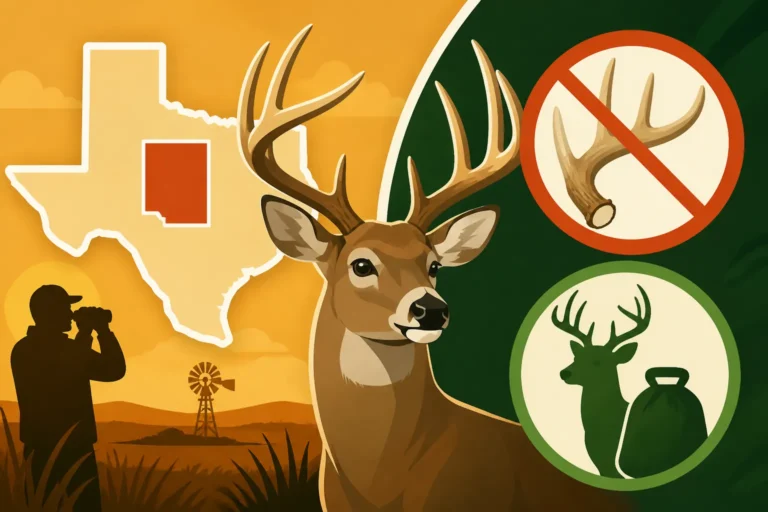
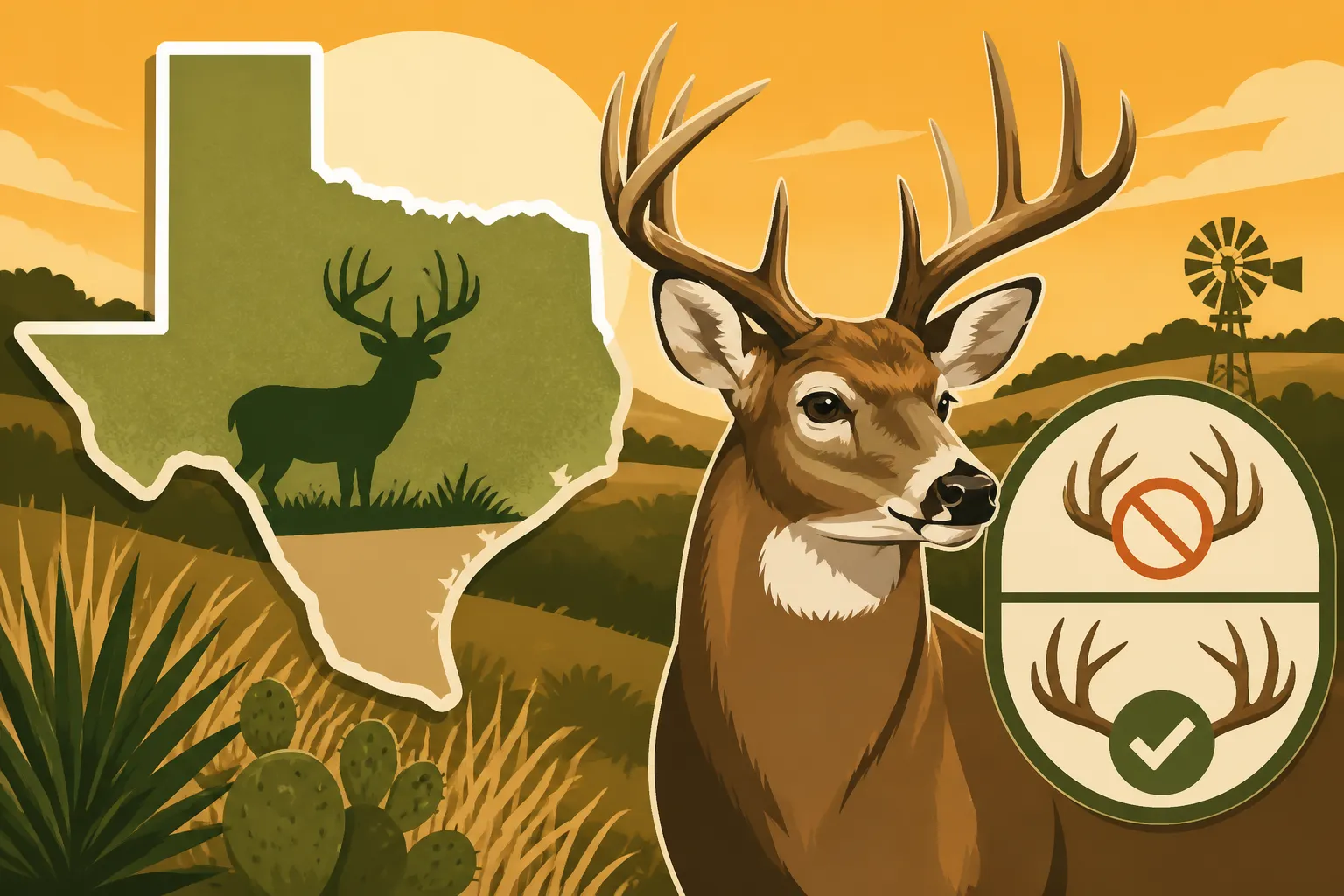
The straightforward answer to this burning question is no, Cottle County does not have the 13-inch antler restriction rule in effect for white-tailed deer. This is a significant piece of information for anyone planning to hunt in this Panhandle county. Unlike many counties in the Edwards Plateau or South Texas, hunters in Cottle County don't need to stress about field-judging an antler's inside spread to determine legality.
This doesn't mean it's a free-for-all, of course. It simply means that the criteria for a legal buck revert to the more general statewide definitions, which focus on having hardened antlers rather than specific measurements. This can be a huge relief for hunters who prefer a less complicated approach to buck harvest, allowing them to focus more on the hunt itself and herd management goals as determined by the landowner or lease manager.
Legal Buck Definition in Cottle County
Since the 13-inch antler restriction does not apply in Cottle County, the definition of a legal buck aligns with the general statewide regulations for counties without special restrictions. For Cottle County, a "legal buck" is generally defined as any buck deer with a hardened antler protruding through the skin. This means that if it's got antlers and it's a buck, it's considered an antlered deer for your bag limit. You don't have to worry about the number of points on a side, or if the main beams spread 13 inches.
This simplified approach in Cottle County allows for a broader range of harvest decisions, empowering hunters and landowners to manage their specific deer populations without the added complexity of a minimum spread. This can be particularly beneficial for properties focusing on culling specific deer or those aiming for general population control rather than strict trophy management through antler regulations.
Deer Bag Limits in Cottle County
Understanding bag limits is just as important as knowing antler restrictions. These limits ensure sustainable deer populations and fair hunting opportunities for everyone. Cottle County, being in the North Zone, has specific limits for both antlered and antlerless deer.
Antlered Deer Bag Limit
For white-tailed deer in Cottle County, the annual bag limit is 4 deer, no more than 2 of which may be antlered bucks. This is a standard limit for many counties in the North Zone. What this means in practice is that over the course of the general deer season, you can legally harvest two antlered bucks, and up to two antlerless deer, for a total of four deer.
It's crucial to tag each buck immediately after harvest, using the appropriate tags from your hunting license. Remember, this limit is for the annual season, not per hunt. Keeping track of your harvests is paramount. You can learn more about general statewide deer regulations in the White-Tailed Deer Hunting in Texas: Complete Guide.
Antlerless Deer (Doe) Bag Limit and Permits
When it comes to antlerless deer, Cottle County's regulations follow the North Zone guidelines. The general bag limit allows for 2 antlerless deer. However, there’s a critical caveat: these antlerless deer can generally only be taken during specific periods, typically the first two weeks of the general open season. After those initial weeks, harvesting antlerless deer usually requires an Antlerless Deer Permit (ADP) issued by a landowner, or you must be hunting under a Managed Lands Deer Program (MLDP) tag.
On private land, many landowners choose to participate in MLDP to gain more flexibility in their harvest strategies, which often includes issuing MLDP tags for antlerless deer throughout the season. This allows for tailored population management based on specific ranch goals and deer surveys. If you’re hunting on a lease, always confirm with the landowner or lease manager whether ADPs are required or if MLDP tags are in use. These permits and specific dates are vital to avoid unintended violations. Understanding What Is the Doe Limit in Texas and MLDP Tags in Texas: How They Work will provide additional useful context.
Here's a quick summary of Cottle County's white-tailed deer regulations:
| Regulation Type | Cottle County Details |
|---|---|
| Antler Restriction (13-inch rule) | Does NOT apply. Any buck with a hardened antler is legal (within bag limits). |
| Antlered Deer Bag Limit | 2 antlered bucks per annual season. |
| Antlerless Deer Bag Limit | 2 antlerless deer per annual season. |
| Antlerless Deer Harvest Period | Generally, first two weeks of general season. Requires Antlerless Deer Permit (ADP) or MLDP tags for later harvest. |
| General Season Zone | North Zone |
Why These Regulations Matter for Hunters
Understanding and respecting hunting regulations is more than just about avoiding a ticket; it's about being a responsible steward of Texas's natural resources and contributing to a healthy hunting tradition.
Ethical Hunting and Conservation
Regulations like bag limits and even antler restrictions (where they apply) are put in place for scientific reasons based on wildlife management principles. They help ensure that deer populations remain healthy, balanced, and sustainable for generations to come. By adhering to these rules, you're not just following the law; you're actively participating in conservation efforts. When hunters make ethical choices, they contribute to a positive image of hunting and help secure its future. The Texas Deer Season 2026-2027: Dates by Zone provides a broader context for how these regulations fit into the larger conservation calendar.
Avoiding Legal Headaches
Let’s be honest, nobody wants to deal with a game warden for an avoidable violation. The penalties for breaking hunting regulations can range from hefty fines to the loss of your hunting license, and even confiscation of your game and equipment. These consequences can be severe and completely derail what should be an enjoyable experience. Always double-check the current rules for the specific season and county you’re hunting in, especially before you head out. The TPWD Outdoor Annual is your best friend in this regard; think of it as your hunting bible. Learning How to Read the Texas Outdoor Annual effectively is a skill every hunter should master.
General Season Dates and Other Species in Cottle County
While deer hunting is a major draw, Cottle County, like much of Texas, offers a variety of other hunting opportunities, each with its own set of rules and seasons.
Deer Season Overview
As part of the North Zone, Cottle County's general white-tailed deer season typically runs from early November through the first week of January. Archery season usually precedes the general season by a month, offering bowhunters an earlier opportunity. These dates are fairly consistent year-to-year, but again, always consult the official TPWD calendar for the exact dates for Texas Hunting Seasons: Complete Calendar by Species. Knowing the season dates means you can properly plan your hunting trips and make the most of your time in the field.
Other Hunting Opportunities
Beyond deer, Cottle County is home to several other game species that offer fantastic hunting experiences. Feral hogs are abundant and can be hunted year-round with no bag limit, often providing an exciting challenge and a great source of wild game meat. Feral Hog Hunting in Texas: Year-Round Guide has more information on these opportunistic animals. Bird hunters might find good prospects for dove and quail. The Dove Hunting in Texas: The Sept 1 Opener Guide is essential reading for bird hunters, and Quail Hunting in Texas: Bobwhite & Blue highlights the challenges and rewards of pursuing these upland birds. Predator hunting, especially for coyotes, is also popular and usually open year-round. Each of these species will have its own specific regulations regarding seasons, bag limits, and legal hunting methods, so be sure to review those sections of the Outdoor Annual as well.
Disclaimer
The information provided in this guide is for general informational purposes only and is based on publicly available data from the Texas Parks and Wildlife Department. Hunting regulations can change without notice, and specific local conditions or property rules may apply. Always consult the most current official Texas Parks and Wildlife Department Outdoor Annual or contact TPWD directly before participating in any hunting activities to ensure compliance with all applicable laws and regulations.