Feral Hog Hunting in Texas: Year-Round Guide
If you've spent any time on a Texas deer lease, you've undoubtedly encountered them: feral hogs. These incredibly prolific and destructive animals are a constant headache for landowners, farmers, and even other wildlife, tearing up fields, damaging valuable habitat, and competing for food sources. They can seem like an unstoppable force, leaving a trail of destruction in their wake that feels impossible to manage. This comprehensive guide is here to equip you with everything you need to know about hunting feral hogs in Texas, offering strategies and insights to help you tackle this year-round challenge.
Understanding the Feral Hog Problem in Texas
Before we dive into the nitty-gritty of hunting them, it's crucial to understand just what makes feral hogs such a pervasive issue across the Lone Star State. These aren't just a nuisance; they're an ecological and agricultural catastrophe in many areas, and their numbers only seem to be growing.
The Destructive Impact of Feral Hogs
The sheer scale of damage caused by feral hogs is staggering. Imagine driving by a perfectly manicured hay field one day, only to return a week later and find it looking like a rototiller went wild, with massive swaths of earth churned up, roots exposed, and crops destroyed. That's a common sight in areas heavily impacted by hogs. They root extensively, digging for tubers, roots, and invertebrates, which can decimate agricultural fields, timber operations, and sensitive natural habitats like wetlands and riparian areas. This rooting also contributes to soil erosion, especially after a good rain, further exacerbating environmental damage.
Beyond direct habitat destruction, their presence significantly impacts native wildlife. Feral hogs are opportunistic omnivores, meaning they'll eat just about anything. This includes ground-nesting bird eggs, fawns, and even small livestock, acting as direct predators. They also compete fiercely with native species, such as white-tailed deer and turkey, for critical food resources like acorns, forbs, and supplemental feed meant for desired game animals. This competition can negatively affect the health and population dynamics of other species, turning a prime hunting spot into a hog haven with fewer deer or turkeys.
Why Feral Hogs Are So Prevalent
The reasons behind the explosion of the feral hog population in Texas are multi-faceted. First, their reproductive rate is nothing short of astounding. Sows can begin breeding as young as six months old, producing litters of four to twelve piglets two or even three times a year. Do the math on that, and you quickly realize how exponential their growth can be if left unchecked. A single sow can theoretically contribute to dozens of new hogs on the landscape in a single year, making population control an incredibly difficult uphill battle.
Second, feral hogs are highly adaptable creatures. They can thrive in almost any environment Texas throws at them, from the dense brush country of South Texas to the piney woods of East Texas, the rugged Hill Country, and even the drier Trans-Pecos regions. They're intelligent, learn quickly, and are incredibly wary once they've had a negative encounter with humans. Their ability to adapt their diet, habitat, and even their activity patterns to avoid predators (including hunters) makes them incredibly resilient. Plus, Texas's mild winters, compared to many northern states, mean less natural mortality from harsh weather, allowing more piglets to survive and grow.
The Unique Status of Hogs in Texas Law
One of the most defining characteristics of feral hogs in Texas is their legal status. Unlike deer, turkey, or even squirrels, feral hogs are not considered game animals by the state. Instead, they are classified as an exotic, non-game species. This might seem like a semantic detail, but it has profound implications for how they can be hunted and managed. Because they're considered exotic livestock and a destructive nuisance, there is no closed season for hunting feral hogs in Texas, and there are no bag limits. You can hunt them 365 days a year, day or night, with almost any legal means or method, as long as you have the landowner's permission.
This unique designation is why you'll often hear about extreme methods like helicopter hunting or night hunting with thermal optics being widely used. The goal isn't just sport; it's control. Landowners are actively encouraged to remove as many hogs as possible to mitigate their damage, and hunters often play a crucial role in this ongoing effort. It's a testament to the severity of the problem that regulations are so relaxed for this one particular animal.
Legalities and Regulations for Hog Hunting in Texas
Texas takes a very aggressive stance on feral hog control, and that's reflected in the hunting regulations – or lack thereof – for these animals. Understanding these rules is vital before you head out to the field.
The "No Season, No Limit" Rule
This is the golden rule of feral hog hunting in Texas: there is no closed season and no bag limit. This means you can hunt feral hogs every single day of the year, at any time of day or night, provided you have legal access to the land. This differs drastically from regulated game animals like white-tailed deer, which have strict open and closed seasons, specific bag limits by county, and designated legal shooting hours. The flexibility in hog hunting is a direct response to their destructive nature and rapid proliferation. Landowners and hunters alike are encouraged to eliminate them whenever possible.
However, a crucial point to remember is that while there are no state-mandated seasons or limits, private landowners can (and often do) set their own restrictions on their property. Some landowners might only allow hunting during specific times to avoid disturbing deer, or they might limit the number of hogs taken to manage pressure. Always confirm the landowner's specific rules before hunting. On public lands, specific WMA (Wildlife Management Area) rules will apply, which can be more restrictive.
Licensing Requirements for Residents and Non-Residents
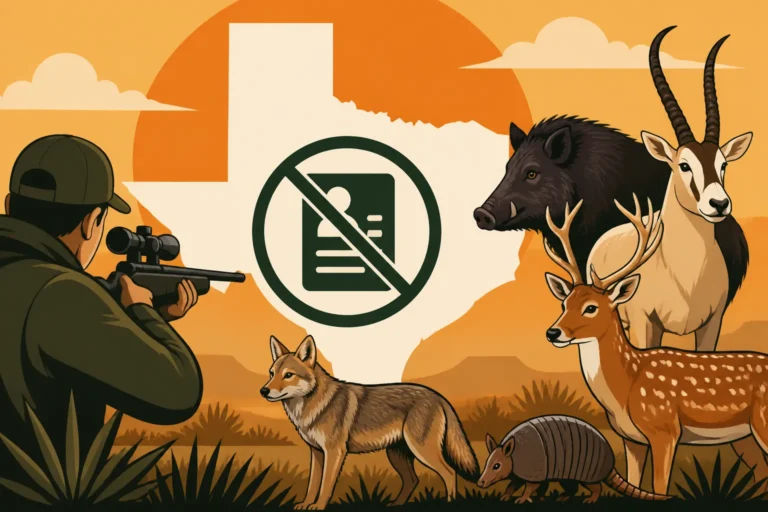
While the "no season, no limit" rule grants incredible flexibility for when and how many hogs you can take, it's a common misconception that you don't need a hunting license at all. This is where things get a little tricky, and it's essential to be clear. If you are a resident of Texas and are hunting feral hogs on private land, you do not need a hunting license. This exemption is explicitly outlined in the Texas Parks and Wildlife Department (TPWD) regulations to encourage landowners and their agents to control hog populations.
However, if you are a non-resident of Texas, or if you are hunting on public land (like a WMA or National Forest), you do need a valid Texas hunting license. For non-residents, this typically means purchasing a Non-Resident General Hunting License or a Non-Resident Special Five-Day Small Game Hunting License if it covers hogs. Even if you're a Texas resident and don't need a license on private land, many choose to purchase a Super Combo license anyway, as it covers most other hunting and fishing activities, making it simpler. Always double-check the current regulations in the Texas Outdoor Annual, as rules can occasionally be updated. For detailed information on what license you might need, check out the guide on Texas Hunting License: Cost, Types & How to Buy (2026).
Hunting Hogs on Public vs. Private Land
The legalities and practicalities of hog hunting change significantly depending on whether you're on public or private land. The vast majority of Texas land is privately owned, and this is where most hog hunting takes place. On private land, with the landowner's permission, you have the greatest flexibility regarding methods, times, and volume of take. Many leases across the state offer prime hog hunting opportunities, often as a bonus to deer or turkey hunting. These are usually year-long commitments, but some outfitters also offer dedicated Day Hunts in Texas: What They Cost specifically for hogs.
Public land, while available, presents more restrictions and often requires more scouting and effort. Texas has a number of Wildlife Management Areas (WMAs) and National Forests where hog hunting is permitted. However, on these lands, you'll need an Annual Public Hunting Permit (APH) in addition to your regular hunting license (unless otherwise specified). WMAs often have specific hunting periods, designated methods, and sometimes even check-in/check-out procedures. It's crucial to consult the WMA's specific regulations and maps before planning a hunt, as rules can vary greatly from one area to another. For example, some WMAs might prohibit night hunting or the use of certain firearms. Always be sure to check the specific county regulations as well, as some counties might have local ordinances that could affect hunting practices.
Essential Gear for Effective Hog Hunting
Successful hog hunting, especially given their intelligence and adaptability, often comes down to having the right tools for the job. From reliable firearms to advanced night vision, your gear can make a significant difference in your ability to locate, engage, and harvest these elusive animals.
Firearms and Ammunition Choices
When it comes to putting down a feral hog, you need a firearm that delivers sufficient stopping power. Hogs, particularly mature boars, are incredibly tough animals with thick hide, dense bone structure (especially a "shield" over their shoulders), and a tenacious will to survive. While many calibers can be effective with proper shot placement, you want something that can reliably anchor a hog, reducing the chance of a wounded animal escaping.
Common choices for rifles include calibers like .308 Winchester, 6.5 Creedmoor, .270 Winchester, and .30-06 Springfield. Even the ubiquitous .223/5.56 NATO can be effective with heavier, bonded bullets, though some hunters prefer something with more kinetic energy for larger hogs. Bullet construction is as important as caliber; look for good quality, controlled-expansion bullets that will penetrate deeply and hold together, rather than fragmenting on impact with that tough hide. For close-range encounters, especially in thick brush or when hunting with dogs, shotguns loaded with slugs or buckshot can be devastatingly effective. Handguns, such as .357 Magnum, .44 Magnum, or 10mm Auto, can also be used, primarily as a backup or for very close-quarters finishing shots. For those who enjoy a challenge, Bowhunting Hogs in Texas: Tips offers an exciting, albeit more difficult, approach.
Optics: Day vs. Night Hunting
This is arguably where modern hog hunting has seen the biggest revolution. Hogs are largely nocturnal, especially in areas with high hunting pressure or during the scorching Texas summers. This makes night hunting incredibly effective, but it absolutely requires specialized optics.
For daytime hunting, a good quality rifle scope with appropriate magnification (e.g., 3-9x, 4-12x) is essential. You'll want clear glass, reliable turrets, and a durable construction to withstand the rigors of the field. A pair of binoculars (10×42 or 10×50) and a rangefinder are also crucial for spotting hogs from a distance and making ethical shots.
However, the real game-changer for hog hunting is thermal and night vision technology.
- Thermal Scopes: These devices detect heat signatures, allowing you to see hogs (and other warm-blooded animals) clearly in complete darkness, fog, or even light brush that would obscure them from traditional optics. Brands like Pulsar and AGM offer popular models. For more on this, check out Best Thermal Scopes for Hog Hunting in Texas.
- Night Vision Scopes: Night vision intensifies ambient light (even starlight), presenting an image in green or black and white. While effective, they are generally less adept at cutting through brush or fog than thermal and require some ambient light.
- Thermal Monoculars: These are fantastic for scanning the landscape and spotting hogs before you bring your rifle up. They don't replace a scope but significantly enhance your ability to locate animals quickly and quietly.
Choosing between thermal and night vision often comes down to budget and specific hunting scenarios, but thermal generally reigns supreme for hog detection. Knowing How to Hunt Hogs at Night With Thermal can drastically increase your success rates.
Other Must-Have Gear: Lights, Traps, and Calls
Beyond firearms and optics, a few other pieces of gear can greatly improve your hog hunting experience.
- Lights: For night hunting without thermal, a good quality red or green LED hog light mounted on your feeder or tripod stand can be invaluable. Hogs are generally less spooked by these colors than by white light. A powerful spotlight or headlamp is also necessary for tracking, recovering, and field dressing after the shot.
- Traps: When dealing with large populations or particularly elusive sounders, trapping is often the most efficient and effective method of control. Modern hog traps, like those from Jager Pro or Hog Zilla, are sophisticated systems designed to capture entire sounders at once. This involves pre-baiting, using cellular cameras to monitor activity, and then setting the trap remotely when the entire group is inside. Learning about Hog Trapping in Texas: Methods That Work can be a game-changer for large-scale control efforts.
- Calls: While not as universally effective as deer calls, some hog calls can be used. These primarily include distress calls (piglet in distress) to draw in protective sows or grunts to simulate other hogs. They can be situationally effective, especially when trying to stop a moving hog for a shot.
- Coolers and Processing Gear: Given Texas's often warm climate, having good coolers, like those from Yeti or RTIC, and basic field dressing tools (sharp knives, gloves) is critical for preserving your harvest. Hogs spoil quickly in the heat, so knowing How to Cool a Deer Fast in Texas Heat applies equally, if not more, to hogs.
- Scent Control: Hogs have an incredible sense of smell. Using scent-eliminating sprays or wearing scent-reducing clothing, especially for close-range still hunting or stalking, can make a difference.
Popular Methods for Hunting Feral Hogs
Texas hog hunters employ a variety of tactics to deal with these cunning creatures. The "best" method often depends on the terrain, the specific hog behavior in the area, and the hunter's preferences and resources.
Stand Hunting Over Feeders and Bait
This is a classic and highly effective method for hunting hogs, particularly in areas where supplemental feeding for deer is common. Hogs are drawn to easy food sources, and corn, protein pellets, or other baits dispensed from feeders are irresistible to them. Hunters will typically set up a ground blind, tripod stand, or box blind within shooting distance of a feeder. The key is consistency: having the feeder dispense corn at regular times, usually in the evening or early morning, will condition hogs to visit that location.
Many hunters use cellular trail cameras, like the Moultrie Edge or Tactacam Reveal, to monitor feeder activity, giving them real-time alerts when hogs show up. This allows for targeted hunting, minimizing time spent in the stand when no hogs are present. When hunting over feeders at night, a dim red or green light can be used to illuminate the area for a shot, as discussed in Best Setup for Hunting Hogs Over a Feeder. This method is especially popular for recreational hunters who enjoy the comfort and predictability of a blind.
Spot-and-Stalk and Stalk Hunting
For those who prefer a more active and challenging hunting experience, spot-and-stalk or pure stalk hunting can be incredibly rewarding. This method involves actively moving through the landscape, using binoculars or thermal optics to locate hogs, and then carefully planning an approach to get within shooting range. It requires excellent woodsmanship, patience, and the ability to move silently through often dense cover.
Spot-and-stalk is particularly effective in more open country, like agricultural fields or pastureland, where hogs can be spotted from a distance, allowing the hunter to analyze their movement and plan a strategic approach. In thick brush, "still hunting" (moving very slowly, stopping frequently to scan and listen) or tracking fresh sign can lead to close-quarters encounters. This method demands superior scent control, careful attention to wind direction, and a deep understanding of hog behavior. Learning how to properly Spot-and-Stalk Hunting in Texas (Exotics & Mule Deer) can certainly cross over to hog hunting, especially in more open terrain.
Trapping: The Most Effective Control Method
While not strictly "hunting" in the traditional sense, trapping is hands-down the most efficient and impactful way to remove large numbers of feral hogs, especially entire sounders (groups of hogs). This method acknowledges that hunting alone often can't keep pace with their reproductive rate. Modern hog traps are sophisticated affairs, often large, circular, or rectangular pens with remote-controlled gates.
The process typically involves:
- Pre-baiting: Leaving corn or other attractants in an open area for several days or weeks to habituate hogs to the location.
- Setting up the trap: Erecting the trap with the gate open and continuing to pre-bait inside the trap.
- Monitoring: Using cellular trail cameras to observe hog activity and ensure the entire sounder is consistently entering the trap.
- Activation: Once the entire sounder is inside, the hunter can remotely trigger the gate closure via a smartphone app.
This allows for the capture of multiple hogs at once, significantly reducing the local population. It requires an investment in equipment and consistent monitoring, but the results for mitigating damage are often unparalleled. Companies like Jager Pro specialize in integrated trapping systems that make this process highly effective.
Hunting Hogs with Dogs
Hunting hogs with dogs is a traditional and adrenaline-fueled method popular in many parts of Texas, particularly the brush country where hogs can be tough to track and corner. This isn't just sending a dog out to fetch a hog; it involves specialized breeds and training, often with multiple dogs working together.
Typically, two types of dogs are used:
- Bay Dogs: These dogs locate the hogs and "bay" them (bark incessantly) at a distance, holding them in place until the hunter arrives. They maintain a safe distance, preventing the hog from escaping but also avoiding direct conflict.
- Catch Dogs: Once bayed, catch dogs are sent in to physically grab and hold the hog, typically by the ear or shoulder, allowing the hunter to dispatch the animal safely and humanely with a knife or handgun.
This method is incredibly exciting and effective in dense cover, but it requires highly trained dogs, experienced handlers, and careful attention to dog safety. It's also often a communal effort, with several hunters and their dogs working together.
Aerial and Helicopter Hog Hunting
For landowners facing truly overwhelming hog populations and extensive damage, aerial hunting from helicopters or fixed-wing aircraft is an extreme but incredibly effective measure. It allows for the rapid coverage of vast areas, identifying and eliminating hogs that might be inaccessible or invisible from the ground.
While it sounds like something out of an action movie, it's a legitimate and regulated method for controlling destructive hog populations. Shooters (usually with semi-automatic rifles and large magazines) operate from specially equipped aircraft. This method is costly and requires specialized permits and licensed operators. It is explicitly legal in Texas for feral hog control, and many outfitters offer this service. You can learn more about this specialized approach in articles such as Aerial & Helicopter Hog Hunting in Texas. This method is usually reserved for large ranches or landowners who have exhausted other control measures due to the sheer scale of their hog problem.
Strategies for Year-Round Hog Hunting Success
The year-round nature of hog hunting in Texas means that successful strategies often need to adapt to changing environmental conditions and hog behavior throughout the seasons. What works in a cool January morning might be entirely ineffective in a sweltering August afternoon.
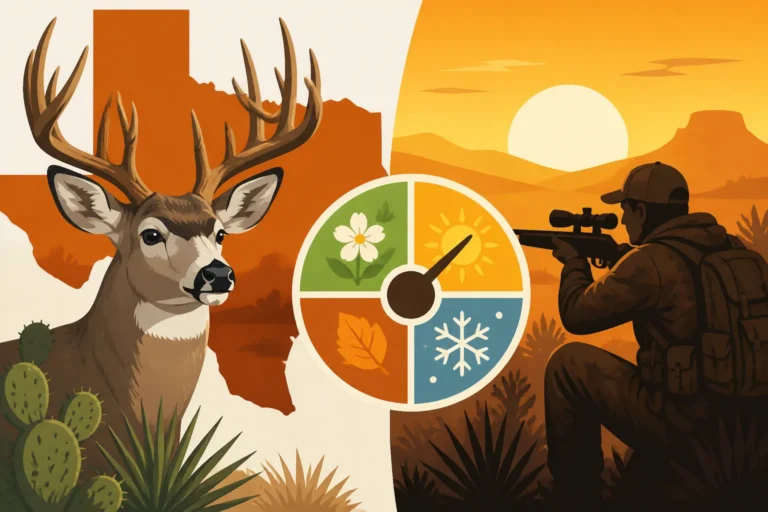
Adapting to Seasonal Changes
Hogs are tough, but they're not immune to the elements, particularly the intense Texas heat. Their activity patterns shift dramatically with the seasons, and understanding these changes is key to consistent success.
- Summer (Late May – Early September): This is when hogs become most nocturnal. During the scorching daylight hours, they'll seek dense, shady cover near water sources to wallow and cool off. Hunting during the day will mean focusing on these bedding areas, often through slow, deliberate still hunting, or setting up ambush points near water. However, the prime hunting time shifts to cooler hours: dawn, dusk, and especially throughout the night. Thermal and night vision optics become absolutely indispensable during the summer months. Feeders will also see heavy night activity.
- Fall (Late September – November): As temperatures begin to moderate, hogs may become more active during daylight hours, especially in the early mornings and late evenings. This also coincides with the deer hunting season, so hunters need to be mindful of disturbing deer movements. The acorn crop, if abundant, will be a major draw for hogs, pulling them away from feeders. Scouting for fresh rooting under oak trees becomes a priority.
- Winter (December – February): Cooler temperatures generally mean hogs are more active during the day. They'll spend more time foraging, and their need for warmth might make them more willing to move even in daylight. This can be an excellent time for spot-and-stalk hunting in open areas or focusing on fresh rooting in fields. Supplemental feed remains a strong attractant.
- Spring (March – Early May): With new green growth and continued moderate temperatures, hogs will be actively foraging. This is also a peak farrowing (birthing) season, so you might encounter sows with litters of piglets. Like fall, look for areas with new vegetation and protein sources.
Locating Hog Sign and Patterns
Hogs leave plenty of evidence of their presence, and learning to read these signs is fundamental to finding them. Becoming a skilled hog hunter often means becoming an expert tracker and observer.
- Rooting: This is the most obvious sign – churned-up earth where hogs have dug for food. Fresh rooting means hogs have been in the area recently.
- Wallows: Muddy depressions where hogs roll to cool off and coat themselves in mud (which helps with parasites and insect bites). These are almost always near water sources and heavy cover.
- Trails: Hogs use distinct trails, often "hog highways" through dense brush. Look for tracks, scat, and rubbed trees or fences along these pathways.
- Tracks: Hog tracks are cloven, similar to deer, but they tend to be rounder and the dewclaws (side toes) often register more clearly, especially in soft ground.
- Scat: Hog droppings vary widely depending on their diet but are typically irregular pellets or softer, tubular masses.
- Rubs: Hogs will rub against trees, fence posts, or rocks to scratch themselves and leave their scent. Look for mud and hair on these rub points.
- Feeding Areas: Beyond feeders, look for areas where hogs have been feasting on acorns, prickly pear, or other natural food sources.
Using trail cameras, even during the offseason for other species, can be incredibly helpful for patterning hogs. They reveal not only their presence but also their travel routes, preferred feeding times, and the size of the sounder. Placing cameras on game trails leading to feeders, water sources, or known bedding areas can yield invaluable information.
Best Times of Day for Hog Activity
While feral hogs can be opportunistic and move at any time, their activity generally peaks during certain periods, influenced heavily by temperature and hunting pressure.
- Night: As mentioned, hogs are predominantly nocturnal, especially during warmer months or in heavily hunted areas. From dusk until dawn is often the most productive time, particularly with thermal or night vision.
- Dawn and Dusk: These transitional periods, just after sunrise and just before sunset, are often mini-peaks in activity when temperatures are cooler and light levels are low. Hogs may move from bedding to feeding areas.
- Early Morning and Late Evening: During cooler parts of the year (fall, winter, early spring), hogs may extend their daytime activity into the early morning hours after dawn and the late evening hours before dusk.
- After Rain: Hogs love fresh mud and soft ground for rooting, so a recent rain can often spark increased activity, especially during the day when the ground is easier to work.
- Overcast Days: Similar to after rain, overcast or cooler, cloudy days in spring or fall can encourage hogs to move more freely during what would typically be daylight hours.
Planning your hunts around these peak activity times, and adjusting for the season, will significantly increase your chances of encountering hogs. A proactive scouting approach with trail cameras will confirm local patterns, as hog habits can vary from one property to another.
| Method | Pros | Cons | Ideal Scenario |
|---|---|---|---|
| Stand Hunting | Comfortable, predictable, good for families, effective over bait | Can be slow, limited to specific areas, hogs can pattern hunters | Regular hog activity over feeders/bait, night hunting with lights/thermal |
| Spot-and-Stalk | Active, challenging, covers more ground, rewarding for skilled hunters | Demands stealth & woodsmanship, physically taxing, tough in dense cover | Open fields, varied terrain, active hogs during cooler daylight hours |
| Trapping | Highly effective for population control, catches entire sounders, humane | Significant upfront cost, requires monitoring & commitment, not "hunting" | Large properties with high hog density, long-term control goals |
| Hunting with Dogs | Exciting, effective in thick brush, high success rate for individual hogs | Requires trained dogs & handlers, potential for dog injury, close quarters | Dense brush, rugged terrain, active pursuit, experienced handlers |
| Aerial Hunting | Rapid, covers vast areas, highly effective for large-scale eradication | Very expensive, requires specialized permits & operators, not DIY | Extensive land, severe hog damage, large populations, professional service |
Safety Considerations and Ethical Hunting Practices
Hunting feral hogs, while less regulated than game animals, still demands a strong commitment to safety and ethical conduct. Being a responsible hunter means prioritizing safety for yourself and others, and ensuring the humane treatment of animals.
General Hunting Safety
No matter what you're hunting, firearm safety is paramount. Always treat every firearm as if it's loaded, keep the muzzle pointed in a safe direction, keep your finger off the trigger until ready to shoot, and be sure of your target and what's beyond it. When hunting hogs, especially in groups or in thick cover, the risk of an accidental discharge or hitting a non-target increases. Communicate clearly with your hunting partners about positions and intended shots.
When hunting at night, especially with thermal or night vision, target identification is crucial. Make sure you positively identify your target as a hog and nothing else before taking a shot. It's easy to mistake other animals or even objects in low light or thermal imaging if you're not careful. Wearing reflective gear when walking to and from stands in the dark can also prevent accidents. Be aware of your surroundings; hogs, especially cornered boars, can be aggressive, and they have sharp tusks. Maintain a safe distance and be prepared for a quick follow-up shot if necessary.
Processing Hogs in Texas Heat
Texas can be incredibly hot, and this poses a significant challenge for game processing. Feral hog meat is delicious when handled properly, but it can spoil quickly if not cooled down rapidly. The moment a hog hits the ground, the clock starts ticking, especially if temperatures are in the 80s or 90s.
Immediately after a successful harvest, you need to field dress the hog. This involves removing the internal organs to allow the carcass to cool from the inside out. Get the guts out, open the chest cavity, and if possible, wipe out excess blood. Don't waste time getting the hog out of the field and into a cooler filled with ice. Skinning the hog as soon as possible will also help tremendously with cooling and heat dissipation. If you plan to process the meat yourself, have a clean workspace, sharp knives, and plenty of ice ready. If taking it to a professional processor, call ahead to ensure they are open and can receive your animal quickly. The guide on How to Field Dress a Deer in Hot Weather provides excellent principles that apply directly to hogs. Neglecting proper cooling not only wastes valuable meat but can also lead to food safety issues.
Respecting Landowners and Wildlife
Even though hogs are a nuisance species, maintaining respectful and ethical hunting practices is crucial for the future of hunting. For most hunters, access to land depends on positive relationships with landowners. Always follow the landowner's specific rules, leave gates as you found them, avoid damaging property, and clean up any trash. A little courtesy goes a long way in securing future hunting opportunities.
When hunting hogs on public land, remember that you are sharing the resource with other hunters, hikers, and wildlife observers. Be mindful of noise, travel respectfully, and always leave no trace. While hogs are destructive, they are still living creatures, and ethical hunters strive for humane kills. Aim for vital organs (heart, lungs, brain) for a quick, clean kill. Avoid wanton waste of meat if possible, and dispose of carcasses properly according to local regulations, especially concerning Chronic Wasting Disease (CWD) zones. The overall goal is control and mitigation, not just target practice, so approach each harvest with a sense of purpose and responsibility.
Finding Opportunities: Leases, Public Land, and Outfitters
Now that you're armed with knowledge about hog behavior, gear, and ethics, the next step is finding somewhere to hunt them. Texas offers a variety of avenues for hog hunting, each with its own advantages and considerations.
Hunting Leases and Day Hunts
Hunting leases are the backbone of Texas hunting, and many offer excellent opportunities for hog hunting, often as an added bonus to a deer or turkey lease. A traditional year-long lease provides consistent access to private land, allowing you to pattern hogs, set up feeders, and manage the population over time. Lease prices vary widely depending on location, amenities, and game density, but you can find more information in our comprehensive guide to Hunting Leases in Texas: Complete Guide (Cost & How to Find). Landowners often appreciate lease holders who actively help manage their hog problem.
For those without a year-long lease or who are looking for a more flexible option, many outfitters and landowners offer "day hunts" or guided hog hunts. These can range from a single morning or evening hunt to multi-day packages. Day hunts are particularly popular for hog hunting because of the year-round availability and the focus on removal. These operations typically have established feeder setups, comfortable blinds, and often offer night hunting with thermal equipment. Booking a day hunt is a great way to experience hog hunting without the long-term commitment of a lease, and it's a fantastic option for beginners to learn from experienced guides.
Public Hunting Lands for Hogs
While Texas is predominantly private land, there are public hunting opportunities available for hogs, primarily through the Texas Parks and Wildlife Department's (TPWD) Public Hunting Program. This program grants access to over a million acres of land across the state, including Wildlife Management Areas (WMAs) and other properties. To hunt on most of these public lands, you'll need an Annual Public Hunting (APH) Permit, in addition to your standard hunting license.
WMAs like Chaparral WMA in South Texas or Gus Engeling WMA in East Texas often have good hog populations. However, public land hunting typically requires more scouting, patience, and adaptability. These areas can experience higher hunting pressure, and regulations regarding specific hunting dates, methods (e.g., no night hunting on some WMAs), and check-in procedures are usually stricter than on private land. Always consult the specific WMA regulations in the Texas Outdoor Annual before planning your trip. While more challenging, public land hunting offers an affordable way to pursue hogs and experience different parts of the state.
Utilizing Hunting Outfitters
For those who want a guided experience, particularly if you're new to hog hunting, don't have access to private land, or want to try advanced methods like thermal night hunting or hunting with dogs, booking with a reputable hunting outfitter is an excellent choice. Texas has a thriving outfitting industry, with many operations specializing in hog hunts.
Outfitters often provide:
- Guiding: Experienced guides who know the land and hog patterns.
- Equipment: Access to blinds, feeders, and sometimes even specialized gear like thermal optics.
- Lodging and Meals: Many offer all-inclusive packages.
- Processing Assistance: Help with field dressing and initial cooling of your harvest.
When choosing an outfitter, do your research. Look for reviews, ask for references, and clarify what's included in the price. Discuss their success rates, their hunting methods, and their commitment to ethical hunting practices. An outfitter can greatly enhance your hog hunting experience, especially if you're aiming for a specific type of hunt or a guaranteed opportunity. Whether you're interested in Hog Hunting Methods in Texas: Thermal, Night & Trapping or simply getting started, an outfitter can provide valuable guidance.
Disclaimer
Please note that hunting regulations, seasons, and licensing requirements can change. Always consult the most current Texas Parks and Wildlife Department (TPWD) Outdoor Annual or their official website before any hunting activity to ensure you are in compliance with all state and local laws. This article is for informational purposes only and not a substitute for official legal guidance.