Exotic Hunting in Texas: Axis, Aoudad, Blackbuck & More
Hunting in Texas can sometimes feel like a puzzle, especially when you start looking beyond our beloved whitetail and hogs. Many folks get overwhelmed by the sheer variety of exotic species available and the unique rules that come with them, wondering if it's even worth the effort to chase something different. This comprehensive guide will walk you through everything you need to know about hunting exotic game in the Lone Star State, from understanding regulations to choosing the right species and planning your unforgettable adventure.
The Allure of Exotic Hunting in Texas: Why Hunters Are Drawn to Non-Natives
There's a special kind of thrill that comes with pursuing something a little different, something that pushes you out of your comfort zone as a hunter. For many, that's precisely what exotic hunting in Texas offers. While our native species like white-tailed deer and feral hogs provide fantastic hunting opportunities, the vast and varied landscape of Texas has become a haven for a multitude of non-native species, creating a hunting experience unlike almost anywhere else in the world. This isn't just about bagging a trophy; it's about embracing a new challenge, discovering different behaviors, and often, enjoying a hunting season that stretches far beyond traditional dates.
A Year-Round Season and Diverse Species Portfolio
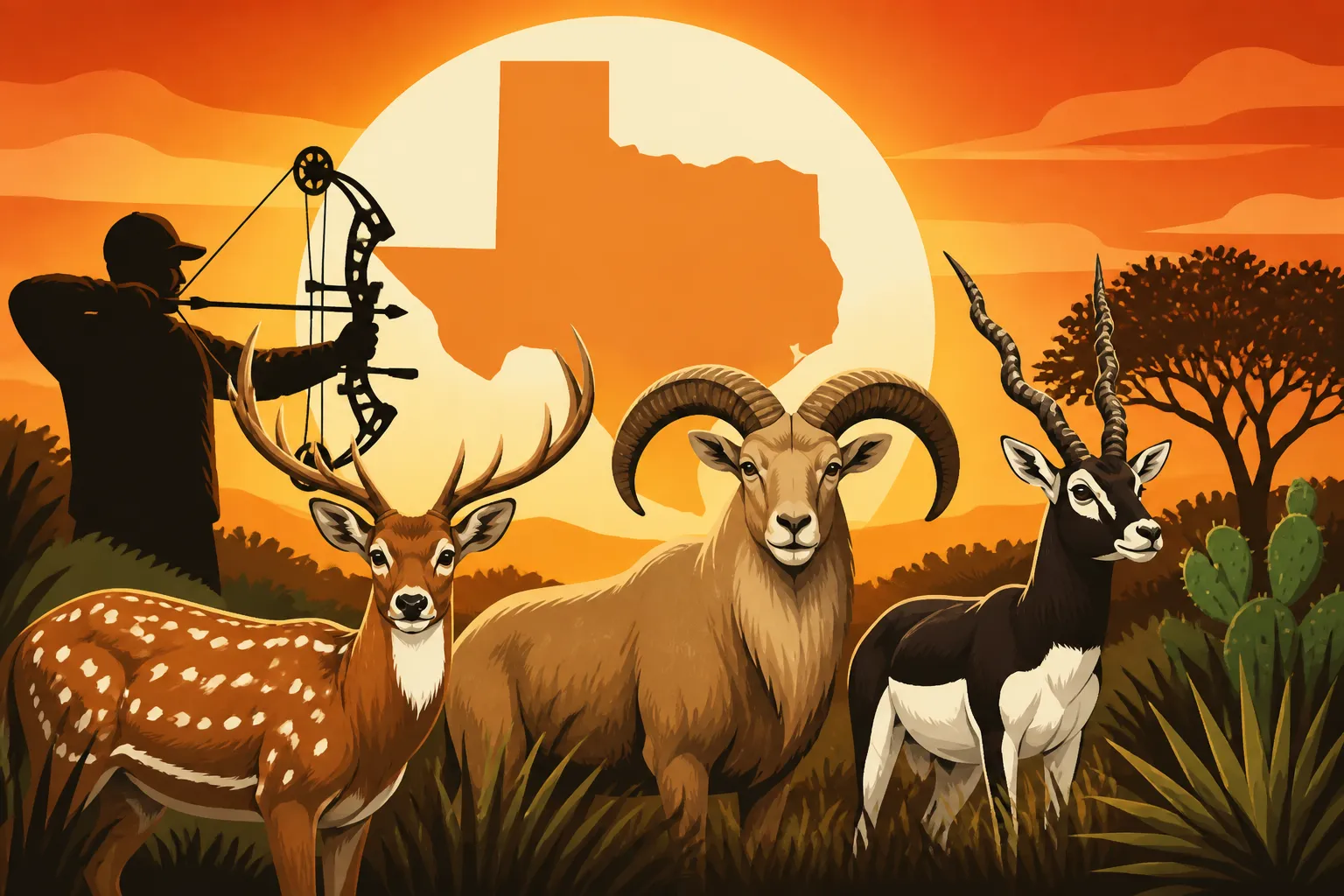
One of the biggest draws to exotic hunting in Texas is the sheer availability and flexibility it offers. Unlike native game, most exotic species don't have a closed season or strict bag limits imposed by the state, as they are considered private property once introduced onto a high-fenced ranch. This means you can often plan a hunt during times when native seasons are closed, providing year-round opportunities to get out into the field. Imagine chasing a majestic Axis deer in July or tracking an elusive Aoudad in February – the possibilities are truly expansive. Beyond just the extended seasons, the diversity of species is astounding. We're not just talking about a couple of options; Texas boasts huntable populations of species from every corner of the globe. You can find everything from African plains game like Blackbuck antelope and Nilgai, to European imports like Fallow deer and Red Stag, and even mountain dwellers such as Mouflon sheep. This incredible variety ensures that there's an exotic hunt to match any hunter's skill level, physical ability, and desired experience. It allows seasoned hunters to continuously seek new challenges, while also providing fantastic, often guaranteed, opportunities for beginners or those introducing youth to hunting.
The Thrill of a Unique Challenge
Let's be honest, we all love a good challenge, and exotics deliver on that front in spades. Each species brings its own unique set of instincts, behaviors, and physical attributes that demand different hunting strategies. An Axis deer, for instance, is famously wary and possesses incredible senses, often requiring a stealthy approach and patience that would test even the most experienced whitetail hunter. Then you have something like an Aoudad sheep, which thrives in rugged, mountainous terrain, demanding significant physical exertion and demanding expert Spot-and-Stalk Hunting in Texas (Exotics & Mule Deer) skills. The excitement of pursuing an animal that behaves differently from what you're accustomed to, learning its patterns, and adapting your tactics is incredibly rewarding. It expands your hunting repertoire, hones your skills, and provides stories that are truly unique. Plus, the sheer beauty of many exotic species, with their distinct horn structures, coat patterns, and impressive sizes, makes for a truly spectacular trophy, whether it's destined for the wall or simply cherished in memories. It's a chance to truly broaden your horizons as a hunter.
Economic Impact and Conservation Benefits
While the primary focus for hunters is often the experience itself, it's important to recognize the significant positive impact exotic hunting has on the Texas economy and conservation efforts. The exotic game industry in Texas is a multi-million dollar business, supporting countless jobs in rural areas, from ranch managers and hunting guides to meat processors, taxidermists, and local businesses that supply fuel, food, and lodging. Ranch owners invest heavily in land management, habitat improvement, and animal husbandry to maintain healthy, thriving populations of these exotics, which in turn benefits native wildlife sharing the same lands. Many exotic species, like the Scimitar-horned Oryx or the Addax, are actually endangered or extinct in their native habitats, and the thriving populations in Texas often represent the largest remaining genetic pools globally. Through hunting, these animals have a direct economic value, incentivizing landowners to protect and breed them, effectively serving as a vital conservation ark for species that might otherwise disappear. So, when you book an exotic hunt, you're not just enjoying a unique adventure; you're also contributing to the economic vitality of rural Texas and playing a part in global wildlife conservation.
Understanding Texas Exotic Hunting Regulations and Ethics
Navigating the rules for exotic hunting in Texas can sometimes feel a bit different from hunting native game, primarily because of how these non-native species are classified. It’s crucial to understand these distinctions to ensure you’re hunting legally and ethically. Unlike white-tailed deer or turkey, which are managed by the state, most exotic animals fall under a different set of guidelines, which largely impacts licensing, seasons, and overall management. This unique regulatory framework allows for much of the year-round hunting that makes Texas such a premier exotic hunting destination.
The "Non-Native" Distinction and License Requirements
The key to understanding exotic hunting regulations in Texas lies in their classification: most exotics are considered "private property" once they are legally introduced onto private land. This is a fundamental difference from native game, which are considered property of the state. Because of this distinction, species like Axis deer, Aoudad sheep, Blackbuck antelope, Fallow deer, and many others, typically do not have a closed season, bag limits, or specific weapon restrictions set by the Texas Parks and Wildlife Department (TPWD) if they are hunted within a privately owned, high-fenced enclosure. However, it's absolutely paramount that hunters still possess a valid Texas hunting license to hunt any exotic animal in the state, whether it's behind a high fence or free-ranging. This is a common misconception – just because there isn't a state season doesn't mean you can skip the license. Even if you're on a ranch where exotics roam freely within a large enclosure, you still need that general hunting license. For some very specific exotic species, particularly if you're hunting them on public land or under special circumstances, there might be additional permits or regulations, so always double-check the current Outdoor Annual. It's best practice to confirm with your outfitter or landowner exactly what licenses are required for your specific hunt. If you're wondering, "Do Exotics Require a Hunting License in Texas?", the answer is a resounding yes for almost all scenarios.
High-Fence vs. Free-Range: What You Need to Know
The debate between high-fence and free-range hunting is a common one, and it's particularly relevant in the context of exotic hunting in Texas. A "high-fence" hunt typically takes place on a ranch enclosed by a tall, specialized fence designed to contain animals. These ranches can range from a few hundred to tens of thousands of acres, offering diverse habitats that can still provide a very challenging hunt. The primary benefit here is the guarantee of encountering animals and often, higher success rates. This predictability can be very appealing, especially for those investing a significant amount of money or time, or for hunters introducing new people to the sport. It's also important to remember that many high-fence operations have been instrumental in establishing and growing exotic populations in Texas, and they often manage their herds very carefully for health and genetics.
On the other hand, "free-range" exotic hunting means pursuing animals that roam without the confinement of a high fence, effectively acting like wild game. While true free-range exotics are less common than native species, populations of Axis deer, Blackbuck, and even some Aoudad do exist without high fences in certain parts of Texas, particularly in the Hill Country and Trans-Pecos regions. These hunts are often significantly more challenging, mimicking the uncertainty and vastness of traditional big game hunting. Success rates can be lower, but the sense of accomplishment when harvesting a truly free-ranging exotic is immensely rewarding for many hunters. When booking an exotic hunt, always clarify whether you'll be hunting within a high-fence enclosure or truly free-range. Both offer fantastic experiences, but they cater to different expectations and hunting styles.
Ethical Considerations and Responsible Hunting Practices
Just because exotics often have fewer state-imposed regulations doesn't mean ethical considerations go out the window. Responsible hunting practices are paramount, regardless of the species. This means respecting the animal, ensuring a clean and quick kill, and adhering to fair chase principles as defined by the individual hunter and outfitter. For many, fair chase on an exotic hunt means actively pursuing an animal, stalking it, and making an ethical shot. It doesn't mean shooting an animal that is confined to a small pen or guaranteed at close range without effort.
Reputable outfitters and landowners understand the importance of ethical hunting and will manage their operations to ensure a challenging and respectful experience. They often implement their own management strategies, similar to those for native deer, to maintain healthy populations and ensure quality hunting. Always communicate your ethical expectations with your outfitter beforehand. Ask about their hunting practices, how they manage their herds, and what their definition of fair chase entails. Ultimately, the responsibility falls to the individual hunter to uphold the highest ethical standards. This includes proper Field Dressing & Processing Game in Texas Heat, respecting the land, and ensuring that your actions reflect positively on the hunting community as a whole. Remember, ethical hunting isn't just about legality; it's about the respect we show to the animals we pursue and the land they inhabit.
Popular Exotic Species You Can Hunt in Texas
Texas is truly a melting pot of exotic game, offering hunters a chance to pursue species that hail from continents far and wide. While the list of huntable exotics is extensive, a few species have risen to prominence due to their impressive trophies, challenging hunts, and thriving populations across the state. These animals offer distinct experiences, making them popular choices for both seasoned exotic hunters and those looking to try something new. Let's dive into some of the most sought-after exotics in Texas.
Axis Deer: The "Spotted Ghost" of the Texas Brush
The Axis deer, native to India, is arguably one of the most popular and widespread exotic species in Texas. Often called the "Chital" or "Spotted Deer," these animals are renowned for their stunning reddish-brown coats adorned with white spots, which they retain throughout their lives, making them incredibly beautiful trophies. Beyond their looks, Axis deer venison is widely considered to be some of the finest wild game meat available, celebrated for its lean texture and mild, delicious flavor, leading many to ask, "Is Axis Venison the Best Wild Game Meat?"
Hunting Axis deer presents a unique challenge. Unlike whitetail, Axis deer don't have a specific rut period; rather, bucks can be in hard antler and breed year-round, though a peak breeding season typically occurs in late spring and early summer in Texas. This means you can find a trophy buck almost any time of the year. They possess incredibly keen eyesight, hearing, and an uncanny ability to vanish into cover, earning them the nickname "spotted ghost." A successful Axis hunt often involves meticulous How to Hunt Axis Deer (Free-Range Tactics) and patient spot-and-stalk tactics, navigating dense brush in areas like the Texas Hill Country or South Texas. Their unique vocalizations, a loud bellow or roar during the rut, can also be used to locate and call in bucks, adding another layer of excitement to the hunt.
Aoudad Sheep: A Rugged Hunt in the Texas Mountains
For those seeking a truly physically demanding and rewarding hunt, the Aoudad sheep (also known as Barbary sheep) is an unparalleled choice. Originally from the mountains of North Africa, Aoudad have established robust free-ranging populations in the rugged Trans-Pecos region of West Texas, particularly around areas like the Black Gap Wildlife Management Area and Elephant Mountain WMA. Their shaggy mane and impressive backward-curving horns make for a magnificent trophy, but earning it requires grit and determination.
Hunting Aoudad is not for the faint of heart. These animals inhabit steep, rocky canyons and high desert plateaus, often at elevations that test even the fittest hunter. A typical Aoudad Sheep Hunting in Texas experience involves extensive hiking, glassing for hours with high-quality optics, and executing challenging long-range shots. The best way to approach these hunts is often through Spot-and-Stalk Aoudad in West Texas, utilizing the terrain to your advantage for cover while trying to close the distance. They are incredibly tough animals, and a well-placed shot is essential. The weather can also be a significant factor, with extreme temperature swings from cold mornings to scorching afternoons. Success in Aoudad hunting comes from preparation, perseverance, and a willingness to embrace the harsh beauty of the Texas mountains. The reward is not just a stunning trophy but the immense satisfaction of conquering a truly wild and challenging pursuit.
Blackbuck Antelope: Grace and Speed on the Plains
Hailing from the grasslands of India and Nepal, the Blackbuck antelope brings an element of exotic elegance and thrilling speed to the Texas hunting landscape. These striking animals are instantly recognizable by the mature males' spectacular spiraled horns, which can grow into impressive, tightly coiled corkscrews, and their dramatic black and white coats. Females and younger males are typically lighter brown. Blackbuck are predominantly found on ranches across the central and southern parts of Texas, preferring open to semi-open pastureland.
Hunting Blackbuck is an exercise in patience and precision, often requiring hunters to stalk across open terrain where cover is scarce. Their exceptional eyesight and lightning-fast speed mean they can spot a hunter from a considerable distance and quickly disappear over the horizon. Stalking a mature Blackbuck buck in a wide-open field, trying to get within shooting range without being detected, is an adrenaline-pumping experience. Much like Axis deer, Blackbuck can breed year-round, so trophy bucks are available throughout the year. The challenge often lies in getting close enough for an ethical shot, making good optics and a flat-shooting rifle essential. The trophy value of a well-matured Blackbuck, with its dark coat and perfectly spiraled horns, is undeniable, making it a highly coveted species for many exotic hunters.
Other Notable Exotics: Fallow, Sika, and Nilgai
Beyond the big three, Texas offers a treasure trove of other exciting exotic species, each with its own unique characteristics and hunting appeal.
-
Fallow Deer: Originating from Europe, Fallow deer are known for their broad, palmate antlers on mature bucks, resembling miniature moose racks. They come in a stunning array of color phases, including common (tan with white spots), menil (lighter tan with more pronounced spots), melanistic (dark brown to black), and albino. Fallow deer are typically found on high-fenced ranches across Texas and offer a beautiful trophy and delicious venison. The challenge often lies in distinguishing trophy-quality bucks from younger animals, particularly during the rut when they are more active.
-
Sika Deer: Another Asian import, Sika deer are smaller than whitetail but possess a distinctive call often described as a whistle or scream. Their antlers are typically compact, with brow tines and often a second and third point, but rarely more than eight points. Sika meat is highly prized. They are known for being extremely wary and elusive, often preferring dense cover, making Sika Deer Hunting in Texas a quiet and patient affair, much like pursuing a secretive whitetail.
-
Nilgai Antelope: These impressive "blue bull" antelope are the largest Asian antelope and have established significant free-ranging populations in the dense brush country of South Texas, particularly on the massive King Ranch and surrounding properties. Nilgai are incredibly tough, powerful animals, often weighing over 500 pounds. Their thick hides and sturdy build demand a powerful caliber and precise shot placement. Nilgai Hunting in South Texas is a truly adventurous experience, often involving tracking through thick thorn brush and dealing with the challenging heat of the region. They offer exceptional lean, red meat and a truly unique trophy.
This table provides a quick overview of some of the popular exotic species and their typical characteristics:
| Species | Origin | Typical Habitat | Key Challenge | Trophy Feature | Meat Quality |
|---|---|---|---|---|---|
| Axis Deer | India | Brush, open pastures | Keen senses, elusive | Spotted coat, long antlers | Excellent |
| Aoudad Sheep | North Africa | Rugged mountains, canyons | Physical exertion, tough | Shaggy mane, curved horns | Good |
| Blackbuck Antelope | India | Open grasslands | Exceptional eyesight, speed | Spiraled horns, black coat | Excellent |
| Fallow Deer | Europe | Woodlands, open fields | Palmate antlers, color phases | Broad antlers | Excellent |
| Sika Deer | East Asia | Dense cover, brush | Elusive, wary | Compact antlers, unique call | Excellent |
| Nilgai Antelope | India | South Texas dense brush | Tough hide, powerful | Blue-gray coat, short horns | Excellent |
Planning Your Texas Exotic Hunt: From Research to Harvest
Deciding to go on an exotic hunt in Texas is exciting, but transforming that excitement into a successful and memorable experience requires careful planning. It’s not just about picking a date; it’s about choosing the right environment, understanding what you’ll need, and budgeting for the adventure. A well-planned hunt can make all the difference, ensuring that you’re prepared for the unique challenges and rewards that exotic species present.
Choosing the Right Outfitter or Ranch
The vast majority of exotic hunting in Texas takes place on private ranches, making your choice of outfitter or ranch one of the most critical decisions you'll make. This isn't like finding public land; you're often booking a guided experience. Start by researching reputable outfitters known for the specific exotic species you're interested in. Online reviews, hunting forums, and personal recommendations are excellent resources. Look for outfitters with a proven track record, clear communication, and transparent pricing. Don't be shy about asking plenty of questions:
- What is the average size or quality of the trophies taken?
- What are the success rates for your chosen species?
- What hunting methods are used (e.g., spot-and-stalk, blind hunting, safari-style)?
- What does the hunt package include (lodging, meals, guide, field dressing, caping, game retrieval)?
- Are there any hidden costs or additional fees?
- What is their policy on wounded animals?
- Can they provide references from past hunters?
It's also important to understand the terrain and size of the ranch. A vast, rugged ranch will offer a more challenging, free-ranging feel, even if high-fenced, compared to a smaller property. If you're looking for Best Exotic Hunting Ranches in Texas, you'll find options ranging from luxurious lodges with gourmet meals to more rustic camps, each offering a different atmosphere. Match the outfitter's style and offerings to your personal preferences and budget. Some outfitters specialize in certain species or hunting styles, so picking one that aligns with your goals for the hunt will lead to a more satisfying experience.
Essential Gear for Exotic Hunts
While much of your standard deer hunting gear will translate well to exotic hunting, there are a few considerations specific to the types of hunts and animals you'll encounter in Texas.
- Optics: High-quality binoculars (10×42 or 12×50) are non-negotiable, especially for spot-and-stalk hunts for Aoudad or Blackbuck where you'll be glassing vast distances. A good rangefinder is also crucial for ethical shot placement on animals that might be unfamiliar distances. Your rifle scope should be reliable and appropriate for the ranges you expect to shoot.
- Rifle and Ammunition: For most exotics, a flat-shooting rifle in a common deer caliber (e.g., .270, .30-06, .308, 6.5 Creedmoor) is perfectly adequate. However, for larger, tougher animals like Nilgai or mature Red Stag, stepping up to a .300 Win Mag or similar heavy hitter is often recommended to ensure clean kills. Always use premium, controlled-expansion bullets.
- Footwear: Comfortable, broken-in hunting boots are critical, particularly for Aoudad or extensive spot-and-stalk hunts. Consider snake boots or snake gaiters, especially in brushy areas of South Texas, as venomous snakes are prevalent.
- Clothing: Texas weather is notoriously unpredictable. Layering is key. Even in winter, days can be warm, and evenings chilly. Early season hunts can be scorching, so lightweight, breathable camouflage is essential.
- Other Essentials: A quality hunting backpack, a sharp hunting knife, a headlamp, and a reliable cooler for transporting meat are all must-haves. If you're planning a multi-day hunt, pack enough water, snacks, and any personal medications you might need. Don't forget bug spray, especially for hunts during warmer months.
Understanding Costs and Packages
The cost of an exotic hunt in Texas can vary dramatically depending on the species, the quality of the trophy, the duration of the hunt, and the amenities provided by the outfitter. Generally, exotic hunts are priced either as a day rate plus a trophy fee, or as an all-inclusive package.
- Day Rates + Trophy Fees: Many outfitters structure their pricing this way. You pay a daily rate (which covers guide services, lodging, and meals) and then a separate trophy fee for the animal you harvest. Trophy fees vary widely by species and antler/horn size, with larger or more sought-after trophies commanding higher prices. For instance, How Much Does an Axis Deer Hunt Cost in Texas? might range from $2,500 to $4,500 for a trophy buck, while an How Much Does an Aoudad Hunt Cost in Texas? could be $3,500 to $6,000 or more, not including daily rates.
- All-Inclusive Packages: Some outfitters offer packages that include a set number of days, meals, lodging, guide, and one or more specific animals for a single price. These can be easier to budget for, but always confirm exactly what is covered and what might be an extra expense.
- Additional Costs: Always factor in your Texas hunting license, travel expenses, tips for guides and staff, meat processing, taxidermy, and any unexpected gear purchases. Some ranches might offer weapon rentals if you prefer not to travel with your own. If you're looking for Cheapest Exotic Hunts in Texas, you might find opportunities for management animals or younger trophies at a lower price point, or consider species like Corsican rams or goats which are generally less expensive than the big deer or sheep. Transparency is key here; a reputable outfitter will break down all potential costs upfront, leaving no surprises.
Hunting Methods and Tactics for Texas Exotics
Hunting exotic species in Texas, while often conducted on private ranches, still requires keen hunting skills and adaptable tactics. The methods employed largely depend on the specific species, the terrain, and the hunter's preference. Unlike hunting native game where seasons dictate when you hunt, the year-round nature of many exotic hunts means you might be adapting to different environmental conditions throughout the year. Understanding these varied approaches will help you choose a hunt that aligns with your desired experience and maximize your chances of success.
Spot-and-Stalk: The Art of the Approach
Spot-and-stalk is arguably the most challenging and rewarding method for hunting many exotic species, particularly in vast, open or rugged terrain. This tactic is especially effective for keen-sighted animals like Blackbuck antelope on open plains or the physically demanding pursuit of Aoudad sheep in the mountains of West Texas. It requires patience, exceptional glassing skills, and the ability to move silently and efficiently through the landscape.
The process usually begins by finding a good vantage point to "glass" large areas, using high-quality binoculars or a spotting scope to locate animals. Once a desired animal is spotted, the real work begins. You'll carefully analyze the terrain, wind direction, and animal behavior to plan your approach. This often involves using every bit of available cover – mesquite trees, cedar breaks, arroyos, or rock formations – to close the distance without being detected. The wind is always a critical factor; exotics have excellent senses of smell, and a shifting wind can quickly give away your position. A successful spot-and-stalk is a chess match between hunter and animal, where stealth, precision, and a deep understanding of the environment are key. It’s a truly immersive experience that fully engages your hunting instincts and can lead to an incredibly satisfying harvest when executed correctly.
Blind Hunting and Feeder Setups
For many hunters, particularly those with physical limitations or those who prefer a more static approach, hunting from a blind over a feeder is a very effective and comfortable method for exotics. This is a common tactic for species like Axis deer, Fallow deer, and Sika deer, especially on ranches that actively manage their game with supplemental feeding programs. Texas ranches are known for utilizing feeders, which often dispense corn or protein pellets at set times, attracting animals to a predictable location.
Blinds can range from simple pop-up ground blinds to elevated tower blinds or comfortable enclosed box blinds. The key is to have the blind strategically placed downwind from the feeder, offering a clear line of sight and shooting lanes. This method is particularly popular during warmer months when animals might be less active during the day, as they will still visit feeders, often during cooler morning and evening hours. It also allows hunters to spend more time observing animal behavior and enjoying the surroundings without the constant movement required for stalking. While it may seem less "active" than stalking, blind hunting demands patience, quiet discipline, and the ability to remain still for extended periods. It's an excellent option for a relaxed hunt, or for introducing new hunters to the sport, providing more controlled shot opportunities.
Bowhunting and Rifle Considerations
The choice between bowhunting and rifle hunting for exotics largely depends on the hunter's preference, skill level, and the specific animal and terrain. Both offer distinct challenges and rewards.
-
Rifle Hunting: Most exotic hunts are conducted with rifles due to the varying shot distances often encountered. For species like Aoudad in mountainous terrain or Blackbuck on open plains, shots can easily extend beyond 200 yards. A flat-shooting rifle in a common deer caliber (like a .308, .270, or 6.5 Creedmoor) is usually sufficient for most medium-sized exotics, but for larger, tougher animals like Nilgai or Red Stag, a more powerful magnum caliber (e.g., .300 Win Mag, 7mm Rem Mag) is often recommended. Regardless of caliber, using quality, controlled-expansion bullets is crucial for clean, ethical kills on these often hardy animals. Practice at various ranges is essential to ensure you're proficient with your rifle before heading into the field.
-
Bowhunting: For the dedicated archer, bowhunting exotics offers an intense, close-quarters challenge. It demands superior stealth, tracking abilities, and intimate knowledge of animal behavior to get within ethical bow range, which is typically under 40 yards. Bowhunting is often done from ground blinds or elevated stands near feeders or water sources. Species like Axis deer and Fallow deer are popular targets for bowhunters due to their consistent presence around managed feeding areas. However, successfully bowhunting a truly wild, free-ranging Aoudad or Nilgai is an accomplishment reserved for only the most skilled and determined archers. Always ensure your equipment is well-tuned, and you are confident in your shooting abilities at various distances under pressure. A great example of this challenge can be found when thinking about Bowhunting in Texas: Archery Season Guide, though for exotics, this isn't restricted to specific archery seasons.
Processing and Trophy Care for Exotic Game
After a successful hunt, the work isn't over. Proper field dressing, processing, and trophy care are critical steps that ensure you get the most out of your harvest, whether it's delicious meat for the table or a magnificent mount for your wall. Texas weather, particularly the heat, adds an extra layer of urgency and challenge to these tasks. Being prepared and knowing the right procedures will preserve the quality of your game.
Field Dressing in Texas Heat
Texas heat can be brutal, and it's a significant factor when field dressing any animal, especially exotics. The goal is to cool the carcass as quickly as possible to prevent meat spoilage. This means getting to work immediately after the animal is down.
- Safety First: Always ensure the animal is expired and safe to approach.
- Gloves: Wear latex or nitrile gloves to protect yourself from potential bacteria and to keep the meat cleaner.
- Positioning: Position the animal on its back, propped up if possible, to allow for easier access.
- Opening the Cavity: Make an incision from the sternum down to the pelvis, being careful not to puncture the intestines. Cut around the anus and separate the rectum from the pelvic canal.
- Evisceration: Systematically remove all internal organs. This includes cutting the diaphragm to access the chest cavity and removing the heart and lungs. If you plan to save the liver, stomach, or heart, set them aside carefully.
- Cooling: Once the cavity is empty, the priority is cooling. If possible, rinse the cavity with clean water (if available and not contaminating the meat) and wipe it dry. Prop the cavity open to allow air circulation. In hot weather, you might even consider filling the cavity with bags of ice if you have a long drive ahead or can't get it to a cooler or processor quickly. Consider checking out How to Cool a Deer Fast in Texas Heat for more detailed strategies applicable to exotics.
- Transportation: Get the animal to a cooler, walk-in refrigerator, or processor as quickly as you can. Many outfitters have facilities on-site or nearby to help with this.
Preparing for Taxidermy and Meat Processing
Once the field dressing is complete, the next steps involve preparing the animal for either the taxidermist or the meat processor, or both. Communicating your intentions clearly with your outfitter and any hired professionals is crucial.
-
For Taxidermy (Trophy Care): If you plan to get a full shoulder mount, your outfitter or guide will typically perform a "cape" cut. This involves making specific incisions to ensure enough hide is left for the taxidermist. It includes skinning down the neck, making cuts behind the front legs, and around the brisket. If you're unsure, let your guide handle this; they are usually very experienced. For horn-only mounts (especially for species like Blackbuck or Aoudad), a "skull plate" cut is sufficient, taking only the top portion of the skull with the horns attached. Ensure the cape or skull plate is kept cool and clean. Many taxidermists offer freezing services, or you can double-bag it and freeze it yourself until you can deliver it. It’s a good idea to research and select a taxidermist before your hunt, so you know their requirements and can drop off your trophy promptly.
-
For Meat Processing: Most hunters will take their game to a professional meat processor. These facilities are well-equipped to skin, cut, wrap, and often sausage-make your harvest. Before you arrive, have a clear idea of how you want your meat processed (steaks, roasts, ground meat, jerky, sausage types). This ensures you get exactly what you want and helps the processor work efficiently. Ask your outfitter for recommendations on local processors. They'll often have partnerships with trusted shops. If you're processing yourself, ensure you have a clean, cool space and the proper tools. Remember, properly handled game meat is some of the most organic and delicious protein you can put on your table. Many hunters feel that the meat from exotics like Axis deer is superior to even native whitetail, so don't let it go to waste!
The Future of Exotic Hunting in Texas
Exotic hunting in Texas isn't just a fleeting trend; it's a well-established and thriving industry that continues to evolve. The unique blend of private land management, diverse species, and year-round hunting opportunities has cemented Texas's reputation as a global hotspot for pursuing non-native game. As the landscape of hunting changes, so too does the approach to managing and offering these unique opportunities, ensuring a sustainable future for both the animals and the hunters who pursue them.
Managing Populations and Habitat
The success of exotic game in Texas is largely a testament to the dedication of private landowners and wildlife managers. Unlike native species, which are primarily regulated by the state, exotic populations thrive because ranchers actively manage their herds and habitats. This often involves significant investment in supplemental feeding, water sources, and brush management to create ideal conditions for the animals. Regular surveys are conducted to monitor population numbers, age structures, and genetic health, allowing for informed harvest decisions.
For many ranches, a balanced approach is key: maintaining healthy populations not only ensures good hunting opportunities but also helps preserve the ecological balance on their property. This often includes implementing rotational grazing, creating food plots, and controlling invasive species. Furthermore, with several exotic species being endangered in their native countries, Texas ranches often play a crucial role as breeding grounds, effectively serving as an insurance policy against global extinction. The continuous effort in population and habitat management is vital for the long-term sustainability of exotic hunting and the health of these unique animal populations across the state.
Accessibility and Opportunities for Hunters
One of the most appealing aspects of exotic hunting in Texas is its accessibility. While some hunts can be quite expensive, there are often opportunities across a range of budgets, making it possible for many hunters to experience it. The year-round nature means hunters aren't confined to specific seasons, making scheduling much more flexible. This flexibility is a huge boon for busy individuals or families trying to plan a hunting trip.
Moreover, the variety of species and hunting methods means there’s an exotic hunt for almost everyone. Whether you're a seasoned bowhunter looking for a new challenge, a rifle hunter seeking a unique trophy, or a family wanting a memorable, high-success-rate outing, Texas has something to offer. Many ranches are also adapting to new technologies, offering thermal hunts for specific exotics or leveraging advanced game cameras to pattern animals. As the interest in exotic hunting grows, outfitters continue to innovate, providing new types of experiences and broadening the appeal. This ensures that Texas remains a premier destination for those looking to expand their hunting horizons and create lasting memories in pursuit of these fascinating non-native species.
Disclaimer
Please remember that hunting regulations, seasons, and licensing requirements can change. While we strive to provide the most accurate and up-to-date information, it is always your responsibility as a hunter to consult the current Texas Parks and Wildlife Department Outdoor Annual or website before heading into the field. This guide is for informational purposes only and should not be considered legal advice.