Feral Hog Season & Bag Limit in Texas
If you've ever found yourself scratching your head, wondering "When exactly is feral hog season in Texas?" or "How many can I even shoot?", you're not alone. Many hunters, especially those new to the Lone Star State, get caught up trying to find regulations that simply don't exist for these prolific animals. This guide is here to clear up all that confusion, detailing why feral hogs are handled differently from traditional game species and what that means for your hunting opportunities.
The Truth About Feral Hog Season in Texas
Let's cut right to the chase: there isn't a traditional "feral hog season" in Texas. This fact often surprises newcomers, as most game animals have very specific windows for hunting. But feral hogs are in a league of their own, treated less like a game animal and more like a pervasive pest that needs constant management.
Why There Isn't a Traditional Season
The reason for this distinction is simple yet profound: feral hogs are classified as an exotic, non-game animal in Texas. They're not native to our ecosystems and, frankly, they wreak havoc wherever they go. Unlike our beloved white-tailed deer or Rio Grande turkeys, which are integral to the state's natural heritage and are managed for sustainable populations, feral hogs are an invasive species. They compete with native wildlife for food and water, destroy delicate habitats with their rooting behavior, and transmit diseases that can affect livestock and even humans.
The Texas Parks and Wildlife Department (TPWD) views them as a significant threat to agriculture, native flora, and fauna. Because of their destructive nature and rapid reproduction rates, the goal isn't to manage their population for harvest; it's to reduce their numbers as much as possible, whenever possible. This fundamental difference is why you won't find specific opening and closing dates for hog hunting in the annual outdoor regulations. If you’re looking into something like Texas Deer Season 2026-2027: Dates by Zone, you'll see a stark contrast in the level of regulation.
Year-Round Hunting Opportunities
What this lack of a traditional season translates to for hunters is fantastic news: you can hunt feral hogs year-round in Texas. This continuous open season is a huge benefit, offering incredible flexibility for landowners trying to protect their property and for hunters eager to get into the field. Whether it's the scorching heat of August, the cool crispness of a December morning, or a balmy spring evening, feral hogs are fair game.
This 24/7/365 availability means you can plan your hog hunts around other hunting seasons or simply when it's most convenient for you. Many hunters target hogs in the summer months when deer season is closed, using the opportunity to hone their skills, scout new areas, or just enjoy time outdoors. Others prefer the cooler temperatures of fall and winter, which are often more comfortable for hunting and field dressing. Early mornings and late evenings are prime times, as hogs tend to be more active during these cooler periods, especially when the Texas sun is at its peak. This year-round approach is vital for making an impact on their ever-growing numbers. If you're wondering about specific game species, you'll notice a significant difference from something like White-Tailed Deer Hunting in Texas: Complete Guide or Rio Grande Turkey Hunting in Texas, which have strict seasons.
Understanding Feral Hog Bag Limits in Texas
Just like there's no set season, you'll also find a delightful lack of a bag limit when it comes to feral hogs in Texas. For many, this is the most exciting and liberating aspect of hog hunting.
No Bag Limit: Hunt as Many as You Can
That's right, folks – there is no bag limit on feral hogs in Texas. If you're hunting on private land, and have permission, you can dispatch as many hogs as you can reasonably and ethically harvest. This "take as many as you want" policy underscores the state's aggressive stance on controlling these destructive animals. It’s not about harvesting a trophy or managing a herd; it’s about mitigation.
This zero bag limit policy is a critical tool in the fight against feral hog proliferation. A single sow can have multiple litters of piglets in a year, with each litter potentially containing 4-12 young. Their populations can explode quickly, making it nearly impossible to keep them in check without constant pressure. By allowing hunters to take as many as they can, the state empowers individuals to contribute significantly to local population control efforts. It's a stark contrast to regulated species where Texas Deer Bag Limit by County is meticulously defined, or you might find specific numbers for dove in Texas Dove Bag Limit & Possession.
Practical Considerations for Harvest
While the lack of a bag limit might sound like an invitation for an all-out hog eradication party, practical realities often dictate how many you can actually take. Processing a single feral hog is a significant undertaking, and multiply that by several animals, and you've got a full day (or more) of work ahead of you. It's important to be realistic about your capacity for field dressing, transport, and processing the meat.
Consider your cooler space, the distance to your processing facility, and your physical ability to handle multiple animals. If you're out hunting with a group, coordinating efforts can make it more manageable. The goal is to maximize your impact on the hog population while minimizing waste. Remember, even though they're pests, responsible hunting dictates that you should strive to utilize what you harvest, if possible. If you're hunting in warmer months, understanding How to Cool a Deer Fast in Texas Heat can apply directly to hogs to preserve the meat.
Licensing Requirements for Feral Hog Hunting
Another common area of confusion revolves around whether you need a hunting license to pursue feral hogs in Texas. The answer, as often is the case, depends on where you're hunting.
When a License Isn't Required
This is where Texas really stands out from many other states. If you are a resident landowner or a leaseholder, and you are hunting feral hogs on your own private land (or the private land you lease), you typically do not need a hunting license. This exception is primarily for property owners and those with legal permission to manage the land, allowing them to deal with nuisance animals directly and efficiently. The logic is that landowners are already bearing the brunt of the damage caused by these hogs, so they shouldn't be burdened with additional licensing requirements to protect their property. This flexibility is a huge advantage for ranchers and farmers.
Furthermore, if a feral hog is causing damage to private property, it can be taken without a hunting license by any person, provided they have the landowner's consent. This broadens the scope for depredation hunts, making it easier for landowners to bring in friends or professional hunters to help control populations. It’s important to always have explicit permission from the landowner, regardless of your licensing status.
When a License Is Required (and Which One)
If you don't fit into the categories above – meaning you're not hunting on your own private land or leased land, or you're not acting as a direct agent for a landowner to remove nuisance animals – then you will need a valid Texas hunting license. This primarily applies to hunters who venture onto public lands or participate in guided hunts where the outfitter doesn't fall under the nuisance animal exemption for all participants.
For most resident hunters, the Super Combo License is an excellent choice. It covers all your basic hunting and fishing needs in Texas, including white-tailed deer, feral hogs, game birds, and more. Non-residents will need to purchase a non-resident hunting license. There isn't a specific "hog hunting license" or "hog tag" you need to acquire. Your general hunting license covers feral hogs when required. Always double-check with the specific public land regulations or your outfitter if you're unsure. Resources like GoHunt can be invaluable for navigating specific state regulations and finding public access opportunities, often detailing licensing requirements for various species and hunting areas. For comprehensive information, check out Texas Hunting License: Cost, Types & How to Buy (2026).
Legal Methods and Restrictions for Feral Hog Hunting
Texas offers incredible flexibility in how you can hunt feral hogs, allowing hunters to adapt their tactics to specific situations and preferences. This freedom is another way the state encourages aggressive hog removal.
Approved Hunting Methods
When it comes to legal methods for hunting feral hogs, Texas allows a wide array of options, giving hunters plenty of choices to suit their style and the terrain. You can use traditional firearms like rifles, shotguns, and handguns. Archery equipment, including crossbows, is also perfectly legal and a popular choice for those seeking a greater challenge. Muzzleloaders are another viable option.
What really sets hog hunting apart in Texas is the legality of advanced technologies. Thermal imaging and night vision devices are not only permitted but highly effective for hunting hogs, which are largely nocturnal creatures. This capability means you can pursue them during their most active hours, significantly increasing your chances of success. Additionally, hunting with dogs is a time-honored tradition and a very effective method for locating and baying hogs. The combination of these methods means there's a strategy for every hunter. If you're interested in night hunting, you'll want to read about Hog Hunting Methods in Texas: Thermal, Night & Trapping or Is Thermal Hunting Legal in Texas?.
Here's a quick overview of popular methods:
| Method | Description | Pros | Cons |
|---|---|---|---|
| Rifle Hunting | Using various calibers for shots at different ranges. | Versatile, accurate, good range. | Can be loud, requires precision. |
| Archery/Crossbow | Bowhunting, often from a stand or ground blind over a feeder. | Quiet, challenging, rewarding, effective for close range. | Shorter effective range, requires more practice and patience. |
| Thermal/Night Vision | Hunting hogs during their nocturnal activity using specialized optics. | Extremely effective for night hunting, allows for larger harvests. | Expensive initial investment, learning curve with technology. |
| Hunting with Dogs | Using trained dogs to locate, bay, and sometimes catch hogs. | Exciting, effective for dense cover, cultural experience. | Requires trained dogs, physical exertion, potential for dog injury. |
| Trapping | Setting up large traps to capture multiple hogs at once. | Highly efficient for mass removal, minimal active hunting effort. | Requires significant investment in traps, daily monitoring, labor. |
| Shotgun (Slugs) | Using slugs in a shotgun, effective in thick brush or at shorter ranges. | Good for dense cover, powerful at close range. | Limited range compared to rifles. |
Prohibited Acts and Safety Considerations
While Texas offers a wide latitude for hog hunting, there are still some fundamental rules and safety protocols to follow. It is generally unlawful to hunt from a public road or right-of-way. Always be sure of your target and what lies beyond it, especially when hunting at night or in areas near human habitation. Never shoot across public roads or into areas where people or structures could be present.
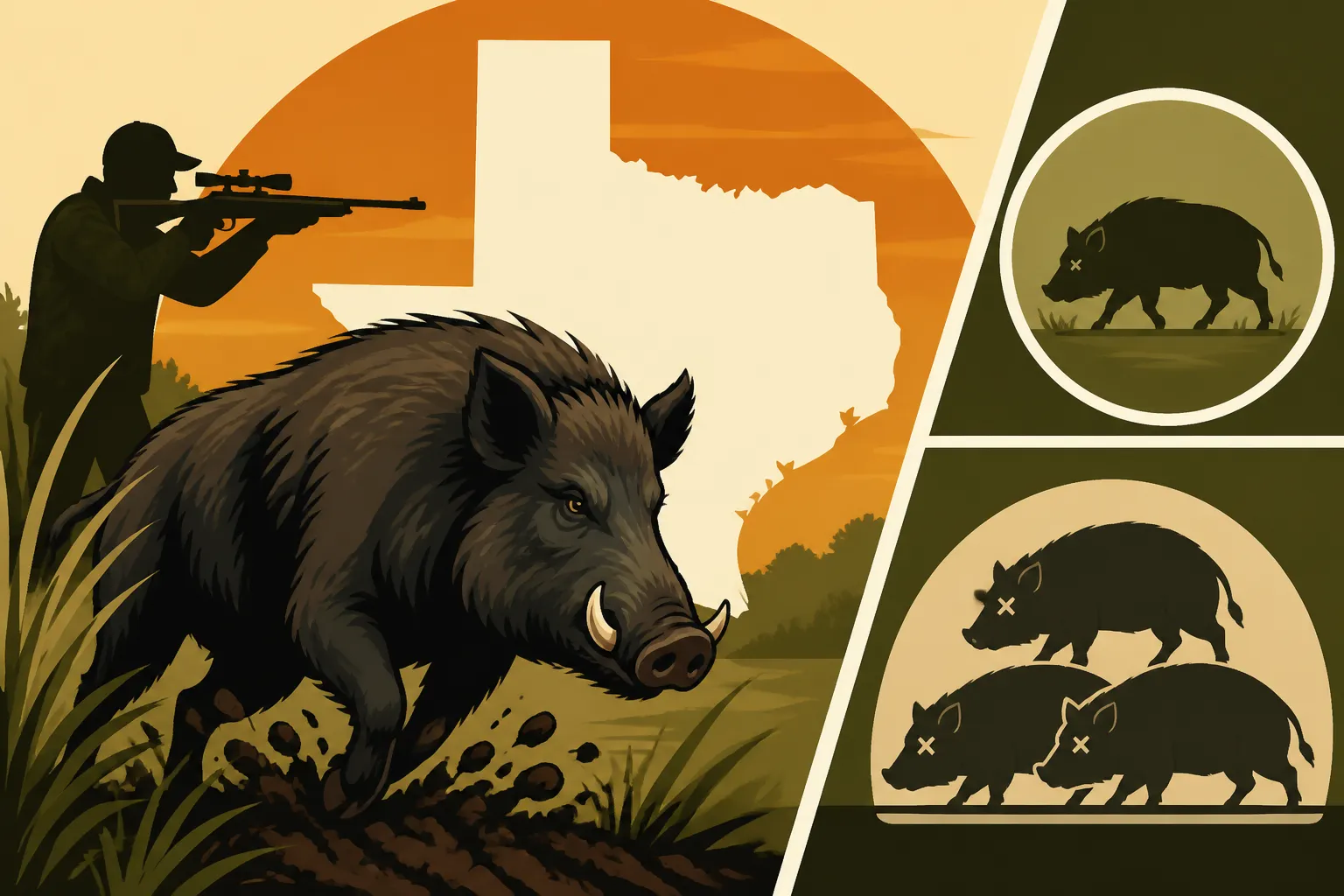
Safety is paramount, particularly when using advanced optics or hunting in groups. Clearly communicate with your hunting partners, establish zones of fire, and always treat every firearm as if it were loaded. Ethical shot placement is also crucial. While the goal is eradication, a quick, humane kill is always the objective. Targeting the brain or a vital organ will ensure the animal doesn't suffer and reduces the risk of a wounded hog escaping into dense cover. Before heading out, always consult the most current Texas Outdoor Annual to ensure you are up-to-date on all regulations, as they can sometimes change. You'll also want to familiarize yourself with Feral Hog Hunting Tactics for Texas.
Where to Hunt Feral Hogs in Texas
With a population estimated in the millions, finding feral hogs in Texas isn't usually the challenge; it's finding the right place to hunt them. Texas offers a mix of private and public land opportunities.
Private Land Opportunities
The vast majority of feral hog hunting in Texas takes place on private land. Texas is over 95% privately owned, and unfortunately, these properties are often ground zero for hog damage. This means there's a high demand from landowners for hunters to help mitigate the problem. Access can come in several forms:
- Hunting Leases: Many deer or general hunting leases will include hog hunting as part of the package, allowing lease members to hunt hogs year-round. This is a fantastic way to extend your time in the field outside of traditional game seasons. You can find more information about Hunting Leases in Texas: Complete Guide (Cost & How to Find).
- Day Hunts/Guided Hunts: Numerous outfitters and landowners offer specific day hunts or guided hog hunts. These can range from basic access with a feeder to fully guided thermal hunts. Many landowners are keen to have hunters help them out and may offer affordable options.
- Direct Permission: Sometimes, simply asking landowners in known hog areas can yield results. Farmers and ranchers are often desperate for help and might grant permission to responsible hunters. Networking is key here. Areas in the South Texas Brush Country or the Post Oak Savannah are prime locations for hog activity. GoHunt can assist in locating these types of opportunities and connecting hunters with landowners offering hog hunts.
Public Land Access for Hogs
While private land is dominant, there are public land options for feral hog hunting in Texas, primarily through the Annual Public Hunting Permit (APH). For a relatively low annual fee, the APH Permit grants you access to hundreds of thousands of acres of designated public hunting lands, including wildlife management areas (WMAs), state parks, and national grasslands. Many of these areas have healthy feral hog populations.
It's important to remember that public land hunting can be more challenging due to increased pressure and less managed populations. You'll need to do your homework, scout thoroughly, and be prepared to put in the effort. Some WMAs, like the Chaparral WMA in South Texas or areas in the Pineywoods, are known to hold good numbers of hogs. Always check the specific regulations for each WMA, as rules can vary regarding weapons, times of day, or specific units. While not as common for hogs as for deer or exotics, occasionally the TPWD's Drawn Hunt System might offer specialized hog hunts, usually as part of a larger management effort. Information on Public Hunting in Texas: WMAs & Annual Public Hunting Permit will be helpful.
Feral Hog Management and Impact
Understanding the "why" behind the year-round, no-limit hunting of feral hogs is crucial for appreciating the scale of the problem they represent in Texas. It's not just about sport; it's about active wildlife management and environmental protection.
The Ecological and Economic Damage
The ecological damage caused by feral hogs is staggering. Their incessant rooting behavior disturbs soil, destroys crops, and damages native vegetation, leading to erosion and habitat degradation. They compete directly with native wildlife, like white-tailed deer and turkey, for food sources, particularly acorns and other mast crops, impacting the health and sustainability of these populations. They also prey on ground-nesting birds, fawns, and other small animals, further disrupting the ecosystem.
Economically, feral hogs are an absolute nightmare for Texas landowners. The Texas A&M AgriLife Extension estimates that feral hogs cause over $400 million in damages annually to agriculture in Texas. This includes destroyed corn, wheat, and soybean fields, damaged hay pastures, and compromised irrigation systems. Beyond crops, they can devastate livestock operations by preying on newborn calves, lambs, and goats, and by transmitting diseases. Hogs are known carriers of diseases such as brucellosis, leptospirosis, and pseudorabies, which can be passed to domestic livestock, pets, and even humans, posing serious health and economic risks.
Why Eradication is a Losing Battle
Despite the best efforts of hunters, trappers, and wildlife managers, complete eradication of feral hogs in Texas is considered practically impossible. Their incredible reproductive capacity is the primary obstacle. Sows can begin breeding as early as six months of age and can have 1-2 litters per year, each with 4-12 piglets. This means their population can double in just a few months under ideal conditions.
Their intelligence and adaptability also make them incredibly resilient. They quickly learn to avoid traps, evade hunters, and adapt their behavior to human pressure. They can thrive in a wide range of habitats, from the dense brush of South Texas to the pine forests of East Texas, and even suburban areas. While complete eradication isn't feasible, continuous hunting pressure, trapping, and other management techniques are essential to keep their numbers from spiraling even further out of control and to protect native ecosystems and agricultural interests. Every hog harvested makes a difference in this ongoing battle. Consider implementing strategies found in How to Hunt Feral Hogs in Texas (Step by Step) to maximize your efforts.
Disclaimer
Always consult the most current Texas Parks and Wildlife Department Outdoor Annual or website for the official and most up-to-date hunting regulations before engaging in any hunting activity. Regulations can change, and it is the hunter's responsibility to be informed and compliant.