Annual Public Hunting Permit: What It Covers
Finding a place to hunt in Texas can feel like trying to find a needle in a haystack, especially if you don't own land or have access to a private lease. The sheer size of our state and the dominance of private property often leave hunters wondering how they can get into the field without breaking the bank. That's where the Texas Annual Public Hunting Permit, often just called the APH permit, comes in as a game-changer for many of us. This comprehensive guide is going to walk you through exactly what this permit covers, how it works, and how you can maximize your public land hunting experiences across Texas.
What Exactly Is the Texas Annual Public Hunting Permit?
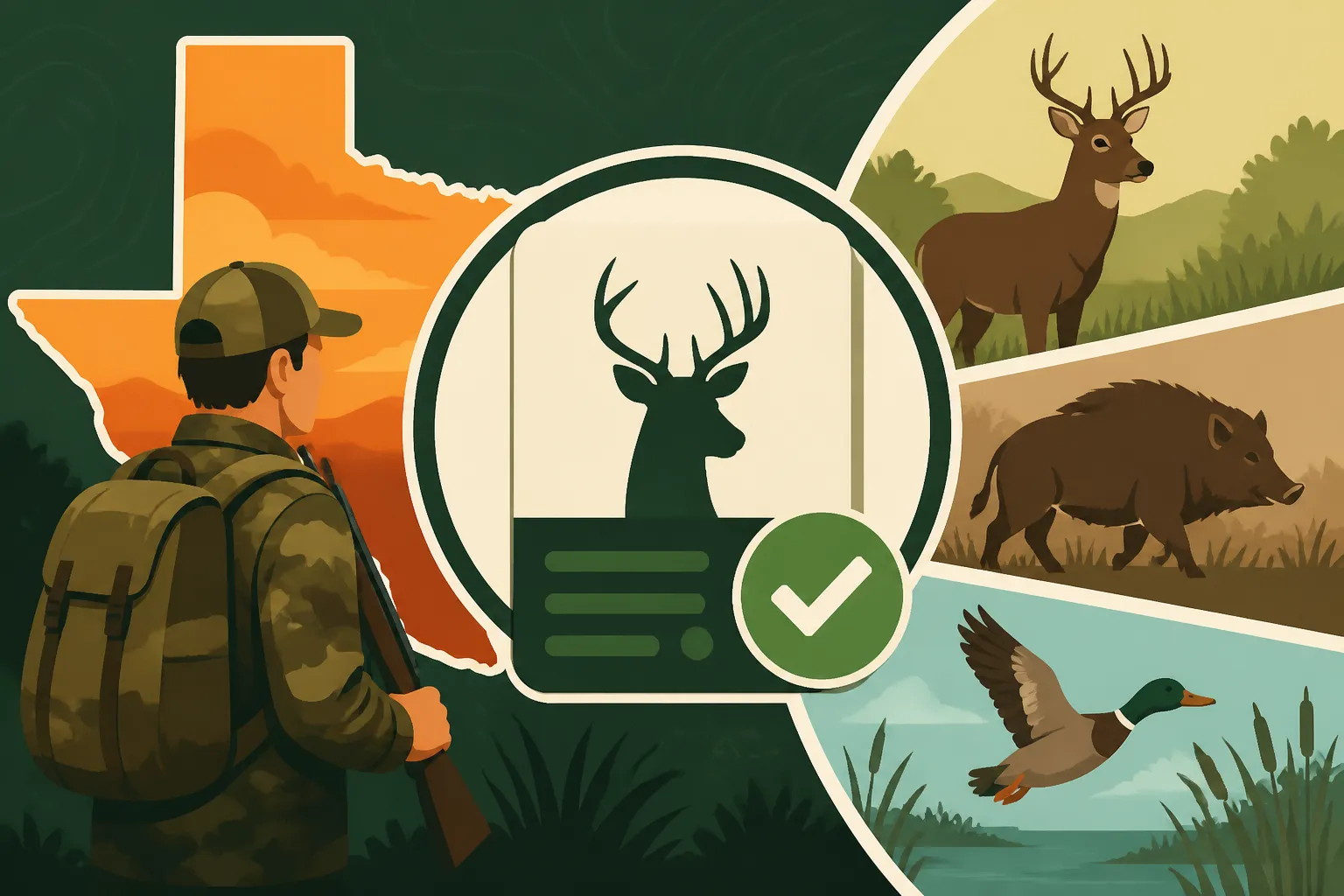
Let's cut right to it: the Texas Annual Public Hunting Permit is essentially your golden ticket to a vast network of public hunting lands managed by the Texas Parks and Wildlife Department (TPWD). Think of it as an all-access pass, a single, affordable permit that unlocks hunting and fishing opportunities on nearly one million acres of public land across the Lone Star State. It’s designed to give hunters and anglers who don’t have private land access a legitimate, legal, and often fantastic way to pursue game. Without this permit, most of these public lands would be off-limits.
The Core Benefit: Access to Public Hunting Lands
The biggest frustration for many Texas hunters is the lack of affordable access. Leases can be astronomically expensive, and getting permission on private land is a constant challenge. The APH permit directly addresses this by providing access to a diverse range of public lands. We're talking about Wildlife Management Areas (WMAs), state parks, national forest lands, and even some privately owned lands that TPWD has leased for public use.
These areas offer opportunities for everything from deer and hog hunting to dove, quail, turkey, and waterfowl. It’s not just about setting foot on the property; it's about being able to legally pursue game that might otherwise be out of reach. For a relatively small annual fee, the APH permit opens up possibilities that would cost thousands of dollars on a private lease, making it an invaluable resource for budget-conscious hunters or those new to the sport. It levels the playing field, offering a chance to scout, strategize, and hunt without the heavy financial burden of private land access.
Who Needs One and Why
Simply put, if you plan to hunt or fish on any of the designated public hunting and fishing lands in Texas, you need an APH permit. This isn't an optional extra; it's a mandatory requirement, separate from your standard hunting license. While your general Texas Hunting License: Cost, Types & How to Buy (2026) is essential for hunting anywhere in the state, the APH permit specifically grants you entry and hunting privileges on TPWD's public hunting lands.
Why is it needed? The fee collected from APH permits directly supports the acquisition, management, and maintenance of these public lands. This includes everything from habitat improvements, trail maintenance, managing game populations, and ensuring adequate facilities for hunters. It's a user-pay system that helps ensure these valuable public resources remain available for future generations. It’s a small investment with a huge payoff in terms of opportunity. Without these funds, the public hunting program simply wouldn't be able to operate at the scale it does today.
Unpacking the Texas Public Hunting Program
The Annual Public Hunting Permit isn't just a license; it's your entry into a comprehensive program. It's not a free-for-all, however. These public lands are carefully managed to provide sustainable hunting opportunities while protecting the ecosystem. Understanding how the program works and the different types of land it encompasses is crucial for a successful trip.
Types of Public Lands You Can Hunt With the APH
The beauty of the APH permit is the sheer variety of lands it grants access to. It’s not just one type of landscape or one kind of hunt. You'll find a patchwork of environments offering diverse experiences.
- Wildlife Management Areas (WMAs): These are the crown jewels of the public hunting system. TPWD actively manages WMAs for wildlife conservation and public recreation, including hunting. They often have robust game populations and varied terrain. For example, the Kerr WMA Hunting Guide in the Hill Country offers deer hunting, while the Chaparral WMA Hunting (South Texas) provides opportunities for South Texas species like deer, hogs, and javelina. Each WMA has specific regulations and often requires an "e-postcard" or check-in system for specific hunts.
- State Parks: While primarily for recreation, many state parks offer limited hunting opportunities, often through the Texas Drawn Hunts: Public Hunt Draw System. These are usually very specific, controlled hunts for deer or other species, designed to manage wildlife populations within the park. The APH permit is often required in addition to being drawn for one of these special hunts.
- National Forest Lands: Texas is home to four national forests – Sam Houston, Davy Crockett, Angelina, and Sabine. While parts of these are generally open for public hunting with a hunting license, some specific areas or types of hunts within them may fall under the APH program, especially where special regulations or managed hunts are in place. Always double-check the specifics.
- National Grasslands: Similar to national forests, the Caddo and Lyndon B. Johnson National Grasslands in North Texas offer public hunting. Again, the APH is key for managed areas or specific hunt programs.
- Privately Leased Lands: TPWD sometimes leases private lands specifically for public hunting. These often exist as "Ecosystem Project Lands" (EPLs) or similar designations, expanding the overall acreage. They might be crop fields managed for dove hunting or larger tracts offering a mix of game.
This variety means that a single APH permit can give you access to diverse hunting experiences, from chasing Dove Hunting in Texas: The Sept 1 Opener Guide in a sunflower field to stalking deer in dense brush or calling Rio Grande Turkey Hunting in Texas in the spring.
Understanding the Public Hunting Map and Special Regulations
Navigating the Texas public hunting landscape requires a bit of homework. It's not like private land where you know the boundaries and rules by heart. TPWD provides an invaluable tool called the "Public Hunting Lands Map Booklet," which is part of the yearly Texas Outdoor Annual. This map booklet is your bible. It lists all the public hunting areas, details what species are available on each, the types of hunts offered (e.g., walk-in, drawn hunt), and critical regulations.
Each public hunting area will have its own set of rules, often referred to as "Type I," "Type II," or "Type III" areas, which dictates the level of access and regulation. Some are "Annual Public Hunting Permit (APH) Only" areas, meaning you just show up with your APH and follow the general rules. Others require an "e-postcard" selection, where you apply online for specific dates and are selected, or even participation in the more competitive Texas Drawn Hunts & Public Hunt Draw 2027 system. You'll need to pay close attention to the specific hunt dates, bag limits, legal means and methods, and check-in/check-out procedures for each individual area. Trust me, showing up without reading the specific regulations is a recipe for disappointment and potentially a citation. This is where knowing How to Read the Texas Outdoor Annual becomes absolutely essential.
How to Find Specific Hunt Opportunities
Once you have your APH permit, the real work (and fun!) begins: finding where to hunt and what's available. The TPWD website's Public Hunting Lands section is your primary resource. You can filter by region, species, or hunt type to narrow down options.
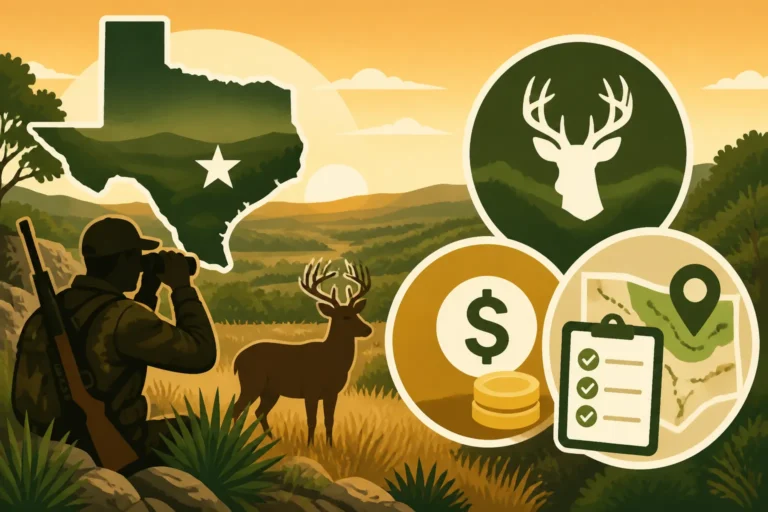
Beyond the official TPWD resources, digital mapping and scouting apps have become indispensable tools for public land hunters. Services like onX Hunt or GoHunt offer detailed satellite imagery, property boundaries (crucial for staying on public land!), and topo maps. You can mark potential stand locations, map out travel corridors, and scout terrain from the comfort of your home. This is especially useful when looking for Best WMAs for Deer Hunting in Texas or trying to locate less-pressured areas. Imagine being able to see exactly where public land ends and private property begins, or identifying hidden water sources that might hold game. These apps can literally make the difference between a frustrating bust and a successful hunt on unfamiliar public ground. They can also help you understand the terrain before you ever set foot on it, saving you valuable time in the field.
Getting Your APH Permit and Navigating the Rules
The process of getting your APH permit is straightforward, but understanding the nuances of its use is where many new public land hunters stumble. A little preparation goes a long way to ensure your hunting trip is legal, safe, and enjoyable.
Purchasing Your Annual Public Hunting Permit
Getting your APH permit is simple. It's an annual endorsement that can be added to your hunting license. You can purchase it online through the TPWD website, at any authorized license retailer (like Academy Sports + Outdoors, Walmart, or local sporting goods stores), or by calling TPWD directly. Just like your regular hunting license, it's valid from September 1st of one year to August 31st of the next, following the state's license year.
When you purchase it, it will appear as an endorsement on your hunting license, so you'll carry just one physical document. The cost is quite reasonable, typically around $48 for residents and $48 for non-residents (as of current estimates), which, considering the access it grants, is an incredible value. Always make sure to check the current Texas Hunting License: Cost, Types & How to Buy (2026) prices, as they can change annually.
Key Regulations and Things to Watch Out For
Public lands come with stringent rules, and for good reason: they are shared resources. Here are some critical aspects to be mindful of:
- Check-in/Check-out Procedures: Many WMAs, especially for specific hunts, require you to check in upon arrival and check out when you leave, even if you don't harvest anything. This data helps TPWD manage hunter pressure and collect harvest information. Some areas use physical check stations, while others have digital e-postcard systems.
- Permitted Weapons and Ammunition: Always verify what weapons are allowed. Some areas might have archery-only zones, while others permit firearms. Specific ammunition types or shot sizes might also be regulated, particularly for migratory birds or within CWD zones.
- Vehicle Access and Parking: Vehicle access is often limited on public lands. You might have designated parking areas and then be required to walk, bike, or use ATVs on specific trails. Off-road vehicle use is generally prohibited to protect habitat.
- Camping Rules: If camping is allowed, there will be designated areas and rules regarding campfires, quiet hours, and waste disposal. Many WMAs are day-use only.
- Bag Limits and Antler Restrictions: These can vary significantly from statewide regulations. Public lands often have more conservative bag limits or specific antler restrictions tailored to their local deer populations. For example, some WMAs might have different rules than the general Texas Antler Restrictions: 13-Inch Rule & Counties that apply to much of the state.
- Prohibited Activities: Things like littering, damaging property, leaving blinds overnight (unless specifically allowed), or consuming alcohol are typically prohibited. Respect for the land and fellow hunters is paramount.
Maximizing Your APH Experience: Tips for Success
Hunting public land successfully often comes down to strategy and persistence. It's rarely a "gimme" hunt, and that's part of the challenge and reward.
- Scout, Scout, Scout: Just like on private land, scouting is critical. Use tools like onX Hunt to identify potential bottlenecks, water sources, and bedding areas before you ever step foot on the property. Then, hit the ground running well before your hunt date, looking for tracks, scat, rubs, and trails. How to Scout for Deer Before Season in Texas applies just as much, if not more, to public lands.
- Hunt Mid-Week/Off-Peak: Weekends, especially opening day, can be crowded. If your schedule allows, hunting during the week can significantly reduce hunter pressure and increase your chances.
- Go Deeper: Most hunters don't venture far from parking areas. If you're willing to walk a mile or two (or more!), you’ll often find less-pressured animals. A good game cart can be your best friend for hauling out game from deep within a WMA.
- Be Adaptable: Public land hunting requires flexibility. The deer might not be where you expect them, or another hunter might beat you to your spot. Have a backup plan and be ready to adjust your tactics.
- Target Diverse Species: Don't just focus on deer. Public lands offer fantastic opportunities for Feral Hog Hunting in Texas: Year-Round Guide, Dove Hunting Tactics: Field Setup & Shooting, Duck Hunting in Texas: Decoys & Blinds, and small game. Diversifying your targets increases your chances of success and extends your time in the field.
- Pack Smart: Be prepared for anything. This means carrying enough water, first-aid, a compass or GPS, and essential gear. Given the variable Texas weather, having appropriate clothing is crucial. For early season, lightweight camo for Best Early-Season Camo for Texas Heat and good Best Snake Boots for Texas Hunting are necessities.
- Know Your Boundaries: With onX Hunt or similar apps, you can literally see your position relative to public and private property lines. This is vital for avoiding trespassing and ensuring a legal hunt. Even a slight misstep can land you in trouble.
- Talk to the Biologists/Staff: The staff at WMAs are often a wealth of information. They can give you real-time updates on game movement, habitat conditions, and areas that might be holding animals. Be polite and respectful of their time.
Pros and Cons of Relying on the Annual Public Hunting Permit
Like any hunting strategy, relying on the APH permit has its unique advantages and disadvantages. It's important to go into it with realistic expectations.
The Upsides: Affordability and Accessibility
The most significant benefit, without a doubt, is the cost-effectiveness. For a fraction of the price of a hunting lease, you gain access to literally hundreds of thousands of acres. This makes hunting accessible to a much broader demographic, including young hunters, those new to the sport, and anyone on a tight budget. It provides an incredible opportunity to learn different hunting styles, explore various ecosystems, and target a wide array of species without a huge financial commitment.
Furthermore, the diversity of hunting opportunities is unmatched. From the pineywoods of East Texas to the brush country of the south and the mountains of the Trans-Pecos, the APH permit can take you to incredibly varied landscapes. This allows you to expand your hunting knowledge and experience, pursuing different game animals and using different tactics. It's a fantastic way to experience more of what Texas Hunting Seasons: Complete Calendar by Species has to offer. For those who love to explore and embrace new challenges, public land hunting with the APH permit is an adventure in itself.
The Downsides: Crowds and Competition
Now, for the flip side. The very accessibility that makes the APH permit so appealing also leads to its biggest drawback: hunter pressure. Especially on popular WMAs during prime hunting seasons, you can expect to encounter other hunters. This means competition for prime spots, animals that are more wary, and a need to adjust your strategy to avoid crowded areas. You might find yourself having to walk further, hunt harder, and be more innovative than on private, managed lands.
Additionally, success rates can be lower on public lands compared to well-managed private leases. Animals on public land are often more pressured, making them warier and more nocturnal. Habitat quality can also be inconsistent; while WMAs are actively managed, they might not always offer the same level of tailored habitat improvements as some high-dollar private ranches. The "trophy potential" might also be lower in many areas, as public lands are often managed for herd health and public opportunity rather than solely for large trophy animals. However, this is not to say big deer aren't taken on public land – they absolutely are, but it usually requires more effort and skill.
Finally, the regulations can be more complex and restrictive. As mentioned, each public area can have unique rules, special check-in procedures, and different bag limits. This demands a higher level of attention to detail and planning compared to hunting on a private lease with established, consistent rules. It's not a set-it-and-forget-it type of hunting; it requires constant vigilance and respect for the detailed rules set forth by TPWD.
Ultimately, the Annual Public Hunting Permit is an incredible resource for Texas hunters. It requires more effort, more scouting, and more adaptability, but it opens the door to countless memorable experiences and offers a genuine taste of what hunting in our great state is all about.
Disclaimer
Please remember that hunting regulations in Texas can change annually. Always consult the most current Texas Parks and Wildlife Department Outdoor Annual before heading into the field. This guide is for informational purposes only and should not be considered legal advice.