How to Use Decoys for Dove Hunting
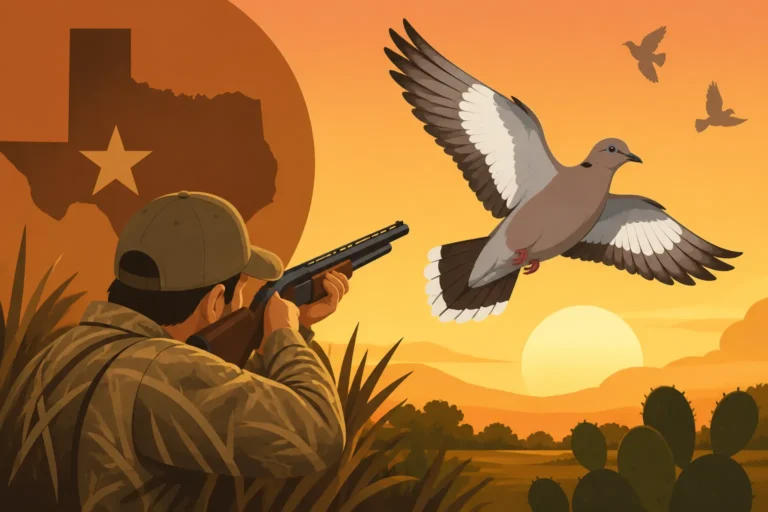
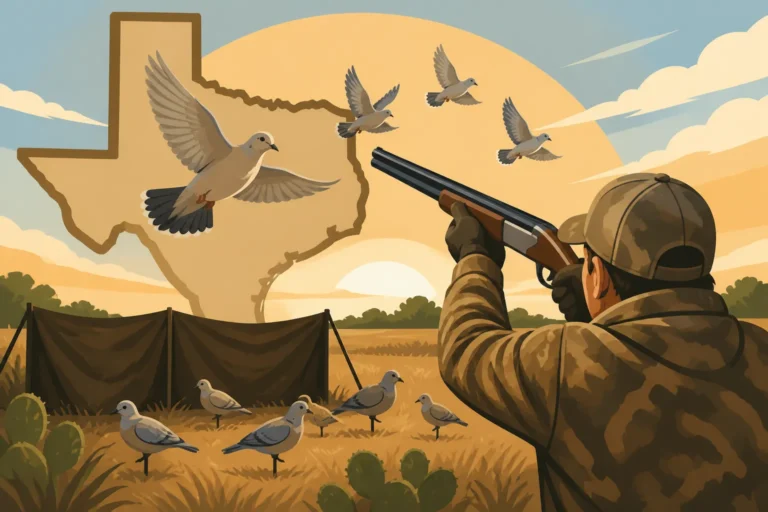
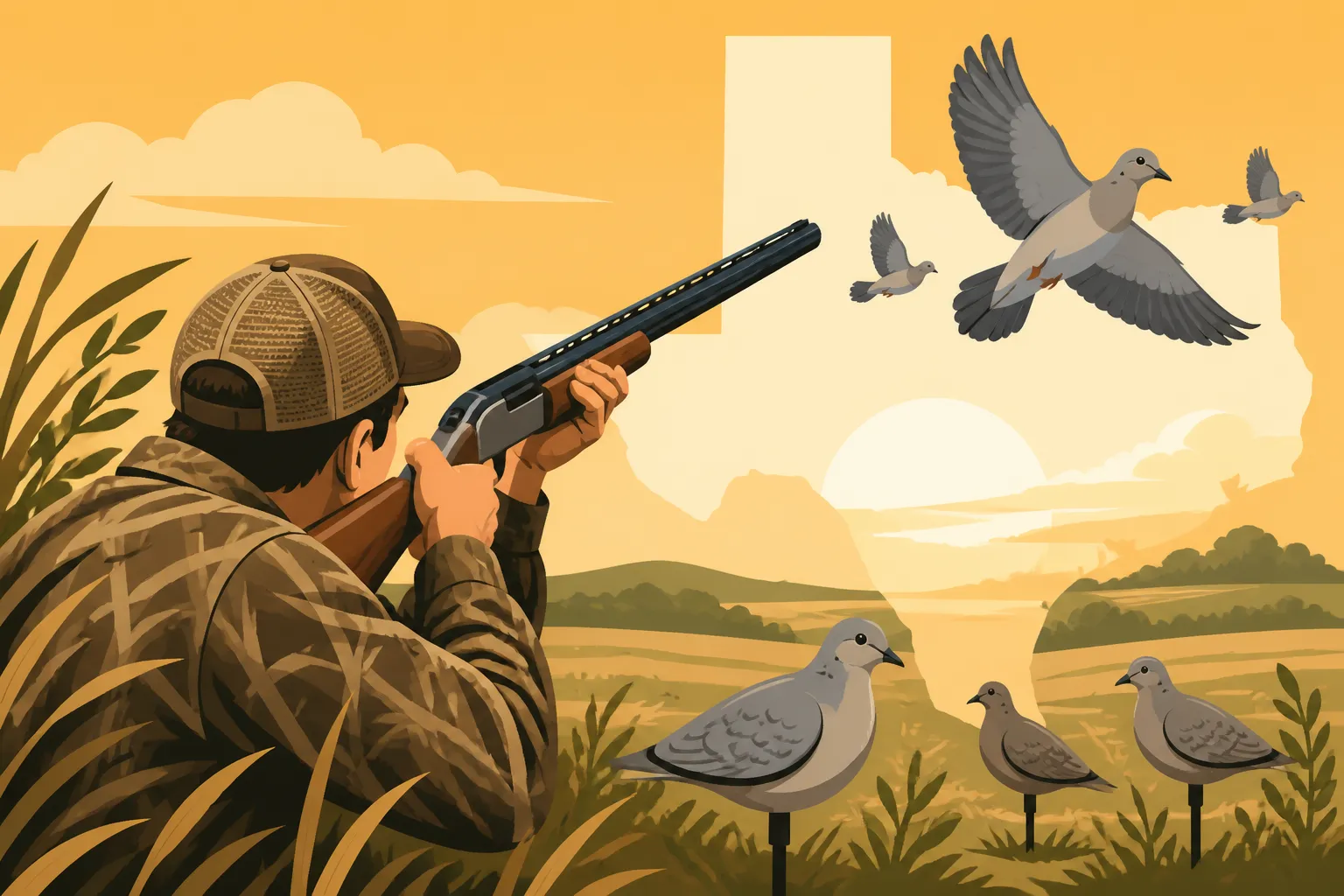
There's nothing quite as frustrating as showing up to a prime dove field, setting up your blind, and then watching wave after wave of birds skirt the edges, staying just out of range or flaring at the last second. It feels like you're invisible, or worse, like a giant, neon target. That common scenario is exactly why understanding and effectively using dove decoys can completely transform your hunting experience, turning those frustrating near-misses into exciting, in-your-face opportunities. This guide will walk you through the ins and outs of decoy strategies, helping you attract more birds and put more doves in the bag this season.
Understanding Dove Behavior and Why Decoys Work
Doves, particularly mourning doves and white-winged doves that frequent Texas, are creatures of habit and social animals. They're constantly on the lookout for food, water, and safe roosting spots, and their movements are often influenced by what they see their compatriots doing. This innate behavior is precisely what makes decoys so incredibly effective when hunting these quick-flying birds.
The Social Nature of Doves
Imagine you're driving down a highway, and you see a cluster of cars pulled over on the side, perhaps around a food truck. Your natural instinct might be to slow down, take a look, and maybe even pull over yourself. Doves operate on a very similar principle. They are highly gregarious birds, especially when feeding or watering. When a dove sees other doves on the ground or perched in a tree, it signals safety, opportunity, and a place to relax. This "safety in numbers" instinct is deeply ingrained. A single bird is more vulnerable to predators, so joining a group provides comfort and security. This social cohesion means that a spread of realistic-looking decoys acts like a magnet, drawing in passing birds that might otherwise fly right past your setup. They interpret the decoys as real doves already enjoying the bounty of the field or sipping water at a tank, making your spot irresistible.
Reading Dove Flight Patterns
To truly leverage decoys, you need to become a student of dove flight patterns. Doves aren't just flying randomly; they often follow specific flight lines between their roosting, feeding, and watering areas. These patterns can be influenced by terrain, wind direction, power lines, and even the edges of a crop field. Think about how they dip and weave, often making wide arcs before committing to a landing. They'll often approach a potential landing zone, circle a few times, and then drop in. When you observe these patterns, you start to notice the "highways" and "intersections" the doves are using. This knowledge is crucial for placing your decoys strategically. If you can anticipate where birds are likely to fly, you can place your decoys in their direct line of sight, giving them a visual cue to investigate. A flock heading to a distant sunflower field might just break formation and dip down to check out your decoy spread if it's positioned along their established flight path. Understanding these nuances is key to effective Mourning Dove Hunting Tactics for Texas.
The Psychological Impact of Decoys
The effectiveness of decoys isn't just about mimicry; it's about psychological manipulation. Doves are constantly assessing their environment for threats and opportunities. A well-placed decoy spread does two critical things: it alleviates their fear and exploits their curiosity. When they see other doves, their natural caution diminishes. They assume that if other birds are safely on the ground or perched, the area must be clear of predators. This allows them to relax their guard, making them more likely to commit to your location. Furthermore, their inherent curiosity drives them to investigate new groups of birds. They might be looking for a new food source, a mate, or simply a safe place to rest. Decoys capitalize on this, drawing them in closer, often within comfortable shooting range. This psychological pull is what turns a challenging hunt into a successful one, greatly enhancing your chances compared to hunting without any visual attractants.
Types of Dove Decoys and How to Choose Them
The world of dove decoys has evolved well beyond simple plastic silhouettes. Today, hunters have a wide array of options, each designed to simulate doves in different scenarios and with varying degrees of realism and motion. Knowing the strengths of each type will help you build a versatile decoy spread that can adapt to different hunting conditions and target species, whether you're dealing with White-Winged vs Mourning Dove in Texas.
Stationary Decoys: Clip-on and Stake
Stationary decoys are the workhorses of any dove spread. These are typically full-bodied plastic or foam decoys that provide a realistic visual presence without any moving parts.
- Clip-on Decoys: These are designed to clip onto fences, branches, power lines, or anything that mimics a natural perch. They're incredibly useful for creating the illusion that doves are comfortably perched and watching over a feeding area. Placing them strategically on elevated points helps them stand out against the horizon and catch the eye of high-flying birds. For instance, clipping several decoys onto a barbwire fence line near a sunflower field can make it appear as a popular roosting or observation point. This method works wonders, especially in open country where natural perches might be sparse. You can even clip them to the tops of tall weeds or short bushes.
- Stake Decoys: These decoys come with a ground stake, allowing you to position them directly in fields, along water's edge, or on dirt roads. They simulate doves feeding, resting, or walking on the ground. A common tactic is to group them in small clusters, mimicking a feeding flock. This creates a very natural appearance that birds passing overhead will readily identify as a safe feeding zone. When setting up for a hunt, consider where the birds are most likely to feed or land and place these decoys accordingly. A good spread of stake decoys can turn a barren patch of ground into a bustling dove hotspot.
Stationary decoys are generally more affordable, durable, and require minimal setup. They form the foundation of any effective decoy spread.
Motion Decoys: Mojo, Wing-spinners, and Kites
While stationary decoys provide the static visual, motion decoys add the dynamic element that truly makes your spread come alive. Doves have excellent eyesight, and movement is a powerful attractant.
- Mojo Decoys/Wing-spinners: These are perhaps the most revolutionary advancement in dove decoy technology. A Mojo Dove, or similar wing-spinner, features realistic dove bodies with battery-operated spinning wings. The rapid rotation of the wings mimics a dove landing or taking off, creating a highly visible flash and movement that doves can spot from a great distance. This motion is incredibly effective, often drawing in birds that wouldn't even notice a stationary spread. The trick is usually to place one or two prominently, perhaps elevated on a pole, to maximize their visibility. The erratic movement of the wings perfectly imitates the nervous energy of doves in a feeding area. Many hunters swear by these, claiming they can turn a slow day into a busy one.
- Kite Decoys: Less common but still effective, kite decoys are designed to fly overhead, simulating a dove soaring or hovering. They typically require a light breeze to operate and are tethered to the ground. When they work, they can be excellent for attracting high-flying birds by creating a realistic aerial presence that mimics a bird surveying the area before descending. However, their reliance on wind and potential tangling can make them a bit more finicky to use than wing-spinners.
- Decoy Trees/Stands: While not decoys themselves, these items add motion by allowing you to place several stationary decoys on a spinning or rotating frame, mimicking a small flock moving and feeding. They offer a good balance between the realism of multiple stationary decoys and the drawing power of motion.
The key with motion decoys is often "less is more" in terms of quantity, but maximizing their visibility. They are usually more expensive and require batteries, but their ability to grab attention is undeniable. When choosing, consider the wind conditions and how much battery life you'll need. For more ideas, check out Best Decoys for Dove Hunting in Texas.
Decoy Selection for Different Scenarios
Selecting the right decoys depends heavily on your hunting location, the time of day, and the specific behavior you're trying to exploit.
- Field Edge/Feeding Areas: If you're hunting along a sunflower field, a cut corn field, or a wheat stubble field (perhaps one you learned How to Make Your Own Dove Field with), a mix of stationary stake decoys simulating feeding birds, augmented with one or two Mojo decoys for motion, is often ideal. Place the Mojos slightly elevated to maximize their visibility to incoming birds.
- Waterholes/Ponds: Doves need water, especially during hot Texas summers. At a pond or water tank, place stake decoys right at the water's edge, some appearing to drink, others loafing. Clip-on decoys on nearby fences or small trees add to the illusion of a popular watering spot. The key here is to simulate a safe and inviting drinking area.
- Roosting Areas/Power Lines: Early morning or late afternoon, doves will often stage or roost in trees or on power lines before heading to or from feeding grounds. This is where clip-on decoys excel. Placing them on prominent branches or fences mimics this staging behavior, making your area look like a popular hangout. Be mindful of safety if you're near actual power lines, and always prioritize your well-being.
- Windy Conditions: Motion decoys, particularly wing-spinners, are fantastic in windy conditions as the natural wind often enhances their movement, making them even more lifelike. However, strong winds can also cause them to wobble excessively or tip over, so ensure they are securely anchored.
- Calm Conditions: In still air, motion decoys are absolutely essential. Without them, your stationary spread might look lifeless and fail to attract attention from a distance. The battery-powered wings will provide the crucial movement needed.
Consider creating a diverse spread that combines both stationary and motion decoys. This versatility ensures you're prepared for whatever the doves and the weather throw at you.
Strategic Decoy Placement for Maximizing Your Hunt
Proper decoy placement is an art form. It's not just about throwing a few decoys out; it's about crafting a convincing tableau that speaks to a dove's instincts. The goal is to make your setup look so natural and inviting that a dove can't resist joining its "friends."
Field Edge and Waterhole Setups
When setting up along a field edge, think about the natural movement of doves. They often fly low over the field or along the tree lines before dipping in.
- The Landing Zone: Create an open area, often shaped like a "U" or a "J," where you want the doves to land. Place your stationary stake decoys around the perimeter of this open space, creating a funnel. This clear landing zone is crucial because doves rarely drop directly into a dense group of other birds; they prefer an open approach.
- Visibility is Key: Position your motion decoys, like Mojo Doves, in the most visible spots – typically elevated on poles or at the highest point of a slight rise. This ensures that distant doves catch the flashing wings from far away. A good rule of thumb is to place motion decoys upwind from your stationary spread, as doves often approach into the wind for landing.
- Waterhole Tactics: At a waterhole, place your stake decoys right at the water's edge, mimicking birds drinking. Some can be placed a few feet away, appearing to preen or rest. If there are any sparse bushes or weeds around the tank, clip-on decoys can add to the realism of birds perching before or after drinking. Remember that doves are vulnerable at water sources, so the illusion of safety is paramount. When deciding Where to Stand for dove hunting around water, consider your blind position relative to the decoys and the sun.
Power Line and Roosting Tree Imitations
Doves love to perch. They use elevated spots to scout for food and water, to preen, and to just relax. Imitating these popular perching spots can be incredibly effective.
- Fence Line Power: Old fence lines are natural dove magnets. Clip several stationary decoys onto the top wire of a fence, spaced a few feet apart. This makes it look like a string of doves are casually resting, signaling to passing birds that the area is secure. The silhouette against the sky is very effective.
- Tree Branch Perches: If you're near a lone mesquite, hackberry, or oak tree that doves frequent, use clip-on decoys on its branches. Focus on the upper, more exposed branches where doves would naturally perch to get a good view. This is particularly effective during the mid-day lull or late afternoon when birds are less actively feeding and more inclined to rest. Just be cautious not to overdo it; a few well-placed perching decoys look more natural than every branch laden with plastic birds.
- The "Beacon" Effect: Sometimes, just one or two well-placed decoys high on a fence post or a tall dead snag can act as a beacon, drawing the initial attention of a passing flock, which you can then work into your larger ground spread. This is especially true for Texas Dove Season 2026: Zones & Dates when hunting pressure might make birds warier.
Creating a "Landing Strip"
The "landing strip" concept is about making it easy and appealing for doves to commit to your exact location. Doves prefer a clear, unobstructed approach to a landing spot.
- Clear the Way: Whether you're in a field or near a waterhole, create a patch of relatively clear ground directly in front of your blind, leading into your decoy spread. This simulates a safe landing zone. Avoid placing decoys too close to your blind, as wary doves might pick out your position if they approach too directly.
- Upwind Advantage: Always try to set up your landing strip and main decoy spread upwind from your likely shooting position. Doves, like most birds, prefer to land into the wind. This slows them down, makes them hover momentarily, and presents an easier shot opportunity. If the wind changes during your hunt, be prepared to adjust your position or your decoy spread slightly to maintain this advantage.
- The Decoy Funnel: Arrange your stationary decoys in a "V" or "U" shape, with the open end facing the direction from which you expect doves to approach. Your blind should be at the closed end of the "V" or "U." This funnel effect guides the birds directly into your desired landing zone, presenting ideal shots. Think of it like an airport runway, guiding aircraft to the perfect touchdown point. This setup is a classic for a reason – it works.
Integrating Decoys with Other Dove Hunting Tactics
Decoys are a powerful tool, but they truly shine when used in conjunction with other smart hunting tactics. They enhance your overall strategy, making you a more effective and ethical hunter.
Blind and Concealment Considerations
Decoys draw doves in, but your concealment is what keeps them from flaring at the last second. It's a cruel irony to get birds to commit only for them to spot you and bolt.
- Blending In: Whether you're using a pop-up blind, natural cover, or simply sitting against a tree, ensure you blend seamlessly with your surroundings. Doves have excellent eyesight, and any unnatural movement or silhouette will send them packing. Camouflage isn't just for looking cool; it's a functional necessity. Think about how your Best Early-Season Camo for Texas Heat blends with the specific vegetation in your chosen dove field.
- Blind Placement Relative to Decoys: Position your blind 15-25 yards from your decoy spread. This distance allows doves to fully commit to the decoys without immediately detecting your presence. It also places the birds within optimal shotgun range once they start to work the spread. Always consider the sun's position throughout the day; try to have the sun at your back so doves approaching face into it, making them harder to see you and easier for you to see them.
- Minimizing Movement: Once doves are working your decoys, remain absolutely still until you decide to shoot. Even a slight head turn or raising your gun too early can cause them to flare. Patience is a virtue, especially when doves are circling and deciding whether to land.
Calling Doves into Your Spread
Just like deer or turkeys, doves can be called. While not as universally effective as decoys, a well-timed dove call can add another layer of realism and persuasion to your setup.
- Types of Calls: There are various dove calls available, mimicking the soft cooing of a mourning dove or the distinct wing beats. The most common is the coo call, which imitates a dove resting or calling to its mate.
- When to Call: Use calls sparingly and naturally. A few soft coos when birds are circling far off can pique their interest and encourage them to come closer to investigate your decoy spread. Avoid over-calling, as it can sound unnatural and scare off wary birds. Sometimes, just mimicking wing beats by clapping your hands can also draw attention. Consider adding a dove call to your Best Game Calls for Texas Hunting arsenal.
- Complementary Effect: The combination of visual decoys and auditory calls creates a highly convincing scenario. The doves see their "friends" on the ground and hear their "voices," further reinforcing the illusion of a safe and inviting spot. This dual approach significantly increases your chances of attracting and holding birds in your shooting zone.
Safety and Ethical Hunting Practices
Beyond the tactics, being a responsible hunter means prioritizing safety and ethical practices, especially with migratory birds.
- Know Your Regulations: Always be up-to-date on the current Texas Hunting Seasons: Complete Calendar by Species, bag limits, and specific regulations for doves in your zone. Texas Parks and Wildlife Department's Outdoor Annual is your best friend here. Remember that migratory bird hunting often requires a migratory bird endorsement and HIP certification on your Texas Hunting License: Cost, Types & How to Buy (2026).
- Positive Identification: Ensure you can positively identify your target before shooting. While mourning doves and white-winged doves are both legal, knowing the difference can sometimes be important for understanding bag limits or specific behaviors.
- Responsible Shooting: Only take ethical shots within your effective range. Doves are notoriously fast and agile, making them challenging targets. Practicing your swing and lead before the season can greatly improve your success and reduce wasted shells.
- Leave No Trace: Pack out everything you pack in. Leave your hunting area cleaner than you found it. This respects landowners, other hunters, and the environment.
By combining well-placed decoys with proper concealment, judicious calling, and a commitment to ethical hunting, you'll not only enjoy more successful dove hunts but also uphold the proud traditions of Texas hunting.
Here's a quick comparison of common dove decoy types:
| Decoy Type | Pros | Cons | Best Use Scenarios |
|---|---|---|---|
| Clip-on | Lightweight, versatile, realistic | No motion, can be less visible from distance | Fences, branches, simulated roosting/perching |
| Stake | Realistic ground presence, durable | No motion, can be obscured by tall cover | Fields, dirt roads, water's edge (feeding/resting) |
| Mojo/Wing-spinner | High visibility, irresistible motion | Battery-dependent, more expensive, can be loud | Anywhere you need to draw attention from far distances |
| Kite | Mimics soaring bird, good for high flyers | Wind-dependent, can tangle, less control | Open fields with consistent breeze (aerial attractant) |
| Decoy Tree/Stand | Adds motion to multiple decoys, natural | Bulky, requires setup, can be expensive | Permanent setups, high-volume fields (multi-bird motion) |
Disclaimer
Please remember that hunting regulations and seasons can change. Always consult the official Texas Parks and Wildlife Department Outdoor Annual for the most current and accurate information before heading out into the field. This guide is for informational purposes only and does not supersede official regulations.