Best Hunting Method for Rio Grande Turkey in Texas
Trying to pin down a Rio Grande gobbler in the vast, cactus-strewn landscapes of Texas can feel like chasing a ghost through a mesquite thicket. Between the shifting winds and birds that seem to wander for miles, many hunters leave empty-handed and frustrated. This guide explores the most effective hunting methods to help you finally tag a Texas Rio this spring.
The Strategy of the Run and Gun Approach
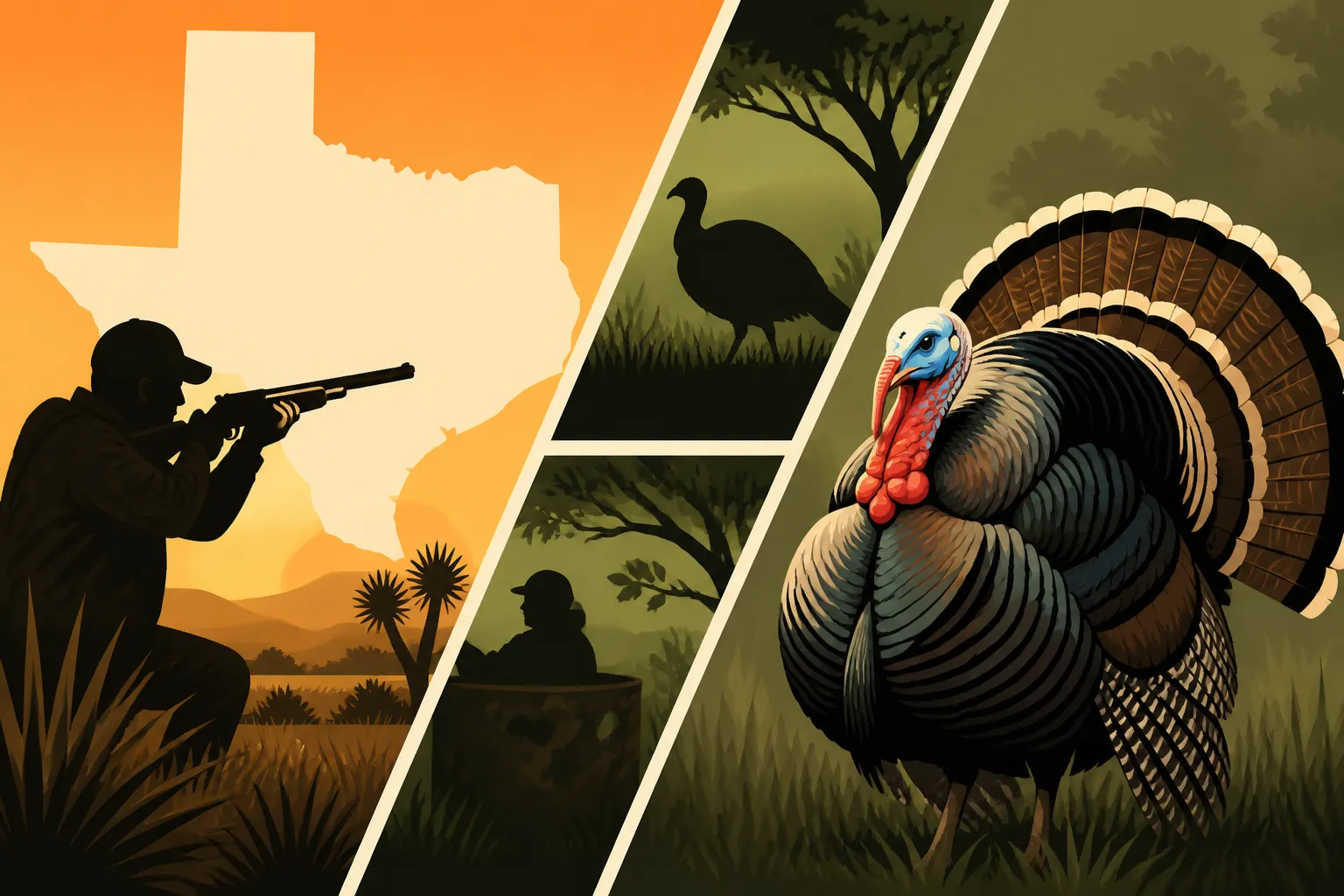
The most exhilarating way to hunt Rio Grande turkeys is undoubtedly the run-and-gun method. Unlike their Eastern cousins, Rios are known for being nomadic. They have longer legs and they aren't afraid to use them, often covering miles of South Texas brush or Hill Country cedar in a single morning. If you sit in one spot and wait for the world to come to you, you might be waiting for a bird that moved two pastures over yesterday.
When you use the run-and-gun method, you are essentially playing a game of tactical chess. You start your morning by listening for that first gobble, but once the sun is up, you stay mobile. You move from ridge to ridge, glassing open lanes and calling every few hundred yards. The goal is to "strike" a bird—meaning you get a tom to gobble at your call, revealing his position. Once he answers, the real work begins. You have to quickly find a setup that offers enough cover to hide your silhouette but enough visibility to see him coming through the prickly pear.
This method requires a deep understanding of Rio Grande Turkey Hunting in Texas because you have to make split-second decisions about the terrain. Are you going to get "busted" by a hen you didn't see? Is the wind blowing your call away from the canyon where the birds are likely loafing? It’s a high-energy, high-reward style of hunting that keeps your heart rate up and your boots moving.
However, running and gunning isn't just about walking aimlessly. You need to target specific transitions. Look for where the dense brush meets open savanna or where a dry creek bed provides a natural highway for traveling birds. If you can master the art of moving quietly through the crunchy Texas terrain, you'll find that this is the Best Hunting Method for Rio Grande Turkey in Texas for covering large tracts of land.
Strategic Setup at Fly Down and Roost Sites
If you prefer a more calculated, stationary approach, focusing on the roost is your best bet. Rio Grande turkeys are creatures of habit when it comes to where they sleep, primarily because tall roosting trees—like Rio Grande cottonwoods, pecans, or even old telephone poles—are a limited resource in many parts of the state. If you can find the roost, you’ve found the heart of the turkey’s home range.
Setting up near a roost site requires you to be in position well before the first hint of gray hits the sky. You want to be close enough to hear the birds shifting on the limbs, but not so close that you spook the hens. Usually, 100 to 150 yards is the sweet spot. The frustration here often comes from "hen-up" birds. A big boss tom will fly down right into a group of hens and ignore every sweet yelp you throw his way. To beat this, many veteran hunters use a "fly-down cackle" and beat a wing (or a hat) against their leg to simulate a hen leaving the tree.
Once the birds hit the ground, the direction they move is often dictated by where they want to feed or find water. This is where your pre-season scouting pays off. If you know they typically head toward a specific oat patch or a supplemental feeder, you can position yourself along that path. For more on the specifics of this timing, you should consult a guide on How to Hunt Rio Grande Turkey in Texas (Step by Step to ensure your morning routine is airtight.
The roost setup is particularly effective in the early season when the birds are still flocked up. As the season progresses and the hens begin to peel off to nest, the toms become more solitary and aggressive, making them easier to pull away from the roost. If you’re struggling with birds staying in the trees too long, try subtle calling. Sometimes, less is more when they can already see exactly where you are sitting from their aerial vantage point.
Midday Ambush Tactics Near Water and Feed
When the morning heat starts to shimmer off the caliche roads, most hunters head back to camp for a nap. This is a mistake. In the arid regions of West and South Texas, water is a magnet. Midday is often the Best Hunting Method for Rio Grande Turkey in Texas for those who have the patience to sit through the heat. Between 11:00 AM and 2:00 PM, turkeys will frequently head to "tanks" (ponds) or cattle troughs to drink.
Setting up a ground blind near a water source can be incredibly productive. Since turkeys see in color and have incredible motion detection, a blind allows you to shift your weight, reach for a water bottle, or check your phone without ruining the hunt. In the heat, these birds are looking for shade and moisture. If you find a water hole with a nearby motte of live oaks, you’ve found a midday turkey goldmine.
Another reality of Texas hunting is the presence of supplemental feeders. While some purists shy away from it, many hunters find success by setting up near corn or protein stations. Turkeys are opportunistic feeders. If they know there is a reliable source of grain, they will circle back to it throughout the day. If you are on a lease, it's worth checking out the Best Feeder Timer Settings for Daylight Deer to see how turkey activity overlaps with other game.
While you're waiting at a water hole, don't be surprised if you see other wildlife. It's quite common to see javelinas or feral hogs coming in for a drink. In fact, many hunters combine their spring turkey trips with hog control. If you're interested in that, you might want to read about the Best Hunting Method for Feral Hog in Texas so you're prepared for whatever walks out of the brush.
| Hunting Method | Best Terrain | Physical Effort | Success Window |
|---|---|---|---|
| Run and Gun | Hill Country / Rolling Plains | High | All Day |
| Roost Setup | River Bottoms / Creeks | Medium | Early Morning |
| Water Ambush | South Texas / Trans-Pecos | Low | Midday |
| Blind Over Feed | Private Leases | Low | Morning/Evening |
Advanced Calling and Decoying Strategies for Rios
The way you talk to a Rio is different than how you talk to an Eastern. Generally speaking, Rios are more "talkative" and can be much more aggressive. They live in wide-open spaces where sound travels, so they often use loud, raspy yelps to find one another. If you're too subtle, they might never hear you over the Texas wind. You need a call that can cut through the gusts—something like a high-pitched glass or aluminum pot call.
Using decoys is almost a requirement for Rio Grande turkeys because the terrain is so open. A tom that gobbles from 300 yards away will expect to see a hen when he tops the next rise. If he doesn't see a "bird," he may hang up and refuse to come any closer. A common tactic is using a "breeding pair" setup—one submissive jake decoy and one lay-down hen. This triggers a Rio’s territorial instinct. He isn't just coming in for love; he's coming in to kick that jake's tail for being with his lady.
For more detailed tips on the vocalizations, I highly recommend checking out Turkey Calling & Tactics for Texas Rios. You’ll learn that the "purr" and "cluck" are just as important as the loud yelp when the bird is within that final 60-yard "red zone." If you call too loudly when he's close, you might actually intimidate him or sound unnatural in the quiet of the brush.
Placement of your decoys is also vital. Do not put them directly in front of you. Instead, place them about 20 yards away and off to one side. This ensures that when the tom is focused on the decoys, his eyes are not looking directly at your bush or blind. This slight offset gives you the window you need to raise your shotgun or draw your bow. If you’re a bowhunter, you’ll find even more specific advice in our guide on Bowhunting in Texas: Archery Season Guide.
Understanding Regional Differences in Texas
Texas is a massive state, and a Rio in the Panhandle doesn't always act like a Rio in the Brush Country. In the Panhandle, the birds often congregate in massive winter flocks that don't break up until very late in the spring. You might see 100 birds in a single field. In this scenario, your Best Hunting Method for Rio Grande Turkey in Texas is to find the fringes of the flock and try to pull off a lonely satellite tom.
In the Texas Hill Country, the terrain is much more broken. You have deep draws, cedar breaks, and limestone ledges. The birds here love to roost in the bottom of the canyons and work their way up to the plateaus to strut in the mornings. If you’re hunting this region, check How to Hunt Turkeys in the Texas Hill Country for site-specific advice on navigating the rocky "stair-steps" of the Edwards Plateau.
Down in South Texas, the "Golden Triangle" area (counties like Webb, Dimmit, and La Salle) offers a different challenge. The brush is incredibly thick. You might hear a bird gobbling 50 yards away and not see a feather. Here, the run-and-gun method is harder because of the thorns, so many hunters rely on "senderos"—long, cleared lanes—to catch birds as they cross. Knowing the Texas Turkey Season 2026: Spring & Fall Zones is crucial here because the season dates can vary significantly between the North and South zones.
Regardless of where you are, you need to be legal. Before you even pack your vest, make sure you have the right endorsements on your license. You can find everything you need to know in our guide on the Texas Hunting License: Cost, Types & How to Buy (2026. Texas takes its turkey regulations seriously, and being caught without the right tag is a quick way to ruin a great season.
Dealing With the Texas Heat and Elements
One thing people often forget about spring turkey hunting in Texas is that it can be 40 degrees at sunrise and 90 degrees by noon. This temperature swing affects not only your comfort but also bird behavior. In the early morning, birds are active and vocal. As the heat climbs, they move into the deep shade of mesquite trees or mottes of live oak. If you aren't prepared for the heat, you’ll likely quit before the "golden hour" of midday activity.
Your gear choice is paramount. Forget the heavy parkas you use for deer season. You need breathable, moisture-wicking camo that allows you to move without overheating. For a complete list of what works best in this environment, take a look at Best Gear for Rio Grande Turkey Hunting in Texas. Also, never overlook the importance of snake boots. The Texas Rio shares its home with the Western Diamondback Rattlesnake, and spring is exactly when they start moving.
Water is your best friend. Not just for the turkeys, but for you. Staying hydrated allows you to stay focused. Many hunters lose their patience and make mistakes—like moving too fast or calling too much—simply because they are physically exhausted by the sun. If you can stay comfortable, you can stay in the woods longer, and in turkey hunting, time in the field is the greatest predictor of success.
Finally, keep an eye on the wind. While turkeys don't have a sense of smell, high winds will "kill" the sound of your calling and make the birds nervous. On windy days, turkeys tend to stay in more open areas where they can use their eyesight to compensate for their lack of hearing. On these days, the Best Hunting Method for Rio Grande Turkey in Texas is to set up in a large field or wide sendero with a high-visibility decoy spread and wait them out. For more tactical ideas, you can browse through Rio Grande Turkey Hunting Tactics for Texas.
Disclaimer
This guide is for informational purposes only. Hunting regulations in Texas can change annually. Always consult the latest Texas Parks and Wildlife Outdoor Annual for current season dates, bag limits, and tagging requirements before heading into the field. Safety should always be your top priority; be sure of your target and what lies beyond it.