How to Hunt Sandhill Crane on a Texas Lease
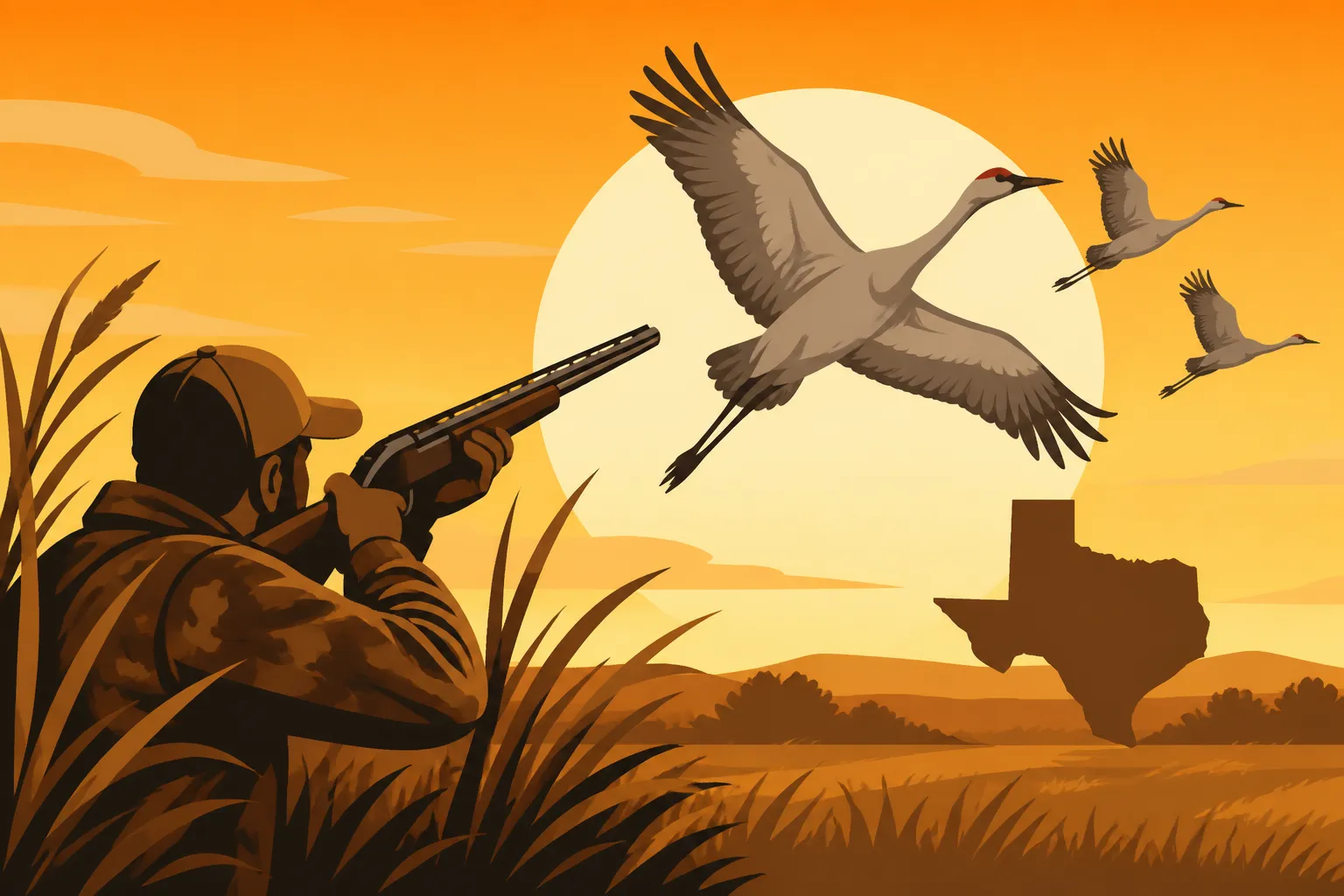
Hunting Sandhill Cranes is one of the most rewarding yet humbling experiences a Texas hunter can face. These birds, often called the ribeye in the sky, possess eyesight that would put a hawk to shame and a level of wariness that makes a late-season whitetail look bold. This guide breaks down the specialized tactics, gear, and legal hurdles required to successfully harvest these prehistoric giants on your private Texas lease.
Understanding the Sandhill Crane Challenge in Texas
Before you even step foot on your lease with a shotgun, you have to understand exactly what you are up against. Sandhill Cranes are not like ducks or geese; they are highly intelligent, social birds with a lifespan that can exceed twenty years. This means the older birds in the flock have seen every trick in the book. They have been shot at from the Texas Panhandle all the way down to the Gulf Coast, and they remember the flash of a gun barrel or the shimmer of a poorly hidden blind.
In Texas, we primarily deal with the Mid-Continent Population. These birds migrate through the central flyway, stopping in grain fields to fuel up. If you are lucky enough to have a lease in the Rolling Plains or the Panhandle, you are sitting in the heart of crane country. However, having birds on your lease and actually getting them within forty yards are two very different things. They prefer wide-open spaces where they can see for miles. If you think you can just hide in a treeline like you do for Deer Hunting in Texas: Feeders, Blinds & Tactics, you are in for a long, quiet morning. Cranes avoid vertical cover because it hides predators like coyotes or bobcats. To hunt them effectively, you have to meet them where they feel safest: the middle of a wide-open field.
The appeal of hunting cranes is twofold. First, the challenge is immense. Successfully fooling a bird that can spot a human face from half a mile away is a true badge of honor. Second, the meat is incomparable. Unlike most waterfowl, Sandhill Crane meat is red, lean, and tastes remarkably like a high-end beef fillet. This is why the Best Hunting Method for Sandhill Crane in Texas usually involves a significant amount of preparation and specialized gear.
Navigating the Legal Requirements and Seasons
Texas takes its migratory bird hunting seriously, and Sandhill Cranes fall under a specific set of rules that differ from your standard duck or dove regulations. You cannot simply go out with a general hunting license and start shooting. The first thing you need to secure is the Federal Sandhill Crane Permit. While this permit is free, it is absolutely mandatory. You can obtain it through the Texas Parks and Wildlife Department (TPWD) website or at any location that sells licenses.
Beyond the permit, you must be HIP (Migratory Bird Harvest Information Program) certified. This is a standard requirement for all migratory birds in Texas, but it is often overlooked by hunters who focus primarily on big game. Ensure your license is up to date and that you’ve checked the specific Texas Sandhill Crane Season Dates 2026 for the zone your lease is located in. Texas is divided into three zones (A, B, and C) for crane hunting, and the season dates and bag limits vary significantly between them.
| Zone | Typical Season Start | Bag Limit | Possession Limit |
|---|---|---|---|
| Zone A | Late October | 3 | 9 |
| Zone B | Late November | 3 | 9 |
| Zone C | Mid-December | 2 | 6 |
Always double-check the Texas Sandhill Crane Season & Free Permit requirements before your hunt, as even a minor oversight can lead to heavy fines. Remember, you must also have a valid plug in your shotgun, limiting it to three shells total, and you are strictly required to use non-toxic shot. Lead is a massive no-go for any waterfowl or crane hunting in the state.
Scouting Your Texas Lease to Find the X
In the world of bird hunting, "The X" is the exact spot where the birds want to be. On a Texas lease, finding this spot is 90% of the battle. You might have thousands of acres at your disposal, but if you set up even 200 yards away from where the cranes fed the evening before, they will likely ignore your decoys and land right where they were yesterday.
Start your scouting trip in the late afternoon. You want to watch the birds as they leave their water source (usually a playa lake or a large stock tank) and head to the fields to feed. Look for harvested peanut, corn, or milo fields. Cranes are particularly fond of waste grain. Use high-quality binoculars to watch them land. Do not just note the field; note the specific corner or rise they are congregating on. Cranes love to sit on "high ground" within a flat field so they have a 360-degree view of their surroundings.
While you are scouting, pay attention to their flight paths. Do they follow a specific drainage or fence line? Even though they won't land near the fence, they often use these landmarks for navigation. This information is vital for the How to Hunt Sandhill Crane in Texas process because it tells you how to orient your decoy spread. If you can’t find a concentrated group on your lease, you might have to rely on "traffic hunting," which means setting up in a known flight path and trying to pull birds down as they pass over. This is much harder and requires a massive, convincing decoy spread.
The Art of the Sandhill Crane Decoy Spread
Once you’ve found the X, it’s time to talk decoys. You cannot use duck decoys and expect results. Cranes are massive birds, and their decoys need to reflect that. There are three main types of decoys used on Texas leases: silhouettes, windshells, and full-bodies. Because Sandhill Crane decoys are expensive and bulky, many hunters buy a mix of these on Amazon to build a convincing spread without breaking the bank.
A successful Sandhill Crane Decoy Setup in Texas usually starts with 24 to 48 decoys. Unlike the Best Duck Decoy Spread for Texas Coast, which can be somewhat condensed, a crane spread should be loose and spread out. Cranes are big birds that need room to land and walk around. Place your decoys in small "family groups" of 3 to 7 birds, with several yards of empty space between each group.
Orientation is everything. Cranes almost always land into the wind. Set your "landing zone" (the empty space where you want the birds to touch down) with the wind at your back. This forces the birds to fly directly toward you as they descend, giving you the best possible shot. Mix in a few decoys in a "sentry" position—heads held high—on the outer edges of the spread. This signals to incoming birds that the group on the ground is alert but calm. If you have the budget, adding one or two flagship decoys or even a remote-controlled flapping wing decoy can help grab their attention from a distance, but use these sparingly. Too much motion can actually spook wary cranes.
Gear and Shot Selection for Heavy Birds
Hunting Sandhill Cranes is not the time for your light 20-gauge dove gun. These are tough birds with thick feathers and heavy bones. Most veteran Texas hunters prefer a 12-gauge shotgun capable of shooting 3-inch or 3.5-inch magnums. When looking for the Best Gear for Sandhill Crane on a Texas Lease, your choice of ammunition is the most critical factor.
Since lead is prohibited, you must use steel, bismuth, or tungsten. Steel is the most affordable and can be found easily on Amazon or at local sporting goods stores, but it lacks the density of other materials. If you use steel, go with size BB or #2. If you are willing to spend more for better knockdown power, bismuth or tungsten in size #2 or #4 is devastating on cranes. These materials retain energy better at longer distances, which is important because cranes often "hang" in the air at 40 yards, hesitant to fully commit to the decoys.
Concealment is the other half of the gear equation. Because you are often hunting in the middle of a bare field, you cannot use a traditional upright blind. Most hunters use layout blinds that are "stubbled" with the actual vegetation from the field (like corn stalks or dried grass). You want to look like a slight hummock in the dirt, nothing more. If your lease has very little cover, some hunters even use "white suits" and sit amongst a spread of light-colored decoys, mimicking other cranes or even snow geese. You can find specialized camouflage face masks and gloves on Amazon to ensure no skin is showing, as the flash of a human face is the number one reason cranes flare off at the last second.
Tactics for the Morning Hunt and Calling
The typical morning on a crane lease starts long before sunrise. You need to have your decoys set and your blinds brushed in at least 45 minutes before first light. Cranes are early risers, and you will often hear their rattling, prehistoric calls before you see them. This sound is unmistakable and can carry for miles over the flat Texas plains.
Calling is a subtle art when it comes to Sandhills. It’s not like duck hunting where you might call continuously. For cranes, the best Rio Grande Turkey Hunting Tactics for Texas actually apply here: less is often more. Use a dedicated crane call to produce that guttural "rattle." If a flock is heading your way and looks committed, stop calling. Only use the call to get their attention if they seem to be drifting off course. A few well-timed purrs and rattles can convince a skeptical lead bird that the spread is real.
When the birds finally commit, wait. This is the hardest part for beginners. A Sandhill Crane is so large that it looks like it's within range when it’s actually still 60 yards away. Wait until you can clearly see their eyes and the red patch on their heads. When the caller yells "Take 'em!", sit up quickly and pick one specific bird. Do not "flock shoot." Aim for the head and neck area if possible. Because of their slow wingbeat, they appear to be moving slower than they actually are—make sure you follow through with your swing or you will shoot behind them every time.
Field Dressing and Culinary Preparation
Congratulations, you’ve harvested a ribeye in the sky. Now the real work begins. Because Texas temperatures can stay high even during the winter months, you need to cool the birds down quickly. These birds have thick down feathers that trap heat. I recommend field dressing them as soon as the hunt is over. Using the Best Hunting Knife for Field Dressing from your kit, you can either skin the bird to keep the breast meat intact or pluck it if you plan on roasting it whole.
Most hunters prefer to "breast out" the crane. The breast meat is where the prime steaks are located. However, don't overlook the legs and thighs. While they are tougher and full of tendons, they are excellent when slow-cooked in a crockpot for tacos or stews. Once you have the meat cleaned, let it age in the refrigerator for 3 to 5 days. This aging process breaks down the muscle fibers and enhances that beef-like flavor that makes Sandhill Crane the most sought-after bird in the state.
When it comes to cooking, treat the breast like a prime steak. Season it simply with salt, pepper, and maybe a little garlic butter. Sear it over high heat until it reaches a perfect medium-rare (about 130-135 degrees internal). If you overcook crane, it becomes tough and loses its signature flavor. If you've followed the Texas Hunting Seasons: Complete Calendar by Species and put in the work to hunt these birds legally and ethically, that first bite of crane steak will make every cold morning and heavy decoy bag worth it.
Texas Sandhill Crane Hunting Disclaimer
Sandhill Crane hunting regulations in Texas are subject to change annually based on migratory bird populations and federal mandates. Always consult the official Texas Parks and Wildlife Outdoor Annual for the most current season dates, bag limits, and zone boundaries. Ensure you have all required permits, including the Federal Sandhill Crane Permit and HIP certification, before discharging a firearm. Hunting on private leases requires explicit landowner permission and adherence to all local and state trespass laws. Safety should always be the priority; ensure a clear backstop and be aware of other hunters in the area.