Texas Pronghorn Season Dates 2026
Trying to pin down the exact season dates for pronghorn in Texas can feel like chasing a ghost. For most hunters, it's not simply a matter of looking up a statewide calendar and heading out. The reality is far more nuanced and, frankly, a bit exclusive. If you're hoping to experience a pronghorn hunt in the vast, open landscapes of West Texas, understanding the permit system and limited opportunities is absolutely crucial, and that's exactly what we're going to dive into here. This guide will walk you through the most likely 2026 season dates, the permit application process, and what you need to know to even have a chance at this unique hunting experience.
Understanding Texas Pronghorn Season Dynamics
Unlike deer or hog hunting, where seasons are generally open statewide for specific periods, pronghorn hunting in Texas operates under a very tight and managed system. The primary reason for this is conservation. Pronghorn populations, particularly the native subspecies found in the Trans-Pecos and Panhandle regions, are carefully monitored and managed by the Texas Parks and Wildlife Department (TPWD) to ensure their long-term health and stability. This isn't a free-for-all; it's a privilege granted through a selective process.
The seasons themselves are typically very short, often only a few days, and are restricted to specific landownerships that have been allocated permits. This isn't something you'll find on public land in the same way you might hunt dove or quail. You're looking at private land opportunities almost exclusively, often facilitated through landowner permits or the highly competitive drawn hunt system. It can be frustrating to realize how limited these chances are, but it underscores the unique nature of pronghorn and the effort to protect them.
Predicting 2026 Pronghorn Season Dates
While the official 2026 hunting season dates won't be formally announced by TPWD until much closer to that year, we can make a very educated guess based on historical patterns. Pronghorn seasons in Texas consistently fall within a narrow window, typically in the first two weeks of October. This timing is designed to coincide with favorable weather conditions for hunters and to minimize disturbance during key biological periods for the pronghorn.
For instance, the general pronghorn season usually kicks off around October 1st or the first Saturday in October, and often runs for about 9-10 days. So, for 2026, you can realistically expect the season to open around October 3rd or 4th, likely running until October 12th or 13th. Keep in mind, these are proposed dates based on consistent trends, and the exact dates for any specific hunt will be tied directly to the permit you might receive. It's not a statewide free-range season, but rather very specific dates for specific permits. Always, always double-check the official TPWD Outdoor Annual once the new regulations are released, usually in late summer before the fall hunting seasons.
Key Pronghorn Hunting Regions in Texas
When we talk about pronghorn in Texas, we're primarily talking about two distinct geographical areas: the Trans-Pecos region and parts of the Panhandle. These are the vast, open rangelands where these incredible animals thrive, or at least where management efforts are focused on their populations.
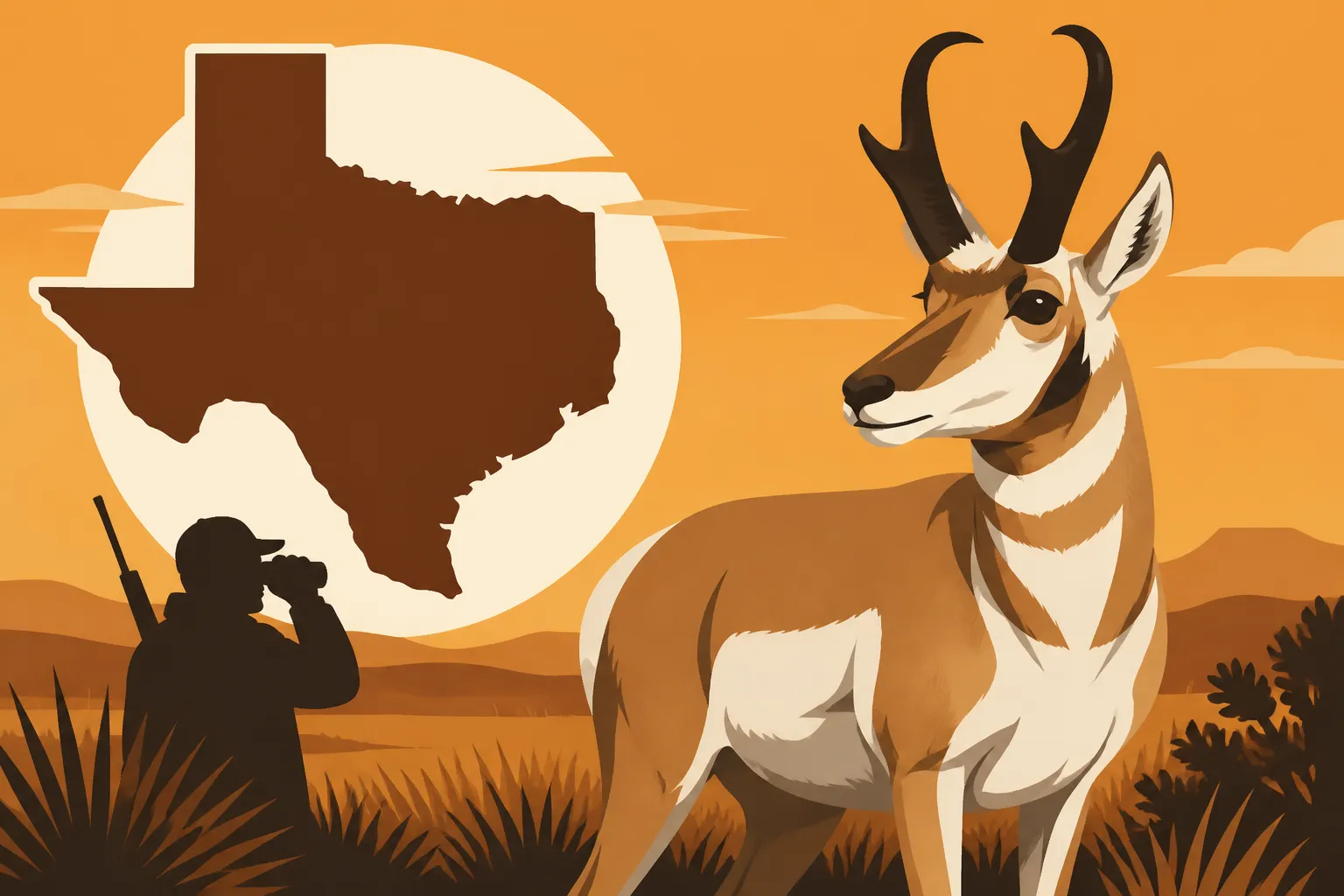
The Trans-Pecos region, specifically counties like Jeff Davis, Presidio, Brewster, and Culberson, is often considered the heartland of Texas pronghorn hunting. The wide-open spaces, high desert plateaus, and sparse vegetation make for classic pronghorn habitat and incredible spot-and-stalk opportunities. This is where many of the landowner permits are issued and where the majority of TPWD's conservation efforts for pronghorn are concentrated.
In the Panhandle, particularly the western parts, you'll also find smaller, more isolated populations. Counties such as Dallam, Hartley, and Oldham might occasionally offer opportunities, but these are often even more limited and subject to yearly population surveys and habitat conditions. Regardless of the region, access is almost always on private land, often managed by cooperating landowners working with TPWD. If you're looking to gain access, knowing which areas historically have strong populations is a good starting point, but the permit system is still the gatekeeper.
The Pronghorn Permit System: Your Only Way In
Hunting pronghorn in Texas isn't as simple as buying an over-the-counter tag. It operates under a highly controlled permit system, which can be a real source of frustration for hunters eager to pursue these iconic prairie speedsters. The reason for this strict regulation is, once again, population management. Pronghorn numbers in Texas have fluctuated over the years, and the permit system ensures that harvest levels are sustainable and don't negatively impact the overall health of the herd.
There are essentially two main avenues to obtain a pronghorn permit: landowner permits and the Public Hunt Drawn Hunt system. Both are competitive, and neither guarantees success, but they are your only real options.
Landowner Permits and Managed Lands
The most common way to hunt pronghorn in Texas is through a landowner permit. TPWD works directly with landowners in designated pronghorn management areas. These landowners agree to participate in surveys conducted by TPWD biologists, who then assess the local pronghorn population, buck-to-doe ratios, and fawn crop. Based on these surveys, TPWD allocates a specific number of buck-only permits to the landowner.
What this means for you, the hunter, is that you'll need to gain access to one of these ranches. This typically involves paying for a guided hunt or securing a hunting lease that has been allocated pronghorn permits. Ranches like those near Marfa or Van Horn are well-known for their pronghorn populations and often offer guided hunts. These hunts can be costly, reflecting the rarity and exclusivity of the opportunity. It's less about finding a specific "season" and more about finding a ranch with an available permit during the legal hunting window. Many hunters pursue this route, often booking a year or more in advance to secure a spot on a reputable ranch. You can also explore options to Hunt Pronghorn on a Texas Lease if you're looking for a more long-term commitment or group hunt.
Public Hunt Drawn Hunts for Pronghorn
For those who don't have the budget for a high-dollar guided hunt or access to a private ranch with permits, the Public Hunt Drawn Hunt system offers a glimmer of hope. TPWD offers a very limited number of pronghorn permits through its annual public hunt drawing. These hunts are incredibly sought after, and the odds of drawing a tag are notoriously low, which can be disheartening, to say the least.
The application period for these drawn hunts typically opens in mid-summer (June/July) and closes around mid-August. You'll apply online through the TPWD website, selecting the specific pronghorn hunt categories you're interested in. There's an application fee, and if you're lucky enough to be drawn, there will also be a hunt fee. The drawn hunts usually take place on specific Wildlife Management Areas (WMAs) or private lands leased by TPWD for these programs.
These hunts are generally buck-only and highly managed, often with a mandatory orientation and guide assistance provided by TPWD staff. It's a fantastic, affordable opportunity if you beat the odds, but it requires patience and a good dose of luck. If you're new to this system, you might want to learn How to Apply for Texas Drawn Hunts Online.
Here's a simplified look at the permit avenues:
| Permit Type | Access Method | Typical Cost Range | Odds of Success | Management |
|---|---|---|---|---|
| Landowner Permit | Private Ranch/Outfitters | High ($2,000-$5,000+) | Good (if booked & paid) | Landowner/TPWD Surveys |
| Drawn Hunt (TPWD) | Public Hunt System (WMAs) | Low (App/Hunt Fees) | Very Low (Lottery) | TPWD Biologists |
Regulations and Restrictions for Texas Pronghorn Hunting
Securing a pronghorn permit is only half the battle; understanding and adhering to the specific regulations is paramount. Because pronghorn are a managed species, TPWD has stringent rules in place to ensure ethical hunting and population health. Ignoring these rules can lead to severe penalties, so always consult the latest Texas Outdoor Annual.
General Pronghorn Hunting Regulations
First and foremost, you must have a valid Texas hunting license with the appropriate endorsements, even if you're drawn for a public hunt or hunting on a private ranch with permits. A general hunting license is required, along with a migratory game bird endorsement if you're also hunting doves or ducks (though not directly relevant to pronghorn, it's a good reminder for Texas hunting in general). If you're under a certain age, you'll also need to have completed a hunter education course. For details, you can always check out Do You Need Hunter Education in Texas?.
The bag limit for pronghorn in Texas is very strict: one buck per person per license year. There are no doe permits issued for general hunting, highlighting the focus on buck management to maintain herd genetics and population growth. Any deviation from this is a serious offense.
Weapon Restrictions and Caliber Considerations
Texas regulations allow for a wide range of legal means and methods for hunting pronghorn. Generally, you can use lawful firearms, archery equipment, or even muzzleloaders during the designated season. However, specific drawn hunts or private ranch rules might impose additional restrictions (e.g., archery-only hunts), so always confirm with the hunt organizer.
When it comes to caliber, pronghorn are not particularly large animals, typically weighing between 90-120 pounds. However, they are incredibly tough and often require long-range shots in the open terrain they inhabit. For this reason, many hunters opt for flat-shooting cartridges that can handle distances, such as .243 Winchester, 6.5 Creedmoor, .270 Winchester, or .30-06 Springfield. Whatever caliber you choose, ensure you are proficient with it and can consistently make ethical shots at varying distances. Remember, an ethical shot placement is key for any game animal, and it's especially important for pronghorn, which can cover vast distances if wounded.
Carcass Transport and CWD Awareness
In Texas, Chronic Wasting Disease (CWD) is a serious concern, and regulations are in place to prevent its spread. While CWD has primarily affected deer, the TPWD often includes pronghorn in its surveillance efforts and carcass movement restrictions, especially in certain CWD Zones.
If you are fortunate enough to harvest a pronghorn, you need to be aware of any CWD rules that might apply to the area you hunted. This often involves restrictions on transporting certain carcass parts out of a CWD containment or surveillance zone. Generally, you can transport boned-out meat, cleaned skull plates, and capes without issue. However, spinal columns, brains, and other lymphatic tissues are often restricted. Always check the latest CWD regulations in the TPWD Outdoor Annual or on their website before your hunt. Ignorance of these rules is not an excuse, and violating them carries hefty fines and potential loss of hunting privileges. Understanding CWD in Texas: Zones, Rules & Carcass Transport is vital for any serious Texas hunter.
Preparing for a Texas Pronghorn Hunt
Even with the limited opportunities, the dream of a Texas pronghorn hunt is a powerful one. If you're lucky enough to secure a tag, proper preparation is the key to making the most of your adventure. Unlike hunting whitetail in dense woods, pronghorn hunting demands a different skillset and gear.
Scouting and Understanding Pronghorn Behavior
Scouting for pronghorn is less about sneaking through thick cover and more about covering vast distances with good optics. Pronghorn are creatures of habit but can cover miles in a day. They prefer open grasslands, sagebrush flats, and areas with good visibility, often near water sources. Locating them often involves driving or hiking elevated positions and systematically glassing wide expanses. High-quality binoculars and a spotting scope are indispensable tools for this.
Understanding their behavior is critical. Pronghorn have incredible eyesight—often compared to an 8x binocular on each eye—and are easily spooked. They rely on their speed and keen senses to evade predators. When disturbed, they typically run to a distant vantage point and observe, making multiple stalks challenging. You'll often find them in herds, with dominant bucks maintaining harems during the rut, which typically occurs in September and October, coinciding with the hunting season. Knowing how to pattern bucks with trail cameras isn't usually a pronghorn tactic, but understanding their natural movement patterns on a large scale is.
Essential Gear for the Open Country
The open country of the Trans-Pecos and Panhandle dictates a specific gear list for pronghorn hunting. Forget the heavy timber camo; instead, focus on optics, long-range shooting equipment, and hydration.
- High-Quality Optics: This is non-negotiable. A good pair of 10x or 12x binoculars (like the Best Binoculars for South Texas Brush) are essential for long-range glassing. A powerful spotting scope (20-60x or higher) on a stable tripod will help you identify animals at extreme distances, allowing you to evaluate trophy potential without spooking them. A rangefinder is also absolutely crucial for accurate shot placement in the vast, featureless terrain.
- Long-Range Rifle System: As mentioned earlier, prepare for shots from 200 to 400+ yards. This means a reliable, accurate rifle chambered in a flat-shooting caliber, zeroed precisely for those distances. Practice extensively from various field positions, including prone, with shooting sticks, or using a backpack as a rest.
- Comfortable Footwear & Clothing: You'll be doing a lot of walking, sometimes over rough terrain. Comfortable, broken-in hunting boots are a must. Lightweight, breathable clothing in natural, subdued colors (khaki, tan, light greens) is ideal, as the weather can be warm even in October. Snake boots are a wise choice in many areas of Texas where rattlesnakes are prevalent.
- Hydration & Sun Protection: The Texas desert can be brutal. Carry plenty of water, especially if you're doing extensive hiking. A good wide-brimmed hat, sunglasses, and sunscreen are vital for protection against the intense sun.
- Backpack: A sturdy backpack to carry water, snacks, extra layers, and to assist in packing out game is essential. For more general advice on what to carry, check out the Best Hunting Backpack for Texas.
Ethical Considerations and Shot Placement
Pronghorn hunting often involves longer shots than many hunters are accustomed to, making ethical shot placement even more critical. Aim for the vital organs—the heart and lungs—typically located in the shoulder crease area. A double-lung shot will usually bring a pronghorn down quickly. Avoid "Texas heart shots" or shots at running animals unless you are absolutely confident in your ability, as wounded pronghorn can travel immense distances, making recovery nearly impossible in the vast open country.
After the shot, watch the animal's reaction closely and be prepared for a follow-up shot if needed. Mark the spot where the animal was standing when shot, and begin your recovery immediately. The open terrain sometimes makes blood trails sparse, so careful observation and patience are key. Knowing Best Shot Placement for Whitetail Deer can provide a good basis, but adapt it to the unique anatomy and exposed vitals of a pronghorn.
The Unique Experience of Texas Pronghorn Hunting
Despite the challenges of obtaining a tag and the demanding nature of the hunt, pursuing pronghorn in Texas is an incredibly rewarding experience. These animals, often called "speed goats" for their incredible swiftness, are truly unique to the North American landscape.
The vast, unspoiled vistas of the Trans-Pecos, with its rugged mountains and endless plains, offer a backdrop unlike any other hunting ground in the state. Imagine glassing across miles of rolling desert, spotting a small herd of pronghorn, and then planning an elaborate stalk that might take hours, using every fold in the terrain to your advantage. It’s a chess match against one of nature’s most vigilant and fastest creatures.
Successfully harvesting a pronghorn is a testament to patience, skill, and perseverance. It’s a hunt that connects you to the wild, open spirit of Texas in a profound way. For those who seek a truly challenging and memorable experience, the pursuit of the Texas pronghorn is well worth the effort and anticipation.
Disclaimer
Please note that hunting regulations, season dates, and permit processes can change. While every effort has been made to provide accurate and up-to-date information, it is the hunter's responsibility to consult the official Texas Parks and Wildlife Department (TPWD) Outdoor Annual and website for the most current and legally binding regulations before engaging in any hunting activities. This guide is for informational purposes only and does not constitute legal advice.