Best Hunting Method for Mourning Dove in Texas
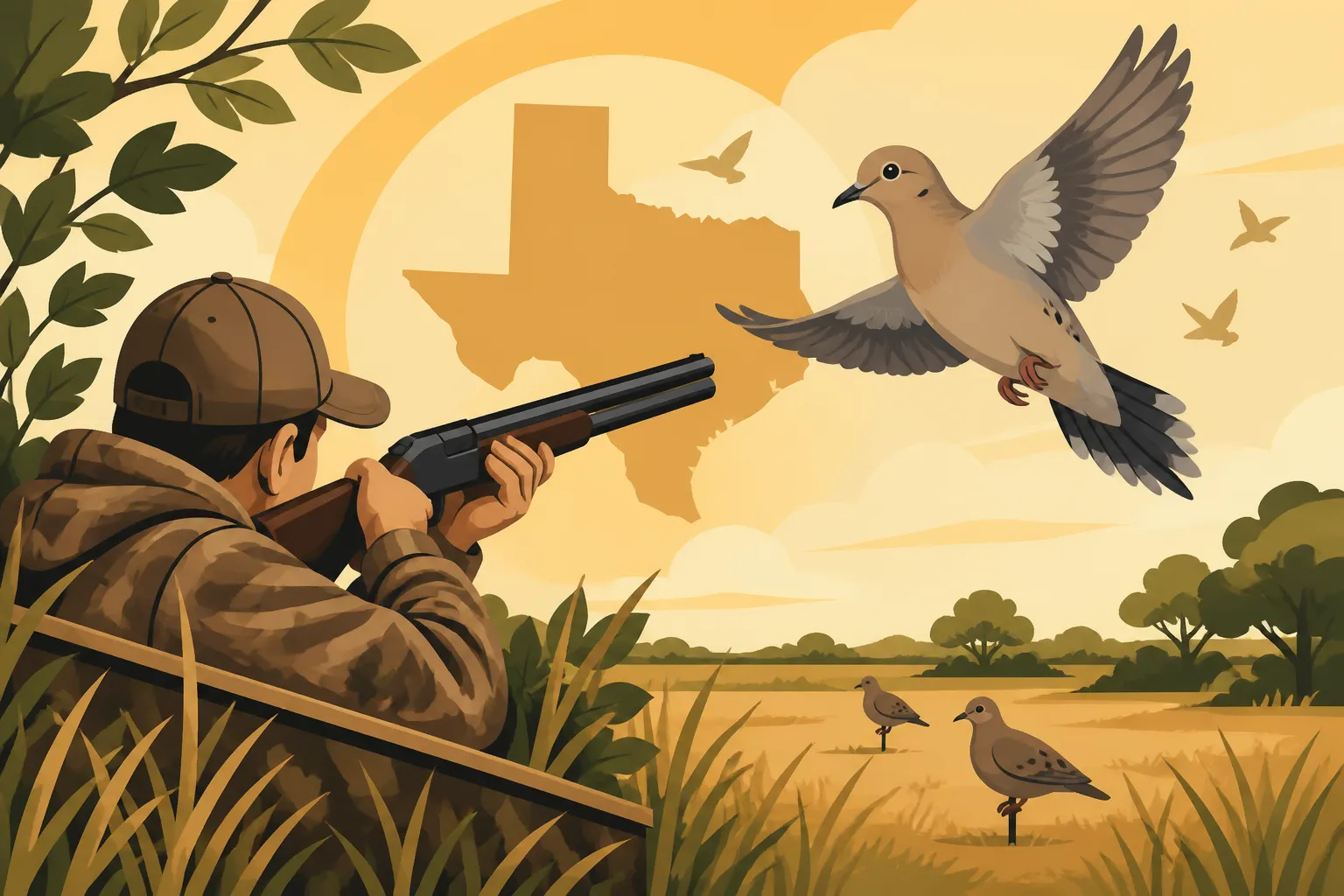
There is nothing quite as humbling as sitting in a folding chair in the middle of a dusty Texas sunflower field, sweat stinging your eyes while hundreds of mourning doves zip past just out of range. You see your buddies on the other side of the field steadily working toward their limit, while you're left wondering what you did wrong. This guide solves that frustration by breaking down the best hunting method for mourning dove in Texas, focusing on strategic positioning and flyway analysis to ensure you are always in the center of the action.
Understanding Mourning Dove Behavior and Flyways
To master the art of dove hunting in the Lone Star State, you first have to understand that these birds are creatures of habit driven by three things: food, water, and grit. In the early season, especially when the Texas heat is still hovering in the triple digits, mourning doves operate on a very strict schedule. They typically roost in trees overnight, head to a feeding field at dawn, hit a watering hole mid-morning, and then find a shady spot to loaf during the heat of the day before repeating the cycle in the afternoon.
One of the most effective Mourning Dove Hunting Tactics for Texas involves identifying these specific transit corridors. If you are hunting a large property, don't just pick a spot that looks "birdy." Spend twenty minutes glassing the tree lines and fence rows before you ever unload your gear. Doves almost always follow "handrails" in the sky—this could be a line of mesquite trees, a power line, or even a dry creek bed. Positioning yourself where two of these features intersect is often more productive than sitting in the middle of a 100-acre field.
For those just starting out, learning How to Hunt Dove in Texas (Step by Step) begins with this scouting phase. In the Blackland Prairie regions or the Rolling Plains, doves might travel miles between their roost and a prime sunflower patch. If you notice birds consistently entering a field over a specific low spot in a tree line or a lone dead snag, that is exactly where you need to be. Doves use these landmarks as navigational beacons, and they will fly over them hour after hour, regardless of how much lead you're throwing their way.
The Stationary Stand Method: Dominating the Feed and Water
The absolute best hunting method for mourning dove in Texas is the stationary stand, specifically when positioned over a harvested grain field or a "tank" (what we call ponds here in Texas). This method relies on the birds coming to you rather than you trying to find them. However, it isn't as simple as sitting down and waiting; it requires a deep understanding of the Dove Field Setup: Where to Stand to maximize your opportunities.
When hunting over food, look for "clean" ground. Doves have short legs and don't like to land in thick, matted grass where predators can hide. They prefer disked ground or areas where the vegetation has been burned or shredded. If you're on a lease in Uvalde or near San Angelo, look for fields of croton (goatweed) or sunflower. Position yourself with the sun at your back. Not only does this keep the glare out of your eyes, making it easier to track a bird's erratic flight, but it also makes you harder for the birds to see. If you're unsure about the local rules or what you can legally do to a field, check the Mourning Dove Season & Bag Limit in Texas guidelines to stay compliant.
Hunting over water is a distinct "sub-method" that is incredibly effective in the late afternoon. As the sun begins to dip, doves will head to a water source to drink before going to roost. The key here is to find a tank with a "beach"—a flat, open area of mud or sand where the bird can land and walk to the water's edge. If a pond is completely surrounded by tall cattails or brush, the doves likely won't use it. When you're using this method, try to stay about 20 to 30 yards back from the water’s edge. This gives you a clear window for a shot without spooking the birds before they get into range.
| Method Type | Primary Target | Best Time of Day | Key Feature to Look For |
|---|---|---|---|
| Field Stand | Feeding Birds | 7:00 AM – 10:00 AM | Clean ground, sunflowers, or waste grain |
| Watering Hole | Thirsty Birds | 4:30 PM – Sunset | Bare dirt "beaches" around pond edges |
| Flyway Intercept | Transiting Birds | Mid-Morning / Mid-Afternoon | Power lines, creek beds, or gaps in tree lines |
| Loafing Area | Resting Birds | 11:00 AM – 3:00 PM | Dead trees or shady motts of mesquite |
Strategic Use of Decoys and Motion
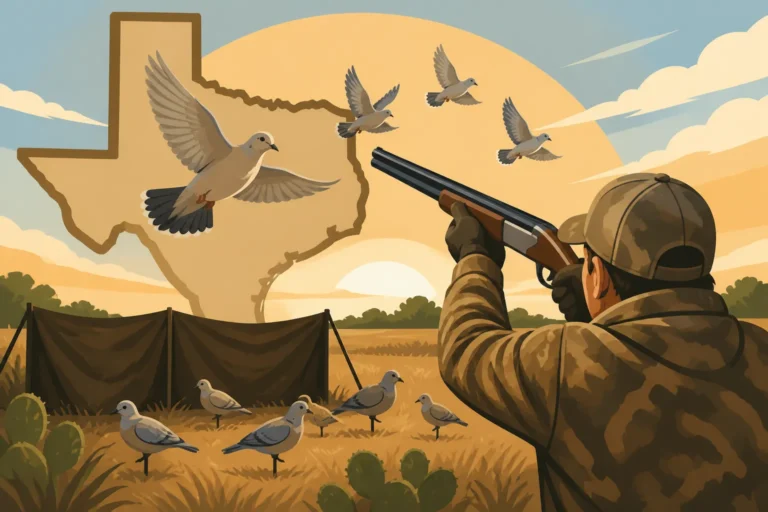
In the modern era of Texas dove hunting, if you aren't using some form of motion, you are at a distinct disadvantage. Doves are social birds, but they are also incredibly skittish. A stationary stand becomes ten times more effective when you incorporate How to Use Decoys for Dove Hunting into your strategy. The goal of decoys isn't necessarily to get the bird to land in your lap, but to give them a reason to "commit" to a flight path that brings them within 20 or 30 yards of your position.
The "spinning wing" decoy is the undisputed king of the Texas dove field. Placing one or two of these on a tall stake in a visible part of the field creates a flash that mimics a dove landing. Doves can see this from hundreds of yards away. However, don't just stick it right in front of you. Place your motion decoy about 15 yards out and slightly to the side. This draws the bird's eyes away from your silhouette and toward the decoy. To add more realism, place a few static "clip-on" decoys on a nearby fence line or on the branches of a dead tree.
When you're gathering your Best Gear for Dove Hunting in Texas, don't forget the importance of a comfortable, rotating seat. Because mourning doves are notorious for their "corkscrew" flight patterns and sudden dives, you need to be able to pivot 360 degrees quickly and quietly. A bucket with a padded swivel lid is the classic choice, but many veteran hunters prefer a lightweight folding chair with a built-in cooler. Staying mobile and comfortable allows you to stay in the field longer, increasing your chances of hitting that elusive 15-bird limit.
Maximizing Success Through Field Etiquette and Safety
While the "best method" focuses on how to kill birds, your success is also tied to how you manage the hunt, especially in a group setting. Texas dove hunting is a social event, often involving large groups of friends and family. This makes Dove Hunting Tactics: Field Setup & Shooting even more critical. You must communicate with your neighbors. If you're hunting a rectangular field, "ringing the field" is the standard practice. Hunters space themselves out every 50 to 75 yards along the perimeter, ensuring no one is shooting toward another person.
Safety is the foundation of a good hunt. Never shoot at a "low bird"—a dove flying below the horizon line. Not only is this dangerous for other hunters, but it also increases the risk of hitting a dog or a vehicle. If you are hunting a new area, always consult the Texas Dove Season 2026: Zones & Dates map to ensure you are in the right place at the right time. The transition between the North, Central, and South zones can be confusing, and being on the wrong side of a county line can ruin a weekend.
Finally, consider the environmental factors of a Texas hunt. The heat isn't just hard on you; it’s hard on your birds. Mourning doves are small and have very little thermal mass, meaning they can spoil quickly in 100-degree weather. If you're using the stationary stand method, bring a small soft-sided cooler with ice into the field with you. As soon as you retrieve a bird, tuck it into the cooler. This keeps the meat fresh and prevents the "sour" smell that can occur if birds are left in a game vest for hours. If you're interested in improving your property for future seasons, you might even look into How to Make Your Own Dove Field to create a custom-tailored habitat that keeps birds coming back year after year.
Disclaimer
Hunting regulations in Texas are subject to change by the Texas Parks and Wildlife Department. Always verify current season dates, bag limits, and legal shooting hours in the official Texas Outdoor Annual before heading into the field. This guide is for informational purposes only and does not supersede state or federal law.